Most bad roasted vegetables don’t fail in the oven. They fail at the bottle.
Home cooks keep hearing the same timid advice: save the good olive oil for salads, use something cheaper for high heat, and treat extra virgin olive oil like a fragile luxury. That advice has ruined more trays of potatoes, cauliflower, carrots, and broccoli than people realize. It strips flavor from the start, then blames the oven when the vegetables come out flat, greasy, or oddly dull.
The best olive oil for roasting vegetables is high-quality extra virgin olive oil. Not “light” olive oil. Not a tired bottle that’s been baking next to the stove for months. Not a refined oil chosen by smoke-point superstition. Good EVOO gives you flavor, stability, and better results on the tray.
Roasting is where olive oil shows its character. The right oil helps vegetables brown with conviction, taste fuller, and carry seasoning better. The wrong oil leaves them tasting like heat and salt.
The Roasting Mistake You Dont Know Youre Making
The mistake isn’t using olive oil. The mistake is not using the right olive oil with enough confidence.
People buy a beautiful bottle of extra virgin olive oil, then get scared at the exact moment it matters most. They drizzle something bland over their vegetables instead, convinced that “good” EVOO is only for finishing. Then they wonder why the broccoli tastes dry, the potatoes taste heavy, and the carrots never develop that deep, sweet edge that makes roasted vegetables addictive.

The bad advice everyone repeats
The usual warning sounds sensible. Don’t use your best extra virgin olive oil for roasting because high heat will “destroy” it. That sounds prudent. It’s also incomplete, and in practice it pushes cooks toward oils with less flavor and often less real resilience.
Smoke point has been treated like the only thing that matters. It doesn’t. Roasting success depends on how the oil behaves under heat, how fresh it is, and what it contributes to the food.
If you’ve absorbed that old fear, it’s worth revisiting the record straight in these olive oil myths.
The tray tells the truth. If your vegetables are browning without depth, your oil choice is part of the problem.
What great roasting should taste like
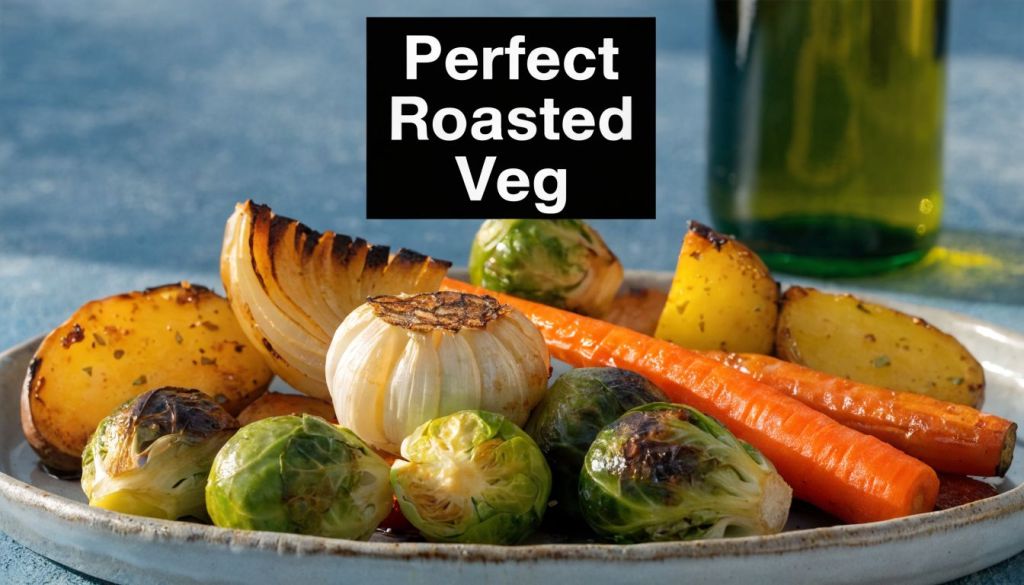
A properly roasted vegetable should have contrast. Crisp edges. Sweetness brought forward by heat. A soft center that still tastes like itself. Olive oil is not there to lubricate the process. It’s there to shape the result.
That’s why the best olive oil for roasting vegetables isn’t the cheapest one you can tolerate. It’s the one with enough integrity to handle the heat and enough flavor to leave a mark.
Why Extra Virgin Olive Oil Excels at High Heat
Let’s kill the myth cleanly. Extra virgin olive oil is not too delicate for roasting vegetables. Good EVOO is one of the smartest choices you can make for it.
An extensive evaluation cited in the International Journal of Fats and Oils review found that extra virgin olive oil outperformed 31 other edible oils in nutritional quality with a perfect score of 100. In thermal stability testing in that same review, olive oil was heated to 356°F for 15-minute intervals and reused eight consecutive times, and still produced fewer than 0.002% trans fatty acids.
That is not a fragile oil folding at the first sign of heat. That is an oil holding its structure under punishment far harsher than a normal tray of carrots or potatoes.
Stability matters more than kitchen folklore
Most home cooks hear one number about smoke point and stop thinking. Serious cooks look at stability. An oil can have a headline-friendly smoke point and still perform poorly if it degrades fast, loses character, or turns harsh under heat.
EVOO has a built-in advantage because it comes with its own defense system. Its natural phenols and antioxidants help protect the oil during cooking. That protection matters more than simplistic smoke-point chatter.
If you want the deeper explanation, this breakdown of the smoke point of EVOO is worth your time.
EVOO doesn’t just survive roasting. It improves the food
The strongest argument for roasting with extra virgin olive oil isn’t only that it remains stable. It’s that the vegetables benefit from it.
The same review notes that cooking vegetables in extra virgin olive oil can enhance their nutritional profile because phenols and antioxidants from the oil transfer to the vegetables, while the oil also helps the vegetables release their own bioactive compounds and improves nutrient absorption. That’s the kind of advantage cheap refined oils can’t imitate.
So yes, EVOO can handle the oven. More important, it does useful work while it’s there.
Practical rule: If you’re roasting vegetables, don’t ask whether EVOO can survive the heat. Ask whether your substitute oil can give you the same flavor and protection. Usually it can’t.
What this means on the tray
When you roast with proper extra virgin olive oil, the vegetables taste more complete. Broccoli tastes greener and nuttier. Potatoes taste richer without tasting greasy. Cauliflower takes on color without developing that stale, fried note inferior oils often leave behind.
The fear that “good olive oil is wasted in the oven” gets it backward. Good olive oil is often wasted when it never sees the oven.
Decoding the Bottle for Roasting Success
Good roasting starts at the shelf, not the oven.
The wrong bottle ruins vegetables before heat ever touches them. Shiny labels, vague origin claims, and the word “light” fool plenty of shoppers into buying oil with less flavor, fewer protective compounds, and no real advantage on a roasting tray. Skip all of that. Buy extra virgin olive oil with clear identity, real freshness, and packaging that protects it.

What to look for on the bottle
Start with the grade. If the bottle does not say extra virgin olive oil, put it back. Refined olive oil and “light” olive oil give away the very things that make roasting better: aroma, bitterness, pepperiness, and the natural compounds that help the oil hold up well in the oven.
Then check the details that separate serious producers from lazy marketers:
- Harvest date: A recent harvest beats a bottle that only shows a distant best-by date.
- Traceable origin: A named estate, region, or producer tells you more than a generic “packed in” claim.
- Protective packaging: Dark glass, tins, or other light-blocking containers keep the oil fresher.
- Quality seals: Useful if you do not know the producer, though they should support quality, not substitute for it.
- Flavor description: Ignore vague words. Look for real cues such as grassy, tomato-leaf, almond, buttery, or peppery.
If you want to get better at reading labels, this guide to olive oil labeling will save you from a lot of bad purchases.
The five factors that actually matter
Flavor profile
Roasting concentrates flavor. That means bland oil stays bland, and expressive oil leaves a mark. For potatoes, cauliflower, and Brussels sprouts, choose an EVOO with bite and a peppery finish. For zucchini, onions, or asparagus, choose one that is softer and cleaner.
Freshness and harvest date
Old oil tastes tired. It also loses the vivid fruitiness that makes roasted vegetables taste alive. Harvest date gives you the clearest read on whether the producer expects you to care about freshness.
Packaging
Clear glass looks pretty under store lights and does the oil no favors. Light degrades olive oil. Dark packaging protects what you are paying for.
Origin
Origin alone does not guarantee quality, but traceability matters. A producer willing to name where the olives were grown is usually giving you more than a mystery blend with polished branding.
Certifications
Certifications can help you avoid weak supermarket options, especially if you are shopping fast. They are a filter, not a final answer. Your real target is fresh, well-made EVOO from a producer with standards.
A good bottle also earns its keep beyond the tray. If you want one easy test, roast a pan of carrots or cauliflower with it, then use the leftovers in something like this simple roasted veg with seasoning. Good oil still shows up clearly after heat and seasoning.
Olive Oil Grades for Roasting Compared
| Oil Type | Production | Flavor Profile | Polyphenol Content | Best For Roasting |
|---|---|---|---|---|
| Extra virgin olive oil | Unrefined, cold-pressed | Fresh, vivid, can range from delicate to peppery or full-bodied | Higher, with natural phenols retained | Best overall choice |
| Virgin olive oil | Less refined than standard olive oil, but lower quality than EVOO | Less clean, less precise | Moderate | Acceptable, but not my first pick |
| Refined olive oil | Processed to remove defects | Mild, often bland | Lower | Functional, but gives away flavor and character |
| “Light” olive oil | Refined for neutral taste and color | Very mild | Lower | Poor choice if you care about taste |
Buy the bottle with real flavor, clear provenance, and protection from light. That is the bottle that rewards roasting.
Matching Your Oil to Your Vegetables
Bad roasting often starts with a bad match. Cooks blame the oven, the pan, or the vegetable, when the cause is simpler. The oil is fighting the ingredient instead of backing it up.
The right pairing gives you better browning, cleaner flavor, and a tray that tastes deliberate instead of random. Dense vegetables can handle bitterness, pepper, and green notes. Tender vegetables cannot. They get overwhelmed fast.

The pairing rule I use
Match intensity to density.
That one rule solves most roasting decisions. Potatoes, carrots, cauliflower, cabbage, and Brussels sprouts need an EVOO with bite and structure. Zucchini, asparagus, and summer squash need a gentler oil that supports their sweetness and moisture instead of covering it up. Eggplant, peppers, broccoli, and onions sit in the middle and do well with balanced, medium-intensity EVOO.
Use this framework:
- Bold, peppery EVOO for potatoes, carrots, parsnips, cauliflower, cabbage, and Brussels sprouts
- Medium-intensity EVOO for onions, peppers, broccoli, green beans, and eggplant
- Delicate EVOO for asparagus, zucchini, summer squash, and softer onions
Pairings that work
Bold and peppery
Use this for root vegetables and brassicas. Potatoes taste fuller and more savory. Carrots keep their sweetness but gain edge. Cauliflower and Brussels sprouts can take the bitterness and give it something to do.
Herbaceous and grassy
This style suits broccoli, green beans, and peppers. The green notes sharpen the vegetables without turning the tray harsh. It is especially good when you want char plus freshness in the same bite.
If you want a practical flavor template, this recipe for simple roasted veg with seasoning shows how oil, spice, and browning can support each other.
Mild and buttery
Use this with zucchini, asparagus, and sweet onions. These vegetables cook fast and lose their character under heavy oil. A softer EVOO keeps them clean, sweet, and clear.
For a broader practical breakdown, this guide to types of olive oil for cooking is useful if you want to compare styles before you buy.
The visual lesson is worth seeing in motion too:
Good pairing makes the vegetable taste more like itself, only deeper, sweeter, and better browned.
Keep this simple. One fresh everyday EVOO handles most trays. Add one more assertive bottle for potatoes, crucifers, and winter vegetables. That small change improves roasting far more than switching to bland refined oil ever will.
The Ultimate Roasting Technique
Most roasted vegetables fail for one simple reason. The tray steams them before the oven can brown them.
Good EVOO handles roasting heat just fine. The main problem is bad technique. The guidance cited earlier from Oil & Vinegar gives you a strong baseline: roast at 200°C (400°F), use 2 to 3 tbsp EVOO per kg for root vegetables, preheat the tray, and give the vegetables time to brown with a flip midway through. Follow that framework and fresh extra virgin olive oil delivers color, flavor, and clean, rich edges instead of smoke and regret.
Start with the pan, not the vegetables.
Preheat the empty sheet pan while the oven heats. A hot surface starts browning on contact, which is exactly what you want. If the tray is cold, the vegetables sit there, release water, and soften before any real caramelization begins.
If you roast often, the pan matters more than many home cooks realize. Everti's titanium ovenware advice is useful if you want bakeware that holds heat evenly and stands up to repeated high-heat roasting.
The method that actually delivers color
- Dry the vegetables thoroughly. Surface moisture blocks browning fast.
- Oil every piece lightly. The vegetables should glisten, not swim.
- Spread them in a single layer. Space is what gives you roasted edges instead of soft, damp sides.
- Keep the cuts consistent. Uneven pieces guarantee uneven roasting.
- Flip once, with purpose. Turn them when the first side has real color, not after every few minutes.
Why 400°F works so well
At 200°C (400°F), vegetables brown aggressively while fresh EVOO keeps its character. That matters. Refined oils may tolerate heat, but they contribute almost nothing to the tray. Extra virgin olive oil brings flavor, supports browning, and lets the vegetable taste fuller and sweeter.
This is also where the old smoke-point panic falls apart. Roasting is not deep-frying. The oil is spread thinly over food, mixed with moisture from the vegetables, and exposed under controlled oven heat. In practice, a good fresh EVOO performs beautifully here.
Roasting rules that separate crisp from soggy
- Heat the tray first: The vegetables should hit a hot surface.
- Do not crowd the pan: Airflow and direct contact create browning.
- Season after the oil: Salt, pepper, and spices cling better that way.
- Judge by color, not the clock: Deep golden edges mean flavor.
- Serve promptly: Roasted vegetables soften as they sit.
One last point. If you buy better oil, protect it between trays. Proper olive oil storage keeps the flavor fresh enough to matter once the vegetables hit the oven.
Pale vegetables usually mean wet surfaces, a cold pan, or a crowded tray. Fix those first.
Protect Your Investment with Proper Storage
A great bottle can turn mediocre the way a loaf of bread goes stale. Not dramatically. Subtly.
That’s why storage matters. Olive oil degradation directly affects roasting. According to this guide on roasting vegetables with olive oil and storage impact, the oil’s ability to maintain its smoke point of 410 to 425°F and flavor integrity during high-heat roasting is compromised by improper storage conditions, light exposure, and age.

The three enemies
Light strips freshness. Heat accelerates decline. Air works away at the oil every time the bottle is opened.
That means your premium EVOO does not belong on a sunny counter beside the stove, no matter how handsome the bottle looks there.
Store it like it matters
- Keep it cool: A pantry or cupboard away from the oven is the right home.
- Keep it dark: Dark glass helps, but darkness in storage matters too.
- Seal it promptly: Don’t let the bottle sit uncapped while you cook.
- Buy sensibly: A huge bottle is no bargain if it goes tired before you finish it.
This guide to olive oil storage covers the basics well.
A premium olive oil isn’t expensive because of the bottle. It’s expensive because of what’s inside, and storage decides how much of that you keep.
Frequently Asked Roasting Questions
What if my olive oil starts to smoke?
First, don’t panic. A little visible smoke can mean your oven runs hot, the pan was too close to the heating element, or bits of seasoning are scorching. Lower the temperature slightly, move the tray if needed, and check whether the oil itself still smells clean. If it smells acrid, back off and reassess the bottle and your storage habits.
Can I reuse the oil from the roasting pan?
Sometimes, but use judgment. If the oil is clean, not burned, and not full of bitter debris, you can use a small amount for another savory cook. If it smells tired or carries scorched bits, discard it. Reused oil should earn its way back.
Is cloudy olive oil safe to use?
Cloudiness alone is not a defect. Some oils cloud in cool conditions. Let the bottle come back to room temperature and judge it by aroma and taste, not appearance alone.
How much oil is too much?
Too much oil leaves the vegetables heavy and inhibits the clean, dry heat that creates crisp edges. You want every piece coated, not lounging in a slick puddle. If oil is collecting on the tray, you’ve crossed the line.
Should I use infused olive oils for roasting?
You can, but use taste as your guide. Some infused oils roast beautifully, especially with potatoes, mushrooms, or carrots. Others lose clarity under heat. If the infusion tastes artificial or noisy before cooking, heat won’t improve it.
Do I need a separate EVOO for finishing?
If you can afford it, yes. Keep one solid everyday EVOO for roasting and another more expressive bottle for drizzling at the table. If you can only buy one, buy a fresh, honest EVOO and use it for both.
If you want sharper buying instincts, better tasting skills, and practical guidance on choosing oils that deserve space in your kitchen, visit Learn Olive Oil. It’s one of the few places built for people who want to stop guessing and start cooking with confidence.


Leave a Reply