You’re in the store, holding two dark bottles that look like cousins. One says balsamic vinegar. The other says balsamic vinaigrette. Both promise depth, tang, and that glossy Italian charm. But they’re not interchangeable, and using the wrong one can flatten a good salad or smother a beautiful olive oil.
That matters more than is often recognized.
If you buy careful, peppery extra virgin olive oil, you already know one bad pairing can waste the bottle. A vinaigrette that’s too sweet, too oily, or too blunt can bury the grassy snap, the almond note, the clean bitterness that made you buy the oil in the first place. On the other hand, the right balsamic can make olive oil taste more alive, not less.
The Aisle of Confusion Unraveling Vinegar and Vinaigrette
A shopper reaches for “balsamic” expecting one thing and often gets another. That’s the trap. The labels sound close enough to pass for substitutes, especially when both bottles sit in the same shelf set and wear the same dark liquid.

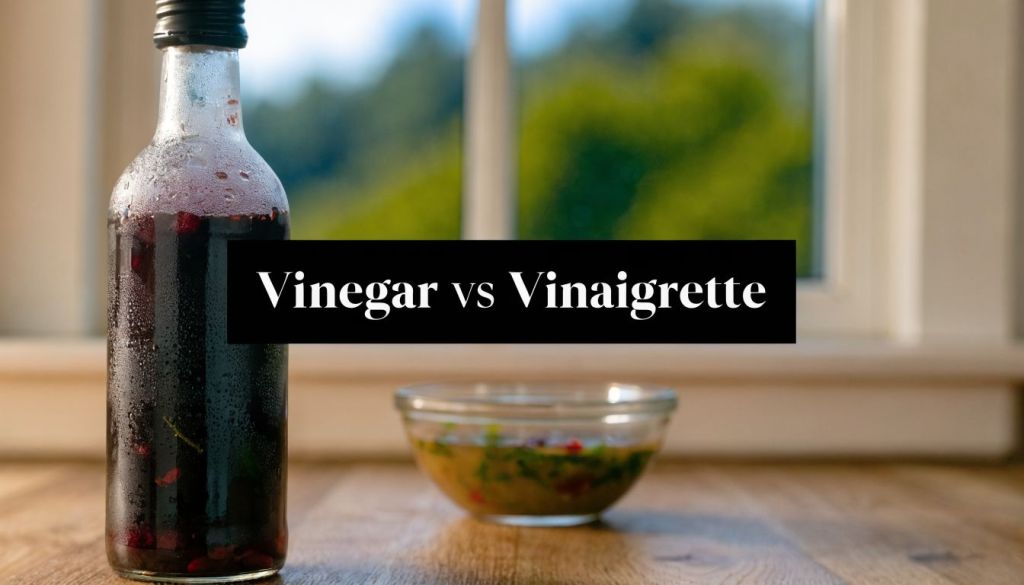
The cleanest way to understand the difference between balsamic vinegar and balsamic vinaigrette is this. One is an ingredient. The other is a finished dressing. Balsamic vinegar belongs in the same mental category as soy sauce, sherry vinegar, or good mustard. It’s a building block. Balsamic vinaigrette is what you make after combining ingredients, usually with oil taking the lead.
That single distinction clears up a lot of kitchen mistakes.
Why the mix-up matters
If you pour pure balsamic over tender greens the way you’d pour dressing, the salad can turn harsh and uneven. If you drizzle bottled balsamic vinaigrette over warm steak or strawberries the way you’d use aged balsamic, the result often tastes muddy and heavy.
For anyone serious about salads, roasted vegetables, or dipping bread, this isn’t trivia. It affects flavor, texture, and balance. It also changes how your olive oil performs. A helpful primer on olive oil for salads makes that point nicely. The oil isn’t background. It’s half the experience, sometimes more.
Practical rule: If the bottle is ready to pour over lettuce without any mixing, you’re probably holding vinaigrette, not pure balsamic.
What you’re really choosing
You’re not deciding between two names for the same thing. You’re deciding between:
- A concentrated condiment that adds acidity, sweetness, and aged complexity.
- A blended sauce designed to coat food evenly.
- A pairing strategy for whatever olive oil you’re serving.
Choose well, and dinner tastes deliberate. Choose casually, and it tastes like the bottle did all the thinking.
Understanding True Balsamic Vinegar From Grape to Barrel
A cook reaches for balsamic expecting a sharp salad vinegar, then tastes a true traditional bottle and gets something else entirely. The difference starts at the ingredient level and matters even more if a good olive oil is part of the plan.
True balsamic begins with cooked grape must, not a neutral vinegar base flavored to resemble age. In the traditional method, producers use grapes such as Trebbiano, cook the pressed juice into a concentrated syrup, then let it ferment and mature slowly in a series of wooden barrels. Time does the shaping. The result is deeper, rounder, and far more integrated than the average supermarket bottle labeled “balsamic.”
That long barrel aging changes how the vinegar behaves in food. Acidity softens. Sweetness becomes natural rather than sugary. Wood adds quiet spice and dried-fruit notes. With a peppery extra virgin olive oil, those layers matter because they complement the oil instead of flattening it.
What makes traditional balsamic different
Traditional balsamic vinegar, often sold as Aceto Balsamico Tradizionale, is a protected product with strict regional and production rules. It is dense, glossy, and concentrated because of evaporation and aging, not because thickeners or sweeteners were added later.
That shows up in three practical ways at the table:
- Texture: viscous enough to cling lightly to a spoon or a shard of Parmigiano
- Flavor: balanced sweetness and acidity with barrel character, not just tang
- Use: best in small amounts, especially as a finishing condiment alongside high-quality olive oil
A few drops on ripe tomatoes with excellent EVOO can taste complete. A larger pour would be wasteful and often less balanced.
How to read the label without getting fooled
“Balsamic” on the front label does not guarantee traditional quality. Some bottles are made with a high proportion of cooked grape must and careful aging. Others rely more heavily on wine vinegar, caramel color, or thickening to imitate richness.
A useful guide to understanding balsamic labeling and leaf ratings explains the bottle leaf system used by some producers. In general, a 4-leaf balsamic signals a gentler, more must-forward profile that pairs well with extra virgin olive oil. A 1-leaf style usually reads sharper and more vinegar-driven, which can overpower delicate oils and make a dressing taste harder than intended.
Dark color alone proves very little.
What to look for if olive oil quality matters
Choose balsamic with the same care used for olive oil. The pairing works best when neither one dominates.
Look for:
- Protected terms such as DOP or IGP, used correctly on the label
- An ingredient list led by grape must, with fewer shortcuts
- A finish that unfolds in stages, fruit first, then acidity, then wood
- Enough concentration to finish food sparingly, rather than soak it
Cheap balsamic still has uses. It can work in marinades, pan sauces, or a weeknight vinaigrette where mustard, garlic, and seasoning share the load. For bread dipping, cheese, strawberries, or a tomato salad built around excellent EVOO, a better bottle earns its place fast.
Defining Balsamic Vinaigrette The Classic Salad Dressing
You buy a good bottle of extra virgin olive oil for its peppery finish and fresh aroma, then pour it into a bottled balsamic dressing that tastes flat, sweet, and muddy. That mismatch explains why balsamic vinaigrette deserves its own definition. It is a blended dressing, and the oil determines whether the final result tastes bright and balanced or heavy and dull.
Balsamic vinaigrette starts with balsamic vinegar, then adds oil, salt, and usually an ingredient that helps the mixture hold together, such as Dijon mustard. Many versions also include garlic, herbs, shallot, or a small amount of honey. Bon Appetit’s basic balsamic vinaigrette method reflects that standard structure. The formula matters because a vinaigrette is built for coverage, not concentration.
Its job is practical. It needs to coat lettuce without pooling at the bottom of the bowl, cling to roasted vegetables, and carry seasoning across every bite.
That is why straight balsamic and balsamic vinaigrette behave so differently in the kitchen. Vinegar brings acidity and depth. Vinaigrette adds fat, body, and a more even distribution of flavor.
For olive oil enthusiasts, this is the point that matters most. In a vinaigrette, the oil is not background. It sets the texture, rounds the acidity, and decides whether the dressing tastes grassy, buttery, peppery, or bland. A good balsamic can sharpen a dressing, but it cannot hide stale or low-grade oil. If you care about flavor and olive oil nutrition facts, use an extra virgin olive oil you would gladly taste on its own.
I usually build balsamic vinaigrette around the oil first, then adjust the vinegar to fit it. A delicate EVOO needs a softer hand with balsamic. A sturdier, more peppery oil can handle a more assertive vinegar and stronger aromatics like mustard or garlic.
That trade-off is what separates a serviceable dressing from one you want to drizzle on tomatoes, bitter greens, white beans, or grilled peaches. Balsamic gives the dressing its signature. Olive oil gives it structure, aroma, and staying power on the palate.
A Side-by-Side Comparison of Vinegar and Vinaigrette
Set a bottle of aged balsamic next to a well-made vinaigrette and the choice gets clearer fast. One is a seasoning ingredient with a tight, concentrated flavor. The other is a finished sauce built to carry that flavor with olive oil across an entire dish.
| Attribute | Balsamic Vinegar | Balsamic Vinaigrette |
|---|---|---|
| What it is | A single aged ingredient made from grape must | A mixed dressing built from several ingredients |
| Core composition | Pure balsamic base | Balsamic plus olive oil, often mustard and seasonings |
| Texture | Viscous, concentrated, sometimes syrupy | Pourable, lighter, emulsified |
| Flavor shape | Intense, sweet-tart, layered | Broader, richer, softer acidity |
| Primary use | Finishing, drizzling, deglazing, marinades | Dressing salads, coating vegetables, dipping |
| Role of olive oil | Optional pairing alongside it | Structural. Olive oil is central |
| How to buy | Look for authenticity and quality signals | Judge the full formula, especially the oil |
| Best kitchen question | “What dish needs a final acidic lift?” | “What food needs even coating and fat?” |

The technical difference you can taste
Pure balsamic tastes sharper because nothing softens it. A vinaigrette tastes rounder because oil buffers the acidity and changes how the flavor spreads on the palate.
Texture matters just as much. Balsamic vinegar lands in small, intense points unless you whisk it into something. A vinaigrette has more volume and better cling, so it coats leaves, grains, beans, and roasted vegetables more evenly. That difference is practical, not academic. It decides whether you get a bright accent or full coverage.
I use the same rule when tasting both side by side. If the balsamic makes me pay attention to one specific note, usually sweetness, tang, or barrel depth, it is doing its job. If the vinaigrette makes the whole bite taste more complete, the oil-to-vinegar balance is working.
How each one behaves on food
Straight balsamic is best where control matters. A few drops can sharpen Parmigiano Reggiano, ripe tomatoes, grilled peaches, or sliced steak without adding extra richness. It gives definition.
Balsamic vinaigrette is better where the food needs help carrying seasoning. Lettuce, lentils, roasted carrots, and shaved fennel all benefit from the oil as much as the vinegar. That is why bottled vinaigrette and finishing vinegar are poor substitutes for each other in many recipes.
A quick benchmark helps.
- Choose balsamic vinegar for contrast, concentration, and a cleaner finish.
- Choose balsamic vinaigrette for coverage, balance, and one-step seasoning.
- Choose carefully when olive oil quality is high because the dressing will either showcase it or bury it.
For cooks who enjoy trying other vinegars, Maple Smoked Pineapple Vinegar proves the same point from a different angle. Once vinegar is blended into a dressing, its role shifts from solo accent to part of a larger structure led by oil.
Which one better serves premium olive oil
High-quality olive oil changes the answer. If the oil has fresh aroma, bitterness, and a peppery finish, a vinaigrette lets those traits spread through the dish instead of sitting in one rich puddle. If the plate already has enough fat, straight balsamic often makes more sense because it adds brightness without piling on more oil.
That choice also matters if you pay attention to olive oil nutrition facts and serving value. A vinaigrette adds oil by design, which can be a strength or a drawback depending on the dish.
The useful question is simple. Do you need a concentrated finishing note, or do you need a sauce that carries excellent olive oil across every bite?
Kitchen Applications and Perfect Olive Oil Pairings
Now, the confusion clears completely. In the kitchen, balsamic vinegar and balsamic vinaigrette don’t compete. They solve different problems.

When pure balsamic earns its place
Reach for straight balsamic when the dish already has enough fat or when you want a clean finishing note. It’s excellent on sliced strawberries, roasted onions, a tomato plate, or shaved Parmesan. It can also pull a pan sauce into focus after meat rests.
For marinades, pure balsamic has a real mechanical advantage. A technical breakdown of balsamic’s kitchen performance reports 5.5-7% titratable acidity and says it breaks down collagen in meats 25% faster than red wine vinegar in marinades. That’s useful when you want tenderness and flavor without reaching for a sugary bottled dressing.
When vinaigrette is the better move
Use balsamic vinaigrette when the food needs coating. Arugula, spinach, grilled zucchini, white beans, and farro all benefit from a dressing that spreads evenly. A vinaigrette also works well as a spooned sauce for warm vegetables, provided the mix isn’t too sweet.
Homemade tends to win here. The same MasterClass reference notes that dressings made with balsamic and high-quality EVOO show better oxidative stability, and sensory panels rated homemade balsamic-EVOO dressings 15% higher in umami intensity than commercial vinaigrettes.
That result makes sense at the stove. Fresh oil tastes present. Bottled dressings often taste blended into sameness.
Pairing the balsamic with the right olive oil
Not all EVOOs behave the same in a vinaigrette. A peppery, assertive oil can handle a more concentrated balsamic. A softer, buttery oil needs restraint or the vinegar takes over.
A practical pairing guide looks like this:
- Peppery oils: Pair with a more full-bodied balsamic for bitter greens, grilled radicchio, or steak salad.
- Nutty or buttery oils: Use a lighter hand with balsamic for delicate lettuces, burrata, or poached chicken.
- Fruit-forward oils: These often shine with tomato salads, peaches, or roasted beets where the balsamic acts as a bright counterpoint.
- Very delicate oils: Skip heavy bottled vinaigrettes. Build your own so the oil still tastes like itself.
If you enjoy experimenting beyond classic grape-based acidity, a smoked fruit vinegar like Maple Smoked Pineapple Vinegar can be a smart reference point. It shows how acid can contribute aroma and lift without mimicking balsamic exactly, which is useful when pairing with bold olive oils and grilled foods.
A broader look at olive oil and vinegar pairings is worth studying if you want your pantry choices to taste intentional rather than habitual.
Comparing Nutrition Storage and Shelf Life
Nutrition is the clearest practical difference between these two pantry staples. Straight balsamic vinegar is mostly about acidity, sweetness, and concentration. Balsamic vinaigrette adds olive oil, and that changes both the calorie load and the way you use it.
For a home cook, the trade-off is simple. Vinegar gives you sharp, focused flavor in small amounts. Vinaigrette gives you fuller coverage and a rounder mouthfeel, which is exactly what you want when a good olive oil is part of the point.
That distinction matters on the plate.
A spoonful of balsamic can brighten roasted carrots, finish seared chicken, or sharpen a pan sauce without making the dish feel heavier. A spoonful of vinaigrette coats greens, softens bitterness, and carries the character of the oil across the whole salad. If the olive oil is peppery, grassy, or buttery, vinaigrette is the format that lets you taste those details. Straight balsamic cannot do that because there is no oil there to showcase.
A dish like balsamic glazed salmon proves the point. In that kind of recipe, balsamic acts as a concentrated flavoring. It is not standing in for a dressing.
Storage is just as different.
Pure balsamic keeps well in a cool, dark pantry with the cap tightly closed. Its acidity and low water activity make it relatively stable over time. Vinaigrette needs more care, especially if you make it with fresh garlic, shallot, herbs, mustard, or a high-quality extra virgin olive oil you do not want to dull.
Use these rules in the kitchen:
- Balsamic vinegar: Store in a cool pantry, away from heat and direct light.
- Balsamic vinaigrette: Refrigerate after opening if bottled, and refrigerate homemade versions.
- Homemade vinaigrette: Shake or whisk before serving because separation is normal.
- Olive oil based dressings: Use them while the oil still tastes fresh. Once the oil goes flat or stale, the whole dressing follows.
If your vinaigrette starts with excellent EVOO, storage stops being a minor detail. Light, heat, and oxygen strip away the fruit, pepper, and aroma you paid for. This guide on how to store olive oil after opening is worth following if you want your dressing to keep its character.
Good balsamic is forgiving. Good vinaigrette is more perishable, but it rewards that extra care with better texture, better balance, and a clearer expression of the olive oil.
How to Craft a Superior Balsamic Vinaigrette at Home
The best answer to mediocre bottled dressing is usually five minutes and a jar.
Homemade balsamic vinaigrette lets you control the one thing store-bought versions often mishandle. Balance. You decide how much sweetness you want, how sharp the acidity should be, and whether the olive oil gets to taste like olive oil.

Start with the master ratio
A dependable framework is 3 parts extra virgin olive oil to 1 part balsamic vinegar. The earlier comparison source notes balsamic forms stable dressings well and that this ratio tends to create a pleasing balance when oil quality is high. From there, add a little Dijon mustard if you want a tighter emulsion, plus salt and pepper to taste.
That gives you a dressing with structure, not sludge.
A simple version looks like this:
- 3 parts extra virgin olive oil
- 1 part balsamic vinegar
- A small spoon of Dijon mustard
- Salt
- Black pepper
- Optional honey, only if the balsamic is especially sharp
How to make it taste expensive
Use a bowl and whisk if you want immediate control. Use a jar if you want speed. Either works.
The more important move is ingredient order. Whisk the balsamic, mustard, and seasoning first. Then stream in the oil slowly. That helps the vinaigrette tighten instead of splitting into a loose, oily puddle.
What improves the result:
- A balsamic with real depth: Not candy-sweet, not flat.
- Fresh EVOO: Fruity, peppery, or buttery based on the food.
- Restraint with sweeteners: Many dressings fail because sugar shouts over the oil.
- Good salt: Enough to wake the dressing up, not enough to turn it savory and blunt.
For readers choosing oil specifically for dressings, this guide to the best olive oil for salad dressing is a useful companion.
Two quick adjustments that matter
If the dressing tastes too aggressive, don’t add more sweetener first. Add a little more oil.
If it tastes dull, don’t just add salt. Add a touch more vinegar, whisk again, and taste with an actual leaf of lettuce. Dressing on a spoon almost always tastes stronger than dressing on food.
Here’s a visual walkthrough if you want to watch the method in action:
The version that usually works best
For peppery greens, use a full-flavored EVOO and keep the vinaigrette lean and vivid. For butter lettuce or burrata, choose a softer oil and back off the balsamic slightly. For grain salads, add enough mustard that the dressing clings instead of sinking to the bottom.
A superior balsamic vinaigrette doesn’t taste like “balsamic dressing.” It tastes like fresh olive oil sharpened by balsamic.
Once you make it a few times, you stop asking which bottled vinaigrette to buy. You start asking which oil and which balsamic deserve to meet in the same bowl.
If you want to get better at those choices, Learn Olive Oil is a smart place to deepen your palate. It helps you judge olive oil by flavor, freshness, and pairing potential, so your next balsamic vinaigrette tastes like something you built on purpose, not something you settled for.
 Learn Olive Oil
Leave a comment