The first time you taste novello olive oil at the mill, you don’t sip politely. You blink, cough once, grin, and reach for bread. That little sting in the throat is the harvest speaking before anyone has had time to tame it.
The Fleeting Magic of the First Press
Late October in a working frantoio has its own electricity. Crates of green olives come in cold from the grove. The machinery hums. The air smells of crushed leaves, cut grass, green tomato, and something sharp enough to wake up every sleepy sense in your head.
That’s where novello olive oil belongs. Not in a luxury fantasy. In a mill, among people moving quickly because freshness won’t wait.
Historically, this “new” oil was the oil millers kept for themselves from the first pressings, before commercial oil had time to settle in tanks. That old privilege still explains its aura. Novello was never meant to be ordinary. It was the first taste of the season, a private reward for the people who did the work. If you want the background on that early pressing tradition, this guide to first press olive oil gives useful context.

Why it feels different from regular oil
Most olive oil reaches you after waiting. It settles. It gets filtered. It becomes more composed, more predictable, easier for the broad market to love.
Novello refuses to wait.
It’s bottled immediately, cloudy and alive, with tiny olive particles still suspended in the oil. That rawness is the whole point. You’re not tasting a finished, polished product. You’re tasting a moment.
Novello isn’t just fresh olive oil. It’s olive oil before patience has softened it.
That’s why people in Italy celebrate its arrival with festivals in October and November, especially in places that still treat harvest as a cultural event rather than a packaging exercise. In Umbria and beyond, novello shows up like a seasonal guest everyone has been waiting for.
The secret most buyers miss
People talk about novello as if the romance is enough. It isn’t. Romance sells the bottle. Freshness justifies it.
What makes novello precious is precisely what makes it inconvenient. It appears for a short window, tastes best young, and asks you to use it generously instead of saving it “for a special occasion.” That is the special occasion. The first weeks and months after harvest are the reward.
If you buy novello olive oil and treat it like a collectible, you’ve already misunderstood it. A producer doesn’t race through harvest so you can let the bottle die unopened in the back of a cupboard.
What Exactly Is Olio Novello
Let’s strip away the poetry and say it plainly. Olio Novello means “new” in Italian. It is the first extra virgin olive oil of the harvest season, made from early-picked green olives, and it comes to market with very little delay after extraction. That tradition began with millers savoring the new oil from the first pressings, and today it’s still celebrated with festivals across Italy in October and November, as noted by Olive Oil Lovers’ description of novello.
If you know wine, the simplest comparison is Beaujolais Nouveau. The point isn’t age. The point is youth. It’s the first vivid expression of the season, prized because it’s young, energetic, and unmistakably tied to harvest.
Not all extra virgin olive oil is novello
Buyers tend to get sloppy. They see “extra virgin” and think they’ve understood everything. They haven’t.
All novello is extra virgin olive oil. But not every extra virgin olive oil qualifies as novello.
The difference is immediacy. Novello comes from the earliest part of harvest and keeps the traits that later oils often lose through settling and filtration. If you want to understand the broader category it comes from, this explainer on early harvest olive oil is worth your time.
Here’s the practical distinction:
| Type | What defines it | What you notice |
|---|---|---|
| Novello | First oil of the season, bottled quickly, usually unfiltered | Cloudiness, assertive flavor, youthful intensity |
| Standard EVOO | Extra virgin oil that may be filtered and given time to settle | More stable, clearer, often calmer on the palate |
Why Italians treat it like a seasonal event
In Tuscany, Umbria, and other producing regions, novello arrives with a sense of occasion because it marks the beginning of the agricultural year in a glass. It tells you the harvest has begun. It tells you what the grove is saying right now, before handling and time start editing the message.
That’s why the best way to think about novello olive oil is not as a luxury upgrade. Think of it as a seasonal release with a very short emotional half-life. It’s exciting because it’s temporary.
If the bottle looks too composed, too polished, too anonymous, it probably isn’t giving you the thing novello lovers are chasing.
And one more point. Don’t confuse “new” with “immature” in the insulting sense. Young oil can be forceful, but force isn’t a defect when it comes from healthy fruit, rapid milling, and clean handling. In novello, that force is the signature.
A Race Against Time The Making of Novello
The first serious lesson in novello is simple. You do not make it in the grove. You make it in the gap between harvest and milling.
A producer can grow excellent olives all year and still lose the best of them in a single slow afternoon. Fruit left sitting in crates starts to heat, bruise, and ferment. The sharp green aromas flatten first. Then the oil loses precision. By the time that happens, no pretty label can rescue it.
That is why disciplined producers harvest early, organize crews tightly, and keep the mill ready before the first olives arrive. If you want to understand the fieldwork behind that timing, this olive oil harvesting guide lays out the harvest side clearly.
Speed is not romance. It is quality control.
The best novello producers treat time like an ingredient. They do not talk about freshness as a vague feeling. They control it with logistics.
Olives for novello are usually picked while still predominantly green because that fruit gives the oil its forceful bitterness, pepper, and herbaceous edge. The tradeoff is obvious. Green olives yield less oil than riper fruit, so the producer accepts lower extraction in exchange for more aroma, more polyphenols, and more personality in the bottle.
Then comes the part many buyers never hear about. Once olives are off the tree, every hour matters. Producers aiming for top-tier novello often mill the fruit the same day, and some mills target just a few hours between picking and crushing to limit oxidation and preserve volatile aromas, a handling principle explained by the UC Davis Olive Center’s milling guidance. That is not marketing theater. It is the difference between oil that tastes alive and oil that tastes merely new.
Green fruit demands discipline
Riper olives forgive a producer. Green olives do not.
They expose every weakness in the chain. Slow transport. Dirty bins. Warm holding areas. A backed-up mill. Rough handling. Novello made from early fruit needs clean equipment, tight scheduling, and immediate processing because the style depends on preserving what is naturally fragile.
That is also why novello costs more than many shoppers expect. The producer is choosing lower yield and higher risk on purpose. He is not chasing volume. He is chasing a very narrow flavor window.
What happens from grove to bottle
The sequence is straightforward, but there is no room for laziness:
Harvest early
Fruit is picked while still mostly green, before higher yields tempt the producer to wait.Move fruit fast
Olives go to the mill quickly, with as little piling, crushing, and heat buildup as possible.Crush without delay
Fast milling protects the grassy, bitter, peppery profile that defines novello.Bottle young
The oil is released before long settling and polishing mute its raw edge.
Practical rule: Freshness in novello comes from ruthless handling, not storytelling.
You can see the logic in small-batch examples such as Entelia Novello from PDO Kolymbari in Western Crete, where hand-harvested green Koroneiki olives are crushed within hours at the foothills of the White Mountains. That detail matters because it points to the primary driver of quality. Shorter lag time usually means more vivid aromas and a cleaner, more energetic oil.
Why standard production tastes different
Standard extra virgin olive oil can be excellent with a calmer production rhythm and later-picked fruit. Novello cannot.
This style depends on compression. Earlier harvest. Faster transport. Immediate milling. Minimal delay before release. The result is not automatically better than every other EVOO. It is sharper, riskier, and more revealing. If the producer is skilled, you get a bottle that captures the season before time edits it. If the producer is sloppy, you get cloudy oil with a good backstory and less actual quality than the price suggests.
That is the insider truth. With novello, the clock is part of the recipe.
How to Taste Novello The Thrill of the Green Sting
If you taste novello olive oil like bland supermarket oil, you’ll miss the point. This oil isn’t supposed to whisper. It’s supposed to arrive with shoulders squared.
Start with a small glass or a spoon. Warm it slightly in your hand. Smell before you taste. Then take a modest sip, let it coat your mouth, and swallow slowly. The finish matters as much as the first contact. For a broader method, this olive oil tasting guide gives a solid framework.

What you should notice
Novello usually announces itself in layers:
- Aroma brings green notes first. Think cut grass, tomato leaf, artichoke, herbs, almond.
- Palate starts fruity, then firms up with bitterness.
- Finish turns peppery and lingers.
- Throat gets that famous sting that catches newcomers off guard.
That final sensation is not a mistake. The characteristic throat sting, bitterness, and spiciness come from peak levels of polyphenols in early-harvest unripe olives, and those compounds are often at a higher concentration than in matured EVOO, according to OlioEvo’s explanation of novello characteristics.
Don’t fear bitterness
A beginner often says, “It’s too strong.”
Good. Strong compared to what?
Compared to flat oil, yes. Compared to old oil, certainly. Compared to oil built for anonymous all-purpose use, absolutely. But novello isn’t trying to disappear into the background. Bitterness and pepper are the proof that the producer harvested early and captured the oil at its most vivid stage.
The cough many people make after swallowing a good novello is not embarrassment. It’s evidence.
Try tasting it on plain bread first, then on something with starch or sweetness, such as beans, pumpkin, or a mild cheese. You’ll notice how the oil changes the food and how the food rounds the oil.
A simple tasting sequence
Use this order if you want to train your palate:
Smell it alone
Search for green, herbal, and vegetal notes.Taste it alone
Focus on bitterness at the sides of the tongue.Notice the finish
Wait for the pepper in the throat.Try it on plain food
Bread, warm potatoes, or white beans work well.
Marfuga Novello, for example, is known for herbaceous aromas of artichoke and herbs with balanced bitter-spicy notes. That makes it excellent for raw uses where those flavors stay intact and visible.
If novello doesn’t challenge you a little, it probably isn’t doing its job.
The Power and Peril of Peak Freshness
I have watched people open a bottle of novello in November, nod with approval, then hide it in the cupboard "for a special occasion." By January, the best part is already gone. That is the beginner’s mistake. Novello rewards speed.
Its appeal comes from extreme freshness. Early-harvest olives often produce oils with a stronger phenolic bite and a more aggressive aromatic profile than oils made from riper fruit. A tablespoon of olive oil still brings the usual energy density and fat load of olive oil in general. Novello does not break the rules of nutrition. It changes the sensory force.
That distinction matters.
Why the best part fades fast
Novello is commonly sold unfiltered, or only lightly settled. Those tiny olive solids and droplets of vegetation water are part of the thrill. They push up aroma, texture, and that almost feral green character people remember after the first taste.
They also shorten the oil’s best window.
Oxygen, light, warmth, and suspended material all work against freshness. So the artichoke snap dulls. The grassy edge softens. The throat hit loses some of its authority. If you want a plain explanation of how freshness slips into defect, read this guide on how olive oil goes rancid.
Here is the producer truth that marketing often hides. Novello is not built for patient cellaring. It is built for immediate pleasure.
Freshness is power, not permanence
Buy novello for what it is at the start, not for what you hope it will become later. People hear "high polyphenols" and start treating the bottle like a supplement with a cork. Wrong mindset. Those compounds matter, but they matter most when the oil is vivid, balanced, and still charged with its first-harvest character.
Use this buying logic instead:
- Choose novello for intensity
- Treat its antioxidant reputation as a bonus
- Plan to finish it quickly
- Do not pay a premium for a bottle you will save too long
Buy novello with a meal plan in mind, not a collecting instinct.
A well-made filtered extra virgin olive oil will usually give you a longer, steadier life in the bottle. Novello gives you a shorter, louder performance. Neither style is automatically better. But only one delivers that first-crush shock of green fruit, bitter grip, and peppery force at full volume.
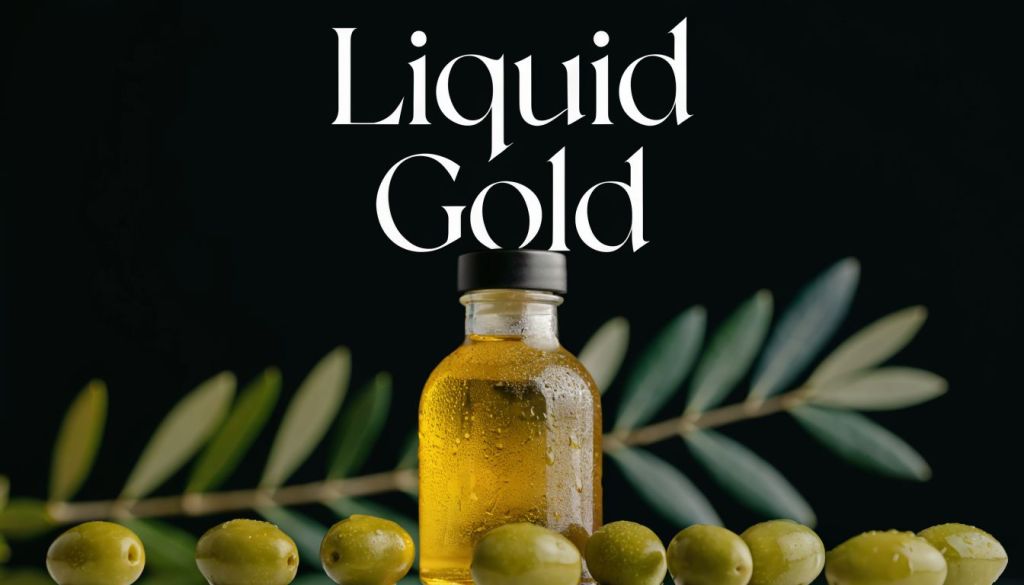
Finding and Protecting Your Bottle of Liquid Gold
At the mill, I can spot the wrong buyer in seconds. He reaches for the prettiest bottle, asks whether the oil is "high polyphenol," and never checks when the olives were picked. That buyer pays for a story. You should pay for freshness.
Start with the harvest date. Always. If a producer will not print it, or answer plainly when asked, leave the bottle on the shelf. Novello is a short-season oil with a short peak. A vague label is a bad sign, not a charming mystery.
The International Olive Council is clear about what serious producers must identify on pack, including origin and labeling standards, and that is the baseline, not a badge of honor. Read those rules here: International Olive Council labeling guidance.
Read the bottle like a producer
Ignore romance words first. "Artisan," "premium," and "limited release" do not tell you whether the oil is young enough to deserve the price.
Check these details in this order:
- Harvest date. This is your first filter.
- Producer name and place. Real producers are specific about grove, mill, or region.
- Packaging. Dark glass or a tin protects the oil. Clear glass sells color and sacrifices quality.
- Lot information. Traceability matters. A producer who can track a batch usually takes the rest seriously.
Cloudiness can signal an unfiltered novello, but do not treat haze as proof of quality. Sediment and suspended water can come with great flavor, and they can also shorten the oil's life. Buy the freshest bottle you can find, then plan to use it with intent. If you want simple food that lets the oil do the talking, Smokey Rebel Mediterranean recipes give you the right kind of canvas.

How to store it without ruining it
Novello needs protection from heat, light, and air. Its unfiltered character makes that even more important. UC Davis Olive Center explains the basics well: cool, dark storage slows flavor loss and preserves quality far better than a warm kitchen display ever will. Read their storage advice here: UC Davis Olive Center olive oil storage guidance.
So keep the bottle in a cool cupboard. Cap it tightly after each use. Keep it away from the oven, the stovetop, and any sunny counter that turns your oil into décor.
If sediment has settled at the bottom, a gentle swirl before serving is enough. No theatrics.
A simple protect-and-use routine
| What to do | Why it matters |
|---|---|
| Buy the newest harvest you can verify | Novello's best character is tied to recency |
| Choose dark glass or tin | Better protection from light |
| Store it cool and shaded | Heat and light strip aroma and bite |
| Use it often after opening | Air works against freshness every day |
The smart buyer is not the one with the fanciest bottle. It is the one with the freshest bottle, a tight cap, and a plan to finish it while it still has teeth.
Bringing Novello to Your Table Simple Culinary Uses
The first time you pour true novello over hot bread, you understand the scam of treating it like ordinary olive oil. The aroma jumps first. Then come artichoke, cut grass, almond, and that peppery catch in the throat that tells you the oil is still alive. If you cook it hard, you flatten the whole experience and pay top money for a whisper.
Use novello as a finishing oil. Save your everyday extra virgin for sautéing and roasting. Novello belongs at the table, raw, where its volatile aromas and sharp, green bite still have something to say.

The dishes that deserve it
Choose food with enough substance to hold the oil, but not so much noise that it buries it.
Grilled bread is the benchmark. A thick slice, rubbed with garlic, sprinkled with salt, then dressed with novello tells you more about the bottle than any label copy ever will. Bean soup works for the same reason. Starch rounds off the bitterness, while the peppery finish keeps the bowl from going dull.
It also excels on steamed greens, grilled fish, white meats, lentils, fresh ricotta, burrata, and plain pasta dressed at the end. If you want dishes built around that kind of restraint, these Smokey Rebel Mediterranean recipes are useful because the ingredients stay clean and the oil still matters.
Pair for contrast, not camouflage
Novello earns its place when it brings tension to the plate.
- Over creamy foods such as cannellini beans or fresh cheese, it cuts the richness.
- Over sweet vegetables like pumpkin, carrots, or roasted onions, it adds bitterness and pepper where the dish needs backbone.
- Over grilled bread it becomes the main flavor, not a garnish.
- Over soups and legumes the rising steam carries the aroma straight to your nose.
Do not pour it into a complicated sauce and call that refined. You lose the freshest part of the oil first, which is exactly the part you bought.
Here’s a quick visual demonstration of simple use done right:
A few combinations I’d recommend without hesitation
Start with these. They show you what novello does best.
Bruschetta with salt only
Toasted bread, garlic if you want it, then a generous pour while the bread is still warm.Cannellini or chickpea soup
Add novello in the bowl, never in the pot.Boiled potatoes with rosemary
Plain food loves serious oil.Grilled sea bass or bream
Finish with novello. Add lemon only if the fish truly needs the acid.Fresh ricotta with black pepper
One spoonful of oil is enough to prove the point.
Ignore vague words like “premium,” “intense,” or even “high polyphenol” when the bottle gives you nothing concrete to verify. In practice, the smarter move is to trust a clearly stated harvest date, proper storage, and a producer willing to tell you cultivar and milling details. The North American Olive Oil Association makes the same broader point in its buying guidance. Freshness and labeling details matter more than marketing poetry: NAOOA olive oil tips for selecting quality bottles
Restraint wins. The simpler the plate, the more novello can show you.
Use it while it still has force, aroma, and sting. This is not the bottle to save for a vague special occasion. Open it, pour it, and catch it near its peak.
 Learn Olive Oil
Leave a comment