Getting Started Without The Guesswork
Making olive oil at home is experiencing a resurgence, fueled by a growing appreciation for artisanal foods and a desire for more control over ingredients. This means more people are discovering the satisfaction of transforming olives, whether from their own trees or local growers, into delicious, high-quality oil. But before you dive into the world of home olive oil production, there are a few important things to consider.
Setting Realistic Expectations
First, it's important to understand that homemade olive oil production isn’t about quantity. Think of it like baking your own bread – the process is fulfilling, but the output is small compared to industrial production. A small batch of olives, for example, might only produce enough oil for a handful of special meals, not a year's supply. That's why appreciating the process and the experience is paramount.
Managing the Mess Factor
Also, be prepared for a little mess. Similar to preparing a big batch of homemade pasta sauce, you can expect some olive residue and oil splatters. Planning ahead by covering surfaces and having cleaning supplies handy will make the entire process more enjoyable. This will help maintain enthusiasm and prevent frustration.
Making olive oil at home, while not a widespread global practice, is influenced by trends in commercial production and consumption. For example, in early 2025, Spain reported a cumulative olive oil production of 1,234,568 tons, with January's production reaching 344,530 tons. This commercial success reflects the increasing demand for olive oil, which may inspire more people to try home production. However, the equipment and knowledge needed for large-scale olive oil production are substantial, making home production more of a specialized hobby. Despite this, home producers can learn from commercial operations, such as choosing the optimal harvest time and using proper pressing techniques to create high-quality oil. Find more detailed information here: Certified Origins
The Importance of Process Over Perfection
Finally, don't be disheartened if your initial attempts don’t match commercially produced oils. Like any new skill, making olive oil at home requires practice. Focus on understanding each stage of the process, from harvesting the olives to pressing them. With each batch, you’ll gain valuable experience and refine your technique, eventually producing oil that is uniquely your own. It’s about the rewarding journey of mastering a traditional craft and creating something truly special.
Essential Tools That Actually Work
Making olive oil at home can feel like a significant undertaking, especially when you start considering the equipment. This section explores the essential tools you'll need for successful home olive oil production. We'll compare budget-friendly options with professional-grade equipment, drawing on the experiences of home producers who have experimented with a range of tools.
Crushing the Olives
The first step in making olive oil is crushing the olives into a paste. This paste is the basis for oil extraction. For very small batches, a mallet and mortar, echoing traditional methods, can be sufficient.
However, a standard food processor becomes a surprisingly effective and readily available tool for slightly larger quantities. Some home producers have even adapted a meat grinder with good results, demonstrating the potential for resourceful improvisation.
Pressing the Paste
Next, you need to press the olive paste to extract the precious oil. This stage is where the investment in equipment can differ considerably. A hydraulic press represents the gold standard for commercial production. However, its high cost generally makes it unsuitable for home use.
A manual screw press offers a good compromise between affordability and effectiveness for home-scale production, although it demands more physical effort. Some inventive home producers have even modified a bottle jack to apply the necessary pressure, proving you don't always need specialized equipment to achieve decent results.
Other Essential Tools
Beyond the core crushing and pressing equipment, several other tools are essential. Fine-mesh strainers or cheesecloth are necessary for filtering out larger particles from the freshly pressed oil.
Storage containers, ideally dark glass bottles, are crucial. These protect the oil from light and oxidation, preserving its quality and extending its shelf life.
A reliable thermometer is also highly beneficial, enabling you to monitor temperatures during the process. This is particularly useful during malaxation (mixing the paste) for optimized oil extraction. Proper maintenance and storage of all your equipment are essential for consistent results and extending the lifespan of your tools.
To help you choose the right equipment, we've compiled a comparison table below:
Home Olive Oil Equipment Comparison
This table compares different equipment options for home olive oil production, considering factors like cost, capacity, and ease of use.
| Equipment Type | Cost Range | Capacity | Ease of Use | Oil Quality |
|---|---|---|---|---|
| Mallet & Mortar | Low | Very Small | Easy | Low-Medium |
| Food Processor | Low-Medium | Small-Medium | Easy | Medium |
| Meat Grinder | Low-Medium | Small-Medium | Medium | Medium |
| Manual Screw Press | Medium-High | Medium | Medium | High |
| Hydraulic Press | High | High | Medium | High |
| Modified Bottle Jack | Low | Small | Difficult | Medium-Low |
As you can see, the best equipment for you will depend on your budget, the amount of oil you want to produce, and your comfort level with different tools. While a hydraulic press offers the highest quality oil, a manual screw press or even a modified bottle jack can be a good starting point for home production. Remember to consider the other essential tools as well to ensure a smooth and successful oil-making process.
Choosing Olives That Transform Into Great Oil
Not all olives are created equal when it comes to crafting homemade olive oil. Understanding this is fundamental for a successful batch. This section will guide you in selecting the perfect olives for oil extraction, whether you're harvesting from your own olive trees or buying them locally.
Timing Is Everything
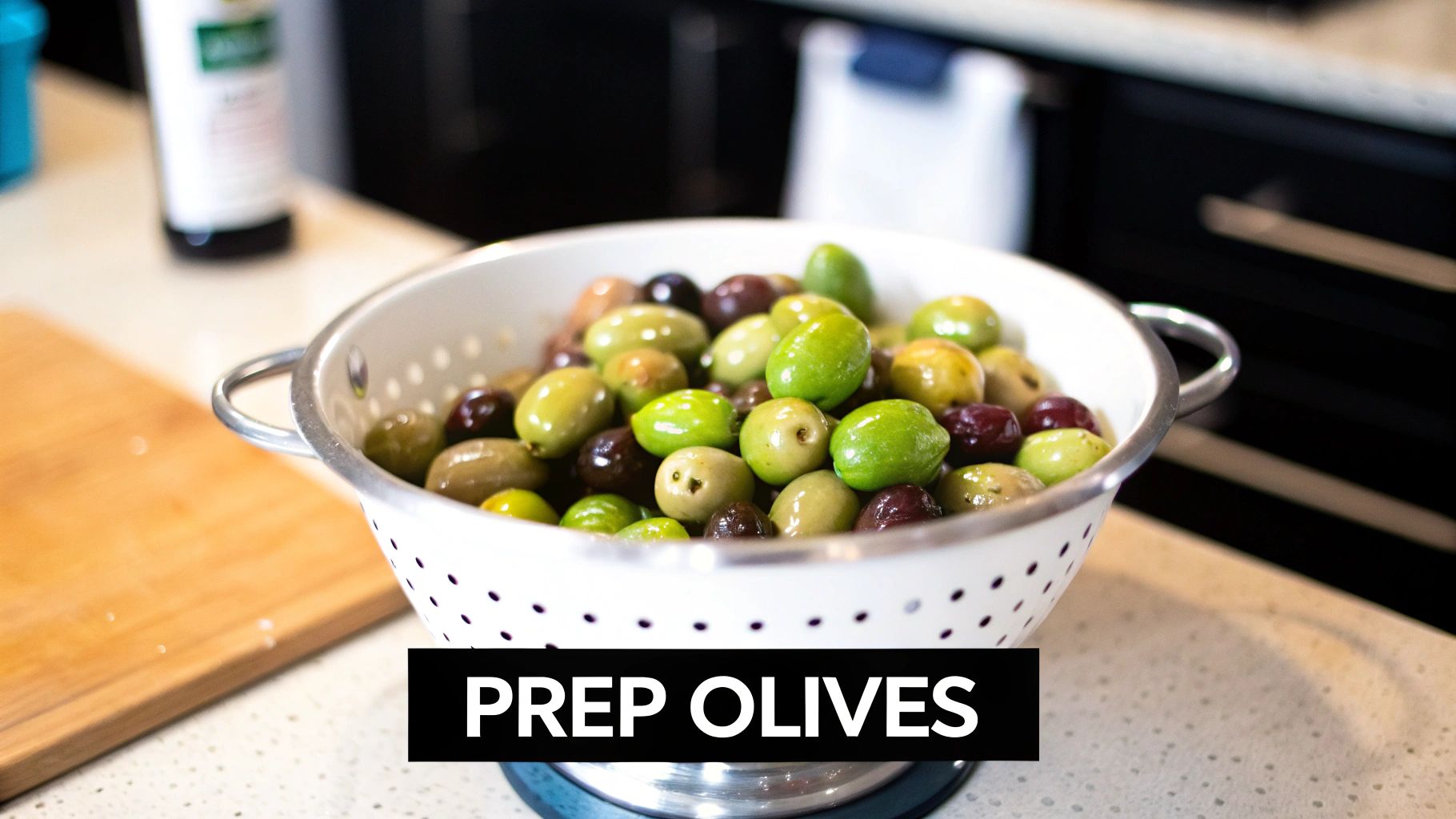
Just as commercial producers carefully time their harvests, home producers should too. The optimal harvest window greatly impacts the oil's quality and yield. Olives at peak ripeness, exhibiting a deep color shift from green to purple-black, generally offer the highest oil yield and richest flavor.
However, slightly underripe olives can produce an oil with a more peppery, vibrant character. These subtleties allow for customization based on your personal taste preferences. Consider what flavors you enjoy most in your olive oil and adjust your harvest timing accordingly.
Variety and Flavor Profiles
Different olive varieties, much like grapes for winemaking, produce distinct flavor profiles. Arbequina olives, for example, tend to yield a mild, buttery oil. Koroneiki olives, on the other hand, are known for their robust, peppery notes.
Experimenting with different varieties allows you to discover the nuances of each and identify your favorites. A blend of Arbequina and Koroneiki, for instance, could create a balanced flavor profile, combining the mildness of one with the peppery kick of the other.
Assessing Olive Quality
The condition of your olives matters significantly. Look for firm, blemish-free olives without any bruising or damage. Even if you select a prized variety, damaged olives will negatively impact the final product. The oil content within the olive, not just its size, directly affects your yield.
Plumper olives generally contain more oil, resulting in a greater output from your pressing efforts. Pay close attention to the olive's texture and appearance when making your selection. This careful observation will ensure a higher quality end product.
Storing Fresh Olives
If you're not pressing your olives immediately, proper storage is essential. Freshly picked olives should be stored in a cool, dry place for a short duration, ideally no more than a few days. This helps preserve their quality for oil extraction.
For purchased olives, assess their quality upon arrival. Look for vibrant color and firmness. Any signs of spoilage will carry over to your finished oil. Think about how storing other fresh produce impacts flavor—a bruised apple, for example—to understand the importance of careful handling and storage.
The Extraction Process That Actually Works
Transforming fresh olives into delicious oil at home is a meticulous, multi-step process rooted in tradition. This section details each stage, offering practical guidance and troubleshooting tips for a successful outcome.
Crushing the Olives
The first step is crushing the olives into a paste. This breaks down the olive cell walls, releasing the precious oil within. While traditional methods use a mortar and pestle, a food processor is a convenient modern alternative. The goal is a coarse paste. Over-processing creates a dense mixture that's difficult to press. Think of it like making guacamole—you want some texture, not a smooth puree.
Malaxation: The Mixing Stage
Next, the olive paste undergoes malaxation, a gentle mixing process. This encourages the small oil droplets to combine into larger ones, making extraction easier and maximizing oil yield. Maintaining a temperature between 75-85°F (24-29°C) during malaxation is critical. This warm temperature, like a pleasant summer day, helps the oil separate without compromising its delicate flavor.
Pressing the Paste
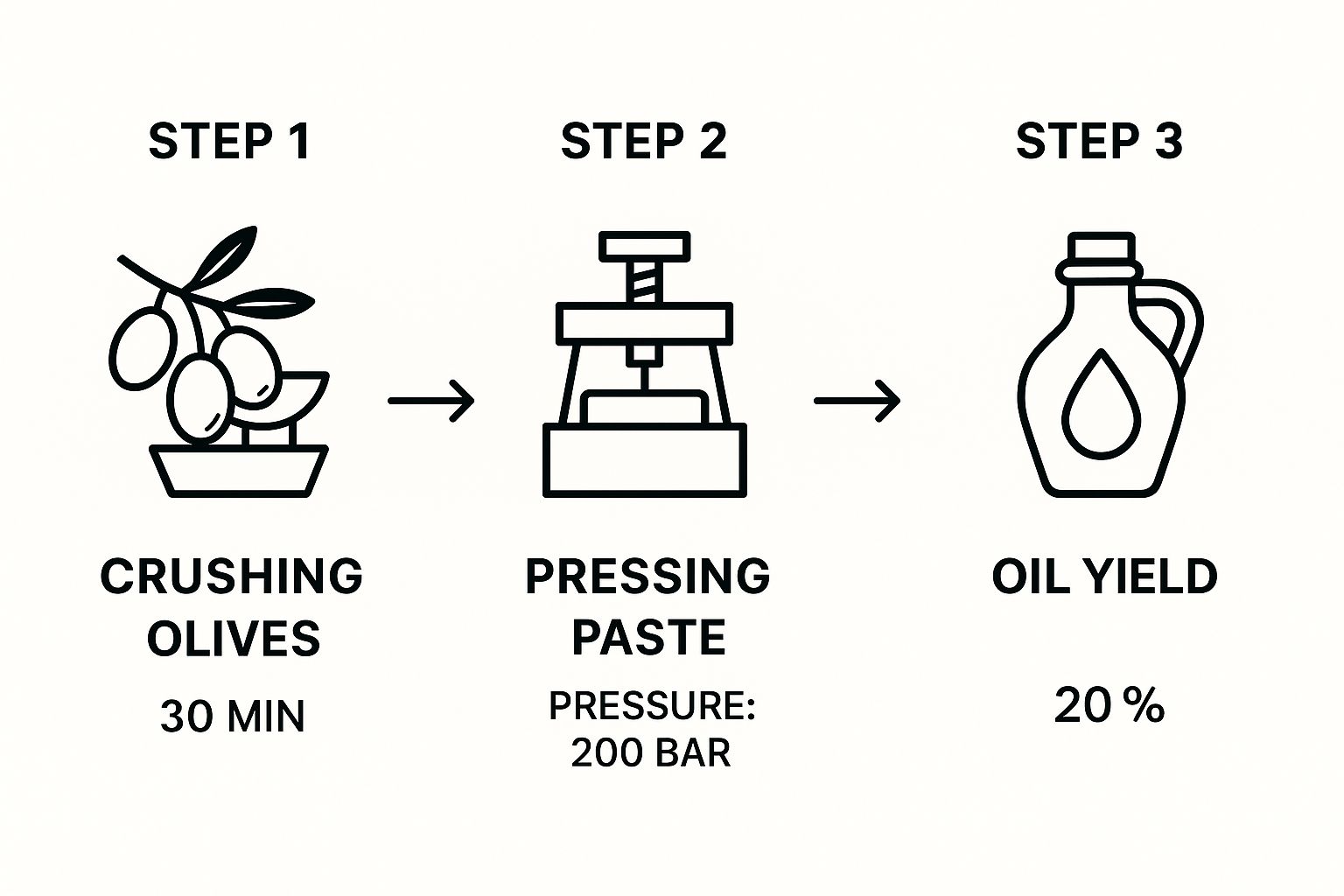
The infographic above illustrates the home olive oil production process, from crushing to the final product. It highlights the crushing duration (30 minutes), the pressing pressure (200 bar), and the expected yield (20%). A manual screw press, readily available for home use, effectively separates the oil from the pulp. Apply pressure gradually. Excessive force can introduce bitterness from the pits and skin. This measured approach ensures higher quality oil. The infographic indicates a typical yield of 20%. This means 10 pounds of olives could produce about 2 pounds of oil.
Temperature and Timing Considerations
Temperature control throughout the entire process is crucial. Excessive heat degrades the oil's quality, leading to off-flavors. Much like burning butter ruins its taste, overheating olive oil during extraction compromises its delicate profile. Each stage, from crushing to pressing, demands attention to time and temperature to optimize extraction and preserve the oil's fresh, fruity characteristics.
Troubleshooting and Recognizing Maximum Yield
Sometimes, the extraction process encounters challenges. Low yield, cloudy oil, or undesirable flavors can occur. Don't give up! Adjusting the malaxation time, verifying proper temperature control, or checking the olive quality can often resolve these issues. Learning to recognize maximum oil extraction is important. Pushing beyond this point can decrease quality instead of increasing quantity. This knowledge, gained through practice, becomes an invaluable skill in crafting the perfect homemade olive oil.
Understanding The Growing Appeal Of Home Olive Oil Production
Making olive oil at home might seem like a challenging endeavor, but its popularity is on the rise. This increasing interest comes from a variety of interconnected factors, from seeking better control over food quality to the simple pleasure of creating something special. Let's explore the motivations behind this growing trend and how it fits into larger cultural changes.
Cultural Influences and Regional Consumption
Cultural appreciation for olive oil is a major factor in the appeal of home production. In regions with strong olive oil traditions, such as the Mediterranean, making olive oil at home is a way to preserve heritage and connect with culinary roots. But the interest goes beyond tradition. Olive oil consumption itself varies significantly across the globe, influencing the appeal of home production.
Japan and Brazil, for instance, have relatively low per capita consumption at just 0.4 kg per person. The United States and Canada consume more, at 1.1 kg and 1.2 kg respectively. Countries with higher consumption rates, like those in the Mediterranean, may show more interest in home production due to their existing familiarity with olive oil. Learn more about olive oil consumption trends. This global interest reflects a growing appreciation for artisanal foods.
Community and Resources for Home Producers
The availability of resources also contributes to the increased interest. Online communities and educational platforms offer valuable information, linking home producers with experienced individuals willing to share their expertise. This exchange creates a supportive community and helps individuals begin their own olive oil making journey. These readily available online resources make the traditional craft of olive oil production accessible to more people.
Food Sovereignty and Control Over Ingredients
The growing movement towards food independence is another important driver. Making olive oil at home gives individuals more control over ingredients and production methods, allowing them to choose exactly how their food is made. This control is particularly attractive in a world with increasing supply chain complexities and a focus on transparency. Home-produced oil complements, rather than replaces, commercially bought olive oil, adding a personalized touch to cooking.
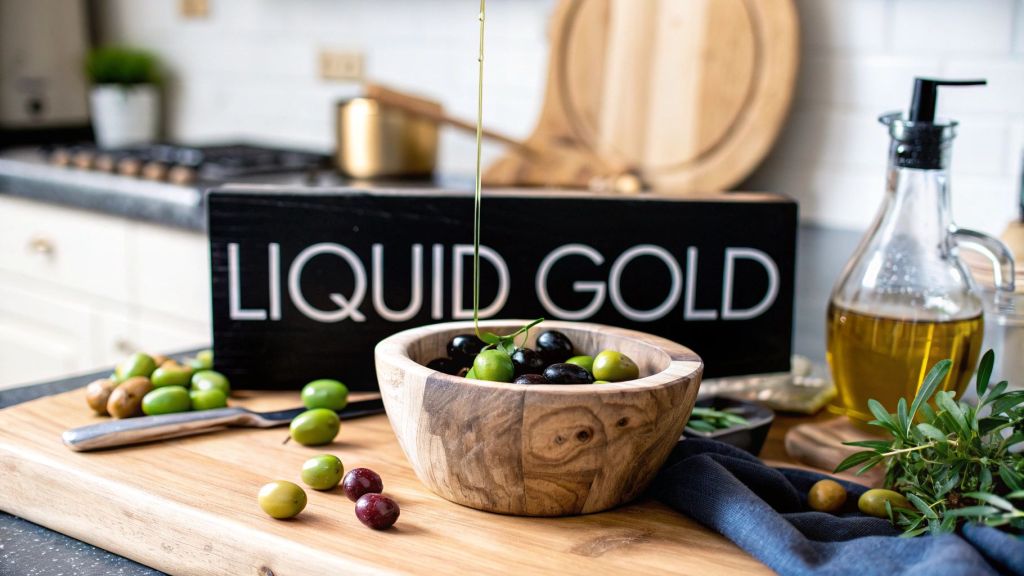
The Personal Satisfaction of Crafting "Liquid Gold"
Finally, the deep satisfaction of creating your own olive oil shouldn't be underestimated. The entire process, from harvesting the olives to pressing the oil, offers a hands-on and rewarding experience. This connection to the food source fosters a greater sense of appreciation. Being able to customize the flavor profile by choosing specific olive varieties and controlling the production process further adds to the appeal. The end result is a unique product, infused with personal passion and effort, unlike anything found on store shelves.
Preserving Quality Through Proper Storage
Successfully extracting olive oil at home is a rewarding experience. But improper storage can quickly spoil even the finest oil. This section offers a guide to preserving the quality and deliciousness of your homemade olive oil, ensuring it lasts for months to come.
Filtering and Settling: Clarifying Your Oil
Freshly pressed olive oil contains sediment and tiny fruit particles. While not harmful, these can cloud the oil and potentially reduce its shelf life. Filtering removes these particles. A fine-mesh strainer lined with cheesecloth is an effective tool for home filtering.
Let gravity do its work. Allow the oil to settle for a few days in a cool, dark location. This allows heavier particles to sink. Then, carefully decant the clear oil into your chosen storage container.
Choosing the Right Storage Container
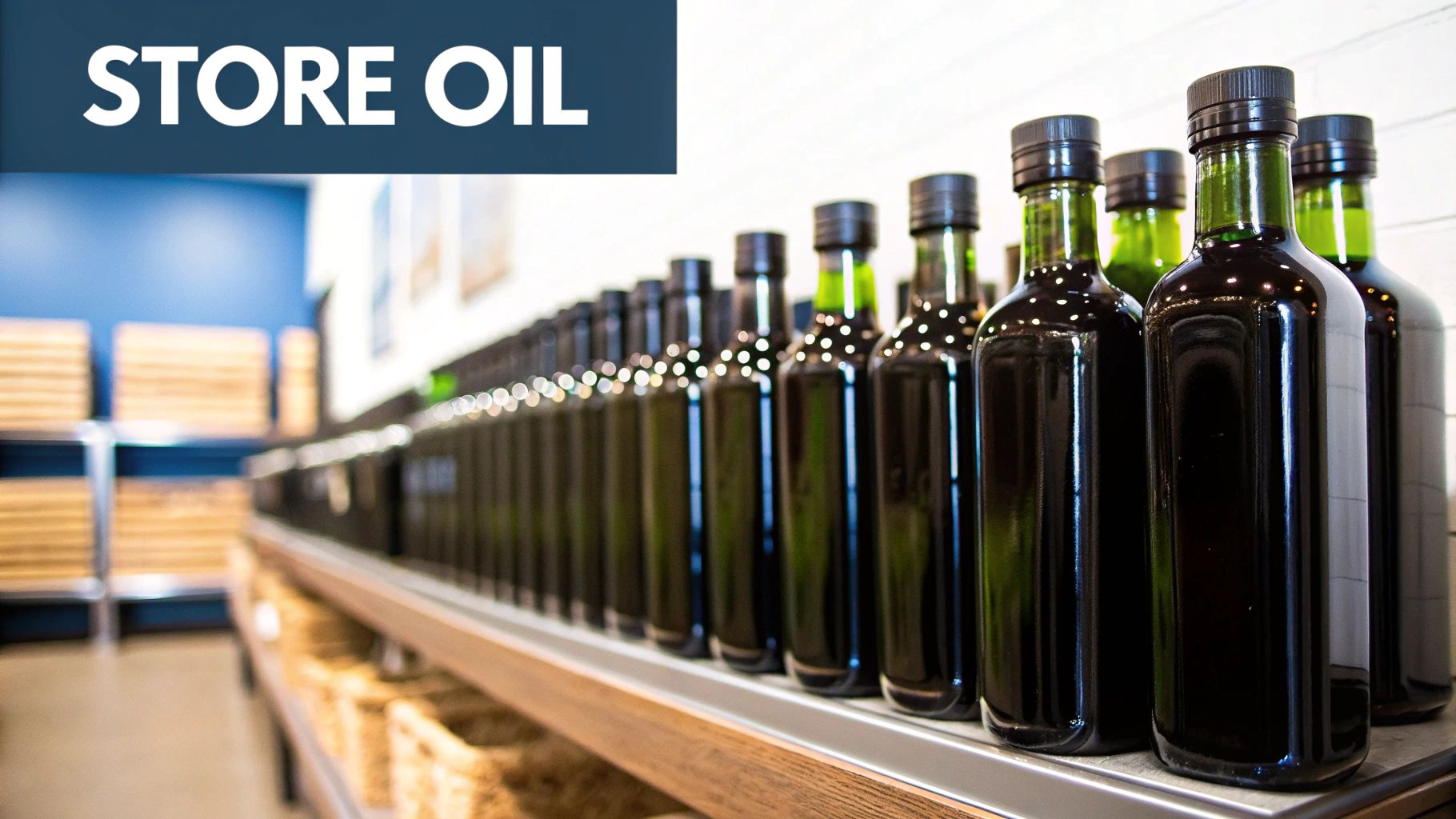
The storage container you choose is vital for maintaining quality. Opt for dark-colored glass bottles. These protect the oil from light, a major contributor to spoilage.
Light exposure accelerates oxidation, leading to rancidity. Much like wine stored in tinted glass, olive oil benefits from this protection. Airtight containers minimize oxygen exposure, further slowing oxidation.
Optimal Storage Conditions: Temperature, Light, and Humidity
Proper storage conditions are essential for extending the shelf life of your olive oil. Temperature, light, and humidity are key factors. Store your oil in a cool, dark place, ideally between 57-68°F (14-20°C).
Avoid storing oil near the stove or other heat sources. Temperature fluctuations can hasten degradation. Keep it away from direct sunlight and bright artificial light. Think of ideal wine cellar conditions – similar principles apply to olive oil.
Assessing Oil Quality Over Time
Even with proper storage, olive oil naturally degrades over time. Regularly check your oil for signs of spoilage. Off-flavors, cloudiness, or a rancid smell are all indicators.
Simple home testing includes tasting a small amount or checking for unusual sediment. Like judging the ripeness of fruit, observing your oil’s aroma and appearance helps gauge its quality.
Bottling for Long-Term Storage and Gift-Giving
Smaller, airtight containers are ideal for long-term storage and gift-giving. They help preserve freshness. Attractive bottles and custom labels personalize your gifts. Sharing your homemade olive oil makes a truly special present.
Comparing Storage Methods
To understand the impact of different storage methods, let's look at the table below. It compares various approaches and their effect on olive oil quality and longevity.
| Storage Method | Container Type | Shelf Life | Quality Retention | Cost |
|---|---|---|---|---|
| Ideal | Dark Glass, Airtight | 18-24 months | Excellent | Low |
| Acceptable | Stainless Steel, Airtight | 12-18 months | Good | Medium |
| Not Recommended | Clear Glass | 6-12 months | Fair | Low |
| Avoid | Plastic | <6 months | Poor | Very Low |
This table clearly highlights the importance of dark, airtight containers for optimal long-term storage. While stainless steel offers a good alternative, clear glass and plastic containers significantly reduce both shelf life and quality.
By following these storage guidelines, you can enjoy the fruits of your labor—fresh, flavorful homemade olive oil—for many months. Making olive oil at home isn't just about the process; it’s about enjoying the highest quality end product.
Troubleshooting And Maximizing Your Results
Making olive oil at home is a fulfilling endeavor, but it can present challenges. Even experienced home producers occasionally encounter difficulties. This section addresses common issues and offers practical solutions, helping you refine your technique and maximize your olive oil yield.
Common Problems and Solutions
-
Disappointing Oil Yields: Low oil yield can be discouraging. Several factors contribute to this, including underripe olives, insufficient crushing, or ineffective malaxation (the slow mixing or kneading of the crushed olives). Ensure your olives are fully ripe, displaying a rich, deep color. Crush the olives thoroughly into a paste to break down the cell walls. Maintain a steady temperature during malaxation, ideally around 75-85°F / 24-29°C, to promote oil separation.
-
Off-Flavors: Unpleasant flavors can negatively impact your olive oil. Rancidity, often caused by oxidation, results in a stale taste. Bitterness can arise from crushing the olive pits or improper oil storage. Store fresh olives properly and process them quickly. Use dark glass bottles to minimize light and oxygen exposure during storage. Avoid excessive heat during processing, which can also contribute to off-flavors.
-
Cloudy Oil: Cloudiness in olive oil is typically due to suspended particles and water. Although not harmful, it affects the oil's appearance and can reduce shelf life. Allow the oil to settle naturally in a cool, dark location. The particles will gradually sink. Carefully decant the clear oil, leaving the sediment behind. Filtering through cheesecloth can further improve clarity.
-
Equipment Problems: Mechanical issues can disrupt production. Regular maintenance is crucial. Clean your equipment thoroughly after each use. Inspect parts for wear and tear, and lubricate moving parts as needed. Ensure your press is functioning properly and applying even pressure.
Advanced Techniques for Improving Extraction Efficiency
-
Extended Malaxation: Thoughtfully increasing the malaxation time can enhance oil separation. However, be mindful of over-malaxation, as it can introduce undesirable flavors.
-
Double Pressing: After the initial pressing, some oil remains in the pomace (the olive pulp). A second pressing, after adding a small amount of warm water, can extract additional oil. However, the oil from the second pressing often has a lower quality.
Quality Enhancement Methods Using Simple Home Testing
-
Taste Test: Regularly taste your olive oil. This simple check can detect early signs of rancidity or other off-flavors, enabling you to adjust storage or use the oil promptly.
-
Sediment Check: Regularly check your stored oil for sediment. This can be an indicator of oxidation or spoilage.
Seasonal Considerations
Temperature changes can impact olive oil quality. In colder months, ensure your processing area is sufficiently warm to facilitate malaxation and oil flow. During warmer months, take care to prevent overheating the olives.
Scaling Up Production and Connecting with Other Home Producers
As you gain expertise, you might consider increasing your production. Investing in higher-capacity equipment might be beneficial. Connecting with other home producers offers a valuable network for sharing knowledge, troubleshooting, and celebrating accomplishments. Online forums and local groups offer opportunities to connect with other enthusiasts.
Making olive oil at home is a continuous journey of learning. Embrace the challenges, experiment with techniques, and relish the process of creating your own olive oil. To further your olive oil education and discover premium oils from around the world, visit Learn Olive Oil. This resource provides valuable information on selecting, tasting, and using high-quality olive oil, deepening your appreciation for this culinary gem.


Leave a comment