Picture the sun-drenched coasts of the Mediterranean. Imagine tables laden with fresh fish, vibrant vegetables, and hearty whole grains. It’s an idyllic scene, but it’s missing the most important character in the story.
The true hero of this celebrated way of eating isn't a category of food, but a single, phenomenal ingredient: pure, high-quality olive oil. This isn’t just another diet. It’s a blueprint for a long and vibrant life, and olive oil is its golden, beating heart.
The Keystone of Mediterranean Eating
For thousands of years, people living in the seaside villages of Italy, Greece, and Spain have understood a profound secret to good health. It has nothing to do with trendy superfoods, calorie counting, or punishing restrictions. It comes down to the generous, daily use of olive oil. It is not an afterthought or a mere dressing; it is the soul of their cuisine.
Think of the Mediterranean diet as a magnificent stone arch, the kind that has stood for centuries. The individual stones are all the healthy components we know and love—the fresh produce, the legumes, the fish. But what holds it all together? What gives that arch its incredible, enduring strength?
It’s the keystone.
In the Mediterranean diet, olive oil is that keystone. Remove it, and the entire structure loses its integrity, its power, and its purpose.
This Is Not Just Another “Good Fat”
So many modern diets are built on a foundation of deprivation. They tell you what you must cut out, leaving you feeling hungry and dissatisfied. The olive oil Mediterranean diet turns that miserable philosophy on its head. It’s all about what you add—specifically, the rich, life-giving monounsaturated fats found in abundance in extra virgin olive oil.
This is more than just swapping your butter for oil. It’s a revolutionary shift in how you view food. It’s about finally understanding that fat isn't the enemy; the kind of fat you consume is what makes all the difference. This simple yet powerful distinction is what makes this way of eating so deeply satisfying and ridiculously easy to maintain for life.
The magic of the Mediterranean diet isn't in one miracle ingredient, but in the symphony they create together. Olive oil is the conductor, unlocking the full nutritional potential of the vegetables and other whole foods it’s paired with—all while making them taste absolutely divine.
Fuel for a Life of Vigor
In the Mediterranean, olive oil's role is woven into the very fabric of daily life. It is a symbol of hospitality, a link to tradition, and a celebration of well-being. This deep cultural reverence transforms healthy eating from a chore into a joyful, natural part of every day.
The health benefits that flow from this lifestyle are not just folklore; they are well-documented and astonishing.
- A Fortified Heart: The monounsaturated fats in olive oil are legendary for their ability to support cardiovascular health, primarily by helping to maintain healthy cholesterol levels already within a normal range.
- A Sharper Mind: True, high-quality olive oil is brimming with anti-inflammatory compounds and nutrients thought to shield the brain and support keen cognitive function as we age.
- Effortless Weight Management: By prioritizing satisfying, nutrient-dense foods and healthy fats, this approach helps you feel full and energized, making it easier to maintain a healthy weight without the misery of constant hunger.
Ultimately, to adopt the olive oil Mediterranean diet is to embrace a proven formula for long-term health. And it all begins with one crucial realization: this ancient, golden liquid isn't just part of the diet—it is the diet. It is your key to a more vibrant and healthier life.
Why Extra Virgin Olive Oil Is Liquid Gold
Walk down any grocery store aisle and you’re met with a bewildering wall of choices. Bottles labeled ‘pure,’ ‘light,’ and ‘extra virgin’ scream for your attention. If they all come from olives, it’s easy to think the difference is trivial. But the truth is, not all olive oils are created equal.
One stands in a class entirely of its own.
Extra Virgin Olive Oil, or EVOO, is the undisputed champion, the one true pillar of the olive oil Mediterranean diet. The secret isn't just in the olives, but in the ancient, unadulterated process. EVOO is nothing more than the pure juice extracted from fresh olives, cold-pressed without the use of heat or chemicals. That's it.
Think of it this way: what’s the difference between a glass of fresh-squeezed orange juice and a processed concentrate from a can? One is alive, bursting with nutrients and vibrant flavor. The other has been heated, refined, and stripped of its natural essence. That distinction is everything.
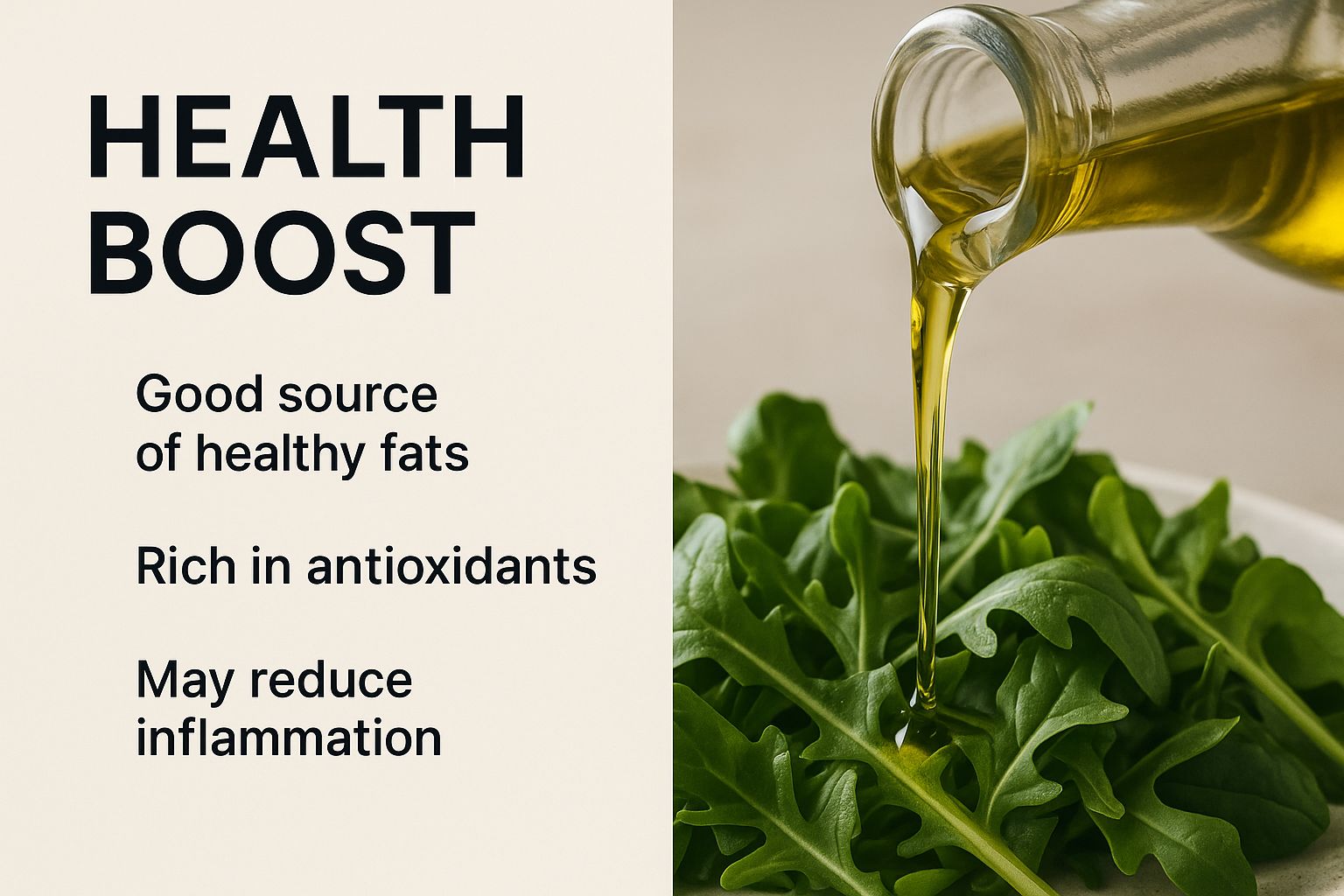
This simple act of choosing the right oil provides a direct, powerful health advantage to every single meal you prepare.
The Hidden Power of Polyphenols
What truly elevates EVOO to "liquid gold" status are potent micronutrients called polyphenols. These natural compounds are formidable antioxidants, and they are the source of EVOO's legendary health-giving properties. Because EVOO is unrefined, it retains the highest concentration of these delicate compounds, which are incinerated by the heat and chemical processing used to make lesser ‘light’ or ‘pure’ olive oils.
These polyphenols are the tiny guardians of your health. They work at a cellular level, helping to combat oxidative stress and fight inflammation—two of the primary villains behind many chronic health issues.
It's this high polyphenol content that gives authentic EVOO its characteristic peppery finish—a slight, satisfying burn at the back of your throat. This isn't a flaw; it's the signature of a high-quality, health-promoting oil. The more peppery the oil, the more potent its benefits.
Decoding the Labels: A Simple Guide
Understanding the labels is your first line of defense in choosing wisely. These terms aren't marketing fluff; they represent fundamentally different products with dramatically different health profiles.
Here's a quick breakdown to cut through the confusion.
Decoding Olive Oil: What the Labels Really Mean
A clear comparison of common olive oil types to help you make the best choice for your health and kitchen.
| Oil Type | Processing Method | Key Characteristics (Flavor & Health) | Best Culinary Use |
|---|---|---|---|
| Extra Virgin (EVOO) | Cold-pressed, no heat or chemicals. | Fruity, peppery, grassy flavors. High in antioxidants (polyphenols). Acidity below 0.8%. | Salad dressings, drizzling, dipping, sautéing, and even low-heat baking. |
| Virgin | Cold-pressed, no heat or chemicals. | Milder flavor than EVOO. Fewer antioxidants. Acidity up to 2.0%. | Good for general cooking, but lacks the robust health benefits and flavor of EVOO. |
| 'Pure' or 'Light' | Refined with heat and chemicals. | Neutral, bland flavor. Very low in antioxidants. Offers monounsaturated fats but little else. | High-heat cooking where you don't want any olive flavor, but better oils exist. |
| Olive Pomace Oil | Extracted from leftover pulp using solvents. | Very low quality. Lacks flavor and nutrients. | Best to avoid this one entirely for home cooking. |
For anyone serious about embracing the Mediterranean diet, EVOO isn't just an option—it's a non-negotiable cornerstone. To truly appreciate its quality, you can even learn how to taste olive oil like an expert, distinguishing the fruity, bitter, and pungent notes that signal a superior product. This is how you ensure you're getting the real liquid gold.
The Science Behind a Healthier Heart and Mind
The Mediterranean diet's reputation for promoting a long, healthy life isn't just charming folklore. It’s built on a mountain of solid scientific evidence, and olive oil is the bedrock. The connection between a daily habit of using quality olive oil and a long list of health benefits is direct, clear, and utterly convincing.
Let's begin with the heart. For years, we were programmed to fear fat. We now know that was a catastrophic mistake. It's the type of fat that matters. Extra virgin olive oil is loaded with monounsaturated fats, which act like a skilled maintenance crew for your entire cardiovascular system.
Instead of clogging your arteries like saturated and trans fats do, these healthier fats help keep them clear and flexible. They work to lower "bad" LDL cholesterol while preserving the "good" HDL cholesterol—a powerful one-two punch for protecting your heart and slashing the risk of cardiovascular disease.
Guarding Your Most Vital Organ
Think of your arteries as busy highways. The wrong foods create plaque-filled traffic jams, leading to high blood pressure and other serious problems. The monounsaturated fats in olive oil are like expert traffic controllers, keeping everything flowing smoothly.
This is a primary reason why cultures that adhere to a traditional olive oil Mediterranean diet consistently exhibit lower rates of heart disease. It’s not magic; it’s the simple, repeatable result of making a smarter fat the foundation of every meal.
This growing global awareness is reflected in market trends. The global olive oil market is projected to skyrocket from $19,416.85 million in 2024 to $30,631.81 million by 2032. According to Fortune Business Insights, this surge is driven by more people seeking out healthier fats and embracing Mediterranean-style eating.
A Shield for Your Brain
But the benefits don't stop with your heart. The same properties that protect your cardiovascular system also play a critical role in safeguarding your mind. Your brain is composed of nearly 60% fat, so the fats you eat directly impact its structure and function.
EVOO is also packed with powerful antioxidants, like polyphenols and vitamin E. These compounds are fantastic anti-inflammatory agents that help shield your brain cells from the damage caused by oxidative stress—a natural process that accelerates aging.
Think of these antioxidants as a protective shield, deflecting the daily damage that can eventually lead to cognitive decline. By calming inflammation, olive oil helps create a healthier environment for your brain to thrive, supporting sharp memory and focus for years to come.
Regularly consuming olive oil has been linked to a lower risk of cognitive decline and neurodegenerative diseases. It literally nourishes the brain, helps maintain the integrity of its cell membranes, and supports the complex signaling that governs our thoughts and emotions.
To get a better handle on how these components work together, it helps to see the full nutritional breakdown. Our guide to olive oil nutrition facts details the specific vitamins and fats that make it such a powerhouse for both body and mind.
The science is clear. Adding high-quality olive oil to your diet delivers a one-two punch for long-term health by protecting both your heart and your brain. It's a simple, delicious investment in your future well-being, backed by both ancient wisdom and modern research. This makes the olive oil Mediterranean diet one of the most effective and enjoyable paths to a healthier life.
Choosing Your Olive Oil Like a Mediterranean Local
Walking into the olive oil aisle can feel like navigating a minefield. You're confronted by a sea of green bottles, elegant labels, and so many claims that picking the right one feels like a complete shot in the dark. But for the people who truly live the olive oil Mediterranean diet, choosing a bottle is second nature—and it can be for you, too.
It’s not about grabbing the most expensive bottle. It’s about learning to read the story each bottle tells. The secret? Ignore the flashy marketing on the front label and flip it around to read the fine print.
That's where the truth resides. The details on the back are what separate the genuinely healthy, high-quality oils from the imposters.
Reading the Label Like an Expert
Think of an olive oil label as its passport. It reveals its origin story, its birthday, and its pedigree. The single most important detail to locate is the harvest date. Olives are a fruit, which means olive oil is essentially fresh-pressed fruit juice. Freshness is everything.
You want a harvest date from within the last year. A "best by" date can be deceptive, as it's often set two years after bottling, not when the olives were picked. An oil with no harvest date is a giant red flag. You wouldn't buy milk without an expiration date, would you?
Next, find the country of origin. The magic of the Mediterranean diet is deeply connected to its terroir, and the best oils hail from these historic regions. Spain, for example, is on track to produce an estimated 1.29 million tons for the 2024/25 season, a massive 51% jump from the previous year. You can find more global market insights on Critida.com. Truly authentic oils will proudly list a single country, or even a single estate, as their origin.
Be wary of vague phrases like "Packed in Italy" or "Product of the Mediterranean." This often means oils from different countries were blended together and bottled elsewhere, which compromises both quality and traceability. Real quality is specific.
Quality Seals and Packaging Matter
To be certain you're getting the real deal, look for official quality seals. These certifications act as a guarantee that the oil meets rigorous standards of production.
- PDO (Protected Designation of Origin): This seal confirms the oil was grown, pressed, and bottled in one specific geographical area using traditional methods.
- PGI (Protected Geographical Indication): This tells you that at least one step of the production process occurred in the designated region.
These seals are a mark of regional pride and a promise of quality. Also, always, always choose oil packaged in a dark glass bottle or a tin. Light is a brutal enemy of olive oil; it rapidly destroys the very polyphenols that deliver its incredible health benefits. A clear bottle might look pretty, but it's a dead giveaway that the producer isn't serious about protecting what's inside.
Common Myths to Ignore
Finally, let’s bust a couple of common myths. The color of olive oil, whether brilliant green or soft gold, says nothing about its quality. Color is simply determined by the olive varietal and its ripeness at harvest, not its antioxidant level.
Another misconception is that all extra virgin olive oils are the same. As you now see, everything from the harvest date to the country of origin creates a vast spectrum of quality. To learn even more, check out our in-depth guide on how to choose olive oil. Once you have this knowledge, grocery shopping transforms from a guessing game into a confident choice, ensuring you bring home an oil that truly benefits your health and elevates your food.
Bringing the Mediterranean Philosophy Into Your Kitchen
Adopting the olive oil Mediterranean diet isn't about memorizing complex recipes. It’s about a profound shift in mindset, a new way of thinking about flavor. The goal is to make one simple, powerful change: letting high-quality extra virgin olive oil become the undisputed star of your kitchen.
This is not a call for a radical, overnight culinary overhaul. Think of it as an invitation to see olive oil not just as a salad dressing, but as your new go-to for sautéing, the secret to more flavorful baking, and the perfect finishing touch on almost any dish imaginable.
The idea is to make its use so instinctive that you reach for the bottle without a second thought. This one small habit can completely transform your meals, loading them with both incredible taste and deep nourishment.
Start Your Day the Mediterranean Way
You can begin weaving this healthy fat into your life from the moment you wake up. Breakfast is the perfect opportunity to replace less healthy fats, like butter and margarine, with the liquid gold of EVOO.
Take your morning toast. Instead of spreading it with butter, try a generous drizzle of a fruity olive oil over a thick slice of whole-grain bread. Top it with smashed avocado, a pinch of sea salt, and a few red pepper flakes. In an instant, you've created a breakfast that’s not just delicious, but also loaded with fiber and heart-healthy monounsaturated fats.
Here are a few other simple morning ideas:
- For Eggs: Drizzle olive oil in the pan before scrambling, or finish fried eggs with a swirl of peppery EVOO just before serving.
- With Yogurt: A light drizzle of a delicate olive oil over plain Greek yogurt with honey and walnuts adds a surprising, wonderful richness.
- In Oatmeal: A single teaspoon of olive oil stirred into your morning oatmeal gives it a silky texture and an extra dose of healthy fats to keep you full longer.
Elevate Your Everyday Cooking
The true beauty of the olive oil Mediterranean diet lies in how seamlessly it integrates into your everyday cooking. It’s time to banish the myth that you can't cook with extra virgin olive oil. A quality EVOO has a smoke point around 375-410°F (190-210°C), making it perfectly safe and effective for the vast majority of home cooking.
Sautéing is where olive oil truly shines. Gently warming garlic and onions in a pool of EVOO is the foundational first step in countless Mediterranean recipes, building a base of flavor that is both aromatic and deeply satisfying. That simple technique is the beginning of a beautiful pasta sauce, a hearty soup, or a vibrant vegetable side dish.
The philosophy is simple: wherever you would have used another oil or butter, use extra virgin olive oil instead. This single decision is the most impactful step you can take toward a healthier, more flavorful way of eating.
This approach doesn't just add incredible depth to your food; it also infuses every bite with powerful antioxidants. To get a better sense of what this means for your body, our guide explores the many olive oil health benefits in much more detail.
The Art of the Finishing Drizzle
Perhaps the easiest and most transformative habit you can adopt is using EVOO as a finishing oil. A final drizzle of a high-quality, flavorful oil just before serving can elevate a simple dish into something truly special.
This is where the oil’s unique personality—its peppery kick, its grassy notes, or its fruity sweetness—takes center stage. The gentle heat from the food releases the oil’s complex aromas, adding a layer of flavor and richness you simply can't achieve through cooking alone.
Try it on these simple dishes:
- Soups and Stews: A swirl of robust EVOO over a bowl of lentil soup or bean stew adds a luxurious, velvety finish.
- Grilled Meats and Fish: Drizzle it over freshly grilled chicken or fish to add moisture and a final burst of fresh flavor.
- Roasted Vegetables: Toss broccoli, asparagus, or bell peppers with olive oil before roasting, then anoint them with another light drizzle just before they hit the table.
- Pasta and Grains: A humble bowl of pasta or quinoa is transformed with a generous pour of EVOO, some fresh herbs, and a little grated cheese.
By embracing these simple techniques, you begin to weave the olive oil Mediterranean diet into the very fabric of your daily life. It ceases to be about following rules and becomes a joyful, delicious, and profoundly healthy way to cook and eat.
More Than Food: A Commitment to Lifelong Wellness
The real magic of the olive oil Mediterranean diet extends far beyond your plate. It is not a diet in the modern sense, but a lifelong commitment to a more vibrant, healthier you. It is a complete philosophy of wellness, honed and perfected over centuries.
This is not about deprivation or strict rules. It is about abundance. It is about indulging in incredible flavors, sharing meals with people you love, and truly nourishing your body from the inside out. The core shift is breathtakingly simple: make high-quality extra virgin olive oil your primary source of fat.
That one change ignites a powerful chain reaction. You will naturally find yourself eating more fresh vegetables, lean proteins, and whole grains. At the same time, you are infusing every meal with a potent dose of heart-healthy fats and protective antioxidants.
Your Invitation to a Healthier Life
Starting this journey doesn't require a complete kitchen remodel. It begins with a single, deliberate choice. Perhaps you drizzle olive oil on your toast tomorrow morning instead of butter. Or maybe you swap your usual cooking oil for EVOO when you sauté tonight's vegetables.
And you won't be alone. The world is catching on. In the 2023/24 season, global olive oil consumption reached approximately 2.45 million metric tons. It's projected to jump to 2.84 million metric tons by 2024/25, a testament to how many people are seeking out this liquid gold. If you're curious, you can explore more global consumption trends on Statista.com.
This isn't just another diet; it's an investment in your long-term health. Every delicious, golden drop is a step toward a more energetic and resilient you, inspired by the timeless wisdom of the Mediterranean.
So, embrace the flavors and enjoy the journey. Discover how this simple, deeply satisfying way of eating can pave the way to lifelong wellness. It all starts with a single drizzle.
Common Questions About the Olive Oil Diet
Whenever you begin something new, questions are bound to arise. When it comes to embracing the Mediterranean way with olive oil, getting clear, honest answers is the key to making it a natural part of your life.
Let's tackle some of the most common questions I hear.
Can I Cook with Extra Virgin Olive Oil?
This is the biggest myth I have to bust, and the answer is a resounding yes! The notion that you cannot cook with extra virgin olive oil is simply wrong.
A quality EVOO has a smoke point between 375-410°F (190-210°C). This range is more than sufficient for the vast majority of your daily cooking—sautéing vegetables, roasting chicken, or even baking. The key is to start with a fresh, well-made oil. In a true Mediterranean kitchen, EVOO isn't just for salads; it's for everything.
How Much Olive Oil Should I Consume Daily?
There is no magic number, and you don’t need to measure every drop. But if you look at the studies that highlight the incredible health benefits of this diet, a common thread emerges: participants were typically consuming around 2 to 4 tablespoons a day.
The goal isn't to hit a specific quota. It's about a fundamental shift—making extra virgin olive oil your primary fat. It should replace the butter, margarine, and other vegetable oils you might be using.
Drizzle it on salads, use it to cook your fish and vegetables, and finish your soup with a generous swirl. It’s the habit that matters, not the precise measurement.
How Do I Store Olive Oil to Keep It Fresh?
This part is non-negotiable if you want to protect the amazing flavor and health compounds in your oil. You must shield it from its three greatest enemies: heat, light, and air.
- Keep it cool: Store your bottle in a dark pantry or cupboard. The worst place for it is next to your stove, where temperature fluctuations will quickly destroy it.
- Keep it dark: Light is a killer. It breaks down the precious polyphenols. That’s why you should always buy oil in a dark-tinted glass bottle or an opaque tin.
- Keep it sealed: Air causes oxidation, which makes the oil go rancid. Always screw the cap back on tightly immediately after use.
When treated properly, an opened bottle will stay at its peak for about 3 to 6 months. If you want to get really serious about it, you can learn more about maintaining olive oil freshness and get the most out of every bottle.
At Learn Olive Oil, we are dedicated to helping you explore the rich world of this liquid gold. Discover expert tips, tasting guides, and recommendations to elevate your health and your kitchen. Start your journey today at https://learnoliveoil.com.

 Learn Olive Oil
Leave a comment