You’re in the oil aisle. One bottle says extra virgin. Another says virgin. Another just says olive oil in large letters. The labels look old-world, noble, almost priestly. But one question keeps nagging at you:
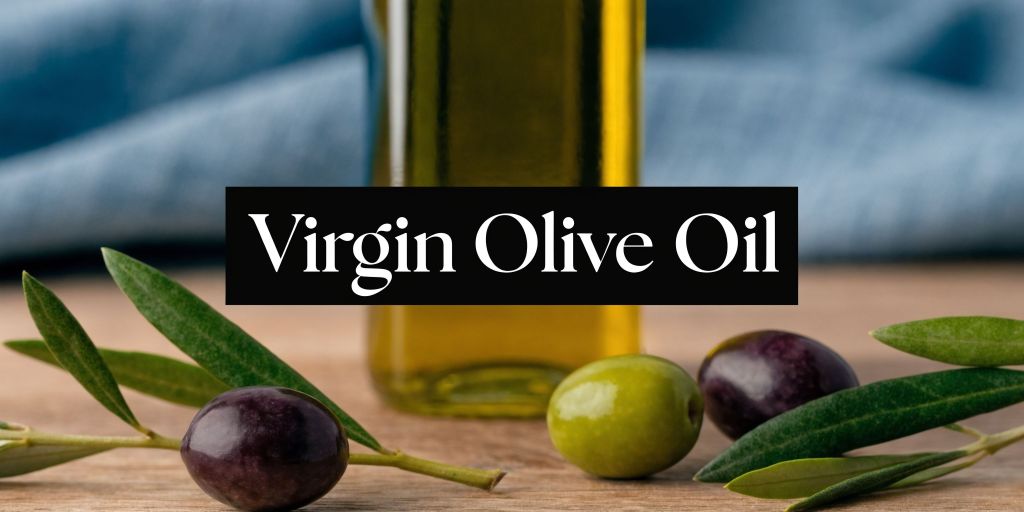
Why is it called virgin olive oil in the first place?
Many assume it’s just branding. A quaint food word that survived from another century. It isn’t. That single word carries two meanings at once. One is ancient and almost mythic. The other is technical, measurable, and sitting on the label in plain sight if you know how to read it.
That’s why this matters. If you understand that one word, the whole shelf changes. You stop shopping by bottle shape and Italian-sounding names. You start seeing what the producer is promising.
And once you grasp how the term works, guides on olive oil labeling become more useful, because the mystery shifts from “Which bottle looks premium?” to “Which bottle earned the name?”
The Word on the Bottle That Changes Everything
A friend of mine once picked up two bottles and asked, “Is ‘virgin’ just a dramatic way to say expensive?”
Fair question. Food companies have trained us to be suspicious. “Artisan,” “natural,” “premium,” “pure.” These words often mean little. But virgin in olive oil is different. It points to a real standard.
The confusion starts because the word sounds moral, even romantic. It sounds like something borrowed from poetry, not agriculture. Yet in olive oil, it has always carried the idea of untouched purity. First in story. Later in law and chemistry.
That’s the secret hidden in plain view.
When you ask why is it called virgin olive oil, you’re asking two questions:
- Where did the word come from in the first place?
- What does it guarantee today about how the oil was made?
Both answers matter. The first tells you why the word survived for centuries. The second tells you whether the bottle deserves your money.
The label isn’t only describing the oil. It’s describing the handling of the fruit, the care at the mill, and the difference between a living oil and a processed one.
Once you know that, “virgin” stops sounding odd. It starts sounding precise.
A Story of Purity from Ancient Groves
Long before laboratory tests, people treated olive oil as something more than a cooking fat. In the ancient Mediterranean, olive trees were sacred. They stood for peace, fertility, continuity, and blessing. People didn’t approach the first harvest casually.

According to this history of the term from Olives et Al, the word “virgin” in virgin olive oil originates from ancient Mediterranean traditions where olive trees were considered sacred, and only pure, chaste individuals, often young women or virgins, were permitted to tend the groves and harvest the first olives. That practice dates back over 2,500 years to ancient Greece and Rome.
That’s not a supermarket slogan. That’s cultural memory.
Why the first pressing felt special
People in those societies saw the earliest, purest oil from the first pressing as set apart. It was not ordinary. It was the cleanest expression of the fruit and the grove.
Consider it akin to spring water drawn at the source instead of water that has traveled through pipes and tanks. The idea wasn’t just “first.” It was untouched.
That emotional meaning still lingers in the word today. Even if most shoppers don’t know the backstory, they sense it. Virgin suggests something unspoiled, not tampered with, still close to its origin.
That’s one reason olive oil became central to Mediterranean eating patterns. If you’re exploring the food culture built around healthy fats like olive oil, this old idea of purity helps explain why the oil was treasured far beyond flavor alone.
For more on where olive oils come from geographically and culturally, the history makes even more sense once you study olive oil origins.
A word that survived because it meant something real
Some old food terms stick around out of habit. This one survived because it named a distinction people cared about.
The best oil was the oil closest to the fruit. Closest to the grove. Closest to the moment of harvest.
Here’s a short visual overview before we move from old-world meaning to modern standards.
In ancient usage, “virgin” pointed to purity by association. In modern usage, it points to purity by method.
That shift is the whole story.
The Difference of Mechanical Extraction
Here’s where the romance ends and the mill begins.
Today, virgin olive oil means the oil was obtained by mechanical extraction only. No chemical solvents. No refining. No processing tricks to rescue or deodorize a damaged oil.

Per the explanation from OliveOil.com, virgin olive oils are obtained solely through physical means such as grinding, pressing, or centrifugation, under thermal conditions below 27°C (80°F).
That phrase, “solely through physical means,” is the key.
Fresh-squeezed juice versus industrial concentrate
The cleanest analogy is orange juice.
A virgin olive oil is like juice squeezed fresh from fruit. You crush the fruit, separate the liquid, and keep what nature gave you.
A refined oil is more like a juice product rebuilt after heavy processing. It may still come from the same fruit family, but the route is different. Something has been stripped, corrected, neutralized, or blended to make it acceptable.
That doesn’t make all refined products evil. It does make them different.
With olive oil, that difference shows up in what reaches your nose and tongue:
- Freshness: You may smell cut grass, herbs, almond, tomato leaf, or green apple.
- Bitterness: Not a flaw. It often signals compounds naturally present in good oil.
- Pepperiness: That little throat catch many people mistake for harshness can be a sign of vitality.
What the mill does, and what it must not do
Mechanical extraction sounds simple, but discipline is everything.
The olives are crushed into paste. The paste is gently worked. Then the oil is separated from water and solids, often with centrifugation. The producer’s job is to extract the oil without cooking it and without altering its natural composition.
That’s why terms like cold extraction matter. Heat can flatten aroma and change character. Solvents may pull oil out efficiently, but efficiency isn’t the same thing as integrity.
If you want a practical primer on the exact stages, olive oil extraction breaks down the machinery and terminology in shopper-friendly language.
Practical rule: If the oil had to be chemically repaired before bottling, it may still be olive oil, but it isn’t virgin olive oil.
That’s the modern promise behind the old word. Purity isn’t a mood. It’s a method.
Decoding the Hierarchy of Olive Oil Quality
Once you know what virgin means, the next trap is assuming all virgin oils are the same. They aren’t.
There’s a hierarchy, and the top rung is hard earned.

According to Mental Floss, the extra virgin classification is defined by International Olive Council standards requiring free fatty acid content of ≤0.8%, peroxide value under 20 meq/kg, and a flawless taste profile. By contrast, virgin olive oil allows acidity from 0.8% to 2.0% and minor defects.
That’s why “extra” isn’t fluff. It’s a stricter grade.
What the numbers are really telling you
Acidity confuses people because they assume it means sourness. It doesn’t.
In olive oil grading, free acidity is a marker of fruit condition and handling. Lower numbers generally point to healthier olives and better treatment before extraction. Bruised fruit, delayed milling, or poor storage can push quality downward.
Peroxide value tells another story. It helps indicate early oxidation. In plain English, it gives clues about whether the oil is staying fresh and stable or drifting toward deterioration.
Then comes the sensory side. A trained panel checks whether the oil has defects. If an oil shows flaws, it doesn’t belong in the extra virgin class, no matter how lovely the bottle looks.
Olive Oil Grades at a Glance
| Grade | Production Method | Acidity Level | Flavor Profile | Best Culinary Use |
|---|---|---|---|---|
| Extra Virgin Olive Oil | Mechanical extraction only | ≤0.8% | Flawless, vibrant, expressive | Finishing, dressings, dipping, drizzling |
| Virgin Olive Oil | Mechanical extraction only | 0.8% to 2.0% | Good flavor, may have minor defects | Everyday cooking where nuance matters less |
| Olive Oil (Refined Blend) | Refined oil blended with some virgin oil | Not the same virgin standard | More neutral, less character | General cooking when flavor isn’t the priority |
If you cook in a Mediterranean style and want help pairing meals with the right kind of oil, a practical Mediterranean meal plan can make the distinction feel useful instead of theoretical.
Why taste matters as much as chemistry
A lab can tell you whether an oil meets chemical thresholds. It can’t fully describe whether the oil feels alive.
That’s why tasting matters. Good extra virgin oil should have personality. It should taste like something that came from fruit, not from a factory trying to erase mistakes.
If you want a fuller map of the categories on store shelves, different grades of olive oil is a solid next step.
A bottle earns “extra virgin” by passing both invisible tests and obvious ones. The chemistry has to be right. The flavor has to be clean.
That’s the industry secret many labels hope you won’t investigate.
A Step-by-Step Journey from Olive to Bottle
Good olive oil begins before the mill. It begins with restraint.
A producer has to decide when to harvest, how gently to handle the fruit, and how quickly to get it from tree to crusher. Olive oil is fruit juice with almost no room for laziness.

Step one begins in the grove
The olive comes off the tree carrying promise and risk at the same time.
If it’s bruised, piled carelessly, or left sitting too long, quality starts slipping fast. The fruit may still yield oil, but not the same oil. Not the vivid, energetic kind that makes you pause over a spoonful.
Some growers use hand harvesting. Others use mechanical aids that protect the fruit. The method matters less than the care.
Then the mill takes over
At the mill, the olives are cleaned and crushed into a paste. That paste is then gently mixed so tiny oil droplets can gather and separate more easily.
After that, the mill extracts the oil by physical means. Modern systems often rely on centrifuges rather than old stone presses, but the principle is the same. Separate the oil without rough treatment.
Here’s the simplest way to remember the sequence:
- Harvest the fruit carefully
- Bring it to the mill quickly
- Wash and crush the olives
- Work the paste gently
- Separate oil from water and solids
- Store the oil away from air, heat, and light
Why speed and gentleness matter so much
People talk about olive oil as if it were shelf-stable by nature from the moment it leaves the tree. It isn’t. It’s vulnerable.
Fresh olive oil is more like a just-baked loaf than a canned good. It rewards attention. It punishes neglect.
A rushed supermarket shopper sees one liquid in one bottle. A miller sees dozens of turning points where quality can rise or fall. That’s why two oils from the same region can taste worlds apart.
The bottle only shows the final act. The true drama unfolded in the hours between harvest and extraction.
When you know that, you stop seeing virgin olive oil as a generic pantry staple. You start seeing it as a perishable craft product.
How to Buy True Virgin Olive Oil with Confidence
Knowledge pays dividends here.
A lot of bottles wear noble language. Not all of them deserve your trust. If you want true virgin olive oil, or even extra virgin, you need to look past the front label.
What to check first
Start with the basics on the bottle itself.
- Grade clearly stated: Look for “virgin olive oil” or “extra virgin olive oil,” not vague terms like “pure,” “light,” or “mild.”
- Protected packaging: Dark glass or tins help shield oil from light, which can damage flavor.
- Origin details: A specific country or region usually tells you more than a foggy, romantic brand story.
- Certification language: Depending on where you shop, standards and seals can help you sort serious producers from fuzzy marketing.
If you want a practical consumer guide, how to spot fake olive oil walks through common label tricks and warning signs.
What your senses can tell you
A trustworthy bottle still has to perform when opened.
Pour a little into a small glass. Smell it. Good oil should suggest actual plant life. Herbs, fruit, leaves, nuts, maybe even a peppery lift. If it smells flat, waxy, stale, or oddly greasy, pay attention.
Then taste it. You’re not hunting only for smoothness. Great olive oil often has bitterness and a peppery finish. Those qualities can surprise people who grew up with bland oils, but bland isn’t the gold standard. It’s often the warning sign.
The insider mindset
Don’t shop for olive oil the way you shop for dish soap.
Virgin olive oil is not just a cooking medium. It is a fruit product with a story, a method, and a quality grade. If the label can’t tell that story clearly, the producer may be hoping you won’t ask questions.
That single shift in attitude changes everything.
Your Virgin Olive Oil Questions Answered
Is virgin olive oil the same as extra virgin olive oil
No. Both are mechanically extracted, but extra virgin must meet stricter chemical and sensory standards. Virgin olive oil allows more acidity and may show minor defects, while extra virgin must be clean tasting and meet tighter limits.
Does “virgin” mean the oil is unrefined
Yes. In practical terms, that’s the heart of it. Virgin olive oil is extracted by physical means, not chemically refined.
Is “cold-pressed” the same thing as virgin
Not exactly, but they overlap. The important idea is controlled low-temperature extraction. Virgin classifications depend on the method and the quality of the resulting oil, not just a romantic phrase on the label.
Can you cook with virgin or extra virgin olive oil
Yes. People often reserve better oils for drizzling and finishing because the flavor shines there, but you can cook with them. The main question isn’t “Can I?” It’s “Do I want to spend this oil’s best qualities on high heat, or save them for where I can taste them?”
How can I tell if my oil has gone bad
Use your nose first. Rancid oil can smell stale, dusty, waxy, or like old nuts. Fresh oil smells lively.
Then taste it. If it feels flat and tired, with none of the fresh bitterness or peppery edge you’d expect, it may be past its prime.
What’s the shortest answer to why is it called virgin olive oil
Because the word first pointed to purity in ancient olive traditions, and today it means the oil was made in a pure, mechanical way without refining or chemical solvents.
If you want to keep building a sharper palate and make better buying decisions, visit Learn Olive Oil . It’s a practical educational resource for understanding labels, grades, tasting, and what separates a merely decent bottle from one worth pouring with pride.
 Learn Olive Oil
Leave a comment