Most diet advice asks the wrong question.
It asks whether you should eat Paleo or Mediterranean, as if health were a courtroom and one side had to lose. That framing sounds neat. It also leaves real benefits on the table.
The sharper approach is to steal what works.
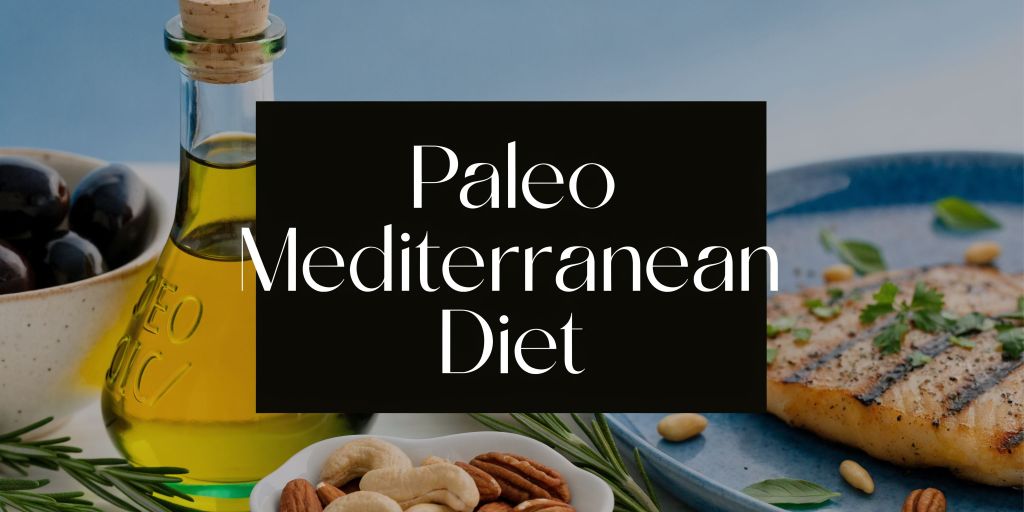
Take Paleo’s refusal to tolerate processed food, sugar, grains, and the foods many people find inflammatory. Then take the Mediterranean tradition’s respect for vegetables, fish, herbs, and above all, extra virgin olive oil as the primary fat. Done right, that combination becomes more than a compromise. It becomes a cleaner, stronger, more useful template for modern eating.
For olive oil buyers, this matters more than most nutrition articles admit. In the usual diet debate, olive oil gets treated like a pleasant detail. In the paleo mediterranean diet, it becomes a strategic ingredient. It is the fat that makes the whole thing work in the pan, on the plate, and over time.
This way of eating has appeal because it solves two common failures at once. Pure Paleo can drift toward too much saturated fat and a heavy hand with butter, coconut oil, or fatty meats. Conventional Mediterranean eating can slide toward too much bread, pasta, grain, and “healthy” restaurant food that is only healthy in theory. The hybrid strips out the weak points and keeps the strengths.
That is the revelation. You do not have to choose between anti-inflammatory discipline and long-haul heart-smart eating. You can build a plate that does both, and premium extra virgin olive oil sits at the center of it.
The Secret Diet Hiding in Plain Sight
The paleo mediterranean diet is not fashionable because it is new. It is compelling because it corrects the blind spots in two famous diets without throwing away their strengths.
Paleo got one big thing right early. Remove the industrial junk, refined sugar, and foods that often create digestive friction, and many people feel better fast. Their meals get simpler. Cravings calm down. Energy becomes steadier.
Mediterranean eating got a different big thing right. It built an everyday food culture around vegetables, seafood, herbs, and olive oil. It has grace. It has longevity. It works in an an actual kitchen, not just on a list of approved foods.
The false choice
The problem begins when people become loyal to labels.
If they go hard Paleo, they often keep the exclusions but miss the elegance of using olive oil as the dominant fat. If they go fully Mediterranean, they often inherit foods that do not work well for them personally, especially grain-heavy or legume-heavy meals that leave them bloated, sluggish, or overeating by nightfall.
The hybrid fixes that.
It says yes to clean proteins, vegetables, fruit, nuts, seeds, fish, herbs, and premium extra virgin olive oil. It says no to processed food, refined sugar, and the grain-centered habits that crowd out better food.
A useful diet should help you feel lighter after meals, not merely virtuous while eating them.
Why olive oil changes the conversation
Most writeups on this topic mention olive oil as if any bottle will do. That misses the point.
In the paleo mediterranean diet, olive oil is not garnish. It is the preferred fat for roasting vegetables, dressing greens, finishing fish, and replacing the butter-and-coconut-oil reflex that can make a Paleo plate unnecessarily heavy.
That single shift changes texture, flavor, and practicality. It also changes compliance. People stay with a style of eating when the food tastes expensive, satisfying, and easy to repeat.
The beauty of this pattern is that it feels ancient and modern at the same time. It is strict where strictness pays off. It is generous where generosity helps people live with it.
The Best of Both Worlds Explained
The easiest way to understand the paleo mediterranean diet is this. Paleo provides the filter. Mediterranean provides the finesse.
Paleo asks, “What should leave the plate?” Mediterranean asks, “What should lead the plate?” Put those two questions together and the answer gets far more powerful than either one alone.

What Paleo contributes
Paleo contributes discipline.
It removes grains, legumes, dairy, processed sugar, and ultra-processed food. That tends to push a person toward meat, fish, eggs, vegetables, fruit, nuts, and seeds. The result is often a plate with fewer irritants and more nutritional density.
That matters because a diet improves quickly when the low-value foods disappear.
What Mediterranean contributes
Mediterranean eating contributes wisdom.
It makes extra virgin olive oil the main fat instead of treating fat as an afterthought or defaulting to animal fats. It emphasizes seafood, produce, herbs, and meals that are flavorful enough to repeat. It is less about rules shouted from a mountaintop and more about food that people can cook on a Tuesday.
The technical case for that shift is strong. A UC Davis nutrition sheet notes that a typical Paleo diet can deliver 39% of energy from total fat with 7% from saturated fat, while a Paleo-Mediterranean approach substitutes butter and coconut oil with extra virgin olive oil, which is 70 to 80% monounsaturated fat. The same source describes the hybrid as a macronutrient optimization strategy that preserves Paleo’s 38% protein and potassium at 8,238mg versus a guideline of 4,700mg while improving lipid-related risk markers (UC Davis).
Why the hybrid works better in practice
Many people finally exhale at this point.
They do not have to eat “Paleo” in the caricatured way, with every meal leaning on bacon, ghee, or coconut oil. They also do not have to eat “Mediterranean” in the diluted modern way, where olive oil shares the table with too much bread and restaurant starch.
Instead, the plate becomes:
- Protein-centered: fish, eggs, poultry, lamb, beef in sensible rotation
- Produce-heavy: greens, crucifers, tomatoes, zucchini, mushrooms, peppers, herbs
- Fat-smart: extra virgin olive oil first, with other fats playing minor roles
- Low-friction: no refined sugar, no packaged snacks posing as health food
A practical shortcut helps. If you already enjoy Mediterranean cooking but need cleaner guardrails, browse a few easy Mediterranean recipes and mentally remove the grains, beans, and dairy. Keep the herbs, fish, vegetables, lemon, garlic, and olive oil.
For olive oil lovers, one detail matters more than it gets credit for. Different oils behave differently on the plate. A peppery oil can wake up steak, bitter greens, and roasted broccoli. A softer oil flatters white fish, zucchini, and simple vinaigrettes. If you want a better sense of why that matters nutritionally as well as culinarily, this guide to polyphenol-rich olive oil benefits is worth reading.
The hybrid succeeds because it does not ask olive oil to decorate the meal. It asks olive oil to anchor it.
Paleo vs Mediterranean vs The Hybrid Diet
The cleanest way to judge these diets is not by ideology. It is by trade-offs.
Paleo is excellent at subtraction. Mediterranean is excellent at selection. The hybrid is excellent at editing.
A 2023 meta-analysis comparing dietary patterns ranked Paleo at 67.2% overall and Mediterranean at 57.4% using SUCRA scores. Paleo ranked especially well for reducing inflammation at 87.0%, while Mediterranean ranked higher for blood lipids at 63.1%. That split is the entire case for the hybrid. Keep Paleo’s anti-inflammatory base and borrow the Mediterranean habit of using olive oil as the dominant fat (newhope.com summary of the meta-analysis).
Where each diet shines
Classic Paleo tends to help people who need a clear break from processed food and who do better without grains and dairy. It can feel decisive and clean.
Classic Mediterranean tends to help people who value flexibility, social ease, and a food culture built around olive oil, vegetables, and seafood.
The paleo mediterranean diet is best for the person who wants both a sharper anti-inflammatory framework and a more thoughtful fat strategy.
Food Group Comparison
| Food Group | Classic Paleo | Classic Mediterranean | Paleo-Mediterranean Hybrid |
|---|---|---|---|
| Fats | Olive oil allowed, but many people also use butter, lard, coconut oil | Extra virgin olive oil is central | Extra virgin olive oil is the primary fat |
| Proteins | Meat, poultry, fish, eggs | Fish, seafood, poultry, eggs, some dairy, limited red meat | Fish, eggs, poultry, meat in rotation, emphasis on seafood and clean sourcing |
| Vegetables | Widely encouraged | Widely encouraged | Foundation of the diet |
| Fruits | Allowed | Allowed | Allowed, with emphasis on whole fruit |
| Grains | Excluded | Included, often regularly | Excluded |
| Legumes | Excluded | Included | Usually excluded |
| Dairy | Excluded | Often included, especially yogurt and cheese | Usually excluded or kept minimal depending on tolerance |
| Added sugar | Excluded | Limited | Excluded |
| Processed foods | Excluded | Limited | Excluded |
| Core strength | Clear elimination framework | Olive oil-centered longevity pattern | Anti-inflammatory structure plus lipid-friendly fat choice |
Practical trade-offs
The hybrid is not “easier Paleo” or “stricter Mediterranean.” It is more selective than that.
What works:
- Using EVOO generously on vegetables, fish, and salads
- Choosing seafood often
- Building meals around produce and protein
- Keeping starches from taking over the plate
What does not:
- Calling the diet Mediterranean while eating bread at every meal
- Calling it Paleo while cooking everything in butter
- Buying cheap olive oil and expecting premium results
A planning tool can help if you are trying to convert familiar Mediterranean habits into a cleaner version. Looking at structured Mediterranean meal plans can spark ideas, then you can strip out the grains, legumes, and dairy while keeping the olive oil, fish, vegetables, and herbs.
For readers who want to see where olive oil traditionally fits into the parent pattern before making that shift, this overview of olive oil in the Mediterranean diet gives useful context.
The deciding question
Do you want a diet that merely sounds healthy, or one that removes common inflammatory triggers while still using a fat that flatters the heart and the palate?
That answer usually points straight to the hybrid.
The Science Backing This Powerful Approach
The strongest diets change biology before they change branding.
The paleo mediterranean diet works because it pairs two mechanisms that complement each other. One side removes foods that commonly create trouble. The other side supplies a fat source that supports better eating and better cooking at the same time.

What the Paleo side contributes
The first contribution is satiety with fewer processed inputs.
In the Women’s Health Initiative Observational Study, which followed 85,912 postmenopausal women, higher adherence to a Paleolithic diet pattern was associated with lower all-cause mortality, with HR 0.85 for the highest versus lowest quintile. The Mediterranean pattern in the same analysis showed HR 0.91. The paper also notes that the Paleolithic score emphasized avoiding grains, dairy, and processed foods (PMC study).
That does not mean everyone should eat a rigid Paleo diet forever. It does mean the core exclusions appear to matter.
What the olive oil side contributes
Once you remove the usual dietary clutter, your fat choice becomes more visible.
If the plate leans on butter, lard, or coconut oil, you may get satiety, but you lose one of the Mediterranean pattern’s great practical advantages. Extra virgin olive oil gives body to food without making the meal feel leaden. It also encourages more vegetables because roasted fennel, grilled zucchini, tomatoes, mushrooms, and greens become easier to eat often when olive oil is involved.
That is one reason the hybrid makes sense. It turns olive oil into an everyday operating system rather than a decorative drizzle.
A good companion read is this overview of olive oil health benefits, especially if you want the olive-oil side of the argument in one place.
The science is persuasive, but the kitchen is the proving ground. If a diet does not help people cook better food more often, the biology never gets a chance.
Why the combination is stronger than the label
In practice, the hybrid does three smart things at once:
- It lowers dietary noise by removing processed foods and refined sugar.
- It improves fat quality by making EVOO the first choice.
- It raises meal quality because vegetables, fish, herbs, and simple proteins become the center of the plate.
The result is a pattern that feels less like a temporary intervention and more like a durable standard.
Building Your Paleo Mediterranean Plate
Theory matters. Dinner matters more.
Many people fail with a new diet because they never translate ideas into automatic meals. The paleo mediterranean diet gets easy when you stop asking, “What diet food should I eat?” and start asking, “What protein, what vegetables, and which olive oil?”

The plate formula
Use this as your baseline:
- Half the plate: non-starchy vegetables, raw or cooked
- A substantial portion: fish, eggs, poultry, or meat
- A generous finishing layer: extra virgin olive oil
- Optional support: fruit, olives, avocado, nuts, seeds, or a simple root vegetable if it fits you well
If you need a reminder of the broader food universe that supports this style, a straightforward Mediterranean diet food list can help you identify the produce, seafood, and pantry staples that adapt well to the hybrid.
A simple three-day sample
Day one
Breakfast: spinach, mushroom, and onion frittata cooked with olive oil.
Lunch: grilled salmon over arugula, cucumber, tomato, and herbs with lemon and EVOO.
Dinner: roasted chicken thighs, cauliflower, and blistered peppers with olive oil and sea salt.
Day two
Breakfast: eggs with sautéed zucchini and leftover salmon.
Lunch: big salad with sardines, olives, fennel, radish, and a sharp vinaigrette.
Dinner: grass-fed steak, roasted asparagus, and mushrooms finished with peppery EVOO.
Day three
Breakfast: avocado, eggs, tomatoes, and herbs.
Lunch: turkey lettuce wraps with cucumber, olive tapenade, and greens.
Dinner: white fish with olive oil, garlic, lemon, sautéed greens, and roasted eggplant.
Two mini-techniques worth mastering
The quick vinaigrette
Use a softer EVOO with lemon juice, grated garlic, salt, and chopped parsley. Shake it in a jar. Spoon it over greens, fish, or grilled vegetables.
The fish finish
Sear fish. Do not drown the pan. Once it comes off the heat, add a full-flavored EVOO, lemon zest, and chopped herbs over the top. The oil stays vibrant because it is not abused by long cooking.
This video offers a helpful visual if you want meal ideas in motion.
What makes this sustainable
The key is repetition without boredom.
Rotate a few proteins. Buy vegetables you will cook. Keep two olive oils if possible, one delicate and one assertive. Build meals that feel generous, not punitive.
That is how a diet becomes a household habit.
Your Guide to Shopping and Cooking with Olive Oil
A paleo mediterranean diet rises or falls on olive oil quality.
That sounds dramatic until you taste a flat, tired oil beside a fresh one. One tastes alive. The other tastes like the idea of olive oil.

What to look for on the bottle
A verified summary on Healthline notes a major gap in diet advice around olive oil quality. It says that up to 70% of some oils may be adulterated, recommends looking for polyphenol counts of at least 250mg/kg, and emphasizes checking harvest dates for freshness. The same summary also states that high-quality EVOO produced 15% better metabolic outcomes in hybrid diets compared with fats like butter (Healthline summary).
That gives you a useful checklist:
- Harvest date: fresher is better than merely famous
- Origin clarity: look for a specific country or region, not a foggy blend
- Dark glass: better protection from light
- Polyphenol detail: valuable when available
- Extra virgin: essential for this style of eating
If you want a buyer’s framework that goes deeper into labels, grades, and red flags, this guide on how to buy olive oil is practical.
Match the oil to the food
One mistake ruins many expensive bottles. People use every olive oil the same way.
Use an assertive, grassy, peppery EVOO on steak, lamb, bitter greens, beans-free vegetable stews, and roasted brassicas. Those foods can handle personality.
Use a gentler, softer EVOO on white fish, eggs, delicate salads, zucchini, and simple dressings. The oil should support, not dominate.
Kitchen habits that protect quality
Good oil can still die a slow death on your counter.
- Keep it cool: avoid heat and direct light
- Use it regularly: open bottles are for eating, not collecting
- Buy sensible sizes: freshness beats bulk
- Finish boldly: many dishes improve more from a final pour than from aggressive cooking
Fresh olive oil should smell and taste like something. Grass, herbs, green almond, tomato leaf, pepper. Dull oil rarely improves a good meal.
A final practical note. Do not chase prestige labels while ignoring taste. The right bottle is the one that is authentic, fresh, and suited to the food you cook repeatedly.
Frequently Asked Questions About the Diet
Is the paleo mediterranean diet just strict Mediterranean eating
No. It is stricter about grains, legumes, dairy, refined sugar, and processed foods.
Traditional Mediterranean eating often includes foods that the hybrid removes. The hybrid keeps the olive oil, seafood, produce, and herb-driven cooking, but filters them through a Paleo lens.
Can I eat dairy on this diet
Most versions keep dairy out or use it very sparingly.
That is one of the diet’s key dividing lines from standard Mediterranean eating. Some people test small amounts later, but the cleaner version usually starts without it.
Do I have to eat a lot of red meat
No.
A strong paleo mediterranean diet often looks more like fish, eggs, poultry, vegetables, olives, herbs, and olive oil than a steakhouse menu. Red meat can fit, but it should not become the identity of the diet.
Is this diet hard for families
Not as hard as people expect.
Build dinners around roasted vegetables, a protein, salad, and olive oil. Family members who want more flexibility can add their own sides. The core meal stays clean.
What if I exercise a lot
Then the question becomes food quality plus timing.
Many active people do well by centering protein and vegetables, then adjusting fruit or root vegetables according to training demand. The base of the diet does not need to change. The quantity and timing often do.
Is this expensive
It can be if you shop carelessly.
It can also be reasonable if you buy whole chickens, eggs, tinned fish, seasonal produce, frozen seafood, and one or two very good olive oils instead of a pantry full of mediocre products. Premium olive oil is not a luxury flourish in this model. It replaces other fats and improves meals enough that simpler ingredients become satisfying.
What is the biggest mistake beginners make
They obsess over exclusions and neglect quality.
A person can remove bread, beans, and dairy, then still eat a dreary diet of dry chicken and wilted salad. That is not the point. The point is to cook generously with excellent olive oil, use herbs, choose good proteins, and make vegetables desirable.
How do I know it is working
Start with the obvious signs.
Meals feel steadier. Cravings usually lose volume. Digestion often becomes quieter. Cooking gets simpler. If those are not happening, the problem is often hidden processed food, poor fat quality, or a diet that is technically compliant but culinarily miserable.
The paleo mediterranean diet works best when discipline and pleasure sit at the same table.
If you want to understand premium extra virgin olive oil with more confidence, from buying and tasting to health benefits and real culinary use, visit Learn Olive Oil . It is a strong next step for anyone who wants to make olive oil the cornerstone of a smarter way of eating.
 Learn Olive Oil
Leave a comment