Dinner is on the table. The tomatoes are ripe, the mozzarella is cool and tender, the bread is still warm. Then you reach for a tired bottle of anonymous oil, pour a dull splash, and wonder why the whole plate feels flatter than it should.
That is the difference between using olive oil and choosing the best olive oil for drizzling.
A proper drizzling oil is not background. It is the final stroke of the brush. It wakes up soup, gives tomatoes a pulse, makes grilled fish taste cleaner, and turns beans and greens into something noble. If you learn one skill, learn this one: stop buying olive oil by brand first, and start buying it by personality and freshness. That is how people who know oil shop. That is how you find a bottle with life in it, no matter where you are standing.
The Finishing Touch That Transforms Your Food
A warm slice of bread, a bowl of white beans, a plate of tomatoes still fragrant from the sun. You finish them in seconds with the right oil, or flatten them with the wrong one.
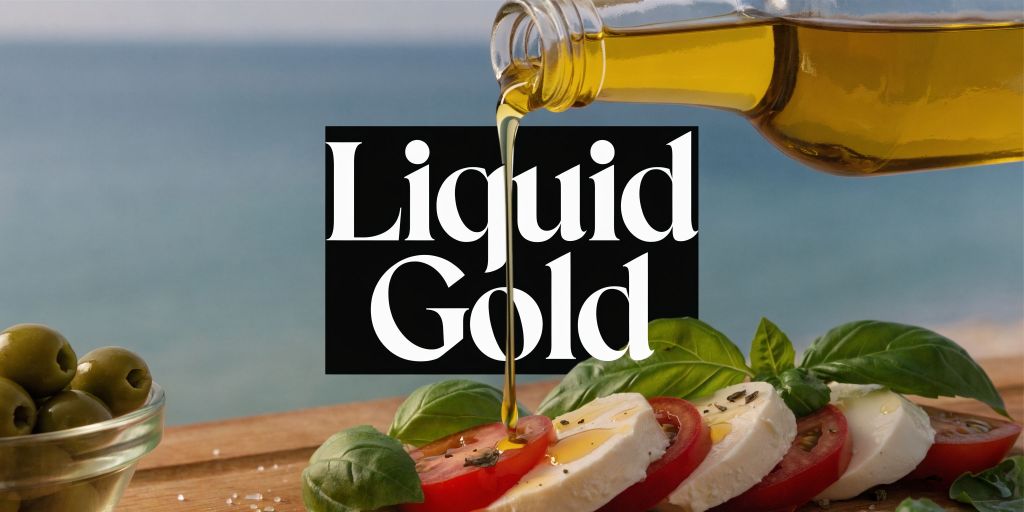
A great drizzling oil changes the whole dish on contact. Tomatoes taste fuller. Basil turns sharper and more alive. Mozzarella feels creamier, almost sweet, until a bright green oil cuts through with the scent of cut grass, almond, and tomato leaf. Then comes the peppery flick at the back of the throat. That is freshness speaking.

Why extra virgin wins
Start with extra virgin olive oil. Drizzling is raw, exposed, and brutally honest. Every aroma rises straight off the plate, every flaw lands on your tongue, and every tired note shows itself at once.
Extra virgin earns its place because it is made for direct tasting. It keeps the olive’s real character intact, with no refining to scrub away aroma and no flat, anonymous finish. The International Olive Council sets the standard for EVOO quality and sensory cleanliness, which is why extra virgin belongs on finished food instead of hiding in the pantry as a “special occasion” bottle (Sporked’s olive oil guide).
The bottle you want is the one with character
Forget the brand-first habit. It keeps shoppers trapped.
The best olive oil for drizzling is the bottle with personality and freshness, the one that smells vivid the moment you open it and tastes alive on the plate. Some oils are green, bitter, and electric. Some are round, floral, and buttery. Neither style is automatically better. The right one is the oil whose character suits the food in front of you.
Shop that way and you stop chasing labels. You start reading cues. A fresh harvest date, a producer willing to name the cultivar, a bottle that promises grass, artichoke, herbs, green almond, or ripe fruit tells you far more than a famous logo ever will. If you want to sharpen that instinct, learn the basic tasting method in this guide to tasting olive oil like a pro.
A cooking oil can melt into the background. A drizzling oil should announce itself in the first second.
Buy it the way you buy wine or perfume. Buy the one with a voice.
Understanding the Three Pillars of Flavor
Most shoppers use imprecise words. Smooth. Rich. Nice. Strong. Those words tell you almost nothing.
Olive oil has a cleaner vocabulary. Learn three ideas and you can taste with confidence: fruitiness, bitterness, and pungency. Once those click, you stop being vulnerable to pretty labels and start trusting your own palate.
Fruitiness is the aroma story
Fruitiness is not shorthand for sweetness. It means the whole aromatic profile rising from the oil.
A fresh oil might smell like cut grass, green almond, tomato leaf, artichoke, herbs, apple, or even a faint banana note. Some oils smell green and brisk. Others smell rounder and riper. That aromatic personality is your first clue about how the oil will behave on food.
Warm a small pour in a glass with your hand, swirl it, and smell before you taste. If you want to sharpen that skill, this guide on how to taste olive oil is worth your time.
Bitterness is not a flaw
Bitterness frightens beginners because they confuse it with harshness.
That is a mistake. In a good oil, bitterness is a sign of freshness and vitality. It often shows up on the tongue like chicory, walnut skin, or green almond. It gives structure. Without it, many oils feel sleepy.
A tomato loves a little bitterness. So do grilled greens, white beans, lentils, and bitter leaves.
Pungency is the pepper in the throat
This is the trait people remember.
Pungency is that peppery catch in the back of your throat, the little kick that makes you sit up. In a fine drizzling oil, it feels lively, not abrasive. It is often the mark of a youthful oil with energy still in it.
Here is the easiest way to think about the three pillars:
| Pillar | What you notice | What it tells you |
|---|---|---|
| Fruitiness | Aroma of grass, herbs, almond, apple, leaf | The oil’s style and freshness |
| Bitterness | Pleasant green bite on the tongue | Fresh olives and structure |
| Pungency | Peppery sensation in the throat | A vivid, energetic finish |
Build a palate, not a preference for labels
One bold oil can be glorious on bean soup and dreadful on delicate fish. One buttery, restrained oil can be perfect on burrata and disappear on grilled steak.
That is why the best olive oil for drizzling is not one universal bottle. It is the bottle whose personality suits the food in front of you.
If you can identify aroma, bitterness, and pepper, you can choose oil better than most shoppers in the aisle.
How to Read a Label Like an Olive Oil Expert
You are standing in the aisle with two bottles in your hand. One wears a romantic Tuscan villa on the front. The other gives you a harvest date, a real place, and a bottle built to protect what is inside. Put the postcard back. Buy the story you can verify.
The label is your first tasting note. It tells you whether the producer respects freshness, traceability, and character, or whether the bottle is dressed up to distract you.

Hunt for the date that matters
Start with the harvest date or press date.
“Best by” gives you a rough limit. Harvest date gives you the oil’s birthday. That matters because drizzling oil lives on aroma. Green almond, cut grass, leaf, pepper. Those vivid notes fade with time, and once they fade, the oil loses the personality you are paying for.
Choose the youngest bottle you can find from a producer who tells you plainly when the olives were picked. If the label stays coy, move on.
Packaging reveals respect
Great oil hates light, air, and heat. The best producers package accordingly.
Choose:
- Dark glass or tin, which shields the oil from light
- A tight seal, which slows oxidation
- A bottle size you will finish, while the oil still smells alive
Clear glass belongs in a museum case, not in a serious kitchen. If a producer lets beautiful oil sit exposed for display, that tells you plenty.
For a sharper guide to bottle language, legal terms, and what deserves your attention, read this breakdown on how to read an olive oil label.
Place names are clues to character
A label that names a region, estate, or olive variety gives you something useful. It points you toward style.
PDO, short for Protected Designation of Origin, can help here. It marks oils tied to a specific place and set of production rules. That mark does not guarantee that you will love the flavor, but it does give the bottle a stronger connection to origin and tradition than vague phrases like “packed in Italy” or “imported from the Mediterranean.”
Read place names as character cues. A precise origin usually signals a producer with something to say. A foggy label usually signals a blend sold on mood instead of merit.
Here is the quick decoder ring:
| On the label | What it means for you |
|---|---|
| Extra virgin | Your starting point for drizzling |
| Harvest or press date | Your strongest freshness clue |
| Dark bottle or tin | Better protection from light |
| PDO or specific region | Better traceability and a clearer sense of style |
This video offers a visual guide to decoding labels in the aisle.
Reward the bottle that tells you who it is. Freshness and character belong to producers who speak clearly.
Exploring Major Styles of Drizzling Oil
Stop asking, “What brand should I buy?”
Ask, “What personality do I want at the table tonight?” That question gets you to better oil, faster.

The Bold Green Warrior
This is the oil that enters a room before you do.
It smells of grass, leaf, artichoke, maybe green tomato. It bites pleasantly on the tongue and finishes with a peppery flourish in the throat. You often find this style in oils associated with Tuscany or Spain, especially when the profile leans vigorous and assertive.
Use it where it can wrestle with strong flavors and win. Charred bread. White bean soup. Grilled steak. Bitter greens. Lentils with garlic. Roasted carrots with a touch of cumin.
This oil does not whisper. It sharpens and electrifies.
The Fruity and Smooth Companion
Some drizzling oils are more diplomatic.
They still have freshness, but the edges are softer. You notice ripe apple, almond, fresh herbs, maybe a mellow green note instead of a fierce one. These are the bottles you pull when food is delicate and you want support, not domination.
Think spring salads, mild cheeses, poached eggs, flaky fish, steamed vegetables, or a simple plate of sliced avocado with sea salt.
A smooth oil can be every bit as serious as a bold one. It just knows when not to shout.
The Buttery and Mild Touch
Then there is the gentle style. Silken. Subtle. A little sweet in impression, even when it is completely dry.
These oils can carry notes of almond cream, soft herbs, and tender fruit. They are lovely on yogurt, white pasta, mashed beans, delicate soups, and fresh cheeses. A restrained oil also suits people who are new to tasting quality olive oil and need a softer introduction before they fall in love with bitterness and pepper.
The style often associated with Liguria has this grace. Some Portuguese oils can show it too. Not every meal needs a trumpet. Some need a violin.
For a broader view of styles and grades, browse this guide to different types of olive oil.
A simple way to choose
When you stand in front of a shelf, use this quick mental model:
- Choose bold if the dish is charred, earthy, bitter, or rich
- Choose smooth if the dish is fresh, clean, or balanced
- Choose mild if the dish is delicate, creamy, or easily overwhelmed
That is how professionals think. Not in logos. In fit.
Great drizzling oil behaves like great music at dinner. It should suit the mood, not compete with it blindly.
Mastering the Art of Drizzling and Pairing
You do not drizzle olive oil as an afterthought. You place it with intent.
The basic rule is simple and useful: match intensity with intensity. Strong oil belongs on strong food. Delicate oil belongs on delicate food. Start there and you will avoid most bad pairings.
Match weight with weight
A punchy green oil loves dishes with backbone.
Drizzle it over bean soup, grilled lamb, charred broccoli, bruschetta rubbed with garlic, or roasted mushrooms. Those foods can carry bitterness and pepper without collapsing.

A softer, almondy oil belongs on things that ask for grace. Fresh mozzarella. White fish. Young zucchini. Peas. Ricotta toast. A pale bowl of pasta with butter and Parmesan.
Then break the rule on purpose
Once you understand harmony, contrast becomes exciting.
A potent oil over burrata is marvelous because the peppery edge cuts through cream. A gentle oil over ripe tomatoes can be beautiful because it lets the fruit do the talking. A green, assertive oil over vanilla ice cream can work if you also add flaky salt. That is not a parlor trick. It is delicious.
The trick is intention. Contrast should create tension you enjoy, not noise you regret.
Drizzle at the right moment
Timing matters as much as pairing.
Use your prized oil at the end, when the food is warm or cool enough for the aroma to bloom but not so hot that the finest volatile notes vanish instantly. Spoon it over soup just before serving. Gloss grilled vegetables as they come off the heat. Finish toast, cheese, beans, and salads at the table.
If you like olive oil in dressings, this guide to olive oil and vinegar pairings can help you build combinations that make sense on the plate.
Here is a pairing cheat sheet worth keeping in your head:
- Bold oil for beans, steak, bitter greens, grilled bread
- Smooth oil for tomatoes, salads, fish, mozzarella
- Mild oil for yogurt, delicate pasta, fresh cheese, soft vegetables
One hard rule
Do not cook with your most beautiful drizzling oil if your goal is to preserve what made it special.
The whole point of a finishing oil is its aroma and texture in the final bite. Save the expensive, expressive bottle for the grand finish. Let a more ordinary bottle handle routine heat.
Treat drizzling oil like a final seasoning, not a generic pan lubricant.
Protecting Your Liquid Gold for Lasting Flavor
You chose a bottle with personality. Now protect it like it matters.
Olive oil has three enemies: light, heat, and oxygen. Every bad storage habit feeds one of them. Leave a bottle by the stove, half-open on the counter, glowing in sunshine, and you are slowly draining the life from it.
Where to keep it
Store your oil in a cool, dark cupboard or pantry.
Not on the windowsill. Not beside the range. Not next to the oven where warmth rises all day. Your kitchen may be charming, but charm does not preserve aroma.
How to keep it lively after opening
Once you crack the seal, the clock speeds up.
Use these habits:
- Close it tightly after every pour
- Buy manageable sizes so you can finish them while the oil still tastes vivid
- Keep it out of bright light even if the bottle is dark
- Reach for it often instead of hoarding it for a mythical special occasion
For a fuller look at practical storage habits, this guide on olive oil storage is useful and plainspoken.
Respect the work in the bottle
Good olive oil is agricultural craft. Someone grew the olives, picked them at the right moment, crushed them carefully, and bottled the result at its peak.
Leaving that oil to stale on your counter is wasteful in the deepest sense. Proper storage is not fussiness. It is respect.
The best bottle in the shop can still taste tired in your kitchen if you store it carelessly.
Frequently Asked Questions About Drizzling Oil
Is cloudy olive oil better?
Not automatically.
Cloudiness can come from tiny olive particles or natural sediment, and it does not guarantee superior flavor. Judge the oil by aroma, freshness cues, and taste, not by whether it looks hazy or crystal clear.
Should I always buy the darkest green oil?
No.
Color seduces beginners and misleads them. Some excellent oils are deep green. Some are more golden. The true test is what you smell and taste.
Are flavored oils good for drizzling?
They can be enjoyable, but they are not a substitute for a great plain extra virgin olive oil.
Learn to recognize quality in unflavored oil first. Once your palate is trained, flavored oils can become a fun side path instead of a crutch.
How much should I drizzle?
Enough to be tasted clearly.
A timid trickle often does nothing. A proper drizzle should coat, perfume, and season the food. You want the oil to join the dish, not vanish into it.
What foods show off a drizzling oil best?
Start with simple foods that leave nowhere to hide. Tomatoes, mozzarella, beans, grilled bread, steamed vegetables, burrata, fish, warm soup.
Plain food is the sternest judge of olive oil. That is why it is also the best teacher.
If I can buy only one bottle, what style should I choose?
Pick a balanced extra virgin olive oil with visible freshness cues and a profile that gives you some fruit, a little bitterness, and a clean peppery finish.
That kind of bottle is flexible. It can handle salads, vegetables, beans, toast, and simple proteins without bullying any of them.
If you want to sharpen your palate, decode labels with confidence, and understand premium olive oil without the usual fog and fluff, visit Learn Olive Oil . It’s a smart place to build real tasting skill and buy with a sommelier’s eye.
 Learn Olive Oil
Leave a comment