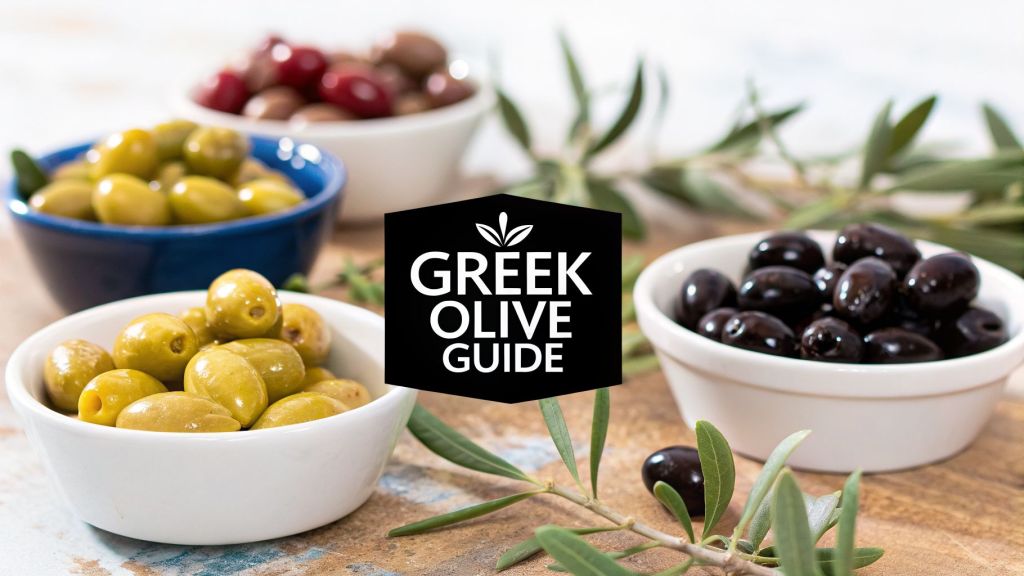
If your vision of a Greek olive is a single, familiar fruit plucked from a jar, you are standing at the edge of a vast, undiscovered country. You are missing a world of flavor cultivated over millennia. Imagine, for a moment, the sun-drenched groves and rugged hillsides of Greece. They are not uniform. They harbor a staggering diversity of olives, a truth often hidden in the crowded aisles of your local supermarket. This isn't just about a snack; it's about a profound agricultural legacy where each olive tells the story of its soil, its climate, and the hands that harvested it.
And here is the secret most people will never know: understanding the different types of Greek olives is the key that unlocks the door to a higher level of cooking. It’s the difference between a meal that is merely good, and one that is truly exceptional. The choice between a small, potent Koroneiki and a milder, buttery Manaki can utterly transform a dish. It’s the difference between an olive oil that adds a peppery, assertive finish to grilled fish and one that provides a delicate, fruity base for a vinaigrette.
This guide is your personal map to this new territory. You won’t just learn names like Kalamon, Athinolia, and Tsounati. You will step into their unique worlds. You will discover their distinct appearances, their hidden flavor profiles, and their ideal culinary missions. By the time you turn the last page, you will no longer be a passive buyer of olive oil. You will be an informed connoisseur, able to select the perfect variety with purpose and confidence, knowing exactly how its unique character will elevate your next meal. Let’s journey beyond the single jar and explore the rich, varied soul of the Greek olive.
1. Koroneiki
Affectionately called the "queen" of Greek olives, the Koroneiki is a small yet mighty fruit that forms the very foundation of Greece's celebrated olive oil industry. Originating from the Peloponnese peninsula, particularly the Messinia region, this ancient cultivar is the most widely planted of all the types of Greek olives. Its dominance is not accidental; the Koroneiki tree is famously resilient, thriving in the sun-drenched, arid landscapes of southern Greece and producing a consistent, high-quality yield.
While you won't often find Koroneiki olives served as table olives due to their small size, their true purpose is liquid gold. They are almost exclusively cultivated for olive oil production, creating some of the most awarded and respected extra virgin olive oils in the world.
Flavor Profile and Processing
Koroneiki olive oil is prized for its intensely aromatic and robust flavor. Expect a pronounced fruitiness with dominant notes of green grass, artichoke, and green banana. What truly sets it apart is its signature peppery finish, a pleasant tingling sensation at the back of the throat caused by its high concentration of polyphenols, particularly oleocanthal. This pungency is a clear indicator of a fresh, high-quality oil packed with antioxidants.
Key Insight: The peppery "kick" of a Koroneiki oil is not a flaw; it is the hallmark of its quality and high polyphenol content. The more intense the pepperiness, the fresher and more potent the oil's health benefits often are.
Culinary Uses and Pairings
Because of its bold, green, and peppery character, Koroneiki oil is best used as a finishing oil, where its flavor can shine without being diminished by heat.
- Drizzling: Generously pour it over grilled fish, roasted vegetables, and hearty bean soups.
- Dipping: Serve it simply with crusty bread and a pinch of sea salt for a classic Greek appetizer.
- Salads: It makes a powerful vinaigrette, especially for salads with bitter greens or a classic Greek salad with ripe tomatoes and feta.
- Pairing: Its robust nature stands up beautifully to strong flavors like garlic, lemon, oregano, and grilled meats.
Buying and Tasting Tips
To experience the Koroneiki at its peak, look for "early harvest" (agourelaio) oils. These are made from olives picked while still green, resulting in a more pungent and vibrantly flavored oil with maximum health benefits. Always check the harvest date on the bottle; Koroneiki oils are best consumed within 12 months of production to enjoy their full aromatic complexity. Understanding the nuances between oil grades is also vital for making an informed choice. To deepen your knowledge, you can learn more about the differences in olive oil types and what makes an extra virgin oil special.
2. Arbequina
While Spanish in origin, the Arbequina olive has found a welcoming second home in Greece, where progressive producers are cultivating it to add a new dimension to the country's olive portfolio. This small, symmetrical, and light brown olive is a testament to the adaptability of certain cultivars and the spirit of innovation among modern Greek growers. Its introduction allows for the production of distinctly milder, creamier olive oils that cater to a different palate than the traditionally pungent Greek varieties.
Arbequina's success in regions like Crete showcases a trend towards diversification. Producers are planting it both as a standalone crop and for blending with native olives. The result is a more accessible, consumer-friendly style of Greek olive oil that provides a gentle entry point into the world of high-quality oils, appealing to those who prefer delicate flavors over intense pepperiness.
Flavor Profile and Processing
Arbequina olive oil is the antithesis of the robust Koroneiki. It is celebrated for its exceptionally smooth, buttery texture and subtle, sweet flavor profile. Key tasting notes often include creamy almond, ripe tropical fruit, and a hint of green apple, with virtually no bitterness or peppery finish. This mildness makes it a highly versatile oil, especially for those new to tasting premium olive oils.
The olives are typically harvested slightly later than more pungent varieties to maximize their characteristic sweetness and buttery notes. The goal during processing is to preserve this delicate fruitiness, resulting in an oil that is more creamy than sharp.
Key Insight: Arbequina's mildness is its strength. Unlike oils prized for a peppery kick, its value lies in its smooth, buttery character, making it an ideal choice for applications where a strong olive flavor is not desired.
Culinary Uses and Pairings
Because of its delicate and creamy nature, Arbequina oil is exceptionally versatile in the kitchen, particularly for lighter dishes and even baking.
- Baking: Its mild flavor makes it an excellent substitute for butter or other vegetable oils in cakes, muffins, and quick breads.
- Emulsions: It is a perfect base for homemade mayonnaise, aioli, and creamy vinaigrettes where its smooth texture helps create a stable, silky dressing.
- Sautéing and Roasting: Due to its stability, it's a great choice for medium-heat cooking, gently coating vegetables or fish without overpowering them.
- Pairing: It complements delicate foods like white fish, fresh mozzarella, and light pasta dishes. It is also an excellent finishing oil for fruit salads or even drizzled over vanilla ice cream.
Buying and Tasting Tips
When shopping for Greek Arbequina, look for bottles from modern estates that specify the cultivar. While its profile is mild, freshness is still paramount to enjoying its subtle fruit notes. It's best consumed within 12 months of the harvest date. To protect its delicate buttery flavors, always store the bottle in a cool, dark place away from the stove. To better understand this unique variety, you can find more details on Arbequina extra virgin olive oil and its distinct qualities.
3. Manaki
Imagine discovering a rare jewel, an authentic taste of Cretan tradition once known only to a select few. This is the Manaki olive, an ancient variety now experiencing a well-deserved renaissance. Native to the island of Crete, this cultivar produces a distinctive and aromatic olive oil that stands apart from its more common Greek counterparts. While less widespread than Koroneiki, Manaki is treasured by artisanal producers who value its unique flavor profile, historical significance, and connection to Crete's rich agricultural heritage.

This olive is a cornerstone of the Slow Food movement in Greece, with small-batch producers and estates dedicated to preserving it. The Manaki tree is known for ripening slowly, allowing its fruit to develop a complex and delicate set of aromas. It is cultivated almost exclusively for its precious oil, a true liquid jewel of the Mediterranean.
Flavor Profile and Processing
Manaki olive oil is celebrated for its remarkably fruity and gentle character. Its flavor is softer and sweeter than the bold Koroneiki, offering a complex bouquet of ripe fruit, floral hints, and mild herbaceous notes like fresh-cut grass and tomato leaf. It typically has a very light bitterness and a delayed, mellow peppery finish that tickles rather than kicks.
The delicate nature of this oil reflects the care taken during its creation. Producers often harvest Manaki olives later in the season, resulting in a golden-hued oil with a smoother, less pungent taste profile. This gentler approach helps to showcase the subtle floral and citrus undertones that make it so unique.
Key Insight: The softness of Manaki oil is its strength. Its delicate, multi-layered profile makes it an excellent "gateway" oil for those new to tasting premium olive oils, offering complexity without overwhelming the palate.
Culinary Uses and Pairings
With its mild and fruity notes, Manaki oil is an exceptional finishing oil for dishes where you want to add nuance without overpowering other ingredients.
- Finishing: Drizzle it over delicate white fish, seared scallops, or fresh goat cheese to complement their flavors.
- Salads: It creates a light, fragrant vinaigrette perfect for spring greens, fruit-based salads, or a simple caprese.
- Vegetables: Its gentle sweetness beautifully enhances steamed or lightly sautéed vegetables like asparagus, zucchini, and green beans.
- Pairing: Manaki's profile works wonderfully with fresh herbs like basil and parsley, mild cheeses, poultry, and even desserts like vanilla ice cream or yogurt with honey.
Buying and Tasting Tips
To truly appreciate the Manaki olive, seek out single-cultivar oils from small, artisanal Cretan producers. These bottles represent a commitment to preserving one of the most interesting types of Greek olives. Because of its rarity and the careful production methods, expect it to be more expensive than mainstream oils. For a deeper understanding of the craftsmanship involved, you can learn about the process of making olive oil from harvest to bottle. Store it in a cool, dark place and use it for special occasions where its subtle elegance can be the star.
4. Athinolia
Named in homage to Athens, the Athinolia olive is a cornerstone of central Greece's olive culture. This cultivar is prized not for aggressive intensity, but for its remarkable balance and reliability, making it a workhorse for both small family groves and larger cooperatives. Primarily cultivated in the regions of Attica and Boeotia, the Athinolia tree is well-adapted to the local climate, consistently producing the medium-sized fruits that form the backbone of many traditional Greek olive oil blends.
While some Athinolia olives are cured for the table, their principal role is in producing wonderfully versatile, medium-bodied olive oils. It is one of the essential types of Greek olives that defines the character of many "everyday" high-quality oils, appreciated for its consistent quality and approachable, well-rounded nature.
Flavor Profile and Processing
Athinolia olive oil is the definition of balance. It presents a gentle, fruity profile with soft, herbaceous notes of fresh-cut grass, green almond, and a hint of apple. Unlike the assertive pepperiness of a Koroneiki, the Athinolia’s finish is typically milder, with a subtle, pleasant bitterness and a light pungency that speaks to its quality without overwhelming the palate.
This well-rounded character makes it a blender's dream. Oil producers often use Athinolia to soften more robust single-cultivar oils, creating a harmonious and versatile final product. The oil’s flavor profile is a direct reflection of its gentle processing, aimed at preserving its delicate aromatic compounds.
Key Insight: The Athinolia's strength lies in its balance. It offers a classic "olive oil" taste that is neither too bitter nor too peppery, making it an excellent introduction for those new to premium Greek oils.
Culinary Uses and Pairings
The Athinolia’s balanced and approachable flavor profile makes it an exceptionally versatile oil suitable for a wide range of culinary applications, from finishing to gentle cooking.
- Everyday Cooking: Its stability makes it a superb choice for sautéing vegetables, preparing sauces, or creating marinades where you want a background of quality olive flavor.
- Baked Goods: Use it in olive oil cakes or savory breads for a moist crumb and a hint of fruity, herbaceous depth.
- Roasted Dishes: It is perfect for drizzling over roasted chicken or potatoes before they go into the oven, adding flavor that holds up to the heat.
- Pairing: Its gentle nature complements rather than competes, pairing well with white fish, fresh cheeses like mizithra, steamed greens, and mild legume dishes.
Buying and Tasting Tips
When shopping for Athinolia, look for oils from the Attica or Boeotia regions, which are often sold by agricultural cooperatives or producers specializing in balanced, everyday-use oils. It offers an excellent price-to-quality ratio, providing true extra virgin character without the premium price of more intense, early-harvest oils. To better appreciate its subtle notes, it helps to understand the fundamental flavors of olive oil. You can discover what olive oil should taste like to train your palate to identify its gentle fruitiness and herbaceous qualities.
5. Lianolia
A testament to resilience, the Lianolia olive is a traditional Greek cultivar that thrives where others falter. Its name, derived from "lio" (olive) and "elia" (tree), hints at its fundamental place in the country's heritage. Primarily found in the challenging mountainous terrains of western Greece and Corfu, this variety represents the remarkable adaptation of olives to high-altitude, rugged landscapes. Its ability to prosper in these conditions makes it a favorite among heritage producers and small-batch artisans in mountain communities.

While the olives themselves can be processed for the table, the Lianolia is almost exclusively celebrated for the incredibly characterful oil it produces. This oil is a powerhouse of flavor and nutrition, sought after by health-conscious consumers and Mediterranean diet advocates who prize its exceptionally high polyphenol content. It stands as a bold expression of the Greek mountain terroir.
Flavor Profile and Processing
Lianolia olive oil delivers an intense and assertive flavor experience. It is distinctly herbaceous and grassy, with complex notes of fresh herbs, tomato leaf, and a backdrop of bitter greens. The defining characteristic, however, is a strong and persistent peppery finish that floods the palate. This intense pungency is a direct result of its high concentration of oleocanthal and other polyphenols, making it one of the most antioxidant-rich oils available.
Key Insight: The assertive bitterness and sharp pepperiness of Lianolia oil are not defects but celebrated signs of its quality. These traits indicate an extremely fresh, high-polyphenol oil, which is directly linked to its powerful health-promoting properties.
Culinary Uses and Pairings
With its dominant and robust flavor, Lianolia oil is a specialized finishing oil. Its intensity can overwhelm delicate dishes, so it is best reserved for foods that can stand up to its strong personality.
- Drizzling: A small amount goes a long way. Drizzle it over hearty lentil or white bean soups (fasolada) to add a brilliant, spicy kick.
- Vegetables: It is exceptional on bitter greens like chicory or radicchio, and on steamed or grilled broccoli rabe.
- Pairing: Its boldness beautifully complements strong, salty cheeses like aged feta or pecorino, and it is a perfect partner for cured meats and charcuterie boards.
- Finishing: Use it as the final touch on bruschetta or grilled bread topped with garlic and tomatoes.
Buying and Tasting Tips
When purchasing Lianolia oil, freshness is paramount to capture its peak health benefits and flavor. Always look for the harvest date on the bottle and choose the most recent one available. Because of its intensity, start with a small amount to acclimate your palate to its peppery nature. This oil is prized by producers focused on health benefits, so look for bottles that specifically mention high polyphenol content or "early harvest" to get the most potent product.
6. Tsounati
Once a nearly forgotten heritage variety, the Tsounati olive represents a thrilling rediscovery in the world of Greek olive cultivation. Native to the island of Crete, particularly the mountainous regions of Chania, this ancient type of Greek olive is experiencing a renaissance thanks to the efforts of heritage-focused producers and curious consumers. Its revival showcases the incredible diversity of Greece's olive terroir, proving that exceptional quality can be found beyond the most famous names.
The Tsounati tree is uniquely adapted to high-altitude environments, often found growing wild or in centuries-old groves. While not typically processed as a table olive, its true value lies in the elegant and complex oil it produces, an oil that is quickly gaining a following among connoisseurs and chefs who appreciate its distinct character and story.
Flavor Profile and Processing
Tsounati olive oil is prized for its refined, almost gentle, yet deeply complex aromatic profile. Unlike the aggressive pepperiness of a Koroneiki, Tsounati offers a more subtle and nuanced experience. Its flavor is marked by a delicate fruitiness with notes of green almond, fresh herbs, and a hint of tomato leaf. The finish is typically smooth with a mild, pleasant bitterness and a gentle, warming pungency that builds slowly rather than hitting you at once.
This variety is almost always harvested early and cold-pressed in small batches to preserve its delicate aromatics. The resulting oil has a beautiful golden-green hue and a remarkably smooth texture.
Key Insight: Tsounati is the connoisseur's choice for appreciating subtlety. Its elegance lies in the balance of mild fruit, gentle bitterness, and a slow-building warmth, making it a perfect oil for focused tasting and delicate food pairings.
Culinary Uses and Pairings
The refined nature of Tsounati oil makes it ideal for applications where it can be appreciated without being overpowered. It is a finishing oil par excellence, meant to elevate rather than dominate a dish.
- Delicate Dishes: Drizzle it over steamed or poached fish, mild cheeses like manouri, or a simple vegetable carpaccio.
- Finishing Soups: A swirl added just before serving will lift a light vegetable or chicken soup.
- Tasting: It is an exceptional oil to taste on its own or with a plain piece of bread to fully appreciate its complex flavor notes.
- Pairing: Use it with dishes that feature subtle ingredients like fresh herbs, light citrus, and spring vegetables.
Buying and Tasting Tips
Finding authentic Tsounati oil can be a rewarding hunt. Because it is produced by artisanal and small-batch makers, you will need to look beyond the average supermarket. Seek out specialty importers, online olive oil boutiques, or consider purchasing directly from producers in Crete for guaranteed authenticity and freshness. Due to its delicate nature, proper storage is critical; keep it in a cool, dark place and consume it within a few months of opening to enjoy its nuanced character at its peak.
7. Kalamon (Calamata)
Instantly recognizable and globally cherished, the Kalamon olive is arguably the most famous of all Greek table olives. Often sold under the protected designation of origin (PDO) name "Kalamata," these distinctive, almond-shaped olives are a staple of Mediterranean cuisine. They hail from the southern Peloponnese, primarily the Messinia region surrounding the city of Kalamata, where the cultivar has been cultivated for centuries. While celebrated as a table olive, a small but growing number of artisanal producers are now using it to create a remarkable and unique olive oil, showcasing the versatility of this heritage fruit.

Unlike olives grown exclusively for oil, the Kalamon is a true dual-purpose variety. For table consumption, they are harvested once fully ripe and deep purple to black in color. They are traditionally slit to allow the brine to penetrate and are typically cured in red wine vinegar and olive oil, which contributes to their rich, fruity, and slightly wine-like flavor profile.
Flavor Profile and Processing
When pressed for oil, Kalamon olives yield a product that is characteristically mild, sweet, and exceptionally fruity. The oil often presents a delicate bouquet with notes of ripe berries, red apple, and a hint of sweet almond. It lacks the intense pepperiness of a Koroneiki, offering a much softer, smoother mouthfeel with a gentle, buttery finish. This mildness makes it an approachable and versatile oil, especially for those who find more robust oils overpowering.
Key Insight: Kalamon olive oil bridges the gap between table olives and olive oil. Its flavor is a direct reflection of the fruit we know and love, offering a sweet, fruity character that is distinct from the more pungent, green-flavored oils made from other types of Greek olives.
Culinary Uses and Pairings
The gentle profile of Kalamon olive oil makes it a wonderful all-purpose oil, particularly suited for dishes where you want a hint of fruitiness without dominating other ingredients.
- Salad Dressings: Its mild sweetness is perfect for vinaigrettes served over delicate greens, fruit salads, or with mild cheeses like mozzarella or fresh chèvre.
- Baking: It can be used as a substitute for butter in cakes and muffins, adding moisture and a subtle fruity note.
- Finishing: Drizzle it over roasted chicken, baked white fish, or steamed vegetables for a light, flavorful finish.
- Pairing: It pairs beautifully with Mediterranean vegetables like zucchini and bell peppers, and it complements mild herbs such as parsley and basil.
Buying and Tasting Tips
Finding olive oil made from Kalamon olives can be a treasure hunt, as it is produced in very limited quantities. Look for bottles specifically labeled "Kalamon Olive Oil" or "from Kalamata Olives" from boutique Greek producers. Because it's not a mainstream oil, its availability is often sporadic, so it’s wise to purchase it when you find it. This specialty oil is a fantastic way to explore the diversity within the world of Greek olive oil and appreciate the innovation of modern producers working with heritage varieties.
8. Ftikoselia
A jewel of Greek agricultural heritage, the Ftikoselia (or Throumbolia) olive represents the authentic, hyperlocal character of Greece's diverse olive landscape. Primarily cultivated in specific regions like Crete and the Aegean islands, this traditional cultivar is a cornerstone of local identity and small-scale production. Its name is deeply tied to Greek farming traditions, reflecting a connection to the land that has been preserved by family-owned groves and heritage-focused cooperatives.
While not as globally famous as some other types of Greek olives, Ftikoselia is experiencing a resurgence. This is thanks to the Slow Food movement and a growing appreciation for artisanal, single-cultivar oils that tell a story of place. It is almost exclusively grown for its oil, which is prized for its unique and assertive personality.
Flavor Profile and Processing
Ftikoselia olive oil is a bold statement of flavor, known for its distinctly herbaceous and peppery qualities. The oil delivers a vibrant, green tasting experience with pronounced notes of fresh-cut grass, wild herbs like thyme, and a hint of green almond. Its defining feature is a strong, peppery finish that builds at the back of the throat, signaling a high concentration of beneficial polyphenols.
The oil's character is heavily influenced by harvest time. Early harvest Ftikoselia oils are intensely pungent and green, while those made from more mature olives offer a slightly softer, more buttery profile, though still retaining that signature herbaceous kick.
Key Insight: The robust, almost spicy nature of Ftikoselia oil makes it a fantastic educational tool. Tasting it alongside a milder oil like Amfissis demonstrates the incredible spectrum of flavors that Greek olive varieties can offer.
Culinary Uses and Pairings
With its pronounced and flavor-forward profile, Ftikoselia oil is best used as a finishing touch, adding a final, dramatic flourish to a dish rather than being lost to cooking heat.
- Finishing: A generous drizzle elevates grilled lamb chops, hearty lentil soups (fakes), or roasted root vegetables.
- Vegetables: It brings a powerful character to steamed or blanched greens like wild horta or broccoli rabe.
- Legumes: Pour it over fava bean puree or a simple dish of gigantes beans to add complexity and a peppery bite.
- Pairing: Its strong herbal notes pair beautifully with lemon, garlic, rosemary, and smoked paprika. It can stand up to and complement strong, savory flavors.
Buying and Tasting Tips
Finding Ftikoselia requires looking beyond the supermarket shelf. Seek out specialty olive oil retailers, importers who champion regional Greek products, or consider purchasing directly from a producer’s website if possible. Look for single-cultivar oils to truly appreciate its distinct profile. For an enlightening experience, include a Ftikoselia in a tasting flight to explore the rich diversity within Greek olive oils and understand how terroir and cultivar create unique personalities in every bottle.
8 Greek Olive Varieties Compared
| Variety | 🔄 Implementation complexity | ⚡ Resource requirements / Yield | 📊 Expected outcomes | 💡 Ideal use cases | ⭐ Key advantages |
|---|---|---|---|---|---|
| Koroneiki | Moderate — careful handling to preserve peppery notes | High yield (20–25%); small fruit → more processing labor | Robust premium EVOO with high polyphenols; grassy/peppery | Finishing, drizzling, dipping; premium dishes | Consistent high quality; strong antioxidant profile |
| Arbequina | Low — easy to process, forgiving harvest window | Moderate yield (18–22%); lower polyphenols than traditional Greeks | Mild, buttery, creamy oils; approachable flavor | High‑heat cooking, baking, dressings, everyday use | Smooth, versatile, consumer‑friendly |
| Manaki | High — artisanal harvesting and skilled processing needed | Lower yield (15–18%); moderate polyphenols | Distinctive fruity/floral oils with nuanced complexity | Finishing, tastings, premium single‑cultivar uses | Unique flavor and strong Cretan heritage |
| Athinolia | Moderate — reliable cultivation and standard processing | Steady yield (18–20%); drought tolerant | Medium‑bodied, balanced oils suitable for blends | Everyday cooking, traditional Greek recipes, blending | Consistent quality and versatile performance |
| Lianolia | Moderate–High — late harvest and handling of intense flavors | Lower yield; thrives in marginal terrain; very high polyphenols | Very robust, peppery oils with exceptional shelf stability | Finishing bold dishes; health‑focused uses | Outstanding antioxidant levels; durable and bold flavor |
| Tsounati | High — limited cultivation and specialized processing | Moderate but very limited production and availability | Elegant, refined oils with subtle complexity | Tasting flights, delicate dishes, connoisseur use | Distinctive refinement and rarity; heritage value |
| Kalamon (Calamata) | Moderate–High — requires selection when used for oil | Low oil yield from large fruits; higher processing cost | Fruity, medium‑bodied oils when properly processed; variable quality | Specialty/novelty oils, pairing with Mediterranean foods | Unique fruity character; heritage and dual‑use story |
| Ftikoselia | High — artisanal harvest and processing expertise required | Lower yield; limited cultivation; good polyphenols | Herbaceous, peppery oils with strong character | Finishing flavor‑forward dishes, tasting flights | Authentic regional character and notable health benefits |
From Our Groves to Your Table: Your Journey Starts Now
You've just walked through an ancient grove, one that stretches across millennia of Greek history and culture. Each olive we've discussed, from the mighty Koroneiki to the celebrated Kalamon, is more than just a fruit. It's a chapter in a story, a specific expression of soil and sun, a testament to generations of cultivation.
Our exploration has moved you beyond the simple categories of "green" or "black" olives. You now possess a more refined vocabulary. You can distinguish the peppery kick of a high-polyphenol Lianolia from the subtle, buttery notes of a Manaki. You understand that the final product, whether a brined table olive or a bottle of liquid gold, is the result of deliberate choices-from the specific cultivar and terroir to the method of curing and pressing. This knowledge is your new superpower in the kitchen and at the market.
Turning Knowledge into Palate Wisdom
Simply reading about the diverse types of greek olives is like reading a restaurant menu without ever tasting the food. The true revelation begins when you put this information into practice. The descriptions of flavor profiles, from artichoke and green banana to almond and spice, are not abstract poetry. They are tangible sensations waiting to be discovered.
Your next step is simple yet profound: taste with intention. Don't just eat olives or drizzle oil; experience them.
- Start a Comparative Tasting: Acquire two or three distinct Greek olive oils. Perhaps a robust Koroneiki, a mild Athinolia, and a pungent Tsounati. Pour a small amount of each into a separate small glass. Warm the glass with your hands, swirl it, and inhale deeply. What aromas do you notice? Now, take a small sip. Let the oil coat your tongue. Is it peppery, bitter, fruity, or buttery?
- Create a Tasting Journal: Document your findings. Note the olive variety, its origin, and your sensory impressions. Over time, you will build a personal library of flavors, empowering you to make smarter purchasing decisions and create more dynamic food pairings.
- Experiment with Food Pairings: See for yourself how a specific olive oil can elevate a dish. Drizzle that peppery Koroneiki over a hearty bean soup. Use the delicate Manaki for a light vinaigrette on a spring salad. Notice how the bold flavor of Amphissa olives stands up to a strong feta cheese.
A Key Insight: The goal is not to find a single "best" Greek olive. The goal is to build a collection of "right" Greek olives for different moments, different moods, and different meals. Your kitchen can become a gallery of flavors, with each bottle and jar ready to add a unique character to your culinary creations.
This journey from a curious consumer to a confident connoisseur is a delicious one. You are no longer at the mercy of pretty labels or confusing marketing terms. You can now walk into a specialty store, ask for a "fruity, low-bitterness olive oil from the Peloponnese," and know exactly what you're looking for. You have the framework to appreciate the artistry and agriculture behind one of the world's oldest and most revered foods. The rich world of Greek olives is no longer a mystery; it is an open invitation. Your palate, and your dinner guests, will thank you.
Ready to deepen your expertise and taste some of the finest examples of these Greek olive varieties? At Learn Olive Oil, we source exceptional extra virgin olive oils directly from Greek producers, connecting you to the very groves we've discussed. Explore our curated selection and continue your tasting journey with authentic, high-quality oils delivered to your door at Learn Olive Oil.
 Learn Olive Oil
Leave a comment