Yes, you absolutely can use olive oil for baking. But the simple answer doesn't do justice to the discovery you're about to make. This isn't just about a swap for butter. It's about creating unbelievably moist cakes, richer brownies, and more flavorful breads with a tender crumb that stays fresh for days.
The Surprising Secret to Moist and Flavorful Bakes
Let’s settle this once and for all. You’ve probably seen olive oil in rustic Italian recipes or heard whispers about it from professional bakers, but the question remains: Can you really use that bottle of EVOO sitting on your counter for baking? The answer is a resounding "yes."
But this is about more than just swapping one fat for another. Using olive oil in your baking is about unlocking a whole new dimension of texture and flavor. It’s the secret weapon your kitchen has been missing.
Why Olive Oil is a Baker's Best Friend
Baking with olive oil isn't some new fad; it's a technique deeply rooted in culinary tradition. Its use is widespread, especially across Europe, which commands a staggering 63.8% of the global olive oil market. In places like Spain, Italy, and Greece, it's a staple in everything from classic focaccia to delicate, citrus-infused cakes. If you want to dive deeper, you can read more about these global olive oil trends and see how bakers worldwide embrace it.
So, what does that mean for your home baking? It means you can achieve extraordinary results with an ingredient you likely already have in your pantry.
The real magic of olive oil isn't just that it works—it's that it often works better. It introduces a subtle, sophisticated richness that butter can't always replicate, creating a moistness that lasts for days.
What to Expect When You Make the Switch
Once you start baking with olive oil, you'll notice a few immediate improvements that will elevate your creations from good to great. Here’s a quick look at the benefits:
- Unbelievable Moisture: Olive oil helps your baked goods hold onto moisture, giving them a tender, luxurious crumb that resists drying out. Your cakes and muffins will stay noticeably fresher, longer.
- Enhanced Flavor: A quality olive oil adds nuanced, fruity, or even peppery notes that beautifully complement other ingredients, especially chocolate, citrus, and warm spices.
- A Softer Texture: Because it’s a liquid fat at room temperature, olive oil creates a uniquely soft and delicate texture in cakes and quick breads that’s hard to get with solid fats like butter.
Get ready to see that bottle of olive oil in a whole new light. It's so much more than a base for salad dressing—it’s your key to better baking.
Here is a quick overview to get you started.
Your Quick Guide to Baking with Olive Oil
This table breaks down the key things to keep in mind when you're ready to make the switch from butter or other oils.
| Consideration | Key Takeaway | Best For |
|---|---|---|
| Flavor Profile | Choose your olive oil wisely. A light, mild oil won't overpower delicate flavors, while a robust, peppery one can be a star ingredient. | Lighter oils for vanilla cakes and muffins. Robust oils for chocolate brownies, spice cakes, and savory breads. |
| Texture & Moisture | Olive oil creates an incredibly moist, tender crumb because it's a liquid fat. Baked goods often stay fresh for longer. | Cakes, quick breads, muffins, and brownies where a soft, delicate texture is desired. |
| Health Benefits | It's packed with monounsaturated fats and antioxidants (polyphenols), making it a heart-healthier choice than butter. | Any recipe where you want to boost the nutritional profile without sacrificing taste or texture. |
Think of this as your starting point. The best way to learn is to simply jump in and give it a try with a recipe you already love.
How To Choose The Right Olive Oil For Your Recipe
Let's be honest, standing in the oil aisle can feel overwhelming. You're faced with a wall of choices—Extra Virgin, Light, Pure—and each bottle seems to promise something different. But when it comes to baking, this isn't a place for random guessing. The secret to success is actually quite simple: the recipe dictates the oil.
Think of olive oil like you would a spice. A robust, peppery Extra Virgin Olive Oil (EVOO) can bring incredible depth to a dark chocolate torte or a rustic rosemary bread, where its bold notes beautifully complement the other strong flavors. But imagine using that same powerful oil in a delicate angel food cake. It would be a disaster, completely overpowering everything else. The goal is always harmony.
Matching The Oil To The Bake
For recipes with subtle, gentle flavors—like vanilla cupcakes, simple sugar cookies, or a light lemon loaf—you need an oil that knows how to play a supporting role. This is exactly where "light-tasting" or refined olive oil shines. It delivers all the wonderful moisture and textural benefits without adding any strong flavor, letting the vanilla, citrus, or almond be the star of the show.
On the other hand, when your recipe already has bold, assertive ingredients, a more flavorful olive oil can take the entire experience to another level.
- For rich chocolate desserts: Try a medium-intensity, fruity EVOO to enhance the deep cocoa notes.
- For savory breads and focaccia: A robust, grassy EVOO adds a layer of authentic, earthy flavor that feels just right.
- For citrus or spice cakes: A peppery, vibrant EVOO can create a stunning contrast that makes the final bake more complex and interesting.
This simple decision tree can help you visualize the right approach.
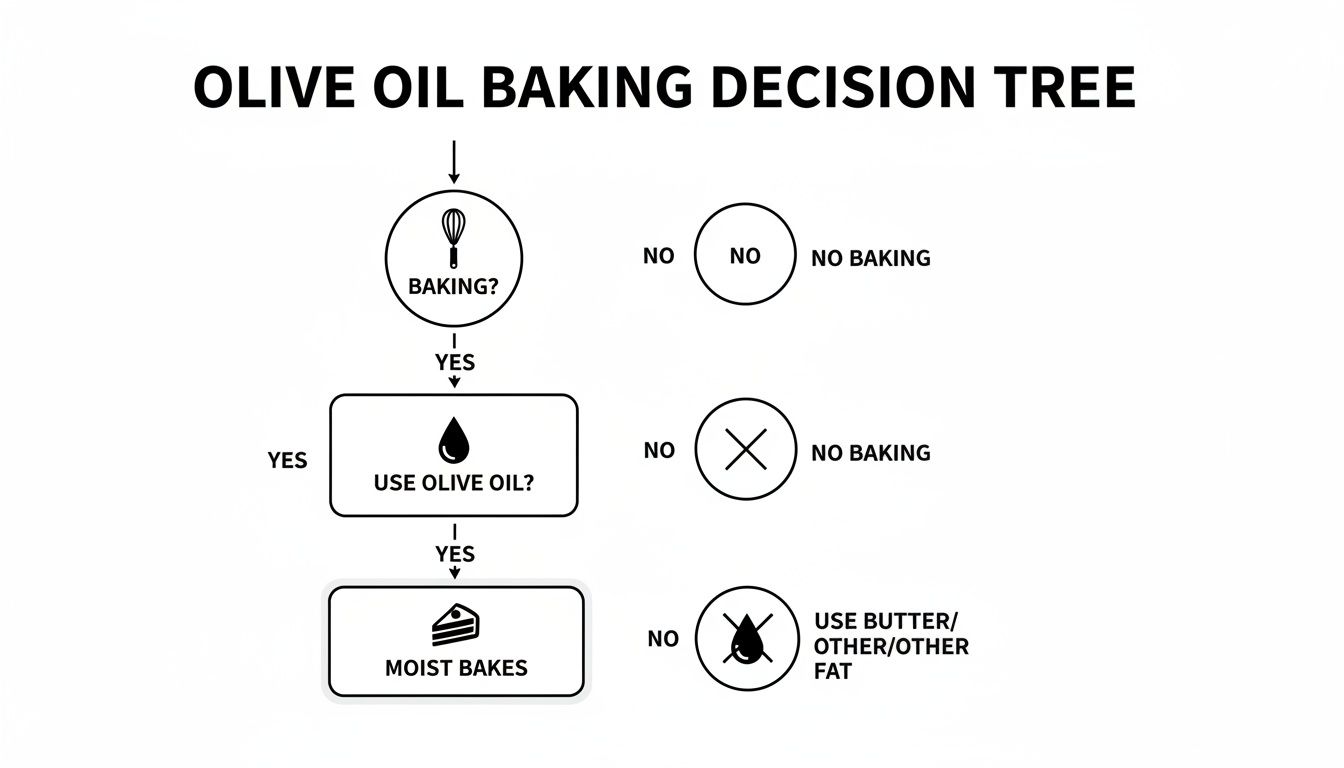
The main takeaway here is that when you want exceptionally moist results, baking with olive oil is a fantastic choice.
Matching Olive Oil to Your Baked Goods
To make it even clearer, here’s a quick guide to help you pair the right oil with your next baking project. The key is to match the intensity of the oil's flavor to the intensity of your recipe's ingredients.
| Olive Oil Type | Flavor Profile | Best For Baking… | When to Avoid |
|---|---|---|---|
| Extra Virgin (Robust) | Peppery, grassy, intense | Savory breads, focaccia, dark chocolate cakes, spiced cakes, olive oil cakes | Delicate recipes like vanilla cake or shortbread where its flavor would dominate. |
| Extra Virgin (Fruity/Mild) | Buttery, fruity, smooth | Pound cakes, carrot cake, citrus-based muffins, fruit tarts | Recipes requiring a completely neutral fat, like angel food cake. |
| Light/Refined Olive Oil | Neutral, very mild | Angel food cake, cupcakes, sugar cookies, pie crusts, delicate white cakes | When you actually want the olive oil's character to contribute to the flavor. |
| "Pure" Olive Oil | Mild, clean taste | All-purpose baking like brownies, quick breads, and coffee cakes | High-end desserts where you might want the complexity of a fine EVOO. |
Think of this table as your cheat sheet. Once you get a feel for how these different oils behave, you'll start to instinctively reach for the right bottle.
Beyond Flavor: Health And Quality
This move towards baking with olive oil isn't just about taste; it's also about its fantastic nutritional profile. People are increasingly seeking healthier alternatives in the kitchen, and olive oil fits the bill perfectly. It's packed with monounsaturated fats—up to 73% oleic acid—which makes it a great choice for anyone looking to make heart-conscious swaps in their baking.
The single greatest mistake a baker can make is treating all olive oils as interchangeable. Your mildest, most delicate oil is for your lightest cakes, while your most assertive, peppery oil is reserved for bakes that can stand up to its character.
When you're ready to grab your next bottle, understanding these differences is what sets you up for success. To help build your confidence, check out our guide on how to choose olive oil. Armed with a little knowledge, you can pick your oil like a seasoned pastry chef, ensuring your next creation is a masterpiece.
Mastering the Art of Substitution
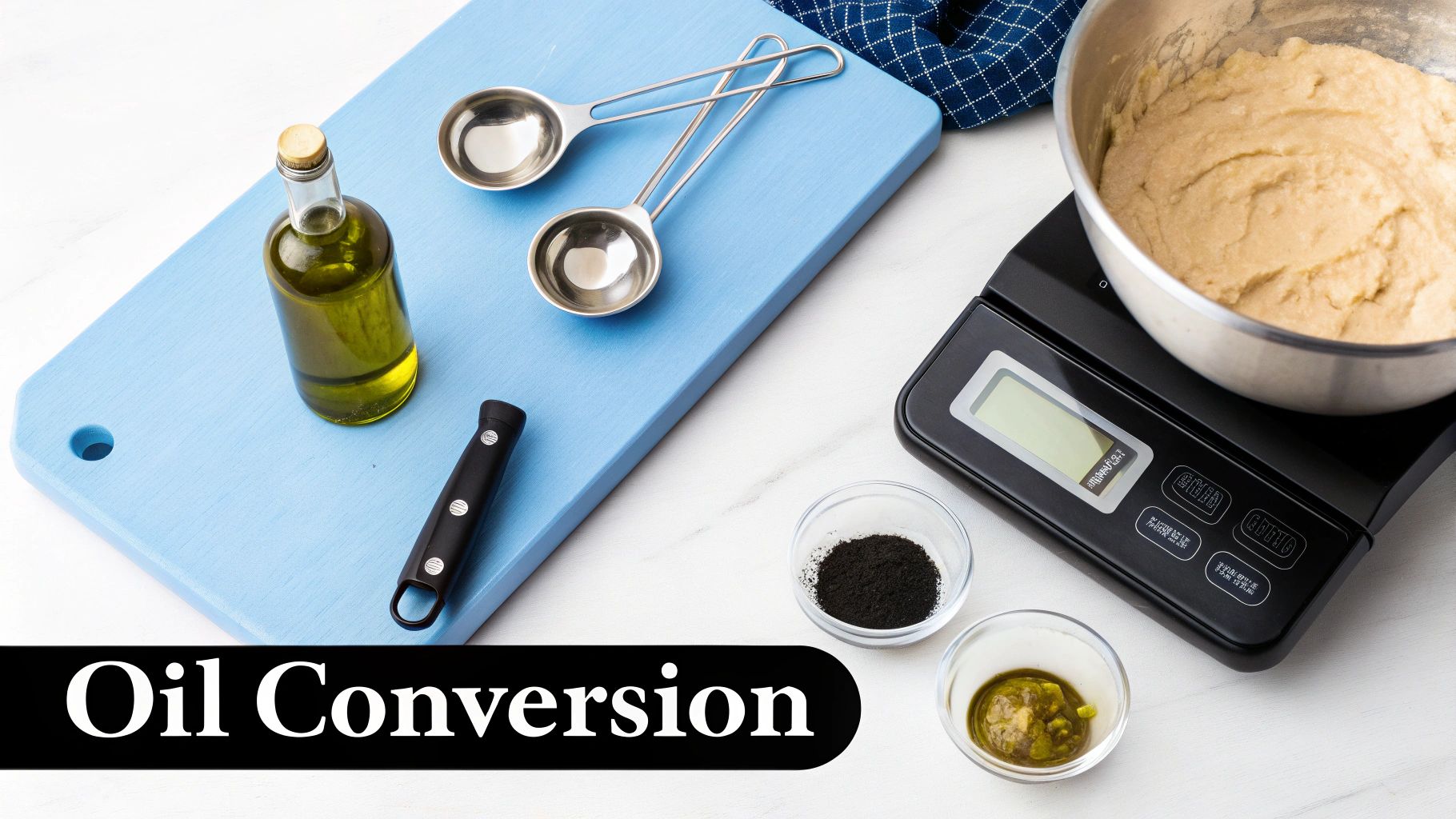
So you're convinced. You're ready to give olive oil a try in your next baking adventure. But before you dive in, remember this: baking is chemistry as much as it is art. You cannot simply pour olive oil in place of butter and expect a miracle—that’s a one-way ticket to a dense, greasy disappointment.
The good news is there’s a simple, reliable formula that works every time. Once you master this, you’ll be making the switch with the confidence of a professional.
The Golden Ratio for Replacing Butter
Here’s the thing about swapping a liquid fat for a solid one: they are not created equal. Butter isn't pure fat; it's made up of about 15-20% water and milk solids. Olive oil, on the other hand, is nearly 100% fat.
Because of that concentration, you must use a bit less olive oil than the butter your recipe calls for. The magic number to remember is the 3:4 ratio.
For every 4 tablespoons of butter in a recipe, simply use 3 tablespoons of olive oil. This simple conversion is the key to avoiding an oily texture and achieving the perfect moisture and structure in your final bake.
To make it even easier, here's a handy conversion chart you can bookmark:
| Butter Called For | Olive Oil to Use |
|---|---|
| 1/4 cup (4 tbsp) | 3 tablespoons |
| 1/3 cup | 1/4 cup |
| 1/2 cup (8 tbsp) | 1/4 cup + 2 tbsp |
| 2/3 cup | 1/2 cup |
| 3/4 cup | 1/2 cup + 1 tbsp |
| 1 cup (16 tbsp) | 3/4 cup |
Getting a feel for these differences is a game-changer for any baker. If you're curious to learn more, we put together a guide that dives deep into the nuances of olive oil vs. butter in cooking.
Substituting for Other Liquid Oils
This is where things get really simple. If your recipe already calls for a liquid fat like vegetable oil, canola oil, or even melted coconut oil, you can make a direct 1:1 swap.
That's it. Just measure out the exact same amount of olive oil. It’s an effortless way to boost the flavor and nutritional value of your baking without having to do any math.
The Secret to a Perfect Crumb
One of the biggest hurdles bakers face when switching from butter is technique. You can't "cream" a liquid oil with sugar to create those tiny air pockets that make a cake light and fluffy. So, what do you do?
You create an emulsion.
- Start by vigorously whisking the olive oil together with your eggs and sugar. Don't be shy here—really go for it for a few minutes.
- You'll know you're done when the mixture thickens, becomes paler in color, and looks completely uniform.
This crucial step forces air into the batter and makes sure the oil is suspended perfectly throughout. It's a small change in method that pays off with that incredibly moist, tender crumb that makes olive oil cakes so special.
The Flavor and Health Benefits You Can Expect
When you swap another fat for olive oil in your baking, you're doing more than just a simple one-to-one replacement. You're making a choice to upgrade your final product, unlocking a host of benefits that can take your bakes from good to genuinely fantastic. This is where the real magic happens.
Let's break down the three biggest advantages you'll notice pretty much right away.
Unlocking Deeper Flavor Dimensions
First up: flavor. A high-quality, fruity olive oil isn't just a fat; it's a seasoning in its own right.
Think about a simple lemon cake. When you make it with a neutral-tasting oil, it's fine. It's pleasant. But when you make that same cake with a bright, peppery olive oil, the citrus notes just sing. Suddenly you've created a dessert with layers of flavor that tastes complex and almost gourmet.
This holds true for so many other recipes. The earthy, sometimes nutty notes in olive oil can make chocolate brownies taste even richer and fudgier. Its subtle grassy quality can turn an ordinary spice muffin into something truly special. You're not just adding fat for moisture; you're adding character.
The biggest surprise for most bakers is finding out that olive oil doesn't make things taste "oily." Instead, it makes them taste more like themselves. It acts as an amplifier for the other ingredients, adding a background richness that's both subtle and profound.
The Secret to Lasting Moisture and Tenderness
Next, let's talk about texture. This is arguably olive oil's greatest gift to a baker.
The science here is pretty simple. Since olive oil is a liquid fat, it coats the proteins in flour more thoroughly than a solid fat like butter can. This action gets in the way of gluten development, which is exactly what you want for a crumb that's exceptionally tender and delicate.
What does that mean for you? It means your bakes come out of the oven incredibly moist. Even better, they stay moist. Cakes, muffins, and quick breads made with olive oil are much slower to dry out, staying soft and fresh for days longer than those made with butter.
A Healthier Way to Indulge
Finally, you can't ignore the impressive health perks. Baking with olive oil lets you enjoy your favorite treats with a little less guilt and a lot more goodness.
It's loaded with monounsaturated fats, the "good fats" celebrated for being heart-healthy. For a deep dive, you can explore the complete olive oil nutrition facts in our guide.
But the benefits don't stop there. Extra virgin olive oil is also packed with powerful antioxidants called polyphenols, which help fight oxidative stress in the body. This more health-conscious approach to baking has been the norm in Europe for ages—countries like Spain, Italy, and Greece produce over 65% of the world's supply. By making this simple switch, you're not just baking a better cake; you're baking a smarter one.
Recipe Ideas Where Olive Oil Truly Shines
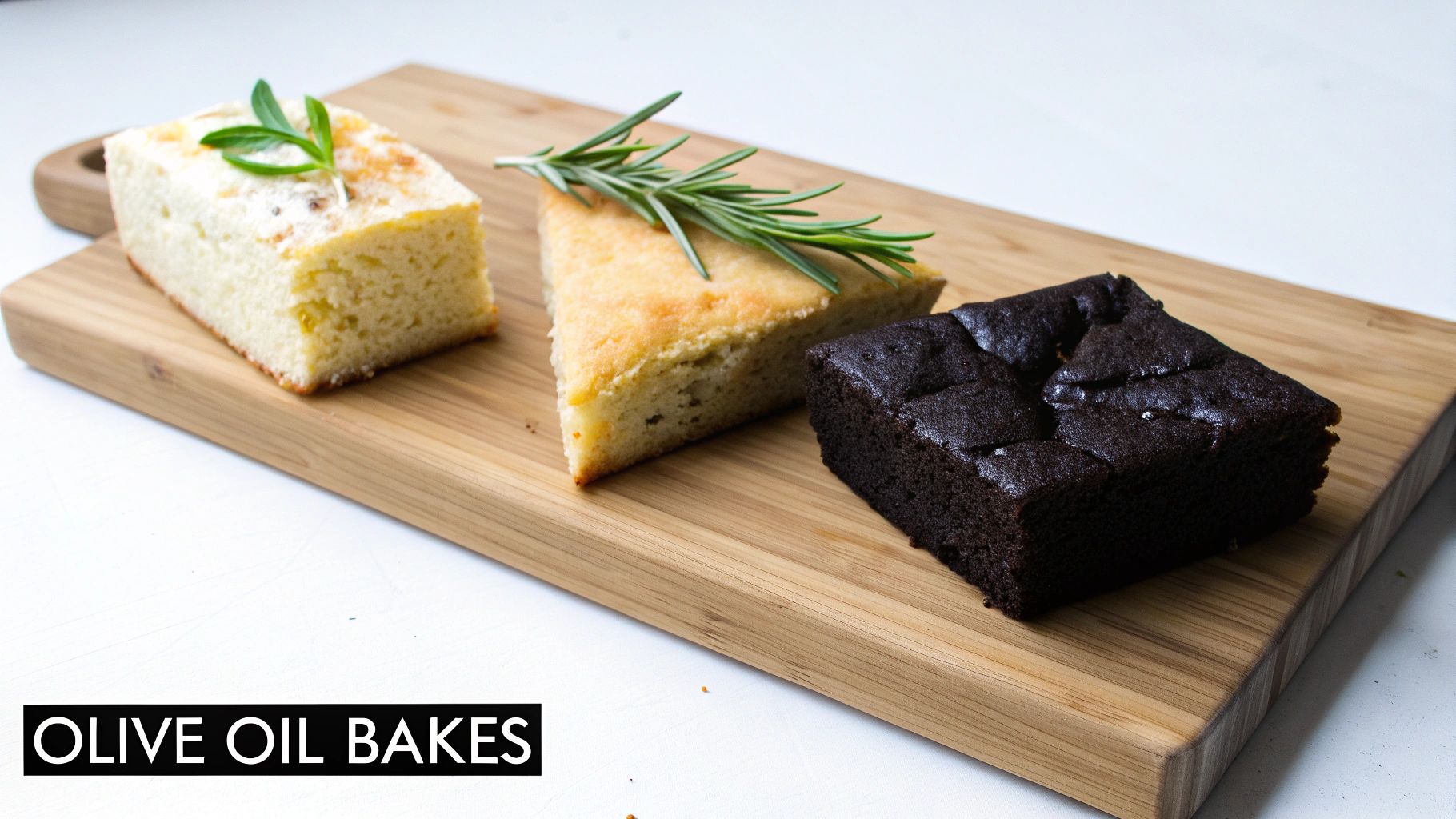
Reading about baking with olive oil is one thing, but actually tasting the results? That's what makes you a true believer. This is where the fun starts.
Think of this as your launchpad for experimentation. It's a collection of ideas that proves olive oil isn’t just a substitute—it’s often the ingredient that takes a good recipe and makes it great. Let's move beyond the classic olive oil cake and explore where it makes a real, tangible difference you can taste.
Sweet Bakes With a Sophisticated Twist
Imagine a batch of fudgy, dark chocolate brownies. Now, picture them made with a robust, peppery extra virgin olive oil. The oil doesn't just add moisture; its bitterness deepens the cocoa's complexity and leaves a sophisticated, slightly spicy finish on your palate. It’s an unlikely pairing that just works.
Or how about a tender lemon and poppy seed muffin? A light, fruity olive oil gives it a delicate, almost velvety crumb that melts in your mouth. Instead of competing with the citrus, the oil enhances it, making the flavor cleaner and more vibrant.
Here are a few starting points:
- Citrus-Based Cakes and Loaves: Lemon, orange, or grapefruit recipes are a natural fit. A fruity EVOO complements the zest perfectly and creates an unbelievably moist crumb.
- Spiced Breads: Think pumpkin, zucchini, or carrot bread. The earthy notes in a good olive oil stand up beautifully to warm spices like cinnamon and nutmeg.
- Nut-Based Desserts: The flavors in almond cakes or pistachio cookies are beautifully enhanced by the subtle, buttery notes of a milder olive oil.
The secret isn't just swapping one fat for another; it's about creating intentional flavor pairings. A bold, grassy olive oil with rich chocolate is a power couple. A delicate, buttery olive oil with vanilla and almond is a match made in heaven.
Savory Breads Where Olive Oil Is King
Now, let's talk about savory baking. Here, asking "can I use olive oil for baking" isn't even a question—it’s practically a requirement. This is olive oil’s home turf.
Picture a rustic rosemary focaccia, its surface dimpled and glistening. That shatteringly crisp crust and chewy, airy interior? That’s the magic of a generous amount of high-quality extra virgin olive oil at work. It’s what gives focaccia its signature flavor and texture.
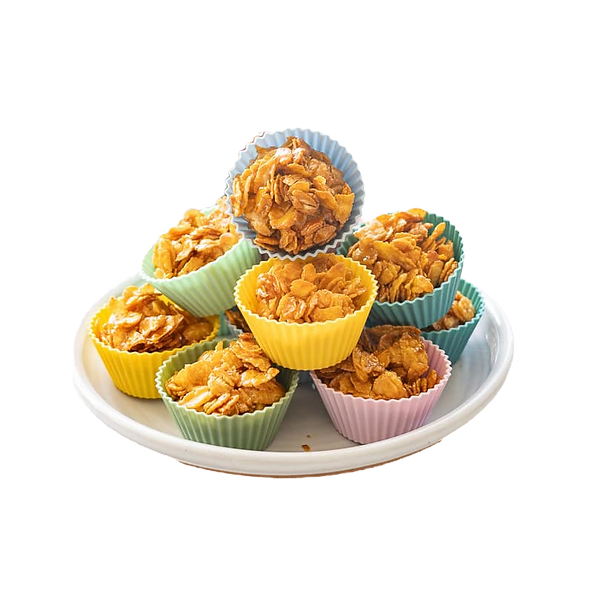
Even when you're looking for dessert inspiration, you can find unique ideas in unexpected places. Thinking about how different fats work in recipes like these Honey Cornflakes cakes can spark new creativity in your own kitchen.
Ready to start experimenting? Our collection of https://learnoliveoil.com/baking-with-olive-oil-recipes is the perfect place to begin your journey and find your next favorite bake.
Common Questions About Baking with Olive Oil
Diving into a new baking ingredient can feel a bit like flying blind, even when you have the right recipe. When people first consider swapping butter or other oils for olive oil, a few key questions always come up. Let's clear the air on these common concerns so you can get baking with total confidence.
Think of this as your pre-flight check before you even touch the oven dial. Getting these answers straight will make your baking adventures with olive oil delicious from the start.
Will My Cake Taste Like Salad Dressing?
This is, without a doubt, the number one fear I hear. And the answer is a resounding "no"—as long as you pick the right oil for the job. The real secret is matching the oil’s flavor intensity to your recipe.
For something delicate like a classic vanilla sponge or a light angel food cake, you’ll want to reach for a "light-tasting" or refined olive oil. It gives you all the incredible moisture without bringing any of its own flavor to the party. It’s the perfect behind-the-scenes ingredient.
On the other hand, when you're working with bigger, bolder flavors—think dark chocolate brownies, a zesty lemon loaf, or anything with warm spices—a fruitier extra virgin olive oil can be a game-changer. It doesn't just add moisture; it adds a subtle, peppery complexity that makes the final product even better.
Is It Safe to Bake with Olive Oil's Smoke Point?
Let's bust this myth once and for all. A good quality olive oil typically has a smoke point somewhere between 375°F and 410°F. This is comfortably above the temperature for most home baking, which usually hovers around 350°F to 375°F.
Olive oil is surprisingly stable when heated in an oven. You really don't have to worry about it breaking down, smoking up your kitchen, or creating any weird flavors in your cakes, muffins, or cookies. It’s a perfectly safe and reliable choice.
Can I Still Cream Olive Oil with Sugar?
This is where technique comes into play. You can't "cream" a liquid fat like olive oil with sugar the way you would with solid butter. That creaming process is all about beating air into solid fat to create a light, fluffy texture. So, what do you do instead?
You create an emulsion. Rather than creaming, you'll vigorously whisk the olive oil, sugar, and eggs together for a few minutes. This forcefully whips air into the batter and suspends the oil evenly, giving you a slightly denser but incredibly moist and tender crumb that many people actually prefer.
This simple shift in how you mix is the key to that wonderful texture. And remember, the quality of your oil matters. Always store it in a cool, dark place to keep it fresh. If you’re ever unsure, it’s worth learning how to spot olive oil rancidity to protect your baked goods from off-flavors.
At Learn Olive Oil, we believe that understanding your ingredients is the first step to becoming a better baker. Explore our resources to master the art of choosing, tasting, and cooking with the world's finest olive oils.
Discover the World of Premium Olive Oil at https://learnoliveoil.com
 Learn Olive Oil
Leave a comment