Unfiltered extra virgin olive oil is the unstrained, cloudy elixir that holds every ounce of flavor and vitality. Each swirl reveals natural sediment and potent polyphenols, delivering a richer taste and a cascade of health benefits.
Discover Unfiltered Extra Virgin Olive Oil
I still remember stumbling upon a squat, cloudy bottle in a sun-dappled Tuscan market. The sunlight glinted off its golden-green surface, and those flecks of olive matter looked like summer dust dancing at the bottom. Untwisting the cap unleashed a fresh orchard breeze with a peppery thrill—and I knew I’d uncovered something extraordinary.
This guide matters because unfiltered EVOO is the purest olive expression you can buy. Instead of a polished, filtered version, it brings a vibrancy and nutrition profile you simply won’t find elsewhere.
Along the way, you’ll gain:
- Production Secrets that reveal why minimal processing supercharges polyphenols
- Tasting Techniques to pinpoint peppery heat, fruity brightness, and silky texture
- Health Insights on antioxidants, anti-inflammatory compounds, and cardiovascular support
- Storage Strategies to preserve peak freshness, bottle after bottle
- Buying Tips for selecting the most vibrant, recently pressed batches
- Recipe Ideas that show unfiltered EVOO at its absolute best
Why Unfiltered EVOO Stands Out
Imagine unfiltered oil as a fresh-pressed juice that skips the strainer. Every droplet of olive flesh stays behind, acting like little flavor amplifiers that coat your palate with silk and substance.
It’s a harvest-day snapshot—cloudiness and live enzymes included.
“Unfiltered EVOO is the purest symphony of olive fruit, playing every note from grove to glass.”
By the end of this article, you will know exactly how to taste, store, and choose the perfect unfiltered extra virgin olive oil. Prepare to elevate every dish you touch.
What You’ll Gain
Insider production lore, tasting rituals, health breakdowns, storage blueprints, buying shortcuts, and inspired recipes—all to transform your kitchen and well-being.
For the full story on that signature haze, visit our guide on why olive oil gets cloudy.
In the coming pages, vivid anecdotes, practical pointers, and science-backed facts await. Your senses—and your guests—are in for a treat.
Understanding Unfiltered Extra Virgin Olive Oil
Unfiltered extra virgin olive oil is like a craft-brewed beer that skipped the fine mesh strainer—intentionally. Tiny droplets of olive pulp and the finest sediment cling to the oil, giving it its signature cloudiness.
This minimal-process choice locks in polyphenols, heightens natural aromas, and preserves those silky lipids that make each drop sing.
- Flavor Intensity surges as olive particles mingle with the oil, delivering a peppery crescendo.
- Mouthfeel becomes richer—imagine a velvet ribbon gliding across your tongue.
- Nutrient Profile climbs as more antioxidants stay intact thanks to gentle handling.
Process Effects On Quality
By forgoing that last filtration step, microscopic water droplets and olive fragments remain, carrying powerful antioxidants—oleocanthal chief among them.
Spain leads the charge, producing roughly 40% of the world’s extra virgin olive oil—1,419,128 tons in 2024/25, up 66% from last year’s drought. Check the full olive oil market report for the hard numbers.
The payoff? A bolder, outright expressive taste and a luxuriously creamy texture. The trade-off? You’ll want to move quickly before those sediments begin to settle and mellow.
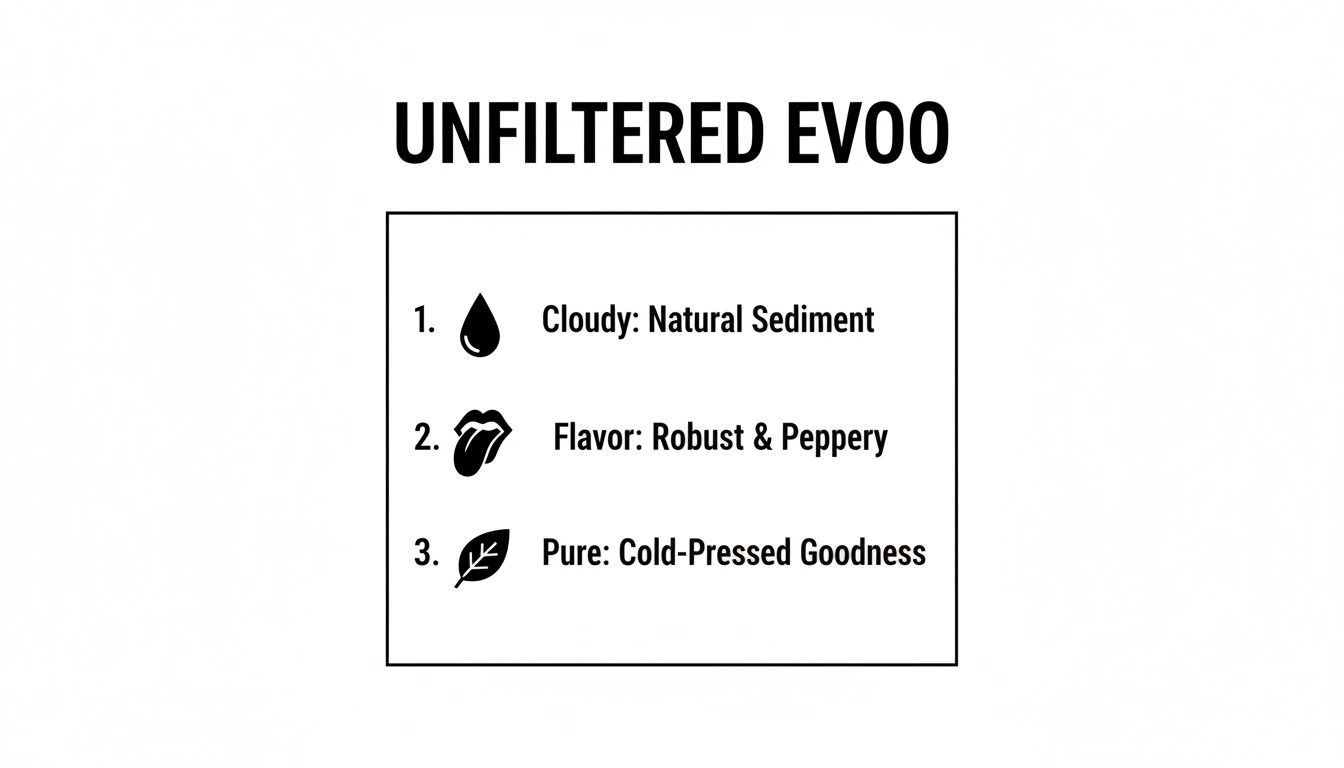
Filtered Versus Unfiltered EVOO Comparison
| Characteristic | Filtered EVOO | Unfiltered EVOO |
|---|---|---|
| Clarity | Crystal clear | Cloudy with visible sediment |
| Nutrient Content | Moderate antioxidant levels | Higher antioxidants and polyphenols |
| Flavor Intensity | Mild and smooth | Robust and peppery |
| Typical Shelf Life | 18–24 months | 12–18 months |
Choose unfiltered EVOO if you crave full-tilt flavor—just be ready to use it sooner.
Clarity And Shelf Life
Filtered extra virgin olive oil arrives polished and clear after paper or mechanical filtration. Unfiltered oil wears its haze like a badge of authenticity.
To capture its freshest edge, consume unfiltered EVOO quickly.
Flavor And Texture Impact
Every spoonful of unfiltered EVOO offers a layered journey—first a silky glide, then a subtle graininess, the unmistakable signature of pure olive matter.
“Unfiltered EVOO is like tasting the fruit in its rawest form.” — Chef Ricardo Silva
Try these simple showcases:
- Caprese Salad: Drizzle over ripe tomatoes and fresh mozzarella for an aromatic lift.
- Warm Soup: Stir in a teaspoon right before serving to unlock deeper aromas.
- Rustic Bruschetta: Brush on grilled bread, sprinkle sea salt, and let those olive particles shine.
Look for unfiltered EVOO in dark glass bottles—to shield its precious compounds from light. Embrace the haze as proof of something genuine.
Key Takeaway Summary
Unfiltered extra virgin olive oil trades some stability for unapologetically raw taste, higher antioxidants, and a richer mouthfeel. Store it well, savor it fast, and let its living character transform your cooking.
Learn more about classification standards in our detailed guide on extra virgin olive oil definition.
How Unfiltered Extra Virgin Olive Oil Is Made
Every drop of unfiltered extra virgin olive oil begins under cool, early-morning skies. Olives, heavy with flavor, hang on sunlit branches—waiting for the moment they’ll be pressed to perfection.
Think fresh-pressed juice versus a smoothie that holds its pulp. Skipping the fine mesh leaves tiny fruit particles that add depth and a creamy mouthfeel.
- Harvest olives at peak ripeness before dawn
- Transport fruit swiftly to the mill
- Cold-press the paste below 27°C
- Bottle the oil without filtering out sediments
Harvesting And Crushing
Harvest crews move silently in the morning cool. Handpicking preserves the fruit’s integrity; mechanical shakers speed up the process without bruising the olives.
At the mill, crushers—ancient stone wheels or modern stainless steel—turn olives into a paste in minutes.
“Cold crushing locks in those fresh aromas and powerful antioxidants,” says a veteran miller.
Extraction And Settling
The olive paste journeys into a malaxer for slow, gentle mixing—coaxing oil droplets to form without heat spikes.
Then the mix flows into centrifuges or gravity tanks, separating heavier water and solids from golden oil. Unfiltered extra virgin olive oil stops here—no fine filters to strip out those lush sediments.
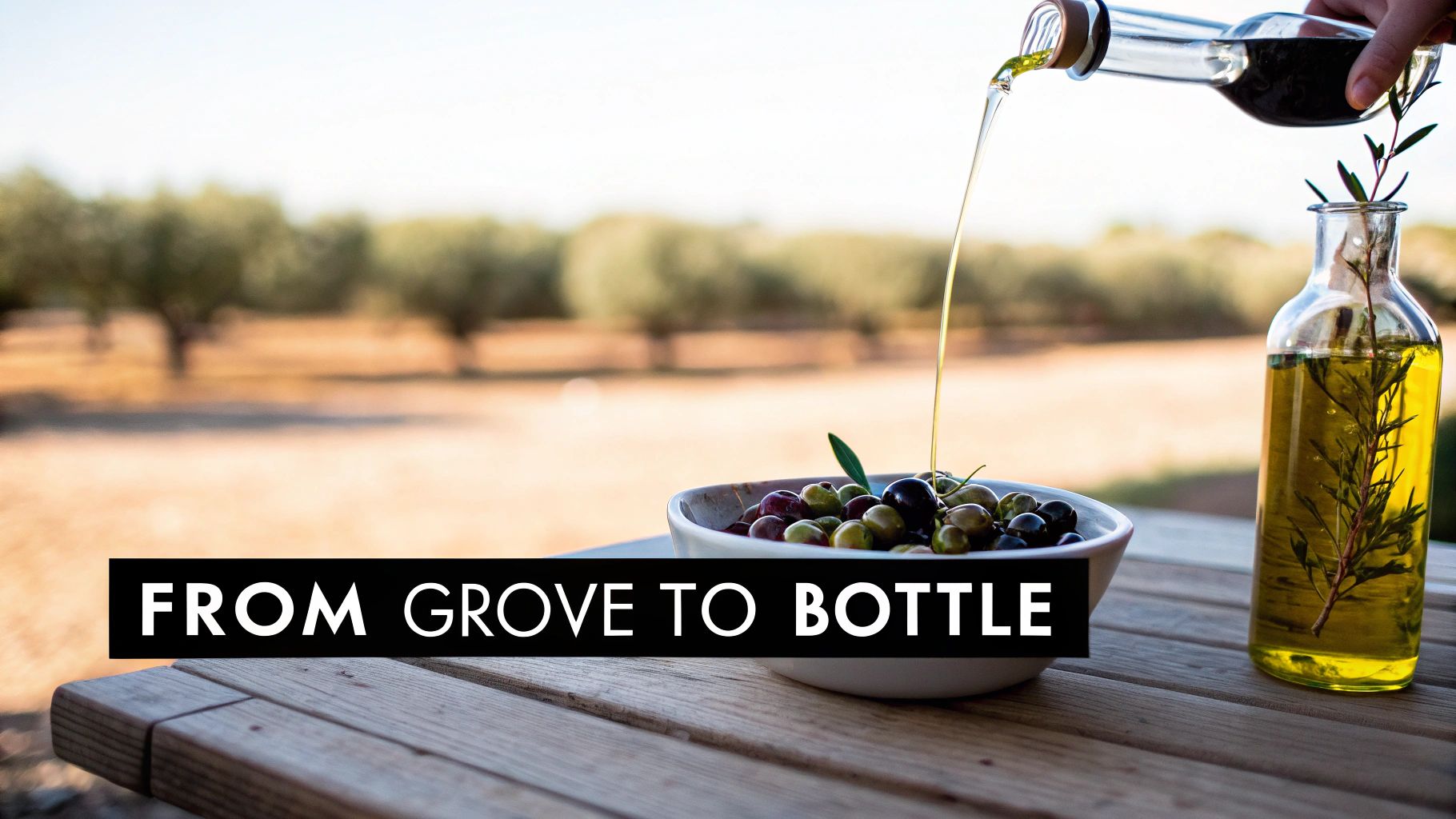
This screenshot shows a traditional production line: crushing and separation stages shape quality and clarity.
Crowning The Cloudy Drop
Bottling is the final flourish. Dark glass bottles shield against light, while the cloudy haze inside whispers of unfiltered goodness.
That slight turbidity—packed with phenolics and micro-droplets—announces freshness and character.
| Step | Filtered Oil | Unfiltered Oil |
|---|---|---|
| Filtration | Yes | No |
| Sediment Retained | No | Yes |
| Polyphenol Content | Moderate | Higher |
| Flavor Intensity | Mild | Bold |
Small, rapid-turnaround batches keep sediments lively. The longer you wait, the more the taste softens. Learn more about olive oil extraction in our deep dive at Learn Olive Oil.
Chasing Freshness
Time is a miller’s rival. To capture vibrant green notes or a peppery zing, oil must hit the bottle within 24 hours of pressing.
Delays invite oxidation, dulling bright flavors into something flat. Sealed tight, the oil carries its live, garden-fresh energy from grove to kitchen.
Temperature And Timing
Keeping the mill environment cool—at or below 27°C—is nonnegotiable. Even a small heat spike wakes enzymes that mute delicate aromas.
- Limit malaxation to 20–30 minutes
- Separate oil from paste within four hours of harvest
- Monitor temperatures closely throughout
Speed is the miller’s silent partner; every minute counts toward keeping that oil alive.
“Every second saved is a note of flavor preserved.”
Modern Techniques
Today’s masters blend time-honored stone milling with efficient centrifugation. This hybrid respects tradition while ensuring consistency.
A Tuscan mill might tweak malaxation speed to coax herbal, fruity, and peppery layers from a single variety. The result is unfiltered extra virgin olive oil that dances across your palate—dynamic, lively, unmistakably fresh.
Exploring Flavor Aroma And Health Benefits
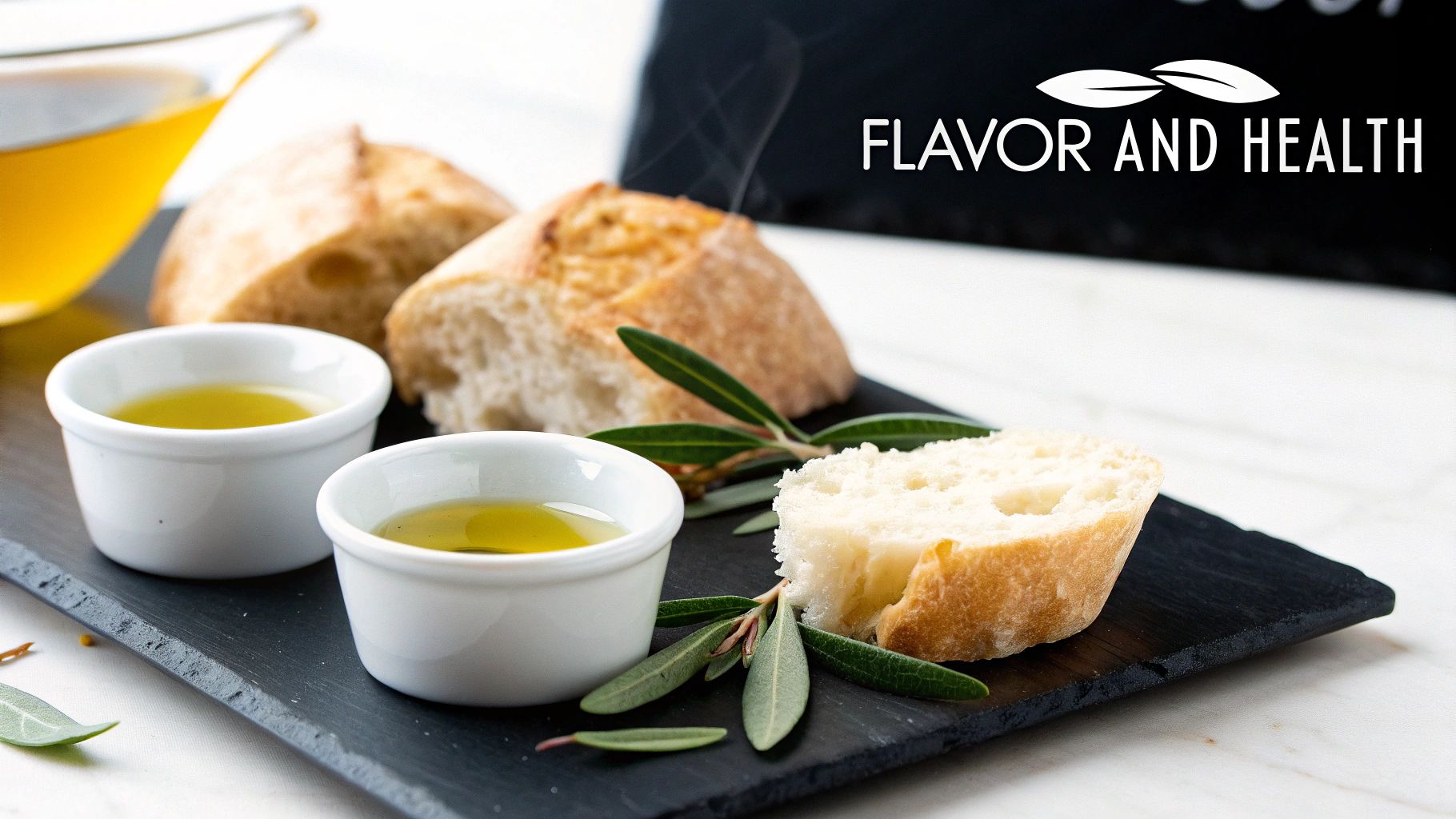
Unfiltered extra virgin olive oil greets you with a peppery punch and fresh, grassy notes—like biting into a crisp green olive in a dawn-lit orchard. Beyond taste, that gentle cloudiness carries the health story.
Every swirl releases:
- A sharp peppery heat at the throat—proof of active polyphenols
- An herbaceous aroma of cut grass and green tomato leaves
- A subtle fruity sweetness echoing just-ripe olives
These cues hint at its health potential.
Understanding Key Antioxidants
Unfiltered EVOO owes its vitality to polyphenols: oleocanthal, hydroxytyrosol, oleuropein, and oleacein. Together they defend against oxidative stress and inflammation.
Key Antioxidants And Their Benefits
| Compound | Concentration Range | Health Benefit |
|---|---|---|
| Oleocanthal | 100–300 mg/kg | Anti-inflammatory support |
| Hydroxytyrosol | 2–10 mg/kg | Free-radical scavenging |
| Oleuropein | 50–200 mg/kg | Cardiovascular protection |
| Oleacein | 50–150 mg/kg | Endothelial function enhancement |
Harvest Timing Impact
When olives meet the press shapes your oil’s character.
- Early Harvest: Intense green notes, vivid peppery finish
- Mid Harvest: Balanced fruit and spice interplay
- Late Harvest: Softer mouthfeel, gentle fruity sweetness
Knowing these stages helps you pick an oil that matches your palate.
Home Tasting Protocol
Sharpen your senses at home:
- Pour a small amount into a tulip-shaped glass.
- Cup the glass to warm the oil and trap aromas.
- Inhale—note herbaceous and fruit-driven scents.
- Swirl, then sip to coat your tongue.
This ritual trains your palate to discern subtle differences. For more on these compounds, see our guide on high polyphenol olive oil.
Market Trends And Statistics
Unfiltered olive oil is stealing market share. In Europe, EVOO sales hit 52.8%, rising from $15.6B in 2025 to a projected $19.8B by 2035 at 2.4% CAGR. Cooking applications alone account for 48.7% of demand. Full details at olive oil market trends.
Science-Backed Wellness Perks
Beyond vivid flavor, unfiltered EVOO offers:
- Cardiovascular Support: Polyphenols bolster blood vessel health
- Anti-Inflammatory Action: Oleocanthal mimics low-dose ibuprofen
- Antioxidant Defense: Hydroxytyrosol neutralizes free radicals
Drizzle it over salads, dip warm bread, or finish hot dishes to capture peppery warmth and nourish your body.
Storage And Shelf Life Guidelines
Preserving unfiltered extra virgin olive oil’s bright, grassy edge takes a little strategy. It’s alive with sediment and micro-droplets that react quickly to light, heat, and air. Treat it right, and you’ll be rewarded every time.
Choosing The Right Bottle
Your bottle matters almost as much as the oil inside. Dark glass blocks UV rays that break down antioxidants. A snug cap stops oxygen from sneaking in.
- Dark glass shields against light
- Secure caps lock in freshness
- Smaller bottles encourage timely use
Avoid clear decanters—they turn your oil into a greenhouse. Steer clear of clear plastic or metal lids without food-grade lining.
Store bottles upright at 12–15°C, far from ovens or windows. Check caps monthly and never stash oil in damp basements.
“Light, heat, and air are olive oil’s worst enemies.” — Olive oil sommelier
Understanding Sediment Effects
Think sediment like yeast in beer—active, giving depth but ticking a freshness clock. Over time it settles or even ferments, changing the flavor.
- Handle gently—no shaking
- Let sediment settle before pouring
Rotate smaller bottles so fresh oil reaches your plate, not stale sediment.
| Temperature Range | Recommended Shelf Stability |
|---|---|
| 8–12°C | 18 months |
| 15–20°C | 12 months |
- Mark bottles with opening dates.
- Store upright to limit oxidation.
- Keep away from heat sources.
- Use within three months of opening for peak taste.
More tips at Learn Olive Oil.
Refrigeration Myths
Should you refrigerate olive oil? Chilling slows oxidation but invites moisture and cloudiness. That fog isn’t spoilage—it vanishes at room temperature.
- Warm chilled oil to 20°C before tasting
- Avoid cold-to-warm cycles
- Store consistently cool and dark instead
When in doubt, trust your nose. If it still smells green and peppery, you’re good.
Practical Culinary Uses And Buying Advice
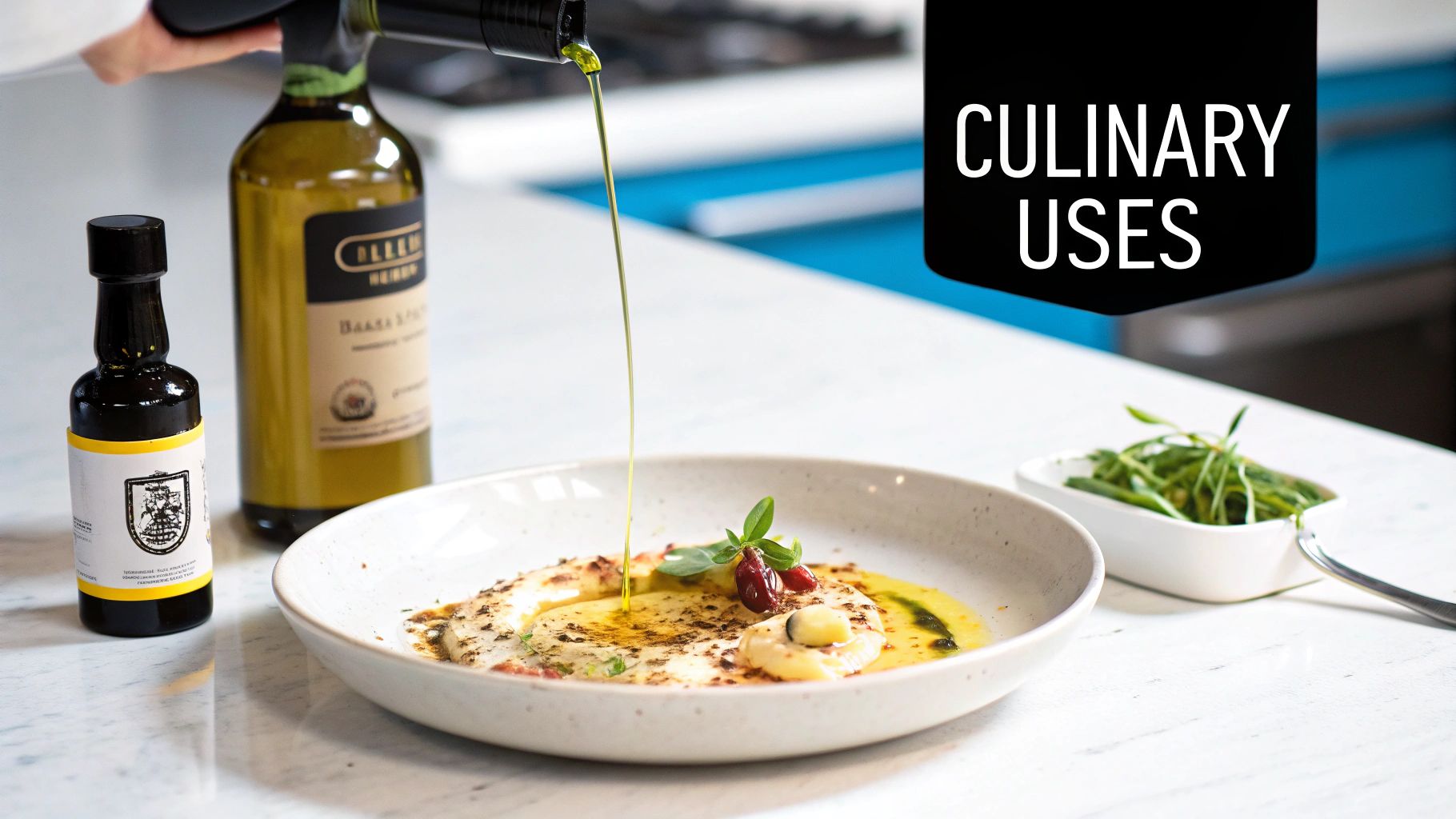
Unfiltered extra virgin olive oil shines on both casual salads and festive spreads. A gentle drizzle transforms grilled veggies into a smoky-bright symphony. A teaspoon stirred into warm soup adds silkiness and aroma.
- Finishing Drizzle Over Salads: Ripe tomatoes, torn basil, amplified freshness.
- Creamy Soup Enrichment: A swirl at the end layers in depth.
- Marinade Booster: Sediment helps spices and herbs cling.
- Rustic Baking: Stir into dough for unmistakable olive nuance.
Creative Culinary Techniques
Marinate chicken or fish in unfiltered EVOO so herbs cling to every fiber. Drizzle over warm pasta with garlic, parsley, and lemon zest. A splash on steamed greens or grains accentuates natural textures.
- Pasta Toss: 1 Tbsp oil with garlic, parsley, zest.
- Grain Salad Drizzle: Brighten quinoa or farro bowls instantly.
- Sweet Finish: Whisper oil on vanilla ice cream for olive oil gelato vibes.
- Egg Companion: Spoon over scrambled eggs or omelets for silkiness.
Pairing Oils With Ingredients
A fruity unfiltered oil dances with oysters or grilled prawns—sweet olive notes echoing brine. A peppery batch cuts through roasted root vegetables, spotlighting golden edges.
| Oil Profile | Best Pairing | Flavor Match |
|---|---|---|
| Fruity | Seafood | Sweet meets saline |
| Peppery | Roasted Roots | Spicy against sweet |
| Herbal | Grilled Meats | Green freshness boost |
| Mellow | Desserts or Fruit Salads | Subtle, sweet undertones |
Reading Labels To Choose Quality
Decipher an oil label like a roadmap to flavor. Hunt for a harvest date—no more than six months old. Look for PDO or PGI seals to confirm origin.
Check the container: dark glass bottles or food-grade tins shield antioxidants. Avoid clear plastic.
- Harvest Date: Most recent pressing wins.
- Origin Seal: PDO/PGI guarantee standards.
- Sensory Notes: Grassy, peppery, or fruity hints.
- Extraction Method: “Cold-pressed” and “unfiltered.”
Global factors shift availability and price. Production soared in 2024/25 but may dip 10% to 3.02M tons in 2025/26 amid erratic weather. EU output falls from 2.079 to 1.98M tons. Meanwhile, US imports of unfiltered EVOO jumped 98.7% to 66,049 tonnes in June 2025—health-driven demand in action. Learn more about olive oil trends on Usetorg
Sourcing From Small-Batch Producers
Buying direct from small-batch artisans gives you behind-the-scenes access—harvest dates, pressing methods, all of it. Specialty shops often feature tasting bars where you can sniff, swirl, and sample before committing.
- Harvest Season Sales: Snap up oil right after fall pressing when prices dip.
- Tasting Bars: Compare varietals side by side to refine your palate.
- Direct Farm Purchases: Order from growers for maximum freshness.
- Cooperative Bottlings: Regional groups bottle small harvests together.
I’ll never forget my first taste at a coastal market stall. That cloudy bottle whispered promise; one sip on crusty bread, and I walked away with not one, but two bottles.
“Trust your nose and taste buds—they know quality before labels ever can.” — Local Olive Oil Sommelier
Embrace these tips and make unfiltered EVOO your kitchen companion. Here’s to bold flavors and joyful cooking!
Frequently Asked Questions
Q1. What makes unfiltered extra virgin olive oil different?
Unfiltered extra virgin olive oil carries tiny droplets of olive pulp and sediment, giving it a soft cloudiness rather than a gleaming clarity. Those particles trap polyphenols and antioxidants, resulting in a full-bodied texture and peppery bite that filtered oils can’t match.
Think of it as a craft beer keeping its yeast for extra flavor—only here, it’s pure olive goodness.
- Cloudy texture adds depth and complexity.
- Heightened flavor with robust fruitiness and spicy finish.
- Up to 20% more polyphenols than filtered variants.
Q2. How long does unfiltered EVOO stay fresh?
Stored properly, unfiltered EVOO stays at its peak 12–18 months from harvest. Once opened, aim to use it within three months—that’s when flavor and health benefits shine brightest.
Lock in freshness by:
- Keeping it in dark glass, away from light and heat.
- Storing at 12–15°C.
- Sealing tightly and noting the opening date.
Cooking And Tasting Tips
In my kitchen, unfiltered EVOO is the secret finishing touch—drizzled over a salad or stirred into warm grains. Avoid high-heat frying to protect those delicate antioxidants.
Use it as a finishing oil on salads, soups, or grilled vegetables. Stir a teaspoon into warm pasta just before serving.
| Indicator | What to Look For |
|---|---|
| Color | Bright green or golden-green hue |
| Clarity | Soft cloudiness with fine, evenly suspended sediment |
| Aroma | Fresh, grassy notes with a peppery bite |
| Label Details | Recent harvest date (within six months) and “cold-pressed” |
“Trust your taste buds to guide you to the freshest unfiltered EVOO.”
Now you know how to select, store, and enjoy unfiltered extra virgin olive oil at its very best. Embrace its cloudy charm and let its vibrant flavor elevate every meal.
Ready to taste the difference? Visit Learn Olive Oil to explore premium unfiltered extra virgin olive oils and discover your new pantry staple today!

 Learn Olive Oil
Leave a comment