Understanding What Makes High Polyphenol Olive Oil Different
High polyphenol olive oil distinguishes itself from standard olive oils through its notably higher concentration of polyphenols. These compounds, while comprising only about 2% of the oil, function as powerful antioxidants offering a wide array of health benefits. The difference isn't simply about taste; it's about the potential positive impact on overall well-being. But what exactly are polyphenols, and why are their levels in olive oil important?
Decoding Polyphenols and Their Significance
Polyphenols are naturally occurring micronutrients present in numerous plant-based foods, including olives. They contribute to olive oil's flavor profile, often described as peppery or bitter. However, their true strength lies in their antioxidant properties. Antioxidants protect the body against free radicals, unstable molecules that can damage cells and contribute to aging and disease. This makes high polyphenol olive oil a valuable component of any health-conscious diet.
The infographic below visualizes the difference in polyphenol content between standard extra virgin olive oil (EVOO) and high polyphenol EVOO, and also indicates the recommended daily intake:
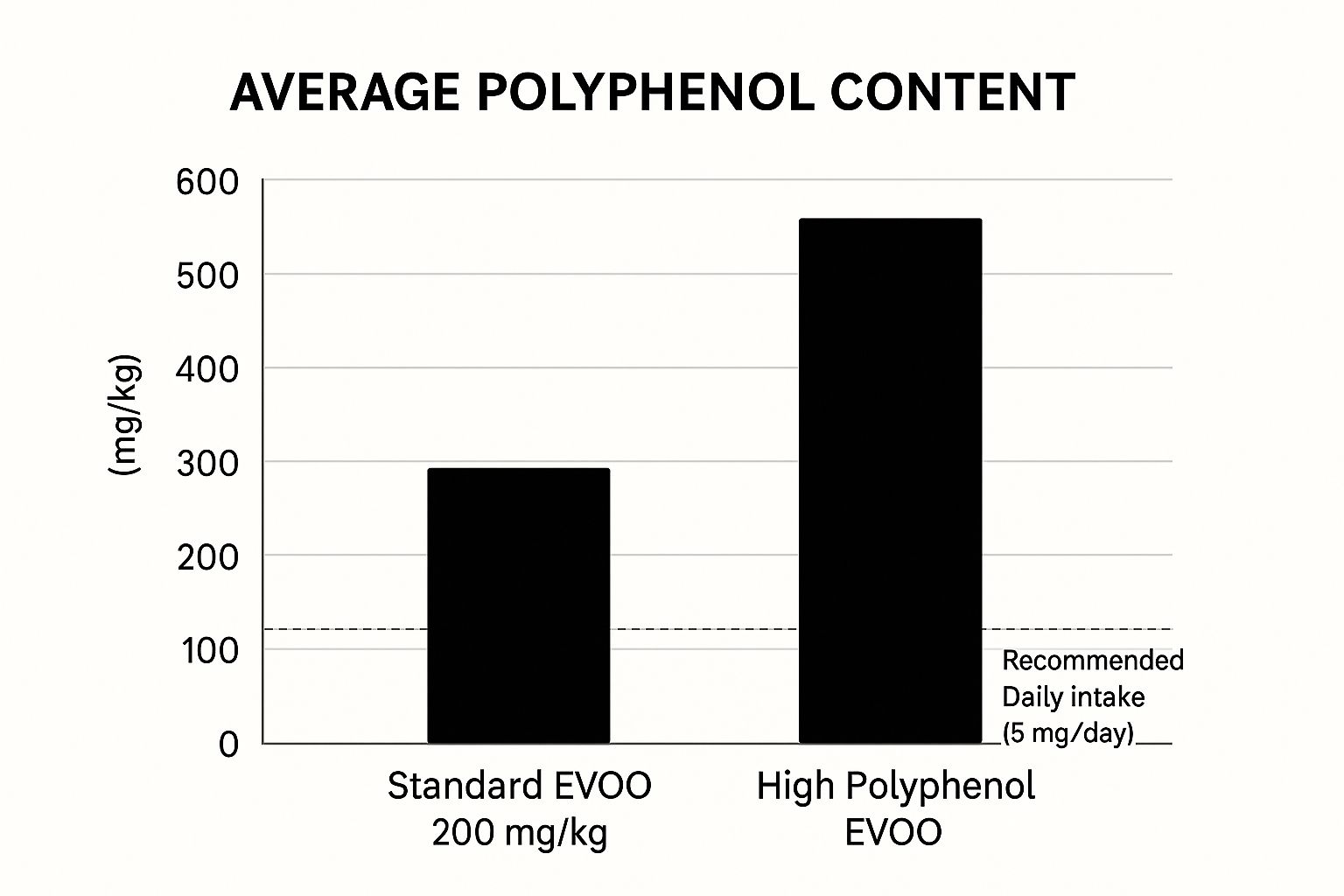
As the infographic illustrates, high polyphenol EVOO contains significantly more polyphenols than standard EVOO, frequently surpassing the recommended daily intake in smaller servings. This difference can substantially impact the potential health benefits. The health benefits of high polyphenol olive oil are well-documented, earning it a 'superfood' designation in the culinary and health worlds. Learn more about the benefits of high polyphenol olive oil here.
Factors Influencing Polyphenol Content
Several factors contribute to the polyphenol content of olive oil. The olive variety itself plays a significant role, as some varieties naturally possess higher levels. Harvest timing is also key, with polyphenol levels peaking in early-harvested green olives.
The processing method is another important factor. Cold-pressed oils retain more polyphenols because heat and chemicals used in other methods can degrade these sensitive compounds. Proper storage is crucial as well. Exposure to light, heat, and air can reduce polyphenol content over time. Opt for dark glass bottles and store them in a cool, dark place.
Measuring Polyphenol Levels and What They Mean
Polyphenol levels in olive oil are measured in milligrams per kilogram (mg/kg). While there isn't a universally standardized definition of "high polyphenol," oils containing 500 mg/kg or more generally fall into this category. This concentration is substantially higher than the average of approximately 200 mg/kg found in standard EVOOs.
Understanding these figures allows for informed decisions when selecting olive oil. This knowledge empowers consumers to choose oils that genuinely deliver on their health promises, contributing to long-term well-being.
To further illustrate the differences in polyphenol content, let's examine the following table:
Polyphenol Content Comparison Across Olive Oil Types
| Olive Oil Type | Polyphenol Content (mg/kg) | Health Benefits | Processing Method |
|---|---|---|---|
| Refined Olive Oil | < 100 | Fewer antioxidants | Chemical extraction and refining |
| Virgin Olive Oil | 100-250 | Moderate antioxidant levels | Mechanical extraction |
| Extra Virgin Olive Oil | 250-400 | Good antioxidant levels | Cold-pressed mechanical extraction |
| High Polyphenol Extra Virgin Olive Oil | > 500 | Highest antioxidant levels, potentially offering significant health benefits | Cold-pressed mechanical extraction from specific olive varieties and early harvest |
This table clearly highlights the significant variation in polyphenol content across different olive oil types. High polyphenol EVOO stands out as the clear winner in terms of antioxidant potential, offering a powerful boost to any healthy diet.
Science-Backed Health Benefits That Transform Your Wellness
High polyphenol olive oil is gaining recognition for its potential health benefits. This isn't just clever marketing; it's backed by scientific research. Studies show measurable improvements in several key health areas, including cardiovascular health, brain function, and inflammation reduction.
Cardiovascular Health Improvements
High polyphenol olive oil has been linked to better cardiovascular health. The high concentration of antioxidants helps protect against the oxidation of LDL cholesterol—often called "bad" cholesterol. This oxidation process is a key factor in developing atherosclerosis, a condition where plaque builds up inside your arteries. By inhibiting this process, high polyphenol olive oil supports healthy blood flow and reduces the risk of heart disease. Further research suggests that regular consumption may also contribute to lower blood pressure, vital for cardiovascular well-being.
Enhancing Brain Function and Cognitive Health
Beyond cardiovascular benefits, high polyphenol olive oil seems to positively impact brain health. Studies indicate that the antioxidants may cross the blood-brain barrier. This offers protection against oxidative stress and inflammation in the brain, potentially leading to improvements in cognitive function and memory. It may even offer some protection against neurodegenerative diseases. This is an exciting area of ongoing research, exploring the long-term cognitive benefits of high polyphenol olive oil as we age.
Reducing Inflammation and Promoting Overall Wellness
Inflammation is a normal bodily response to injury or infection. However, chronic inflammation can contribute to many health issues. The potent antioxidants in high polyphenol olive oil have anti-inflammatory properties, which can help combat chronic inflammation. This benefit can be far-reaching, potentially impacting conditions from arthritis to certain cancers. By reducing inflammation, high polyphenol olive oil contributes to overall wellness and strengthens the body's natural defenses.
The Growing Olive Oil Market
Interestingly, high polyphenol olive oil is part of a larger trend in the growing olive oil market. The global olive oil market is projected to reach $19.77 billion by 2032. This growth is fueled by increasing consumer awareness of olive oil's health benefits, especially those rich in polyphenols. You can discover more insights about the olive oil market here. As consumers prioritize health, the demand for high-quality, high-polyphenol olive oils is expected to climb.
The Mediterranean Diet Connection
The Mediterranean diet, known for its emphasis on olive oil, fruits, vegetables, and whole grains, has long been associated with positive health outcomes. High polyphenol olive oil is a cornerstone of this diet, playing a key role in its protective effects against chronic diseases. Research suggests the combination of nutrients in the Mediterranean diet, with high polyphenol olive oil as a central component, works synergistically to improve overall health and longevity. This dietary pattern offers a delicious and practical way to include high polyphenol olive oil in your life and experience its many benefits.
Smart Shopping Strategies For Authentic High Quality Oils
Finding the perfect olive oil can feel like navigating a maze. With so many bottles proclaiming "superior quality," how do you know which ones truly deliver? This guide provides the essential information you need to become a savvy olive oil shopper, allowing you to identify genuine quality and avoid marketing traps.
Deciphering the Label: Essential Information to Look For
The label is your first clue. Don't be swayed by fancy packaging; concentrate on the facts. Look for the harvest date, as fresher oils generally have higher polyphenol levels. The term "early harvest" often suggests a higher polyphenol content. Look for "cold-pressed" or "first cold-pressed" which means the oil was extracted with minimal processing and heat, preserving those valuable polyphenols. Finally, a clearly stated polyphenol count, measured in mg/kg, offers greater transparency.
Certifications and Red Flags: Identifying True Quality
Beyond the label, certifications and potential warning signs can help you further refine your choices. Look for reputable third-party certifications like the California Olive Oil Council (COOC) seal or the EU's Protected Designation of Origin (PDO). These certifications guarantee specific quality and origin standards. Be wary of generic terms like "pure" or "light," which can indicate lower quality. Extremely low prices should also raise a red flag; genuine high polyphenol olive oil typically comes at a fair price that reflects its production methods and the higher concentration of beneficial compounds.
Beyond the Basics: Storage, Retailers, and Expert Questions
Once you've chosen your oil, proper storage is key to maintaining those precious polyphenols. Opt for oils bottled in dark glass to protect them from light, and store them in a cool, dark place. The retailer you choose also matters. Look for stores specializing in olive oil, where knowledgeable staff can answer your questions and offer guidance. Don't hesitate to ask specific questions like, “Where are the olives sourced?” "What is the extraction method?" "How are the oils stored?" Asking these questions helps identify retailers who truly understand olive oil quality.
Insider Tips From Olive Oil Experts
Here’s a quick checklist to keep in mind when shopping for high polyphenol olive oil:
- Harvest date: The fresher, the better.
- "Early harvest" or "green olive" indicated on the label.
- Cold-pressed or first cold-pressed extraction method.
- Polyphenol content clearly stated (aim for 500 mg/kg or higher).
- Dark glass bottle.
- Reputable certifications (e.g., COOC, PDO).
- Trusted retailer with specialized knowledge.
By using these smart shopping strategies, you can confidently navigate the world of olive oil and select authentic high polyphenol olive oil that truly delivers on its health benefits. Expand your knowledge and discover some of the best oils available by exploring resources like Learn Olive Oil. With this informed approach, you can invest wisely in your health and enjoy the many advantages of this remarkable "liquid gold."
Global Production Trends Affecting Quality and Availability
Understanding global production trends is crucial for navigating the high polyphenol olive oil market. These trends directly influence both quality and availability, empowering consumers to make informed purchasing decisions. Several factors affect polyphenol levels, from regional conditions and climate patterns to traditional production methods.
Regional Influences On Polyphenol Levels
The Mediterranean region, famous for its olive oil, displays significant variations in polyphenol content across different areas. Terroir, encompassing soil composition, altitude, and climate, plays a key role. Some regions in Spain and Italy, for instance, consistently produce high polyphenol olive oil thanks to their favorable growing conditions.
However, climate change and shifting weather patterns present new challenges, impacting both olive yields and polyphenol concentrations. These changes highlight the importance of understanding regional characteristics when selecting high polyphenol olive oils.
Harvest Timing and Production Methods
Harvest timing significantly influences polyphenol levels. Early harvested olives, while still green, generally yield higher polyphenol content. However, this practice demands precise timing and can be disrupted by unpredictable weather.
Furthermore, specific production methods, like cold-pressing, are vital for preserving these delicate compounds. This attention to detail often contributes to the premium price of high polyphenol olive oil. This investment prioritizes quality and maximizes the potential health benefits.
To better understand the diverse landscape of olive oil production, let's examine some key regions and their characteristics:
Leading High Polyphenol Olive Oil Producing Regions
| Region/Country | Annual Production | Avg Polyphenol Range | Notable Varieties | Harvest Season |
|---|---|---|---|---|
| Spain (Andalusia) | Varies | 250-800 mg/kg | Picual, Hojiblanca | October – December |
| Italy (Tuscany) | Varies | 300-700 mg/kg | Frantoio, Leccino | October – November |
| Greece (Crete) | Varies | 350-650 mg/kg | Koroneiki | October – December |
| Tunisia | Varies | 400-800 mg/kg | Chemlali | October – December |
This table offers a general overview, and actual polyphenol content can fluctuate based on specific factors within each region. It highlights the diversity in polyphenol ranges and the importance of considering origin when selecting an olive oil.
Market Dynamics and Emerging Producers
Global olive oil production is subject to market fluctuations. In the 2023/24 crop year, world olive oil production was estimated at 2,564,000 tonnes, a 7% decrease year-over-year, while consumption reached 2,780,000 tonnes, a 3% decrease.
Major producers like Spain and Italy experienced significant changes, with Spain's production increasing by 28% and Italy's by 36%. These variations can influence the availability and price of high polyphenol oils. More detailed statistics can be found here.
Sustainability and Supply Considerations
Sustainable practices are increasingly vital in olive oil production, impacting both environmental well-being and the final product's quality. Sustainable farming can improve polyphenol content by supporting healthy olive trees and reducing chemical use.
Understanding seasonal buying opportunities and proper storage techniques also helps consumers navigate supply variations and enjoy high polyphenol olive oil throughout the year. By considering these factors, consumers can make informed choices and support quality-focused producers.
Storage And Usage Techniques That Preserve Maximum Benefits
Even the highest quality high polyphenol olive oil can lose its beneficial properties through improper storage or use. Understanding the science behind preservation—from temperature and light exposure to container materials and usage techniques—is key to protecting your investment. This knowledge ensures you experience the maximum benefits of this valuable oil.
Optimal Storage Conditions for Preserving Polyphenols
High polyphenol olive oil is sensitive to light, heat, and air. Exposure to these elements can degrade the delicate polyphenols, reducing the oil's health-boosting properties. Proper storage is essential. Dark, airtight containers are ideal for minimizing light and oxygen exposure.
Imagine polyphenols as delicate flowers. Flowers wilt in direct sunlight and heat, and similarly, polyphenols break down when exposed to these elements. Storing your high polyphenol olive oil in a cool, dark environment, such as a pantry or cupboard away from the stove, is vital.
Choosing the Right Container: Material Matters
The container material also plays a crucial role in preserving high polyphenol olive oil. Dark glass bottles are the preferred choice because they effectively block harmful light. Avoid clear glass or plastic containers, as these allow light penetration, which speeds up polyphenol degradation.
An airtight seal is equally important. Oxygen exposure leads to oxidation, impacting the oil's flavor and nutritional profile. A tightly sealed container prevents oxidation and helps maintain the oil's freshness and quality.
Recognizing Signs of Degradation: When Your Oil Has Lost Its Potency
Even with proper storage, high polyphenol olive oil can degrade over time. Knowing the signs of degradation is important for ensuring you consume the oil at its peak quality. Changes in color, aroma, and flavor signal that the oil might be past its prime.
If the vibrant green hue fades to a dull yellow, or the fresh, peppery aroma diminishes, the polyphenol content has likely decreased. A rancid or unpleasant flavor clearly indicates oxidation. Discard oil exhibiting these characteristics.
Usage Techniques: Maximizing Health Benefits in Your Kitchen
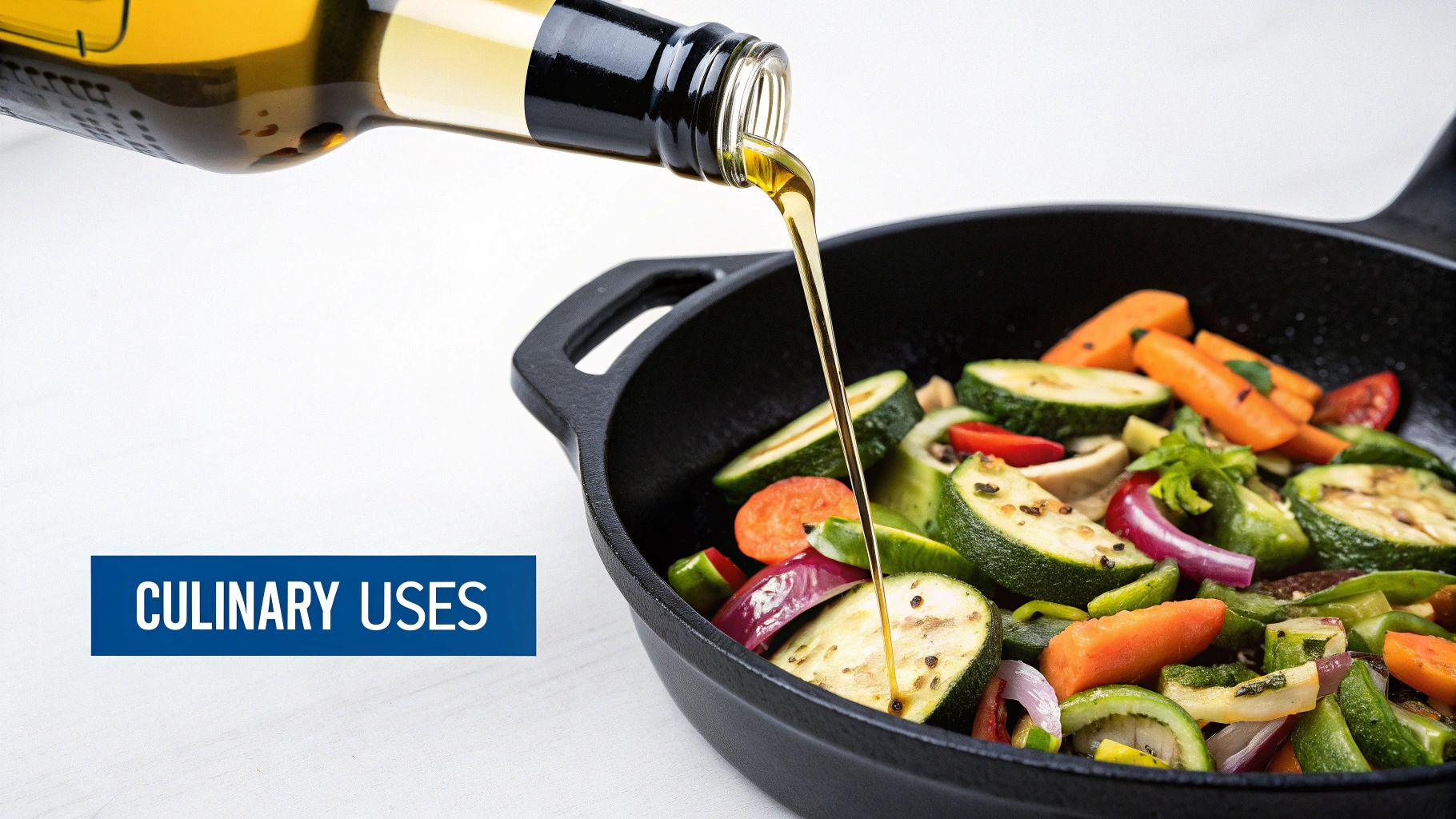
Using high polyphenol olive oil correctly further preserves its beneficial properties. While it's heat-stable and suitable for light cooking, consuming it raw maximizes polyphenol intake. Consider it a "finishing oil," drizzled over salads, soups, or roasted vegetables after cooking.
You don’t need large quantities to benefit from high polyphenol olive oil. A few tablespoons a day can provide significant health advantages. Experiment with incorporating it into your meals. Explore more usage ideas at Learn Olive Oil. By following these simple techniques, you can enjoy the unique flavor and health benefits of this exceptional oil.
Cooking Methods That Maximize Nutritional Value
High polyphenol olive oil offers a wealth of health benefits, largely thanks to its high concentration of polyphenols. These potent antioxidants are key to many of the oil's health-boosting properties. However, it's important to understand how cooking methods impact these valuable compounds. Knowing the right techniques will ensure you maximize both the flavor and nutritional value of this premium ingredient.
Temperature Thresholds: Preserving Polyphenols During Cooking
While high polyphenol olive oil is generally heat-stable, high temperatures can affect its beneficial polyphenols. Similar to delicate vitamins, excessive heat can diminish their potency. Most high polyphenol olive oils have a smoke point around 375-405°F (190-205°C). However, even prolonged exposure to lower temperatures can gradually reduce the polyphenol content. For maximum retention, aim for low to medium-heat cooking.
Cooking Techniques That Enhance Bioavailability
Some cooking methods are better suited for high polyphenol olive oil than others. Sautéing and stir-frying at lower temperatures for shorter durations can preserve a significant portion of the polyphenols. For instance, quickly sautéing vegetables allows the oil to infuse its flavor while maintaining much of its nutritional value. Similarly, using it in baking at lower temperatures can be beneficial. However, deep-frying, due to the intense and prolonged heat, significantly degrades polyphenols.
Raw vs. Heated: Optimizing Use for Different Applications
Using high polyphenol olive oil raw is ideal for maximum polyphenol intake. Since no heat is applied, the polyphenols remain fully intact. Drizzling it over salads, soups, or finished dishes preserves both flavor and nutritional power. It acts as a finishing touch, enhancing your meal with a burst of flavor and health benefits. Using it in dips, marinades, and homemade dressings offers another excellent way to incorporate it without compromising its polyphenol content.
Flavor Combinations and Creative Serving Suggestions
High polyphenol olive oil often boasts a robust, peppery flavor. This distinct characteristic pairs well with various cuisines and ingredients. Its intensity complements the acidity of tomatoes in Italian dishes, while its peppery notes enhance the earthiness of roasted vegetables. However, consider this intensity when using it in dishes with delicate flavors, where a lighter touch might be preferable. Experiment to find appealing combinations. For creative serving suggestions and recipes, visit Learn Olive Oil to fully explore the unique taste and health benefits of high polyphenol olive oil. This resource empowers you to enjoy its many advantages while maximizing its nutritional impact.
Investment Analysis: Cost Versus Long-Term Health Value
High polyphenol olive oil often carries a higher price tag than standard olive oils. This naturally leads to the question: is the investment worthwhile? This section explores the factors influencing pricing, breaks down per-serving costs, and offers frameworks for making informed decisions aligned with your health goals and budget.
Deconstructing the Price of High Polyphenol Olive Oil
Several key elements contribute to the higher cost of high polyphenol olive oil. First, the olive varieties themselves play a significant role. Certain varieties yield less oil but boast higher polyphenol concentrations. This is similar to specialty coffee beans where rarer varieties command higher prices due to their distinct profiles. Second, early harvest practices are crucial for maximizing polyphenol content. This increases labor costs due to the precise timing involved in harvesting the olives at their peak. Finally, meticulous production methods, like cold-pressing, are essential for preserving these valuable polyphenols. These specialized methods can be more expensive than other extraction processes.
Calculating Per-Serving Costs and Value
While the initial cost of high polyphenol olive oil may seem steep, calculating the per-serving cost offers valuable perspective. Remember, you're not just purchasing oil; you're investing in a concentrated source of potent antioxidants associated with a variety of health benefits. It's an investment in your overall well-being. For example, a bottle priced at $30 that yields 50 servings results in a per-serving cost of $0.60. This small expense can significantly contribute to long-term health.
Identifying Quality Options Across Price Points
Fortunately, quality high polyphenol olive oil is available at various price points. Understanding the cost drivers empowers you to make informed decisions. Bulk purchasing, for instance, can often reduce per-unit costs. Looking for seasonal buying opportunities, particularly during the harvest season, can also provide access to premium oils at discounted prices.
Budget-Friendly Approaches and Realistic Consumption
Even with budget constraints, you can still enjoy the benefits of high polyphenol olive oil. Prioritize quality over quantity. Begin with a smaller bottle of a premium oil and use it strategically in dishes where its distinct flavor and health benefits are most prominent. This approach allows you to experience the advantages while managing your spending.
Making Informed Decisions Based on Your Health Goals
Ultimately, the decision to invest in high polyphenol olive oil is a personal one. If preventative health is a priority and you value the additional health benefits, the investment is likely justifiable. If budget is a primary concern, explore budget-friendly alternatives and incorporate them thoughtfully into your diet. For more in-depth information on olive oil, explore the resources available at Learn Olive Oil. They provide a wealth of knowledge to guide your choices.
 Learn Olive Oil
Leave a comment