The Art & Science of Olive Oil Tasting
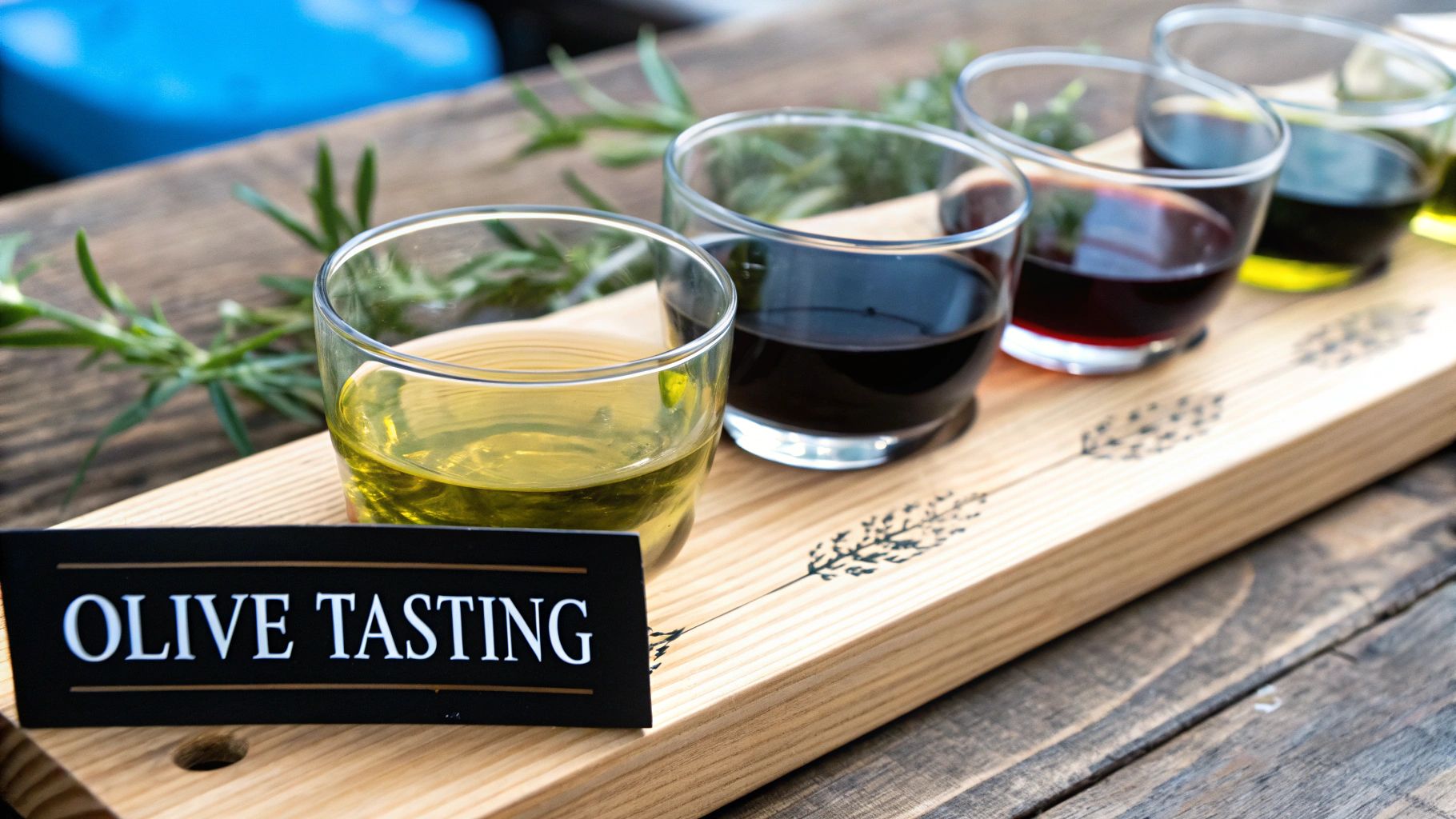
Olive oil tasting is more than just a culinary experience; it’s a deep dive into the world of sensory perception, steeped in both history and scientific understanding. Mediterranean cultures have long appreciated the subtle nuances of olive oil, incorporating tasting into their daily routines for generations. This practice, once a simple cultural tradition, has blossomed into a sophisticated culinary art, captivating enthusiasts and professionals alike. Honing this skill can fundamentally change not only how you select olive oil but also how you perceive and appreciate food.
The Global Rise of Olive Oil Appreciation
The increasing global appreciation for the complexities of olive oil flavor has fueled a growing demand for high-quality products. This shift reflects a greater understanding of olive oil's significant impact on both flavor and overall well-being. Culinary professionals, in particular, recognize tasting proficiency as a key skill, enabling them to choose the ideal oil to enhance each dish. This has become even more critical with the substantial growth in the global olive oil market. From the 1990/91 crop year to 2024/25, global olive oil consumption has nearly doubled. The European Union’s share of global consumption, for example, decreased from over 70% to about 45% during this period. Find more detailed statistics here. This market evolution presents new challenges and opportunities, requiring tasting events to cater to a wider spectrum of preferences and palates.
The Sensory Science Behind the Taste
Understanding the science behind olive oil tasting adds a fascinating dimension to the experience. While multiple senses are involved, the sense of smell plays a particularly vital role. Volatile compounds in the oil activate our olfactory receptors, transmitting signals to the brain. This is reminiscent of how a familiar scent can trigger a powerful memory. This connection to our emotional cortex explains why certain olive oils can be so evocative, bringing forth specific memories and sensations. Developing your sensory vocabulary, borrowing terms from expert tasters and competition judges, allows you to better articulate these experiences. This knowledge enables you to identify positive attributes like fruitiness, bitterness, and pungency, and also to detect potential defects.
Elevating Your Culinary Experience
Ultimately, mastering the art of olive oil tasting enhances both cooking and dining experiences. It's akin to acquiring a new language, unlocking a world of flavor possibilities. Through dedicated tasting, you'll discern subtle differences between regional varieties and learn how various oils interact with specific ingredients. This newfound knowledge empowers you to create harmonious flavor combinations, transforming ordinary meals into memorable culinary journeys.
Setting the Stage: Creating the Perfect Tasting Environment
The difference between a novice and an experienced olive oil taster often comes down to the tasting environment. Just as a controlled lab is essential for scientific experiments, a carefully prepared setting is key to accurately perceiving the subtle nuances of olive oil. This attention to detail elevates the process from simply tasting to truly understanding.
Eliminating Bias and Enhancing Perception
Professional tastings use standardized procedures to minimize outside influences. Cobalt blue tasting glasses, like those endorsed by the International Olive Council (IOC), prevent visual bias from the oil's color. This allows tasters to focus on aroma and flavor, ensuring an objective evaluation.
Controlling the temperature is also vital. Olive oil is ideally tasted at around 77°F (25°C). This temperature allows the volatile aromatic compounds to express themselves fully. It's similar to letting a fine wine breathe—the right temperature unlocks hidden layers of flavor.
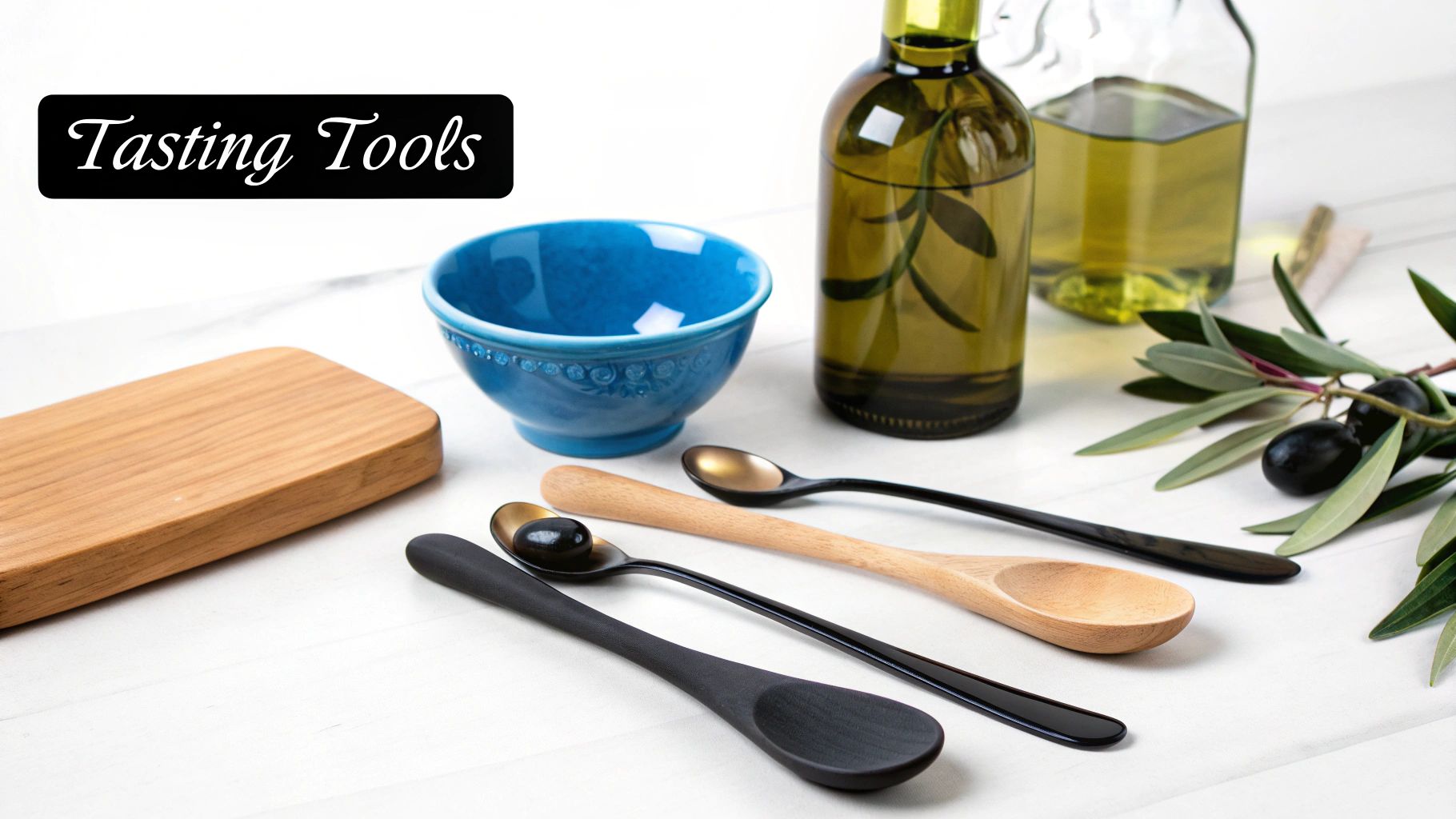
Controlling the Sensory Surroundings
Beyond specialized tools, other factors play a significant role. Minimizing ambient scents is crucial. Strong perfumes, cooking odors, or even flowers can interfere with the olive oil's delicate aromas. Professional tasters often avoid wearing scented products on tasting days.
Palate cleansers are also essential. Plain water or green apple slices effectively neutralize the palate between oils, preventing flavor carryover. This ensures each oil is experienced fresh.
Practical Setups for Tasting
Whether it's a formal tasting or a casual exploration at home, individual tasting stations enhance the experience. Provide each person with their own glasses, palate cleansers, and ideally, a spittoon. Even simple steps like good lighting can make a difference, allowing tasters to observe the oil's viscosity and color variations (after pouring it into a clear glass for secondary observation). These elements create a focused environment, minimizing distractions and maximizing sensory perception for a richer olive oil tasting experience.
Mastering the Three-Step Tasting Technique
Beyond simply drizzling and dipping, a structured olive oil tasting methodology exists that unlocks its full complexity. Similar to wine tasting, professional olive oil evaluation involves a three-step process: visual assessment, aromatic analysis, and taste perception. These stages build upon each other to create a holistic sensory experience.
Visual Assessment
While color isn't the sole indicator of quality, it does offer initial clues. Pour a small amount of olive oil into a clear glass and observe its hue and clarity. High-quality extra virgin olive oil can range from vibrant green to golden yellow, depending on the olive variety and ripeness. Look for clarity and a slight shimmer, suggesting freshness. This prepares you for the aromatic analysis.
Aromatic Analysis
Here, the magic of olive oil begins to unfold. Warming the oil releases its volatile aromatic compounds. Pour about one tablespoon of olive oil into a standard olive oil tasting glass – a cobalt blue glass is ideal for eliminating visual bias. Cup the glass in one hand and cover it with the other, gently warming the oil to concentrate the aromas.
Bring the glass to your nose and inhale deeply. What aromas do you perceive? Fruity notes of green apple, ripe banana, or citrus? Herbal hints of rosemary or artichoke? This is similar to appreciating a fine wine's bouquet, previewing the flavor complexities to come. The process flow below illustrates this visually.
Taste Perception
Finally, engage your taste buds. Take a small sip of olive oil and let it coat your palate. Like wine tasting, gently slurp the oil to aerate it, maximizing contact with taste receptors. Notice the texture: is it smooth, creamy, or thick? What flavors emerge? Is it fruity, bitter, pungent? Fruitiness, bitterness, and pungency are hallmarks of high-quality extra virgin olive oil. Bitterness indicates antioxidants, while pungency, that peppery sensation, signifies freshness.
This three-step technique isn't just for professionals. With practice, anyone can refine their palate and appreciate olive oil's nuances. The more you taste, the more refined your perceptions become. This enhances your ability to select quality olive oil and your overall enjoyment of this culinary ingredient.
The Olive Oil Tasting Process
The following process flow outlines the steps for a proper olive oil tasting, visualizing the key actions required to fully evaluate and appreciate its characteristics.
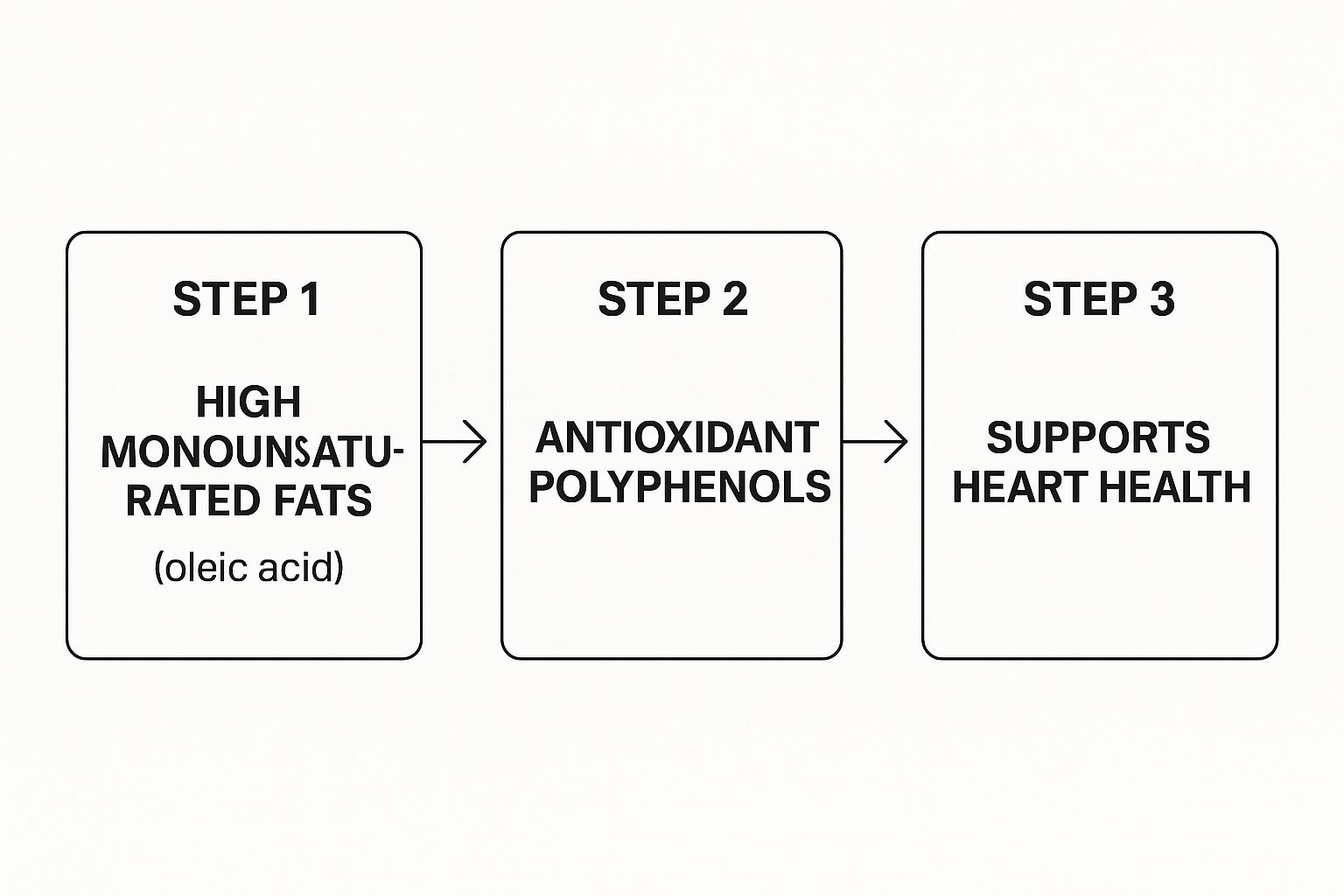
The infographic highlights the five key steps: pouring and observing, warming and swirling, smelling and inhaling, tasting and slurping, and finally evaluating and reflecting. The sequence is critical, building a sensory experience from visual to aromatic, culminating in taste perception. This allows for a comprehensive understanding of the olive oil’s quality and flavor profile.
To further illustrate regional flavor profiles, let's examine the following table.
Common Olive Oil Flavor Profiles by Region
| Region | Fruitiness | Bitterness | Pungency | Distinctive Notes |
|---|---|---|---|---|
| Tuscany, Italy | Medium | Medium | Medium | Artichoke, almond, grassy |
| Andalusia, Spain | Medium-High | Medium | Medium-High | Green tomato, banana, slightly sweet |
| Peloponnese, Greece | Medium | Low | Medium | Floral, herbaceous, fruity |
| Crete, Greece | High | Low | Low | Apple, ripe olive, citrus |
| Southern France | Medium-Low | Medium-High | High | Peppery, green, slightly bitter |
This table compares the characteristic flavor profiles of olive oils from major producing regions, highlighting the distinctive sensory attributes found in each area. While there are general characteristics for each region, individual olive oils within those regions can still vary based on specific factors like olive variety, climate, and production methods. Understanding these regional differences can help you choose the perfect olive oil for your culinary creations.
Quality Indicators: Identifying Excellence and Avoiding Flaws
Developing a discerning palate for olive oil involves recognizing desirable qualities and potential flaws. This equips you to distinguish exceptional olive oils from inferior products, empowering you to make informed purchases and deepen your appreciation for olive oil craftsmanship.
Recognizing the Hallmarks of Quality
Just as a musician discerns subtle variations in pitch, a trained olive oil taster identifies specific characteristics that indicate quality. Bitterness, when balanced, is a positive attribute. It signifies the presence of polyphenols, potent antioxidants linked to numerous health benefits. This bitterness should never be harsh or overpowering. Think of the pleasant bitterness of dark chocolate, a sign of its rich cacao content.
Pungency, that peppery sensation felt in the throat, is another key indicator. This peppery finish isn't a flaw, but a sign of freshness and high antioxidant levels. It indicates that the olives were harvested at their peak and processed quickly. It's a stimulating sensory experience.
Fruitiness reveals the olive variety and its ripeness at harvest. Complex fruit notes, ranging from green apple and ripe banana to hints of citrus or tropical fruit, indicate careful harvesting and processing. This complexity elevates olive oil from a simple cooking ingredient to a sensory experience.
Detecting Common Defects
Developing a discerning palate also involves identifying potential flaws. Rancidity, often described as a cardboard or paint-like flavor, is a common defect caused by oxidation. It indicates improper storage or prolonged exposure to light and air, similar to how nuts go stale when left open.
Mustiness and fustiness indicate olives stored improperly, allowing fermentation before milling. These off-flavors, reminiscent of a damp basement or moldy hay, compromise the oil's quality.
Other defects include winey or vinegary notes, signaling unwanted fermentation during processing. These flavors can be sharp and unpleasant. Learning to identify these flaws helps you avoid inferior products and appreciate truly exceptional olive oils.
Interestingly, table olive consumption trends provide further context for olive oil tasting. Egypt's table olive consumption has increased dramatically, from 11,000 tons in 1990/91 to 520,000 tons in 2023/24. Similar trends in Algeria and Türkiye demonstrate shifting culinary preferences. Find more detailed statistics here: https://www.internationaloliveoil.org/sector-statistics-january-2025/. These evolving patterns underscore the growing global interest in olive products.
Practical Application of Tasting Skills
These quality assessment skills extend beyond tasting events, becoming invaluable for making informed purchasing decisions. By understanding the sensory indicators of quality and signs of defects, you can confidently select olive oils that enhance your culinary creations and promote a healthier lifestyle. This knowledge empowers you as a consumer and fosters a deeper appreciation for the art and science of olive oil production.
The Art of Olive Oil Pairing: Creating Flavor Symphonies
Olive oil tasting becomes a truly elevated experience when paired thoughtfully with food. Just like wine, the right olive oil can transform a simple meal into something extraordinary. By exploring flavor combinations and drawing upon the expertise of culinary professionals and olive oil sommeliers, we can unlock the secrets to remarkable flavor experiences.
Understanding Flavor Interactions
Different olive oil profiles interact uniquely with various ingredients. Robust, peppery oils can beautifully enhance the flavors of a simple tomato dish, adding depth and complexity. However, that same peppery oil might overwhelm delicate fish. A buttery, mild olive oil, conversely, complements chocolate desserts, adding a subtle richness. But this mild oil might be lost when paired with spicy foods. Understanding these nuances is key to successful olive oil pairing.
The Science of Flavor Harmony
The science behind successful pairings lies in the interplay of complementary and contrasting compounds. Complementary compounds, those sharing similar chemical structures, create flavor harmony. Think of basil and tomato, where shared aromatic compounds enhance each other. Contrasting elements, however, create intriguing complexity. The sweetness of balsamic vinegar contrasts beautifully with the bitterness and pungency of a robust olive oil, resulting in a dynamic and balanced flavor profile.
Pairing Recommendations From the Experts
Professional chefs rely on specific olive oil and food combinations to elevate their dishes. For example, a Tuscan olive oil, with its notes of artichoke and almond, pairs wonderfully with grilled vegetables. A Spanish Picual, known for its peppery finish, can transform a simple salad. These pairings are based on years of experience and a deep understanding of flavor interactions.
To help guide your own pairings, take a look at the table below:
Olive Oil and Food Pairing Guide
This table provides recommendations for pairing different olive oil intensity levels with complementary foods to create optimal flavor combinations.
| Oil Intensity | Recommended Foods | Pairing Effect | Serving Suggestions |
|---|---|---|---|
| Delicate | Fresh salads, delicate fish, desserts | Enhances subtle flavors without overpowering | Drizzle over grilled fish, incorporate into cake batter |
| Medium | Roasted vegetables, pasta dishes, white meats | Adds complexity and depth of flavor | Use in marinades for chicken, toss with pasta |
| Robust | Red meats, tomato-based dishes, hearty soups | Creates bold and balanced flavor profiles | Drizzle over grilled steak, use in tomato sauces |
This table offers a starting point for exploring different pairings. The best pairings are those you enjoy most. Experiment and discover your own personal flavor preferences!
Progressive Tasting Sequences
Beyond individual pairings, consider progressive tasting sequences. Start with milder oils and gradually move towards more robust varieties, allowing your palate to adjust and appreciate the nuances of each. Much like wine flights, olive oil tasting sequences offer a fascinating educational experience. Enhance your tasting by incorporating food pairings. Even savory ingredients like miso paste can create interesting contrasts. This layered approach deepens your understanding of olive oil and transforms everyday cooking into an exploration of flavor.
Hosting Memorable Olive Oil Tasting Experiences
Transforming your olive oil knowledge into engaging tasting experiences can be incredibly rewarding. Whether it's a casual get-together or a formal educational event, careful planning enhances the experience. This guide helps you design memorable olive oil tastings, from oil selection to ambiance.
Curating Your Olive Oil Lineup
A successful tasting hinges on the oils you choose. Select a diverse range showcasing meaningful contrasts.
- Cultivar Exploration: Compare a robust Picual with a delicate Arbequina.
- Regional Variations: Highlight unique characteristics of oils from different regions of Italy, Spain, or Greece.
Present a range of intensities, from delicate to robust. Start with milder oils, gradually progressing to more intense ones to allow palates to adjust.
Creating the Ideal Tasting Environment
The right setting enhances the sensory experience.
- Tasting Glasses: Provide each guest with cobalt blue tasting glasses to eliminate visual bias.
- Temperature Control: Maintain a consistent 77°F (25°C) temperature for the oils to allow aromas to express themselves.
- Minimize Ambient Scents: Reduce interfering fragrances.
- Palate Cleansers: Offer water or green apple slices between tastings to neutralize the palate.
Guiding the Tasting Experience
Informative tasting sheets guide participants through the tasting process.
- Three-Step Technique: Visual assessment, aromatic analysis, and taste perception.
- Encourage Discussion: Prompt guests to describe their sensory experiences.
- Glossary of Terms: Include common terms like fruitiness, bitterness, and pungency.
- Food Pairings: Enhance the experience with complementary foods. Even savory elements like miso paste can create interesting contrasts. Demonstrate how oils interact with various ingredients.
Exploring Different Tasting Formats
Olive oil tastings can take various forms.
- Casual Discovery Session: A relaxed atmosphere with open-ended exploration, ideal for introducing newcomers.
- Structured Comparative Tasting: Focuses on specific flavor profiles or regional variations, suited for educational workshops or enthusiasts. For example, explore single-varietal oils or compare oils from different regions within a country.
Making It Memorable
A memorable tasting is engaging and informative.
- Share Stories: Discuss the oils' origins and producers.
- Encourage Interaction: Foster conversation and a sense of community.
By incorporating these elements, you can host olive oil tasting experiences that cultivate passionate enthusiasts.
Ready to elevate your olive oil expertise? Explore Learn Olive Oil for guidance on choosing oils, mastering tasting techniques, and discovering delicious pairings.


Leave a comment