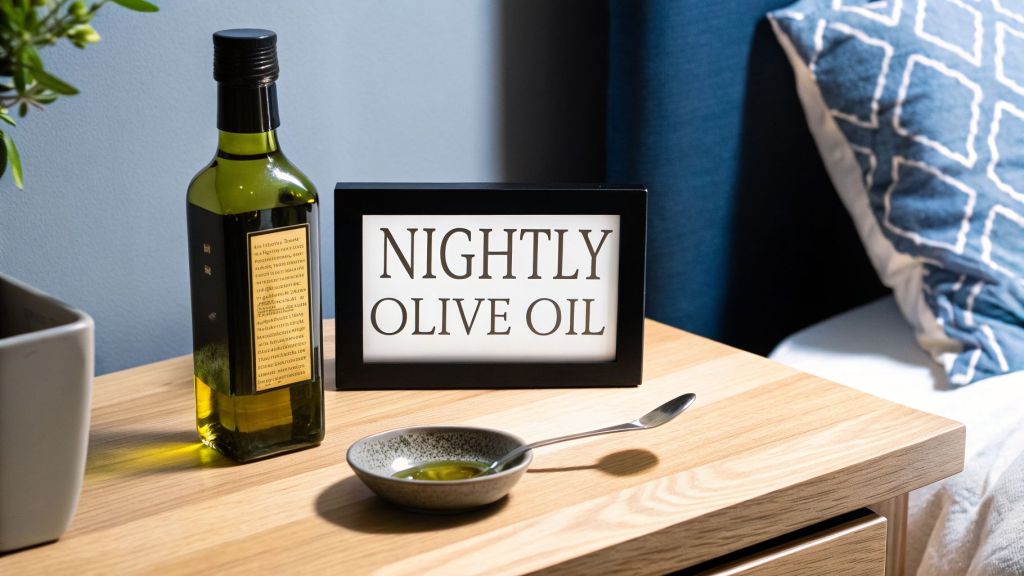
What if a single spoonful of a forgotten, golden liquid, taken just moments before you sleep, could unlock a cascade of overnight health benefits? This isn't a newfangled discovery, but a simple, age-old ritual that’s being quietly rediscovered: drinking a small measure of high-quality extra virgin olive oil about 30 to 60 minutes before bed. It’s a habit rooted deep in Mediterranean tradition, now prized for its modern gifts to digestion, heart health, and even the quality of your sleep.
The Ancient Secret to Modern Wellness
Imagine a wellness ritual as old as the gnarled olive trees dotting the Mediterranean hills, now being unearthed by a new generation searching for authentic, natural health solutions. The practice itself is disarmingly simple: a single spoonful of liquid gold before turning in for the night. This is no fleeting trend; it's a secret borrowed from cultures famed for their remarkable longevity. Let's pull back the curtain on this nightly habit and discover why it's captivating the modern world.

A Return to Natural Rhythms
For centuries, the societies that first cultivated the olive saw its oil as far more than a simple cooking staple. They christened it “liquid gold,” viewing it as a cornerstone of vitality and well-being. Taking it at night aligns perfectly with a natural, rhythmic approach to health, where small, consistent actions deliver profound results over time.
As many of us seek simpler, more potent ways to care for ourselves, this ancient practice is finding a fervent new audience. Its appeal lies in its utter simplicity—letting a powerful, unadulterated food work its magic while you rest, free from complicated routines.
This swelling interest isn't just word-of-mouth. The numbers tell a compelling story. Global olive oil production is on a trajectory to hit a record 3.5 million metric tons for the 2025/26 season. It’s not just the traditional Mediterranean countries fueling this demand. Major markets like the US are experiencing a boom, with consumption projected to climb to 398,000 tons in 2025/26—an 8% increase year-over-year—as more people awaken to its benefits.
This nightly ritual is about more than physical health; it is a conscious act of reclaiming a quiet moment for self-care before the day dissolves into night. It is a gentle signal to your body to rest, repair, and rejuvenate.
Beyond the Kitchen Counter
To see olive oil merely as a cooking ingredient is to see a master key as just another piece of metal. Its true power is revealed when you begin to perceive it differently. For instance, many people rightly wonder about drinking olive oil on an empty stomach and how its effects compare to taking it with food. To unlock its full potential, this habit is best paired with other foundational sleep hygiene tips for optimal wellness.
Let's venture beyond the headlines and explore how this simple act could become a key to unlocking overnight benefits for your:
- Digestion and Gut Health: It can help keep your entire system running with newfound smoothness while you sleep.
- Restful Sleep: It may support stable blood sugar levels, paving the way for more uninterrupted, restorative rest.
- Overall Vitality: It helps combat inflammation and supports your body's critical cellular repair processes overnight.
This guide will walk you through precisely how to transform this forgotten secret into a powerful and beneficial part of your nightly routine.
How Your Body Uses Olive Oil Overnight
Have you ever wondered what that spoonful of olive oil actually does once you've turned out the lights? It’s not just sitting there. While you sleep, your body enters its prime restorative window. That small dose of high-quality oil is like handing your internal repair crew a powerful set of tools to get the job done right.
The secret to its effectiveness lies in the timing. By giving your body this liquid gold just before you rest, you allow it to work its magic uninterrupted, tapping into the unique, health-giving composition of true extra virgin olive oil.
Fueling Your Digestive System
Let’s begin with your gut. That tablespoon of olive oil acts as a gentle, natural lubricant for your entire digestive tract. As you sleep, it helps soften stool, which can make morning bowel movements remarkably smoother and more predictable—a simple yet profound trick for those who occasionally grapple with constipation. This is just one of many natural remedies for constipation you might explore.
But the benefits run far deeper than mere lubrication. The healthy monounsaturated fats in olive oil are a feast for the good bacteria in your gut. A well-nourished microbiome is a cornerstone of total health, influencing everything from your immune response to your mood. You can get a closer look at this process in our guide to olive oil for digestion.
Supporting Restorative Sleep and Cellular Repair
Beyond your digestive system, olive oil emerges as a surprising ally for a good night's sleep. The wholesome fats it contains help maintain stable blood sugar throughout the night. This prevents the sudden spikes and crashes that can jolt you awake, allowing you to sink into a deeper, more restorative slumber.
The timing is again crucial. The potent antioxidants in olive oil, known as polyphenols, appear to be absorbed most effectively overnight. Some research suggests this can improve gut health by 20-25% as it soothes overnight bloating and supports the microbiome, which in turn fosters better sleep. This simple habit might even reflect the longevity patterns seen in Mediterranean cultures, where high consumers of olive oil tend to live 2-3 years longer on average. You can see more data on global olive oil consumption on Statista.com.
While you are lost in dreams, these polyphenols are hard at work. They act as your body’s personal repair team, journeying through your system to combat the inflammation of the day and mend cellular damage caused by stress and environmental toxins.
Ultimately, this nightly ritual isn't just about what the olive oil does, but when it does it. It equips your body with a powerful resource to use during its most critical maintenance period—the precious hours you spend asleep.
So, you're ready to give this a try? Excellent. Starting a nightly olive oil ritual is far simpler than it sounds. The secret isn't in some complicated formula, but in getting the first few steps right to build a habit that feels good and delivers real results.
Let's walk through the three pivotal questions: which oil to use, how much to take, and when to take it.
Choose Your Oil Wisely
If you’re going to do this, there is one thing on which you absolutely cannot compromise: the quality of your oil. For a nightly health ritual, only one type will do: high-quality Extra Virgin Olive Oil (EVOO). Don't even glance at the "regular," "light," or "pure" olive oils on the shelf. Those are highly refined, meaning they have been stripped of the very compounds you are seeking.
The magic of EVOO lies in its high concentration of polyphenols. These are the powerful antioxidants that get to work repairing your body while you sleep. To put it plainly, regular olive oil is like a delivery truck with an empty cargo bed, while EVOO is the same truck packed with priceless goods. You need the cargo for the delivery to count.
To make it even clearer, here’s a quick comparison to help you select the right bottle.
Choosing Your Nightly Olive Oil
| Oil Type | Key Characteristics | Best For Nightly Consumption? |
|---|---|---|
| Extra Virgin (EVOO) | Cold-pressed, unrefined, high in polyphenols and antioxidants. Has a peppery or fruity taste. | Yes, this is the only one you should use. |
| Virgin Olive Oil | Unrefined but with minor defects in flavor or aroma. Lower polyphenol content than EVOO. | Not ideal. You're missing out on the key benefits. |
| "Pure" or "Light" Olive Oil | Refined oils, often blended with a little virgin oil. Low in nutrients and antioxidants. | No. These are best for high-heat cooking, not for health. |
Ultimately, reaching for a true EVOO is the only way to ensure you're getting the anti-inflammatory and antioxidant benefits this ritual is celebrated for.
Find Your Perfect Dose
When it comes to your nightly spoonful, more is not better. The goal is to give your body a gentle, effective dose of healthy fats and polyphenols without sending your system into overdrive.
Here’s how to ease into it:
- Start Small: For the first week, begin with just one teaspoon. This allows your body, particularly your digestive system, to acclimate to the new routine.
- Slowly Increase: If all feels well after a week, you can work your way up to one tablespoon. This is the standard amount most people find effective and comfortable.
- Listen to Your Body: The most important rule is to pay attention to how you feel. Stick with the dose that feels right for you. There is no prize for taking more.
Consistency is infinitely more important than quantity. For a more comprehensive look at daily intake, our guide on how much olive oil to have per day breaks down how to find the right amount for your overall diet.
Master the Timing
The final piece of the puzzle is timing. You want to drink the olive oil early enough for it to begin its work, but not so close to bedtime that it interferes with your sleep.
The sweet spot is 30 to 60 minutes before you plan to get into bed. This gives your digestive system a head start, kicking off a night of repair and restoration.
This small window is all it takes to set the stage.

By taking it before you lie down, you are essentially deploying a maintenance crew that works on your digestion, promotes deeper rest, and aids in cellular repair while you sleep. Follow these simple steps, and you’ll embark on this ancient practice the right way, from the very first night.
Choosing a Truly Superior Extra Virgin Olive Oil
Walk down any grocery store aisle, and you’ll be met with a wall of olive oils all vying for your attention. But when you are drinking it for specific health benefits, especially before bed, the quality of that oil isn't just a minor detail—it's everything. Think of it less like grabbing any old cooking fat and more like choosing a potent supplement; the purity and potency matter profoundly.

To ensure your nightly spoonful is actually doing its job, you must become a bit of a detective. This means learning to ignore the flashy marketing on the front label and turning the bottle around to uncover the real story.
Read the Bottle Like a Pro
Terms like "Pure," "Light," or even "Product of Italy" on the front can be shockingly deceptive. The most crucial information—the details that serve as proof of an oil’s authenticity and power—is almost always found on the back.
Here’s what you should be scanning for:
- Harvest Date: This is your number one priority. Olive oil is essentially a fresh fruit juice, and its powerful polyphenols degrade over time. Always look for a harvest date from the most recent season, ideally within the last year. Fresher is always better.
- Polyphenol Count: High-end producers who take pride in their product will often list this. Measured in mg/kg, a polyphenol count of 250 mg/kg or higher is your signal that the oil is rich in the antioxidants you’re after.
- Quality Seals: Look for third-party certifications. Seals like the PDO (Protected Designation of Origin) from Europe or the California Olive Oil Council (COOC) seal act as a guarantee of the oil’s origin and quality standards.
The entire purpose of this nightly habit is to tap into olive oil's potent anti-inflammatory compounds, like hydroxytyrosol. Studies have linked these compounds to 15-20% better sleep quality, partly by helping to manage cortisol levels. It's this growing awareness of health benefits that's driving the olive oil market, which is projected to soar to USD 30.6 billion by 2032.
For the best results, you want a true extra virgin oil with an acidity below 0.8%. This quality is paramount for benefits like maintaining stable energy overnight and potentially blunting insulin spikes by up to 25%.
Understand the Nuances of Quality
Just like a fine wine, the character and health benefits of an olive oil are shaped by its origin, the type of olive used, and the skill of the maker. An Arbequina olive from Spain will taste completely different and have a different polyphenol profile than a Coratina olive from Italy.
That peppery, slightly bitter kick you feel at the back of your throat from a truly great EVOO? That's not a flaw—it's the taste of potency. That sensation comes from oleocanthal, one of the oil's most powerful anti-inflammatory polyphenols. If you can taste that bite, you know you've got the good stuff.
Once you know what to look for, you cease to be a regular shopper and become an informed consumer. You’re no longer just buying a liquid fat; you are choosing a powerful tool for your nightly wellness routine. For an even deeper look, our full guide on how to buy olive oil will teach you everything you need to know.
Potential Risks and Who Should Be Cautious
While a spoonful of olive oil before bed sounds like a beautifully simple wellness ritual, it is not the right move for everyone. In truth, no health advice is one-size-fits-all, and a wise approach means understanding the potential downsides before you begin. The goal, after all, is to feel better, not accidentally create new problems.
Let's start with the most common oversight: calories. Olive oil is, after all, a pure fat. A single tablespoon contains around 120 calories. If you simply add that to your daily intake without making other adjustments, those calories can certainly add up over time. The key is to substitute, not just add. Think of it as swapping the butter on your morning toast or the creamy dressing on your salad for this far more nutrient-dense option.
Listening to Your Body
Beyond the calories, some people experience a bit of a digestive surprise when they first start. If your system isn't accustomed to a sudden, concentrated dose of pure fat, it might protest a little.
This can sometimes manifest as:
- Mild stomach cramps or gurgling
- A feeling of being uncomfortably full
- In some cases, loose stools or even diarrhea
The good news is that these issues are usually temporary. You can often sidestep them entirely by starting with a much smaller amount—just a single teaspoon—and giving your body several days to adjust. This allows your digestive system to adapt its rhythm without being overwhelmed.
When to Talk to Your Doctor First
For most healthy individuals, a spoonful of olive oil is perfectly safe. However, there are a few specific situations where drinking olive oil before bed is a decision you absolutely must discuss with your doctor first.
Your health history is the most important part of this equation. What works wonders for one person could be a problem for another, so you must treat this as a personal health decision.
Be especially cautious and seek professional medical advice if you have any of these conditions:
- Individuals with Gallbladder Issues: Olive oil signals the gallbladder to release bile to help digest fat. If you have gallstones or other gallbladder problems, this sudden contraction can trigger pain or other complications.
- Those on Blood Thinners: Olive oil contains compounds that can have a mild blood-thinning effect. If you're already taking anticoagulant medications like Warfarin, adding a nightly dose of olive oil could potentially increase your risk of bleeding. It is crucial to check with your doctor.
- People with Certain Digestive Disorders: For anyone with a sensitive gut, such as from Irritable Bowel Syndrome (IBS), or with conditions that cause fat malabsorption, a concentrated shot of oil can sometimes exacerbate symptoms.
To get a complete picture, you can learn more about the potential side effects of olive oil in our detailed guide. Taking this balanced view ensures you can make a safe choice that truly supports your unique health.
Common Questions About Drinking Olive Oil Before Bed
Thinking about trying a spoonful of olive oil before bed? It's a fascinating old practice, but it naturally brings up some practical questions. After all, turning a compelling idea into a real, daily habit is where the rubber meets the road.
Let's tackle the most common questions about drinking olive oil before bed so you can decide if it's the right move for you.
Will Drinking Olive Oil at Night Make Me Gain Weight?
This is easily the number one concern, and it's a completely fair question. Let's be perfectly clear: olive oil is a calorie-dense food. A single tablespoon carries about 120 calories, so simply adding it to your current diet without any other changes could, over time, lead to some weight gain.
The key here isn't addition, but a smart substitution. Think of that nightly tablespoon as a replacement for something else. Perhaps you use a little less butter on your toast in the morning or opt for a lighter dressing on your salad. The idea is to weave it into your existing daily calorie goals, not just pile it on top.
On the flip side, many people discover that the healthy monounsaturated fats in olive oil are incredibly satiating. A small dose before bed can significantly boost feelings of fullness, helping you sidestep those late-night cravings for chips or cookies. In this way, it can actually support your weight management goals rather than hinder them.
Can I Use Regular Olive Oil Instead of Extra Virgin?
For this specific ritual, the answer is an emphatic no—you must use Extra Virgin Olive Oil (EVOO). This isn’t a matter of being an oil snob; it’s a matter of ensuring the practice actually works.
The incredible health benefits we've discussed—from fighting inflammation to supporting your heart—all stem from powerful antioxidant compounds known as polyphenols.
EVOO is made by cold-pressing olives, a process that uses no heat or chemicals. This gentle method is crucial because it preserves those delicate, health-promoting polyphenols. "Regular," "pure," or "light" olive oils, on the other hand, are refined using high heat and solvents, a process that strips them of nearly all their polyphenol content.
While a refined olive oil will still provide monounsaturated fats, it’s missing the very compounds that make this practice so powerful. Using it would be like receiving a beautifully wrapped gift box, only to find it empty inside. For real, tangible results, you absolutely need a high-quality, fresh EVOO.
How Quickly Will I Notice Benefits?
When it comes to natural health habits, patience is your greatest ally. How quickly you'll see results from drinking olive oil will vary from person to person—every body is different.
Here’s a rough timeline of what you might expect:
- Short-Term Changes (Days to Weeks): One of the very first things you might notice is an improvement in your digestive regularity. Many people report smoother, more predictable morning bowel movements within just the first week.
- Medium-Term Benefits (Weeks to Months): More subtle effects, such as better sleep quality or feeling less stiff and achy in the mornings, can take several weeks of consistent use to become apparent.
- Long-Term Gains (Months and Beyond): The big-picture benefits for your heart health and a reduction in chronic inflammation are built up over the long haul.
Think of it less like a quick fix and more like planting a tree. You must water it consistently, but over time, it grows strong, and you get to enjoy the fruits of your labor.
What If I Dislike the Taste of Straight Olive Oil?
Let's be honest—the peppery, robust flavor of a good EVOO can be intense straight from a spoon. If the taste is a roadblock for you, don't give up just yet. There are simple tricks to make it far more pleasant.
First, you could try a different type of olive oil. Some olive varietals, like Arbequina, are known for having a much milder, fruitier, and more buttery profile compared to their spicier cousins. If a new oil doesn't solve it, try mixing it.
A popular and surprisingly tasty trick is to combine your tablespoon of oil with a small squeeze of fresh lemon juice. The bright acidity of the lemon cuts right through the oil's richness, creating a zesty little "shot" that's much easier to drink. Another excellent option is to stir the oil into a few spoonfuls of plain Greek yogurt, which creates a simple, protein-packed bedtime snack. The goal is to find a way to make it enjoyable so that you can stick with it.
At Learn Olive Oil, we believe that understanding this liquid gold is the first step to unlocking its full potential. Explore our guides to become an expert on choosing, tasting, and using the world's best olive oils. Start your journey today.
 Learn Olive Oil
Leave a comment