It begins as a whisper. A dull ache in your joints. A persistent brain fog that coffee cannot pierce. An unshakeable fatigue that steals the joy from your days. This is the subtle language of chronic inflammation—a silent fire smoldering within millions, quietly fueling nearly every major health concern of our time.
You have likely been told the solution lies on a prescription pad. But what if the most powerful anti-inflammatory agents were not concocted in a laboratory, but cultivated in the earth and drawn from the sea?
What if you could fundamentally shift your body's internal environment not with a complex regimen, but with a simple grocery list? This is not just another article about "eating healthy." This is about arming yourself with strategic knowledge—understanding the specific molecular compounds in food that directly command your body to calm down, repair, and thrive. This comprehensive anti inflammatory foods list is your battle plan.
We will unveil not just what to eat, but the powerful science of why it works and exactly how to combine these foods for maximum effect. You will discover practical ways to incorporate them, often with a drizzle of nature's original anti-inflammatory, pure extra virgin olive oil, to create a symphony of healing in your body. While adding these foods is key, understanding what to limit is just as important. For instance, many people wonder, Does sugar cause inflammation?, and addressing that is a crucial part of a holistic strategy.
Prepare to transform your plate into your most potent ally. The change begins now.
1. Extra Virgin Olive Oil (EVOO)
Often called the liquid gold of the Mediterranean, Extra Virgin Olive Oil is far more than a simple cooking fat. It is a potent medicinal food, cold-pressed from fresh olives without the use of heat or chemical solvents. This meticulous process is what preserves its arsenal of anti-inflammatory compounds, particularly a polyphenol named oleocanthal.
Why It Fights Inflammation
The secret to EVOO's power is hidden in its rich profile of antioxidants and polyphenols. Oleocanthal, the compound responsible for that peppery sensation in the back of your throat, functions with a shocking similarity to non-steroidal anti-inflammatory drugs (NSAIDs) like ibuprofen. It works by inhibiting the COX-1 and COX-2 enzymes, which are the very same targets of common pain relievers.
The landmark PREDIMED study, involving over 7,000 participants, delivered a stunning verdict: a Mediterranean diet supplemented with EVOO significantly cut the risk of major cardiovascular events, an effect largely credited to its inflammation-taming properties.
Key Insight: The anti-inflammatory power of EVOO is directly linked to its polyphenol content. Consuming high-quality, polyphenol-rich olive oil is like taking a natural, daily dose of an inflammation-fighting agent.
How to Use It for Maximum Benefit
To truly harness its power, think of EVOO as a finishing oil, not just a cooking oil. High heat can degrade its delicate polyphenols.
- Daily Dose: Aim for 2-3 tablespoons (30-45ml) daily. Mediterranean populations showing reduced inflammation markers often consume closer to 50ml per day.
- Smart Pairings: Drizzle it generously over salads, roasted vegetables, soups, and grilled fish. Combine it with bitter greens like arugula or kale to amplify the anti-inflammatory benefits of both foods.
- Storage is Key: Protect your investment. Store EVOO in a cool, dark place away from the stove. Choose oils in dark glass bottles to prevent light degradation, which destroys its beneficial compounds.
- Check the Date: Look for a harvest date on the bottle, not just a "best by" date, to ensure you are getting the freshest, most potent oil.
By incorporating high-quality EVOO into your daily routine, you are not just adding flavor; you are actively fueling your body's fight against chronic inflammation. To delve deeper into its specific compounds and mechanisms, you can learn more about the health benefits of extra virgin olive oil.
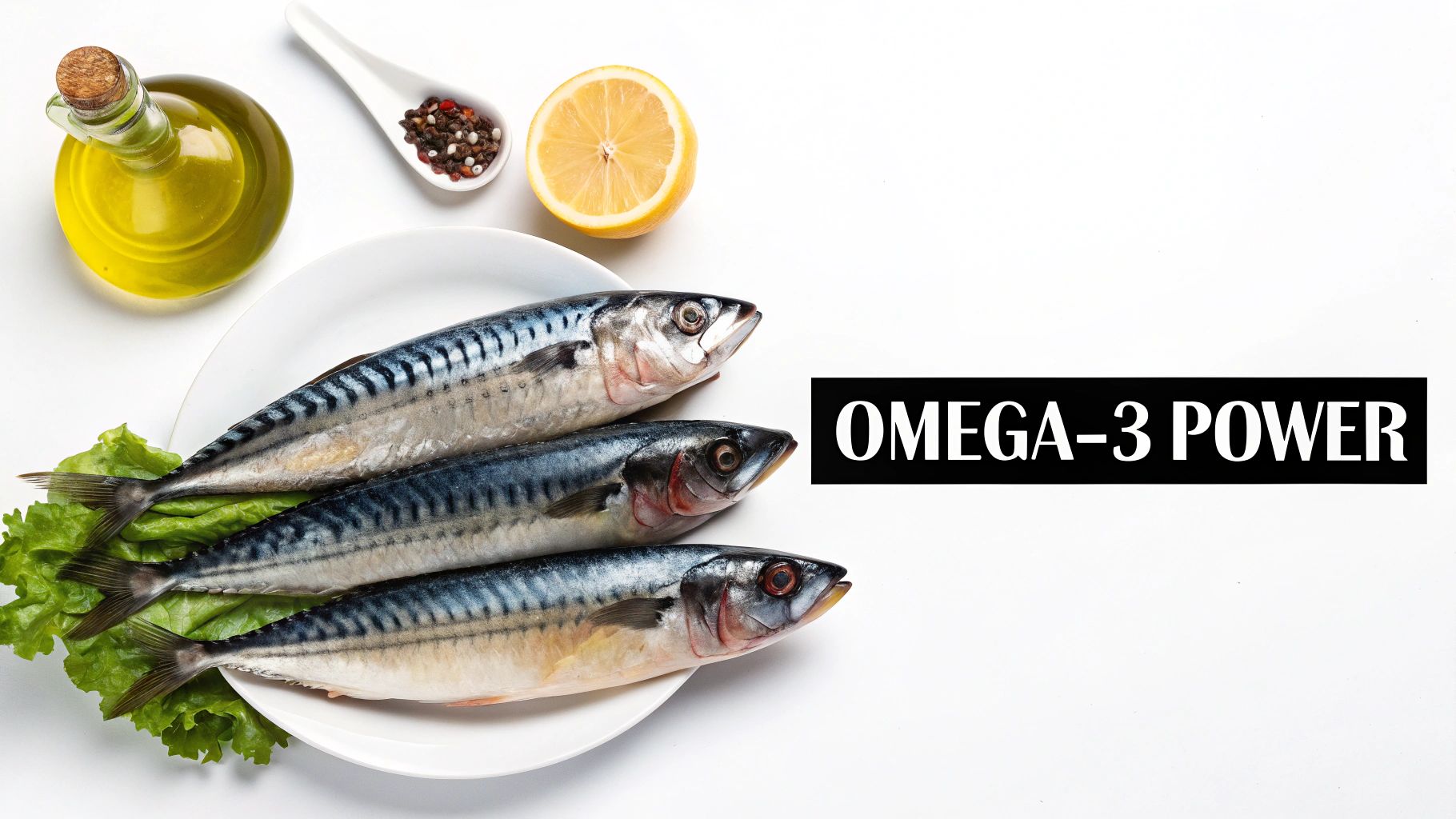
2. Fatty Fish – Salmon, Mackerel, and Sardines
The deep, cold waters of the ocean harbor some of the most formidable weapons against inflammation. Fatty fish like salmon, mackerel, and sardines are celebrated not just for their rich flavor but for their abundant reserves of two specific omega-3 fatty acids: eicosapentaenoic acid (EPA) and docosahexaenoic acid (DHA). These aren't just fats; they are active biological compounds that directly intervene in your body's inflammatory processes.
Why It Fights Inflammation
Unlike plant-based omega-3s, the EPA and DHA from fish are in a form your body can use immediately. They work by becoming part of your cell membranes, actively reducing the production of inflammatory messengers like cytokines and prostaglandins. Think of them as cellular peacekeepers, restoring balance where inflammation has taken hold.
The evidence is overwhelming. The VITAL trial proved that omega-3 supplementation significantly lowered markers of cardiovascular inflammation. Furthermore, consistent consumption of fatty fish has been shown to reduce joint pain in arthritis sufferers by up to 40%, demonstrating its systemic impact.
Key Insight: The EPA and DHA in fatty fish are direct-action anti-inflammatory agents. Consuming these fish provides your body with the raw materials needed to shut down inflammatory signals at a cellular level.
How to Use It for Maximum Benefit
Incorporating fatty fish into your diet is a strategic move for long-term health. The key is consistency and gentle preparation to preserve the delicate omega-3s.
- Optimal Intake: The American Heart Association recommends at least two 3.5-ounce (about 100g) servings of fatty fish per week. For therapeutic effects, aim for three servings.
- Powerful Pairings: Create an anti-inflammatory powerhouse by drizzling baked salmon or mackerel with a high-quality extra virgin olive oil and a squeeze of fresh lemon. Serve it alongside steamed spinach or broccoli.
- Gentle Cooking: Preserve the precious omega-3s by avoiding high-heat frying. Opt for baking, poaching, or steaming to keep their structure and benefits intact.
- Convenience is Key: Don't overlook canned options. Adding high-quality sardines or mackerel packed in olive oil to a salad is a simple and effective way to meet your weekly goal.
- Smart Sourcing: Choose wild-caught fish when possible to ensure a natural omega-3 profile. If choosing farmed, look for sustainably raised options from reputable sources.
By making fatty fish a regular part of your anti inflammatory foods list, you are directly supplying your body with the building blocks to control inflammation and protect your long-term health.
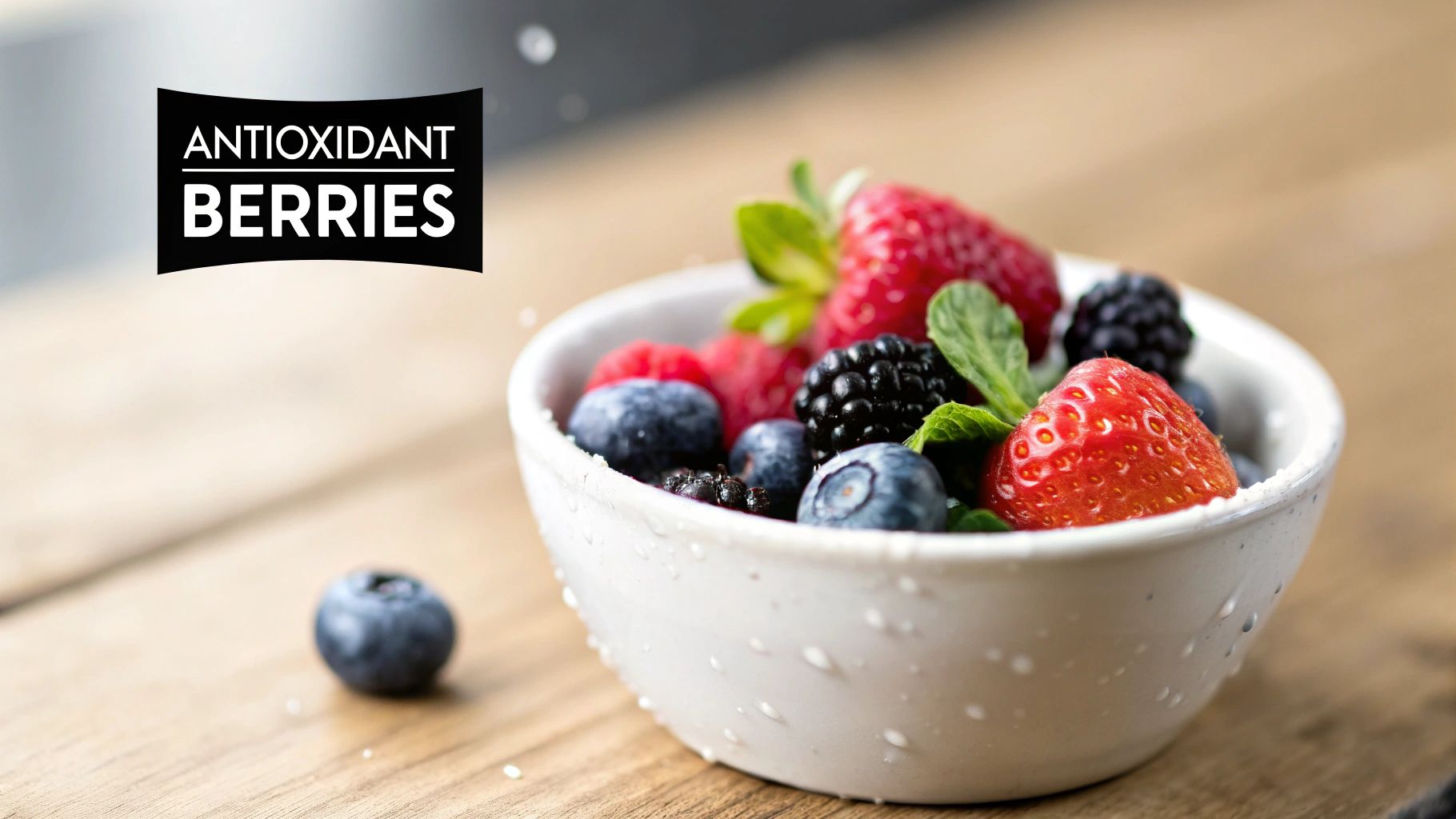
3. Berries – Blueberries, Strawberries, and Raspberries
Often celebrated as nature's candy, berries are far more than a sweet treat. These vibrant jewels—including blueberries, strawberries, and raspberries—are concentrated doses of potent antioxidants and polyphenols. Their nutritional profile makes them a cornerstone of any diet aiming to quell the flames of systemic inflammation.
Why They Fight Inflammation
The anti-inflammatory prowess of berries comes from their exceptionally high content of compounds called anthocyanins. These are the pigments that give berries their rich red, purple, and blue colors, and they act as powerful antioxidants that neutralize harmful free radicals in the body. They work by down-regulating inflammatory pathways, specifically targeting the NF-κB pathway—a central mediator of inflammatory responses.
Landmark research, such as the Nurses' Health Study, showed that women who consumed more blueberries and strawberries had slower rates of cognitive decline. Further studies have linked regular berry consumption to lower levels of inflammatory markers like C-reactive protein (CRP), making them a vital part of any anti inflammatory foods list.
Key Insight: The diverse array of anthocyanins in different berries works synergistically. Consuming a mix of blueberries, strawberries, and raspberries provides a broader spectrum of these compounds, amplifying their collective anti-inflammatory effect.
How to Use Them for Maximum Benefit
To unlock the full potential of berries, consistency and smart preparation are key. Fresh or frozen, their benefits are profound when incorporated thoughtfully into your daily meals.
- Daily Dose: Aim for at least one cup (around 150g) of mixed berries per day. If using frozen, a few heaping tablespoons will suffice.
- Smart Pairings: Combine berries with healthy fats to enhance the absorption of their fat-soluble nutrients. Drizzle them with a touch of extra virgin olive oil and balsamic vinegar on a spinach salad, or blend them into a smoothie with a spoonful of avocado.
- Timing Matters: Research on anthocyanin absorption shows that their anti-inflammatory effects peak about two hours after consumption, making them an excellent choice for a pre-workout snack or a mid-afternoon boost.
- Go Organic (Especially for Strawberries): Strawberries often top the list of produce with high pesticide residues. Choosing organic helps you avoid these unwanted chemicals while reaping the full benefits. Frozen berries are an excellent and often more affordable option, as they are picked and frozen at peak ripeness, locking in their precious nutrients.
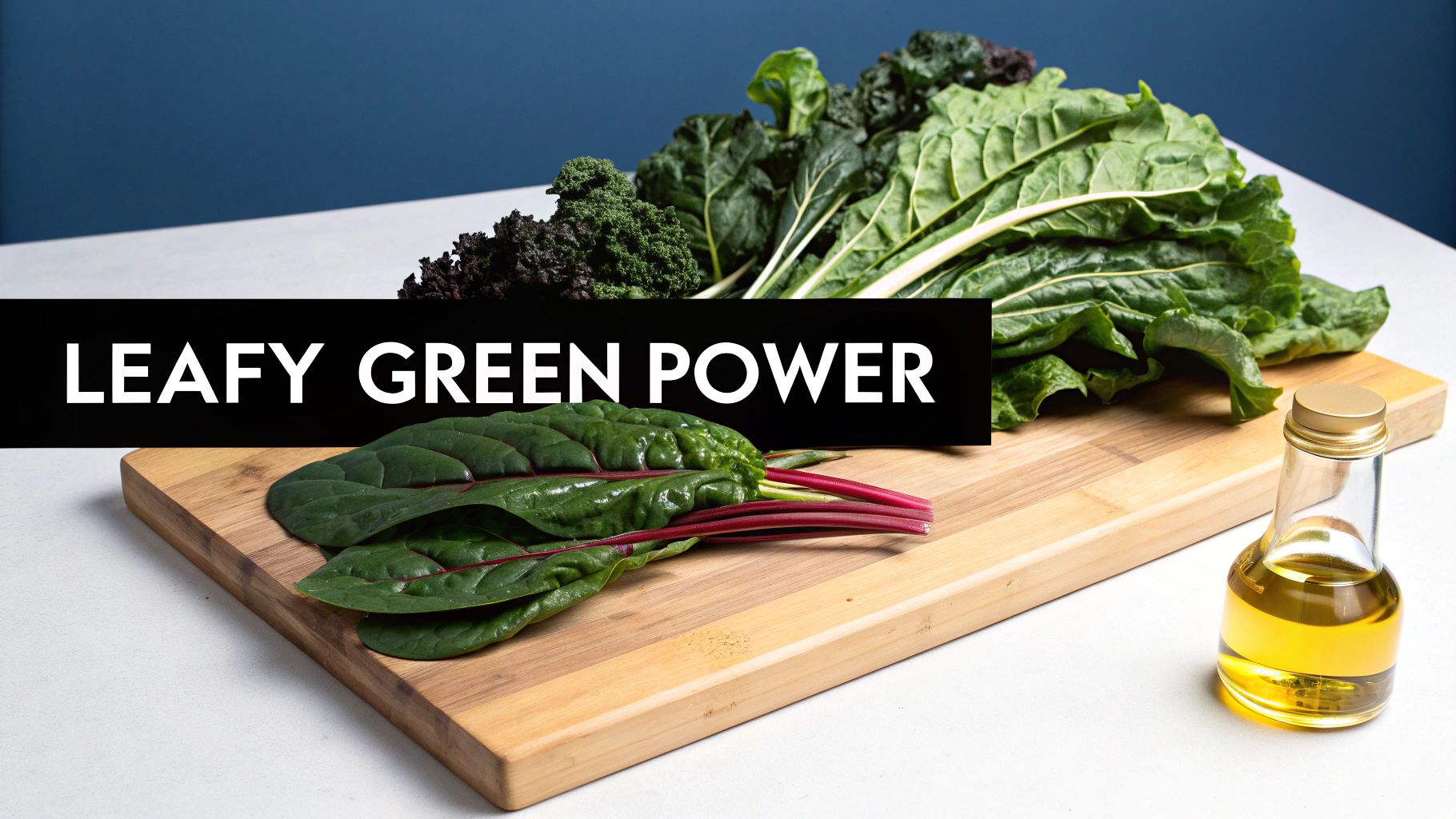
4. Leafy Greens – Spinach, Kale, and Swiss Chard
Often dismissed as a simple side salad, dark leafy greens like spinach, kale, and Swiss chard are nutritional titans in the fight against inflammation. They are packed with vitamins, minerals, and antioxidants, but their standout star is vitamin K. This essential nutrient activates proteins that directly regulate inflammatory responses within the body.
Why They Fight Inflammation
The anti-inflammatory genius of leafy greens is largely attributed to their high concentration of vitamin K and antioxidants like carotenoids and flavonoids. Vitamin K is crucial for controlling inflammatory signaling molecules, essentially telling the body to turn down the inflammatory dial. When combined with a healthy fat like olive oil, the fat-soluble vitamin K becomes far more bioavailable, allowing your body to absorb and utilize it effectively.
Research from the famous Framingham Offspring Study linked high leafy green consumption with a 27% lower incidence of vascular disease, a condition rooted in chronic inflammation. Similarly, Harvard research has shown that just 2-3 servings per week can significantly reduce key cardiovascular inflammation markers.
Key Insight: The anti-inflammatory benefits of leafy greens are supercharged when paired with healthy fats. Dressing your greens with extra virgin olive oil isn't just for flavor; it's a strategic move to unlock the full potential of vitamin K.
How to Use Them for Maximum Benefit
To make leafy greens a cornerstone of your anti-inflammatory foods list, focus on consistent intake and smart preparation.
- Daily Goal: Aim for 2-3 cups (about 60g) of fresh greens or 1 cup cooked daily. This aligns with intake levels seen in Blue Zones, where populations demonstrate significantly reduced mortality rates.
- Massage Raw Kale: To make tough greens like kale more palatable and digestible, massage the leaves with a drizzle of olive oil, a squeeze of lemon juice, and a pinch of sea salt for a few minutes until they soften.
- Smart Pairings: Always dress spinach salads generously with an EVOO-based vinaigrette to ensure you absorb the vitamin K. Use greens as a base for grain bowls, topped with salmon and a hearty drizzle of olive oil for a multi-pronged anti-inflammatory meal.
- Cook Lightly: Steaming or lightly sautéing greens for 2-3 minutes can break down tough cell walls, making some nutrients more accessible without destroying heat-sensitive vitamins.
- Blend Them In: A handful of frozen spinach or kale blends seamlessly into smoothies, soups, and pasta sauces that have an olive oil base, boosting nutrient content without altering the flavor profile.
By weaving these vibrant greens into your daily meals, especially when paired with high-quality olive oil, you create a powerful synergy that actively works to calm inflammation throughout your body.
5. Turmeric and Curcumin
This vibrant golden spice, a staple of Ayurvedic medicine for over 4,000 years, is more than just a coloring agent for your curry. Turmeric contains a powerful bioactive compound called curcumin, which is one of nature's most potent anti-inflammatory agents. Modern science is now validating what ancient traditions have known for centuries: curcumin is a formidable force against chronic inflammation.
Why It Fights Inflammation
Curcumin's anti-inflammatory mechanism is exceptionally well-documented. It operates at a molecular level by directly inhibiting NF-κB, a molecule that acts like a master switch, turning on genes related to inflammation. By blocking this pathway, curcumin effectively reduces the production of pro-inflammatory cytokines that drive disease processes.
One randomized controlled trial demonstrated that curcumin reduced joint inflammation markers by an impressive 58% in just eight weeks. Its power is not just limited to joints; populations with high dietary turmeric intake, such as in India, show significantly lower rates of certain chronic illnesses, a phenomenon partially attributed to curcumin's protective effects.
Key Insight: Curcumin's effectiveness hinges on its bioavailability. Combining it with black pepper (which contains piperine) and a healthy fat like olive oil can increase its absorption by up to 2,000%, transforming it from a simple spice into a powerful therapeutic tool.
How to Use It for Maximum Benefit
To unlock curcumin's potential, you must consume it correctly. Simply sprinkling it on food is not enough; strategic pairing is essential for it to become part of your anti inflammatory foods list.
- Daily Dose: Aim for 1/4 to 1/2 teaspoon of turmeric powder daily. Consistency is key, as benefits build over time, typically within 2-8 weeks.
- The Golden Trio: Always pair turmeric with black pepper (about 1/8 teaspoon) and a healthy fat. Infuse it into your olive oil for a potent anti-inflammatory dressing or finishing drizzle.
- Smart Pairings: Stir it into lentil soups, add it to roasted vegetables, or blend it into smoothies with nuts or seeds. Create "golden milk" by gently warming turmeric, black pepper, and ginger in milk or a plant-based alternative. Beyond culinary spices, turmeric also shines in beneficial blends, such as a Ginger Turmeric Blend for immune support, further highlighting its versatile health properties.
- Gentle Heat: To preserve curcumin's stability, avoid high-heat cooking. Add it towards the end of the cooking process or use gentle heat below 190°C (375°F).
6. Nuts and Seeds – Almonds, Walnuts, Flaxseeds, and Chia Seeds
Often considered simple snacks, nuts and seeds are actually nutritional powerhouses, dense with compounds that actively combat inflammation. This diverse group—including almonds, walnuts, flaxseeds, and chia seeds—provides a potent combination of plant-based omega-3 fatty acids (alpha-linolenic acid or ALA), protective polyphenols, and antioxidant vitamin E. This synergistic blend creates a formidable defense against the low-grade inflammation that underlies many chronic diseases.
Why They Fight Inflammation
The anti-inflammatory punch of nuts and seeds comes from their unique nutrient profiles. Walnuts, flaxseeds, and chia seeds are particularly rich in ALA, a fatty acid that the body converts into EPA and DHA—the same anti-inflammatory fats found in fish oil. Almonds are a prime source of vitamin E, which acts as a powerful antioxidant, protecting cell membranes from inflammatory damage.
The PREDIMED study, a gold standard in nutritional research, found in a substudy that regular walnut consumption significantly improved endothelial function, a key marker of vascular health and inflammation. Similarly, a randomized trial demonstrated that daily flaxseed consumption reduced the inflammatory marker C-reactive protein (CRP) by a remarkable 32% over 12 weeks.
Key Insight: The combination of healthy fats, fiber, and micronutrients in nuts and seeds works together to lower key inflammatory markers, support gut health, and protect cells from oxidative stress.
How to Use Them for Maximum Benefit
To unlock their full potential, aim for regular, mindful consumption and proper preparation. Their benefits are amplified when they are part of a balanced, whole-foods diet.
- Daily Dose: A small handful, about 1-2 ounces (30-60g), is the sweet spot. A study of participants in the Nurses’ Health Study found that this amount daily helped reduce the risk of inflammatory disease.
- Smart Pairings: Create a powerful anti-inflammatory dressing by adding crushed walnuts to your extra virgin olive oil vinaigrette for added texture and ALA. Sprinkle freshly ground flax or whole chia seeds over oatmeal, yogurt, or salads.
- Preparation is Key: To maximize nutrient absorption, grind flaxseeds just before using them; whole seeds often pass through the body undigested. Soaking raw nuts like almonds overnight can also help reduce phytic acid, making them easier to digest.
- Storage Savvy: The healthy fats in nuts and seeds are delicate and can go rancid. Store them in an airtight container in the refrigerator or freezer to protect them from oxidation and preserve their potent anti-inflammatory properties.
By making a variety of nuts and seeds a daily habit, you are providing your body with a consistent stream of plant-based compounds that work to cool systemic inflammation from the inside out. To learn more about the specific benefits of walnuts, you can explore the research supported by the California Walnut Commission.
7. Whole Grains – Oats, Quinoa, and Brown Rice
Often relegated to the role of a simple side dish, whole grains like oats, quinoa, and brown rice are in fact powerful modulators of your internal inflammatory response. Unlike their refined counterparts—which are stripped of their bran and germ—whole grains retain their complete nutritional arsenal. This includes fiber, vitamins, minerals, and crucial anti-inflammatory compounds.
Why They Fight Inflammation
The primary anti-inflammatory mechanism of whole grains operates within your gut microbiome. They are rich in specific fibers like beta-glucans (in oats) and resistant starch, which act as prebiotics. These fibers feed beneficial gut bacteria, which in turn produce short-chain fatty acids (SCFAs) like butyrate. Butyrate is a powerhouse compound that helps maintain the integrity of your intestinal lining and directly reduces both gut-level and systemic inflammation.
The evidence is rock-solid. A meta-analysis of 45 studies confirmed that regular whole grain consumption significantly lowered key inflammation markers like C-reactive protein (CRP). Similarly, the renowned Nurses' Health Study found that just two or more servings daily slashed the risk of heart disease—an inflammation-driven condition—by 30 percent.
Key Insight: Whole grains don't just add bulk; they actively fuel a healthy gut microbiome. A thriving gut environment is your first line of defense against chronic, systemic inflammation.
How to Use Them for Maximum Benefit
Integrating whole grains effectively is about consistency and smart preparation. The goal is to make them a satisfying and flavorful staple, not an afterthought.
- Daily Goal: The Academy of Nutrition and Dietetics recommends at least three servings (around 48 grams total) of whole grains per day to see significant benefits.
- Smart Pairings: Create powerful anti-inflammatory meals by building grain bowls. Start with a base of quinoa or brown rice, add leafy greens and a lean protein like grilled salmon, then drizzle generously with an olive oil-based vinaigrette to enhance nutrient absorption and add healthy fats.
- Preparation is Key: To reduce phytic acid, an antinutrient that can hinder mineral absorption, consider soaking grains like brown rice or quinoa for 16-24 hours before cooking.
- Choose Wisely: Opt for steel-cut or rolled oats over instant varieties. Their lower glycemic index prevents blood sugar spikes that can trigger inflammation.
- Proper Storage: Keep whole grains in cool, dark, airtight containers. This protects their delicate oils from going rancid and preserves their nutrient content.
By choosing intact whole grains and preparing them thoughtfully, you are providing your body with the essential fuel needed to systematically calm inflammation from the inside out. For more on distinguishing and using different types, the Oldways Whole Grains Council is an excellent resource.
8. Garlic and Onions – Allium Vegetables
More than just foundational aromatics that build flavor in countless cuisines, garlic and onions are potent medicinal powerhouses from the Allium family. For thousands of years, from ancient Chinese medicine to Mediterranean kitchens, these pungent vegetables have been revered for their healing properties. Their strength lies in powerful sulfur compounds, such as allicin in garlic and quercetin in onions, which are unlocked when the vegetables are chopped, crushed, or chewed.
Why It Fights Inflammation
The anti-inflammatory prowess of alliums is rooted in their unique sulfur-containing compounds. When garlic is crushed, an enzyme converts alliin into allicin, a compound that has been shown to suppress the pathways that trigger inflammation. Similarly, the flavonoid quercetin found abundantly in onions is a powerful antioxidant that inhibits inflammatory enzymes like COX and LOX, effectively calming the body's inflammatory response.
Research validates this ancient wisdom. A randomized controlled trial found that aged garlic extract significantly reduced key inflammatory markers like C-reactive protein. Furthermore, extensive population studies in Italy have linked a high intake of allium vegetables to a reduced risk of various chronic diseases, largely attributed to their inflammation-taming effects.
Key Insight: The true medicinal power of garlic and onions is unleashed through mechanical action. Chopping or crushing them and letting them rest for a few minutes before use maximizes the formation of their most powerful anti-inflammatory compounds.
How to Use It for Maximum Benefit
To get the most from these kitchen staples, a little preparation goes a long way. Gentle cooking and strategic pairings can preserve their delicate medicinal compounds, making them a crucial part of an anti inflammatory foods list.
- Daily Goal: Aim to include 1-2 cloves of fresh garlic or about half a cup to a full cup of onion in your daily meals.
- The 10-Minute Rule: After chopping or crushing garlic, let it sit for 10 minutes before exposing it to heat. This allows the enzyme alliinase to produce the maximum amount of beneficial allicin.
- Low and Slow: High heat can destroy these valuable compounds. Sauté onions and garlic gently at low-to-medium temperatures. For a flavor-packed, anti-inflammatory base, add them to room-temperature extra virgin olive oil and warm them slowly together.
- Go Raw for Power: Incorporate raw minced garlic and finely chopped onion into salad dressings, salsas, and dips like guacamole to consume their compounds in their most bioactive state.
- Smart Pairings: Combine garlic and onions with other anti-inflammatory all-stars like turmeric, ginger, and extra virgin olive oil to create a synergistic effect that amplifies their benefits.
By treating garlic and onions not just as flavor enhancers but as a form of daily medicine, you can harness their ancient power to actively combat chronic inflammation. For a deeper look into their scientific backing, you can explore the research on allium vegetables at the Linus Pauling Institute.
9. Colorful Vegetables – Bell Peppers, Tomatoes, and Carrots
Vibrant vegetables like bell peppers, tomatoes, and carrots are more than just a feast for the eyes; they are front-line soldiers in the war against inflammation. These foods are packed with a powerful arsenal of antioxidants, including carotenoids like beta-carotene and lycopene, vitamin C, and various flavonoids. Their primary role is to neutralize free radicals—unstable molecules that damage cells and trigger chronic inflammatory responses.
Why It Fights Inflammation
The anti-inflammatory power of these vegetables comes from their unique nutrient synergy. Bell peppers are an exceptional source of vitamin C and quercetin, a flavonoid that helps stabilize the cells that release histamine, a key driver in inflammation. Tomatoes are famed for their high lycopene content, a potent carotenoid linked to reduced inflammation and a lower risk of certain cancers and heart disease. Carrots provide a wealth of beta-carotene, which the body converts to vitamin A, an essential nutrient for regulating the immune system.
Research, including data from the Nurses' Health Study II, has shown that a high intake of these colorful vegetables is directly correlated with lower levels of inflammatory markers. For instance, studies show that gently cooking tomatoes with a high-quality olive oil can increase the bioavailability of lycopene by up to tenfold, making it a powerful addition to any anti inflammatory foods list.
Key Insight: Consuming a rainbow of vegetables ensures a broad spectrum of antioxidants. Pairing these fat-soluble nutrients with a healthy fat like extra virgin olive oil is not just a flavor enhancer; it is a bio-availability multiplier, unlocking their full anti-inflammatory potential.
How to Use It for Maximum Benefit
Integrating a variety of colorful vegetables is simple and highly effective. Aim for diversity in both type and preparation method to maximize nutrient intake.
- Daily Dose: Strive for 3-4 cups (approximately 400-500g) of colorful vegetables daily. This aligns with intake levels in Mediterranean populations that exhibit significantly lower inflammation markers.
- Smart Pairings: Gently sauté chopped tomatoes in EVOO to make a simple, lycopene-rich sauce for pasta or grains. Roast bell peppers with a drizzle of olive oil to concentrate their sweetness and preserve their nutrients. Enjoy raw carrots dipped in an olive oil-based hummus for a perfect carotenoid-fat combination.
- Mix It Up: Combine raw and cooked vegetables to get a complete nutritional profile. A salad with raw bell peppers and a side of roasted carrots provides both heat-sensitive vitamin C and bioavailable beta-carotene.
- Freshness First: Whenever possible, choose fresh, in-season vegetables, as they typically contain the highest concentration of beneficial compounds. Drizzle them generously with premium EVOO to create a complete anti-inflammatory package.
10. Ginger
A prized root in traditional medicine for over 2,500 years, ginger is much more than a pungent spice. It is a powerful medicinal rhizome whose anti-inflammatory properties are now thoroughly validated by modern science. Its fiery kick comes from active compounds like gingerols and shogaols, which directly target the body's inflammatory machinery.
Why It Fights Inflammation
Ginger’s potency lies in its ability to inhibit pro-inflammatory pathways. The compounds gingerol and shogaol function similarly to NSAIDs by blocking the production of inflammatory messengers like prostaglandins and leukotrienes. This makes it a cornerstone of any effective anti-inflammatory foods list.
Research consistently demonstrates its effectiveness. One randomized controlled trial found that just one gram of ginger daily reduced knee osteoarthritis pain by 63% in six weeks. Another study confirmed its systemic impact, showing that ginger consumption lowered key inflammation biomarkers like IL-6 and TNF-alpha by a significant 35-40%.
Key Insight: Ginger offers a natural, food-based approach to managing pain and inflammation, with active compounds that work on the same biological pathways as common anti-inflammatory medications.
How to Use It for Maximum Benefit
To unlock ginger’s full potential, consistent daily intake is crucial. Fresh ginger is generally more potent than dried, as it contains higher levels of gingerol.
- Daily Dose: Aim for 1-2 teaspoons (5-10g) of freshly grated ginger per day.
- Smart Pairings: Combine ginger with other anti-inflammatory powerhouses. Create a potent salad dressing by whisking grated ginger with extra virgin olive oil, lemon juice, and minced garlic. For a synergistic boost, pair it with turmeric and a pinch of black pepper.
- Soothing Teas: Steep freshly sliced ginger in warm (not boiling) water for 10 minutes to preserve its delicate compounds. A small drizzle of olive oil can help with the absorption of its fat-soluble components.
- Easy Additions: Blend fresh ginger root into smoothies with berries and a tablespoon of olive oil, or grate it into soups, stir-fries, and marinades.
- Storage is Key: Keep fresh ginger root in the freezer. This not only extends its shelf life but also makes it much easier to grate without peeling.
By making ginger a regular part of your diet, you are leveraging a time-tested remedy that actively interrupts inflammatory processes, offering relief from pain and systemic inflammation.
Top 10 Anti-Inflammatory Foods Comparison
| Item | Implementation Complexity 🔄 | Resource Requirements ⚡ | Expected Outcomes 📊 | Ideal Use Cases 💡 | Key Advantages ⭐ |
|---|---|---|---|---|---|
| Extra Virgin Olive Oil (EVOO) | Low 🔄: ready-to-use; avoid high-heat cooking | Moderate ⚡: premium quality costs; needs dark, cool storage | High 📊: lowers CRP; cardiovascular and cognitive benefits | Dressings, finishing oil, Mediterranean-style cooking | Rich polyphenols (oleocanthal); MUFA; extensively studied ⭐ |
| Fatty Fish (Salmon, Mackerel, Sardines) | Medium 🔄: requires proper cooking and storage | High ⚡: cost for wild-caught; sustainability considerations | High 📊: supplies EPA/DHA; reduces cytokines and joint inflammation | Main protein 2–3x/week; heart and joint support | High EPA/DHA; vitamin D/selenium; synergizes with EVOO ⭐ |
| Berries (Blueberry, Strawberry, Raspberry) | Low 🔄: minimal prep; eat raw or use frozen | Low–Moderate ⚡: seasonal/organic price variability | Moderate–High 📊: strong antioxidant activity; lowers inflammatory markers | Daily snacks, smoothies, topping for yogurt or salads | High anthocyanins and fiber; supports gut microbiome ⭐ |
| Leafy Greens (Spinach, Kale, Swiss Chard) | Low–Medium 🔄: wash/massage or light cook for digestibility | Low ⚡: inexpensive fresh/frozen; perishable | High 📊: vitamin K–mediated inflammation reduction; vascular benefits | Salads, sautéed sides, grain bowls with EVOO | Vitamin K + fat absorption synergy; nutrient-dense ⭐ |
| Turmeric / Curcumin | Medium 🔄: requires pairing with fat and piperine for absorption | Low ⚡: inexpensive spice; quality varies by source | High 📊 (if optimized): potent NF-κB inhibition; clinical inflammation reductions | Golden milk, dressings, supplements for chronic inflammation | Powerful anti-inflammatory compound; evidence comparable to some NSAIDs ⭐ |
| Nuts & Seeds (Almonds, Walnuts, Flax, Chia) | Low 🔄: ready-to-eat; optional soaking/grinding | Moderate ⚡: cost and proper storage to prevent rancidity | Moderate 📊: lowers CRP modestly; provides plant omega-3 (ALA) | Snacks, salad toppers, blended into dressings with EVOO | ALA, vitamin E, polyphenols; satiety and heart-health benefits ⭐ |
| Whole Grains (Oats, Quinoa, Brown Rice) | Medium 🔄: longer cooking; soaking/sprouting reduces phytic acid | Low ⚡: affordable staples; require storage | Moderate–High 📊: improves gut-derived SCFAs (butyrate); lowers CRP | Grain bowls, breakfasts, meals for sustained glycemic control | Fiber for microbiome and butyrate production; cost-effective ⭐ |
| Garlic & Onions (Alliums) | Low 🔄: simple prep; timing (chop/rest) affects bioactives | Low ⚡: cheap pantry staples | Moderate 📊: reduces inflammatory markers; antimicrobial effects | Flavor base, raw vinaigrettes, gentle cooking with EVOO | Sulfur compounds (allicin, quercetin); prebiotic effects ⭐ |
| Colorful Vegetables (Peppers, Tomatoes, Carrots) | Low 🔄: versatile raw or cooked; some nutrients improved by cooking | Low ⚡: widely available; seasonal/organic cost variance | Moderate–High 📊: carotenoids & vitamin C reduce oxidative inflammation | Roasted or sautéed with EVOO, salads, sauces | Carotenoids (lycopene, beta‑carotene) with oil-enhanced absorption ⭐ |
| Ginger | Low–Medium 🔄: fresh prep; heating alters active compounds | Low ⚡: inexpensive fresh or dried | Moderate–High 📊: reduces pain and inflammatory markers; effective in trials | Teas, dressings, marinades, smoothies for pain/inflammation | Gingerols/shogaols inhibit COX/LOX; aids digestion and recovery ⭐ |
From List to Lifestyle: Your First Step Towards an Inflammation-Free Life
You have just navigated a comprehensive anti inflammatory foods list, moving beyond simple identification into the practical “how” and “why” of each powerful ingredient. We’ve explored the rich, oleocanthal-infused world of extra virgin olive oil, the omega-3 potency of fatty fish, and the antioxidant might of vibrant berries and leafy greens. From the earthy warmth of turmeric and ginger to the foundational goodness of whole grains and nuts, a clear pattern has emerged.
This pattern isn't about restriction or deprivation. It is a blueprint for addition, for enrichment, for building a more resilient and vibrant you. The common thread weaving through salmon, walnuts, spinach, and even garlic is their ability to equip your body with the molecular tools needed to quell the fires of chronic inflammation. This isn’t a fleeting trend; it’s a return to a fundamental truth of human wellness: food is not just fuel, it is information that instructs your cells, and the right information can profoundly alter your health trajectory.
Distilling Knowledge into Actionable Habits
The true value of this list isn’t found in memorization. Its power is unlocked the moment you translate it into a simple, tangible action. The gulf between knowing what to do and actually doing it is where most wellness journeys falter. To prevent this, we must reject the "all-or-nothing" mindset that so often leads to burnout and failure.
Perfection is not the goal; consistent, intelligent choices are.
Your journey does not require a dramatic, overnight pantry purge. It begins with one small, deliberate substitution. One conscious addition. Think of it as a series of small, strategic upgrades to your daily routine.
Your Three-Step Action Plan to Begin Today
To transform this list from an article you read into a lifestyle you live, start with these manageable steps. Focus on mastering one before adding the next.
- The Foundational Swap: Before you do anything else, make one pivotal change. Replace your standard cooking oil with a high-quality, certified extra virgin olive oil. Use it for low-heat sautéing, for roasting vegetables, and most importantly, as a finishing oil drizzled over salads, soups, and cooked proteins. This single change infuses a potent anti-inflammatory compound into meals you already eat.
- The Daily Color Infusion: Your next mission is to consciously add color to your plate. Commit to including one item from this list in at least two of your daily meals. It could be a handful of spinach blended into a smoothie, a sprinkle of walnuts on your oatmeal, or a side of steamed broccoli with dinner. The goal is to make these foods a familiar, non-negotiable part of your day.
- The Spice of (a Healthier) Life: Finally, embrace the potent world of spices. Challenge yourself to incorporate either turmeric or ginger into your cooking three times this week. Add a pinch of turmeric to a pot of quinoa, grate fresh ginger into a stir-fry, or brew a soothing ginger tea. These spices are concentrated sources of anti-inflammatory power that add immense flavor with zero downside.
This methodical approach transforms an intimidating overhaul into a simple, sustainable process of building powerful habits. Each small change is a victory, a deposit into your long-term health account. You are not just fighting inflammation; you are actively building a foundation of wellness, one delicious meal at a time. The map is in your hands. Your journey begins not tomorrow, or next week, but with the very next choice you make in your kitchen.
Mastering the cornerstone of the anti-inflammatory diet starts with its most versatile ingredient: authentic extra virgin olive oil. At Learn Olive Oil, we provide the expert-led courses and resources to help you confidently select, taste, and use high-quality olive oil to its full health potential. Explore our programs and elevate your culinary wellness journey at Learn Olive Oil.
 Learn Olive Oil
Leave a comment