Imagine a constant, smoldering fire inside your body. You can't see it, but you feel its effects: nagging joint pain, persistent fatigue, brain fog, and a general sense of being unwell. This is chronic inflammation, the hidden culprit behind many modern health crises, from heart disease to cognitive decline. For years, we've been told to accept it as a normal part of aging. But what if that was a lie? What if you held the power to douse those flames, not with expensive pills, but with the food on your plate?
This isn't just another article about 'eating healthy.' This is a strategic plan, an arsenal of scientifically-proven foods that reduce inflammation and help reclaim your vitality. We are going beyond the obvious, revealing not just what to eat, but the precise methods and preparations to unlock their full anti-inflammatory potential. You'll discover why the type of olive oil you choose matters immensely and how simple cooking techniques can either boost or destroy the potent compounds in your food.
Forget vague advice. This guide provides a detailed roadmap to transforming your kitchen into a powerhouse of healing, starting with your very next meal. We will explore ten specific food categories, from fatty fish and vibrant berries to powerhouse spices like turmeric, providing actionable steps for incorporating them into your daily life. Prepare to learn the tactical advantages certain foods offer in the fight against inflammation, equipping you with the knowledge to make deliberate, powerful choices for your long-term health and well-being.
1. Extra Virgin Olive Oil
Extra virgin olive oil (EVOO) isn't just a cooking staple; it is liquid gold in the world of anti-inflammatory nutrition. Unlike refined oils, EVOO is extracted using natural methods, preserving the potent plant compounds that make it one of the most powerful foods that reduce inflammation. Its revered status is built on a foundation of robust scientific evidence and centuries of use in the health-promoting Mediterranean diet.
The Science Behind the Benefit
The anti-inflammatory prowess of EVOO comes primarily from its rich concentration of antioxidants and a unique phenolic compound called oleocanthal. This compound works in a remarkably similar way to ibuprofen, inhibiting the same inflammatory pathways (COX-1 and COX-2 enzymes) in the body, but without the side effects.
Studies consistently show that regular consumption of EVOO can significantly lower key inflammatory markers, such as C-reactive protein (CRP) and interleukin-6 (IL-6). The landmark PREDIMED study, a large-scale clinical trial, found that individuals following a Mediterranean diet supplemented with extra virgin olive oil had significantly lower risks of cardiovascular events, a benefit directly linked to its inflammation-reducing capabilities.
"The oleocanthal in extra virgin olive oil provides a non-steroidal anti-inflammatory action, making it a cornerstone of a diet aimed at quelling chronic inflammation."
How to Choose and Use EVOO for Maximum Impact
Not all olive oil is created equal. To harness its full anti-inflammatory potential, selecting and using the right kind is crucial.
- Look for "Extra Virgin": This is the highest grade, indicating it is unrefined and cold-pressed, retaining the most polyphenols.
- Check the Harvest Date: Olive oil is a fruit juice; fresher is better. Look for a recent harvest date (within the last year) for maximum potency.
- Choose Dark Glass Bottles: Light is the enemy of olive oil, causing it to oxidize and lose its beneficial compounds. A dark bottle protects its integrity.
- Store It Properly: Keep your EVOO in a cool, dark place like a pantry, not next to the stove where heat can degrade it.
- Use It for Finishing, Not Frying: While you can cook with EVOO at lower temperatures, its delicate phenols are best preserved when used raw. Drizzle it generously over salads, steamed vegetables, soups, and grilled fish.
By making high-quality extra virgin olive oil your primary fat source, you are not just adding flavor; you are actively incorporating a therapeutic food into your daily routine. For a deeper dive into its specific mechanisms, you can learn more about olive oil's anti-inflammatory properties.
2. Fatty Fish (Salmon, Sardines, Mackerel)
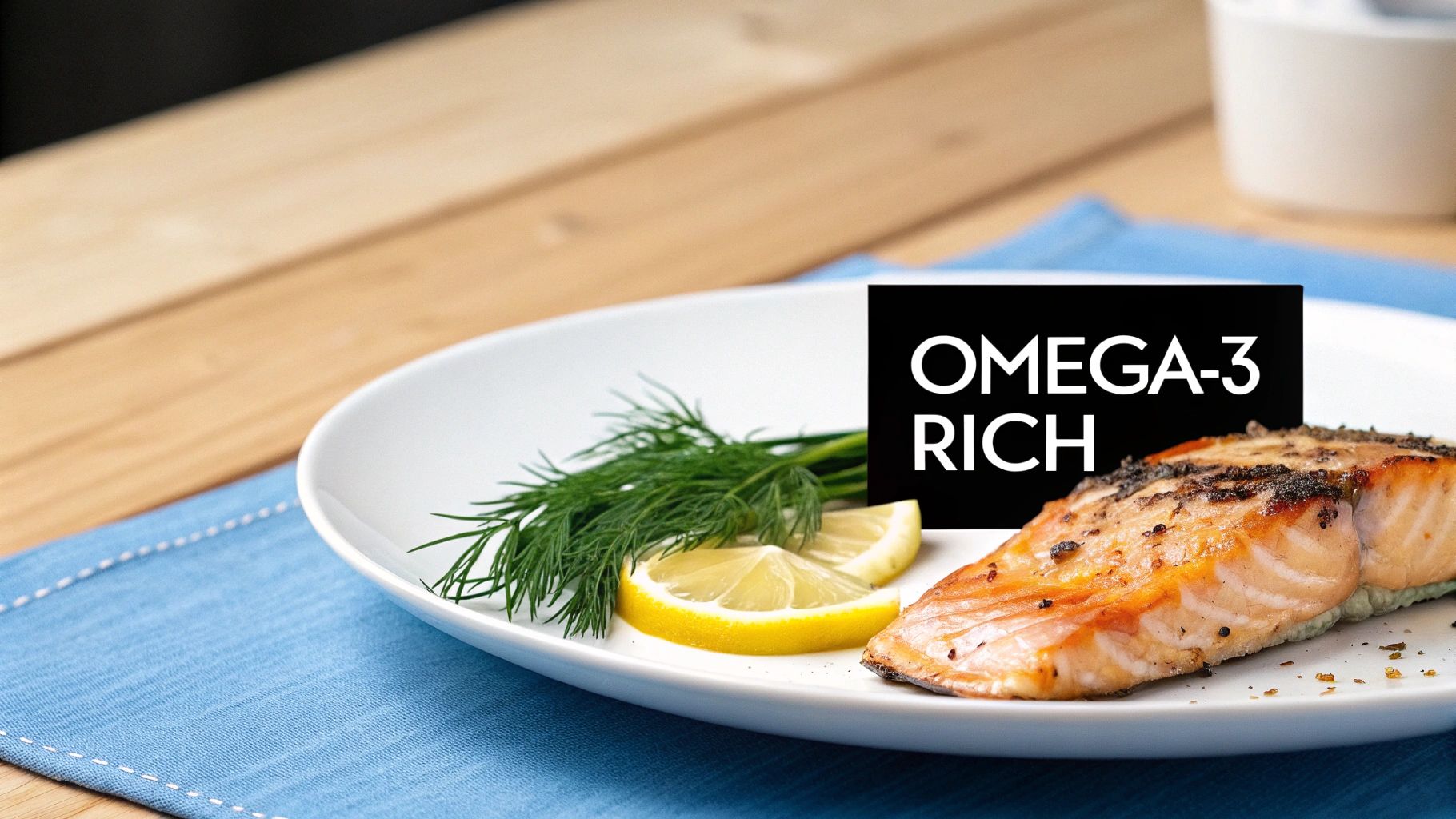
Long before supplements lined grocery store shelves, certain populations like those in the Nordic regions and Mediterranean coasts relied on the ocean's bounty for robust health. Fatty fish such as salmon, mackerel, and sardines are foundational foods that reduce inflammation, prized for their exceptionally rich content of long-chain omega-3 fatty acids, which the human body cannot produce on its own. Their role isn't passive; they actively intervene in the body's inflammatory processes.
The Science Behind the Benefit
The anti-inflammatory action of fatty fish is driven by two specific omega-3s: eicosapentaenoic acid (EPA) and docosahexaenoic acid (DHA). These powerful fats are incorporated into cell membranes throughout your body, where they serve as building blocks for resolvins and protectins, compounds that are instrumental in resolving, or turning off, the inflammatory response. This is a critical distinction: they don't just block inflammation, they help your body actively conclude it.
Clinical research consistently supports this. For instance, studies have shown that participants consuming fatty fish like salmon several times per week exhibit significantly lower levels of inflammatory markers like C-reactive protein (CRP). These marine-sourced omega-3s are far more bioavailable and effective than plant-based omega-3s (ALA), making fish a superior choice for directly combating inflammation.
"The EPA and DHA in fatty fish provide the raw materials your body needs to actively shut down chronic inflammation, protecting everything from your joints to your cardiovascular system."
How to Choose and Use Fatty Fish for Maximum Impact
Incorporating fatty fish into your diet is simple, but a few key practices can maximize their anti-inflammatory benefits.
- Aim for 2-3 Servings Weekly: A serving is about 3-4 ounces. Consistency is key to maintaining optimal omega-3 levels in your cells.
- Prioritize Wild-Caught: When possible, choose wild-caught fish like Alaskan salmon. It generally has a better omega-3 to omega-6 ratio and lower levels of contaminants compared to some farmed varieties.
- Don't Forget Smaller Fish: Sardines and anchovies are not only cost-effective but are also lower on the food chain, meaning they have less accumulation of heavy metals.
- Proper Storage is Crucial: Keep fresh fish refrigerated at 32-38°F and consume it within one or two days. Frozen fish is an excellent alternative, as flash-freezing preserves its nutrient profile.
- Gentle Cooking Methods: To protect the delicate omega-3 fats, opt for baking, broiling, or steaming instead of high-heat frying. Pairing fish with extra virgin olive oil and herbs can create a powerful, synergistic anti-inflammatory meal.
By making fatty fish a regular part of your culinary rotation, you are providing your body with the direct, potent tools it needs to control inflammation from the inside out. For a closer look at the research, you can learn more about the benefits of omega-3s.
3. Leafy Greens (Spinach, Kale, Swiss Chard)
Leafy greens like spinach, kale, and Swiss chard are the undisputed powerhouses of the plant kingdom. Far more than a simple side salad, these vegetables are foundational foods that reduce inflammation, delivering a concentrated dose of vitamins, minerals, and antioxidants. Their vibrant colors signal a wealth of phytonutrients ready to combat cellular stress and quiet the underlying causes of chronic disease, making them essential components of any anti-inflammatory diet.
The Science Behind the Benefit
The potent anti-inflammatory effects of leafy greens are largely credited to their high concentration of vitamin K and antioxidants like lutein and zeaxanthin. Vitamin K plays a crucial role in regulating the body's inflammatory response, helping to keep it in check. These greens also work to neutralize unstable molecules called free radicals, which would otherwise damage cells and trigger inflammation.
Research highlights the tangible impact of consuming these vegetables. One notable study found that individuals who regularly ate spinach had significantly lower levels of C-reactive protein (CRP), a key blood marker for systemic inflammation. The combination of antioxidants and specific vitamins in greens like kale and chard provides a multi-pronged attack against inflammatory processes throughout the body.
"The synergistic blend of vitamin K and powerful antioxidants in dark leafy greens offers a direct line of defense against the cellular damage that fuels chronic inflammation."
How to Choose and Use Leafy Greens for Maximum Impact
To get the most out of your greens, proper selection, storage, and preparation are key. Maximizing their nutritional value turns a good choice into a great one.
- Go for Dark, Vibrant Colors: The deeper the green, the higher the concentration of nutrients. Avoid any leaves that are yellowing, wilted, or bruised.
- Rotate Your Greens: Don't just stick to spinach. Incorporating a variety like kale, collards, and Swiss chard ensures you get a broader spectrum of vitamins and phytonutrients.
- Pair with Healthy Fats: Many of the key compounds in leafy greens, like vitamin K, are fat-soluble. Drizzle them with extra virgin olive oil to dramatically increase your body’s ability to absorb these benefits.
- Store for Freshness: Keep unwashed greens in a sealed bag or container in your refrigerator’s crisper drawer. This helps them retain their nutrients and stay fresh for 3-5 days.
- Don't Overcook: Heat can degrade sensitive nutrients. Enjoy them raw in salads, lightly steamed, or quickly sautéed until just wilted to preserve their anti-inflammatory power. Massaging raw kale with a little olive oil also helps break down its tough fibers, making it more tender and digestible.
4. Berries (Blueberries, Raspberries, Strawberries)
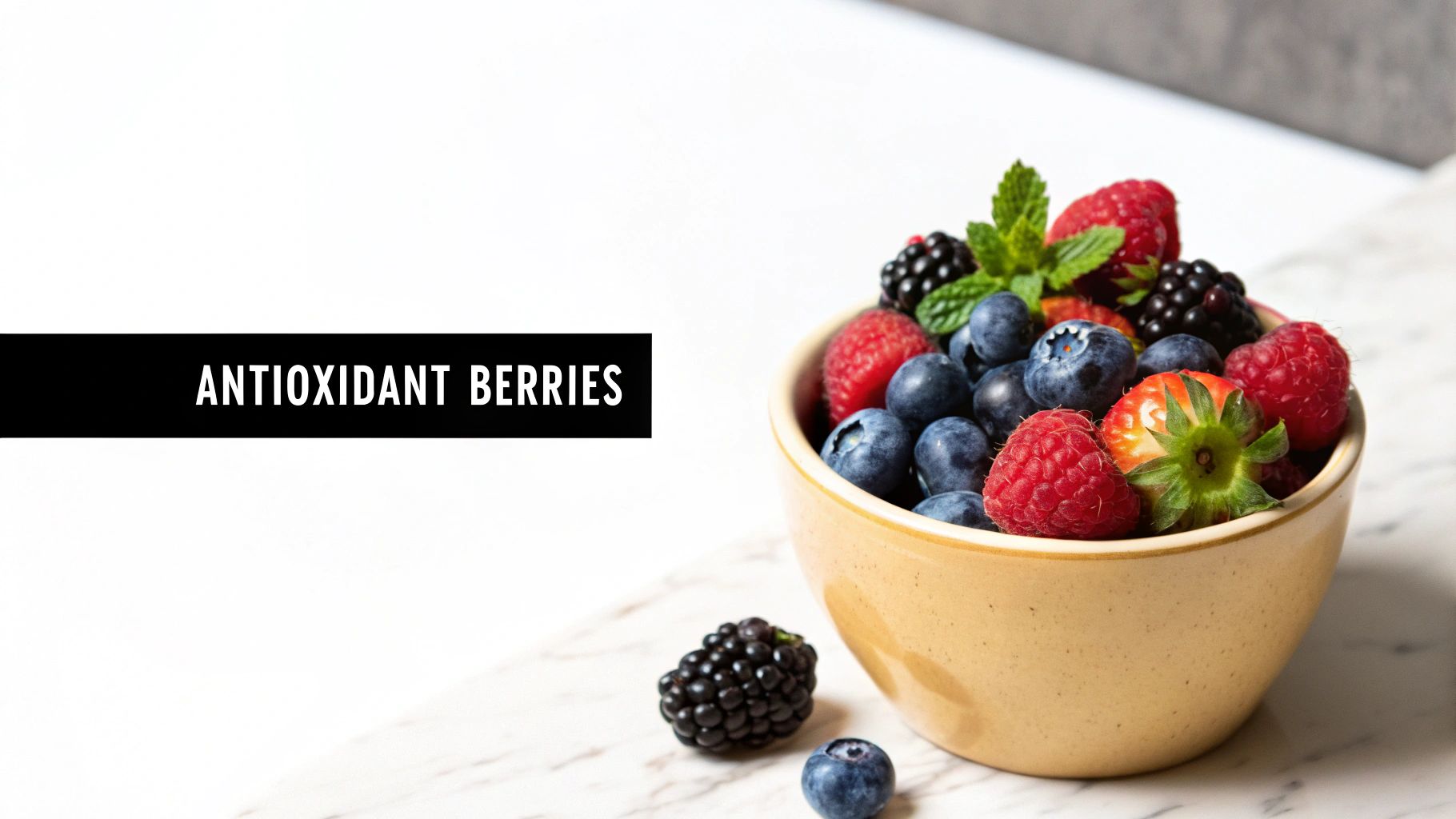
Berries are nature’s candy, but their vibrant colors signal something far more profound than sweetness. They are nutritional powerhouses, packed with vitamins, minerals, and fiber. More importantly, these jewel-toned fruits are celebrated as some of the most effective foods that reduce inflammation, thanks to their exceptional concentration of powerful antioxidant compounds. Their regular inclusion in a diet is a simple yet potent strategy for combating systemic inflammation.
The Science Behind the Benefit
The anti-inflammatory magic of berries lies in their antioxidants, specifically a class of flavonoids called anthocyanins. These are the pigments that give blueberries their deep blue, raspberries their rich red, and blackberries their dark purple hue. Anthocyanins work by inhibiting key inflammatory signaling pathways in the body, most notably NF-kB, which acts as a master switch for genes that trigger an inflammatory response.
Scientific research backs this up convincingly. One study found that participants consuming one cup of blueberries daily experienced a significant reduction in inflammatory markers like TNF-alpha. Another study focusing on overweight adults who ate strawberries showed a notable decrease in several inflammatory markers linked to heart disease. This demonstrates that adding berries to your diet can produce measurable, beneficial changes.
"The anthocyanins in berries directly interfere with inflammatory pathways at a cellular level, making them a crucial component of any diet designed to manage and reduce chronic inflammation."
How to Choose and Use Berries for Maximum Impact
Incorporating these anti-inflammatory gems into your diet is both easy and delicious. To get the most out of every handful, consider these practical tips.
- Embrace Frozen: Frozen berries are picked at peak ripeness and flash-frozen, locking in their nutrients. This makes them a cost-effective and equally nutritious option available year-round.
- Go Organic When Possible: Berries, particularly strawberries, often appear on the "Dirty Dozen" list for pesticide residue. Choosing organic varieties can help minimize your exposure.
- Store Fresh Berries Wisely: Keep fresh berries in the refrigerator and plan to use them within 3-5 days for optimal freshness and nutrient retention. Avoid washing them until you are ready to eat.
- Think Beyond Breakfast: While perfect in oatmeal or yogurt, berries add a sweet and tart contrast to savory dishes. Try them in a salad with a simple vinaigrette or as a topping for grilled chicken.
By making berries a regular part of your meals and snacks, you are leveraging one of nature’s most potent tools to fight inflammation from the inside out. For more details on their specific health advantages, you can explore the research on berry antioxidants.
5. Whole Grains (Oats, Farro, Quinoa)
Whole grains like oats, farro, and quinoa are foundational to an anti-inflammatory lifestyle, moving far beyond their reputation as simple carbohydrates. Unlike their refined counterparts, which are stripped of their most nutritious parts, whole grains retain their complete bran and germ. This preserves a wealth of fiber, B vitamins, and phytonutrients, making them essential foods that reduce inflammation by nourishing the gut, the command center of the immune system.
The Science Behind the Benefit
The anti-inflammatory power of whole grains is deeply connected to gut health. They are rich in dietary fiber, particularly soluble fibers like beta-glucans found in oats and barley. This fiber acts as a prebiotic, feeding the beneficial bacteria in your gut. As these microbes feast, they produce short-chain fatty acids (SCFAs), such as butyrate, which have potent anti-inflammatory effects that extend far beyond the digestive system.
Robust research supports this connection. A study published in the American Journal of Clinical Nutrition found that consuming just three servings of whole grains daily led to a significant 27% reduction in the key inflammatory marker C-reactive protein (CRP). This effect is attributed to both the fiber and the unique antioxidant compounds, like avenanthramides in oats, that directly combat oxidative stress.
"Whole grains fundamentally alter the gut environment to favor anti-inflammatory processes. By producing short-chain fatty acids, they send signals throughout the body to calm systemic inflammation at its source."
How to Choose and Use Whole Grains for Maximum Impact
Incorporating whole grains effectively means choosing the right types and preparing them to maximize their benefits.
- Read the Label: Ensure the first ingredient is "100% whole grain" or "whole wheat." Terms like "multigrain" or "wheat flour" can be misleading and often refer to refined products.
- Embrace Variety: Different grains offer unique benefits. Rotate between oats for their beta-glucans, quinoa for its complete protein, and ancient grains like farro or barley for their chewy texture and mineral content.
- Cook and Cool: To boost their anti-inflammatory potential, try cooking grains and then cooling them in the refrigerator. This process increases their resistant starch content, providing even more fuel for your beneficial gut bacteria.
- Store Properly: Whole grains contain natural oils in their germ that can go rancid. Store whole grain flours and less common grains in the refrigerator or freezer to maintain freshness and potency.
- Enhance with Healthy Fats: Drizzle finished grain bowls or salads with extra virgin olive oil. This not only adds flavor but also combines the anti-inflammatory properties of both foods for a synergistic effect, a hallmark of the Mediterranean diet.
By making whole grains a consistent part of your meals, you provide your body with the essential tools it needs to regulate the immune system and build a resilient defense against chronic inflammation. For more on the science, you can learn about whole grains' impact on health.
6. Nuts and Seeds (Almonds, Walnuts, Flaxseeds, Chia)
Nuts and seeds are miniature powerhouses of nutrition, serving as a critical component in any dietary strategy to combat chronic inflammation. Far from being just a simple snack, these foods offer a potent combination of healthy fats, fiber, and micronutrients. They stand as a pillar among foods that reduce inflammation, complementing the benefits of other staples like olive oil and leafy greens to create a truly synergistic effect.
The Science Behind the Benefit
The anti-inflammatory credentials of nuts and seeds stem from their unique nutrient profile, particularly their high content of alpha-linolenic acid (ALA), a plant-based omega-3 fatty acid. Walnuts, flaxseeds, and chia seeds are especially rich in ALA. In the body, ALA is converted into the same powerful anti-inflammatory compounds, EPA and DHA, found in fatty fish, helping to calm inflammatory responses at a cellular level.
Furthermore, nuts and seeds are loaded with polyphenols, magnesium, and vitamin E, all of which play crucial roles in protecting the body from oxidative stress, a key driver of inflammation. Studies have shown that regular consumption can lead to tangible results. For instance, one study found that daily walnut consumption of just over one ounce led to a significant drop in inflammatory markers like C-reactive protein (CRP).
"The combination of ALA, fiber, and antioxidants in nuts and seeds provides a multi-pronged attack against inflammation, making them an indispensable part of a proactive health regimen."
How to Choose and Use Nuts and Seeds for Maximum Impact
To unlock the full inflammation-fighting potential of nuts and seeds, thoughtful selection and preparation are key. A small daily serving is all it takes to make a difference.
- Aim for a Handful: Consume 1 to 1.5 ounces (about a small handful) of mixed nuts and seeds daily for optimal benefits.
- Keep It Natural: Choose raw or dry-roasted varieties without added sugars, salt, or inflammatory vegetable oils. Read labels carefully.
- Grind Your Flaxseeds: The human body cannot effectively break down whole flaxseeds. Grind them just before use (e.g., in a coffee grinder) to make their ALA bioavailable.
- Store for Freshness: Healthy fats can go rancid. Store your nuts and seeds in an airtight container in the refrigerator or freezer to protect their delicate oils from heat and light.
- Incorporate Creatively: Sprinkle chia or ground flaxseeds into smoothies, oatmeal, or yogurt. Use walnuts and almonds to add crunch to salads or enjoy a handful as a satisfying, energy-boosting snack.
7. Tomatoes (Fresh, Sun-Dried, Paste)
From vibrant summer salads to the rich base of a hearty sauce, tomatoes are a cornerstone of healthy cuisine worldwide. Beyond their culinary versatility, tomatoes are a potent weapon against chronic inflammation. Their inclusion in this list of foods that reduce inflammation is thanks to their unique nutritional profile, which becomes even more powerful when prepared correctly.
The Science Behind the Benefit
The star anti-inflammatory compound in tomatoes is lycopene, a powerful antioxidant responsible for their brilliant red color. Lycopene is particularly effective at neutralizing damaging free radicals and has been shown to reduce the production of pro-inflammatory cytokines, the chemical messengers that drive the inflammatory response.
Interestingly, the bioavailability of lycopene dramatically increases when tomatoes are cooked. The heat breaks down the plant's tough cell walls, releasing more of this valuable nutrient. Research has shown that combining cooked tomatoes with a healthy fat like olive oil further enhances lycopene absorption, making traditional Italian pasta sauces a classic example of an anti-inflammatory food pairing. This synergy is a key reason why Mediterranean populations, who frequently consume tomato and olive oil dishes, exhibit lower rates of inflammatory-related diseases.
"Cooking tomatoes and pairing them with olive oil isn't just a culinary tradition; it's a scientifically-backed strategy to unlock their full lycopene content and amplify their inflammation-fighting power."
How to Choose and Use Tomatoes for Maximum Impact
Harnessing the full benefits of tomatoes is about smart selection and preparation. Simply eating a raw tomato is good, but a few key steps can turn it into a powerhouse.
- Cook for Bioavailability: To get the most lycopene, prioritize cooked tomato products. Think sauces, soups, stews, and roasted tomatoes.
- Always Pair with Fat: Lycopene is fat-soluble. Always consume your tomatoes, especially cooked varieties, with a source of healthy fat like extra virgin olive oil to ensure your body can absorb it.
- Check the Label: When buying prepared sauces or pastes, choose brands with minimal ingredients. Avoid those with added sugars, which are pro-inflammatory and negate the tomato's benefits.
- Concentrate with Sun-Dried: Sun-dried tomatoes offer a concentrated burst of lycopene and flavor. Rehydrate them in olive oil and add them to salads, pasta, or sandwiches.
- Blend into a Base: Use tomato paste or canned whole tomatoes (like San Marzano) as a base for soups, curries, and sauces to easily incorporate this anti-inflammatory food into your meals.
By understanding how to prepare and combine them, you can transform the humble tomato from a simple ingredient into a targeted tool for reducing chronic inflammation in your body.
8. Garlic and Onions (Allium Vegetables)
Garlic and onions, the foundational aromatics of countless global cuisines, are far more than flavor enhancers. These members of the allium family are medicinal powerhouses, offering potent anti-inflammatory benefits that have been revered in traditional medicine for millennia. Their inclusion in this list of foods that reduce inflammation is backed by modern science, which has pinpointed the unique compounds responsible for their remarkable health-promoting effects.
The Science Behind the Benefit
The anti-inflammatory action of garlic and onions is largely attributed to their rich supply of organosulfur compounds, notably allicin in garlic and quercetin in onions. When a garlic clove is crushed or chopped, an enzyme reaction creates allicin, a compound with strong anti-inflammatory and antimicrobial properties. Quercetin, a potent flavonoid antioxidant found in onions, helps to combat inflammation by inhibiting the production and release of histamine and other inflammatory mediators.
Research demonstrates that these allium vegetables can effectively suppress pro-inflammatory cytokines, which are signaling molecules that promote systemic inflammation. Studies have shown that supplementation with aged garlic extract can significantly lower inflammatory markers like C-reactive protein (CRP). Likewise, the quercetin in onions has been shown to modulate inflammatory pathways, contributing to a reduction in chronic inflammation.
"The sulfur compounds in garlic and onions, particularly allicin and quercetin, act as powerful agents that interrupt inflammatory cascades at a cellular level, supporting overall immune health."
How to Choose and Use Alliums for Maximum Impact
To unlock the full anti-inflammatory potential of garlic and onions, how you prepare and use them matters significantly.
- Activate the Allicin: After mincing or chopping fresh garlic, let it sit for 10-15 minutes before exposing it to heat. This crucial rest period allows the enzyme alliinase to convert alliin into the bioactive allicin.
- Embrace Both Raw and Cooked: Incorporate raw, minced garlic into salad dressings or dips to get its compounds in their most potent form. Cooking onions and garlic (especially sautéing in olive oil to create a "soffritto") makes their nutrients more bioavailable and creates a synergistic anti-inflammatory base for soups, stews, and sauces.
- Store for Longevity: Keep whole garlic bulbs and onions in a cool, dark, and well-ventilated place like a pantry, not in the refrigerator. This prevents sprouting and preserves their active compounds.
- Peel Smartly: The outer layers of an onion contain the highest concentration of quercetin. Try to peel off only the thinnest, papery layer to retain as much of this beneficial flavonoid as possible.
By making garlic and onions a daily fixture in your cooking, you are building a flavorful foundation for a diet that actively fights inflammation from the ground up. For more information on their specific health properties, you can explore the research on allium vegetables.
9. Turmeric and Curcumin-Containing Spices
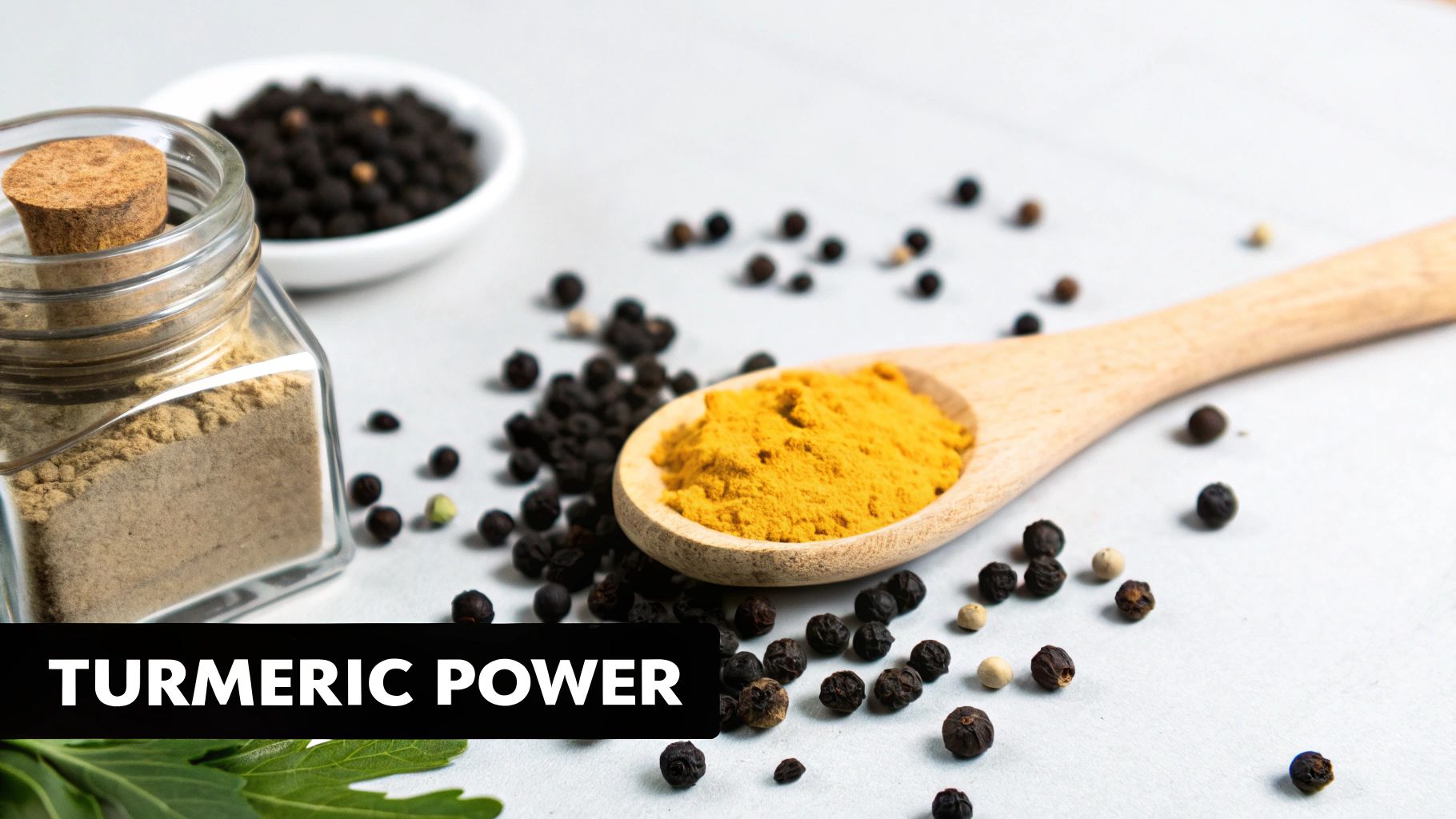
Turmeric, the vibrant yellow spice that gives curry its characteristic color, is far more than a culinary delight; it's a medicinal powerhouse. For centuries, Ayurvedic and traditional medicine have heralded turmeric for its healing properties, and modern science is now validating its role as one of the most effective foods that reduce inflammation. Its acclaim is almost entirely due to its active compound, curcumin, which has demonstrated astonishing anti-inflammatory capabilities.
The Science Behind the Benefit
The anti-inflammatory magic of turmeric lies in curcumin. This potent polyphenol is a biological heavyweight, directly interfering with the master regulator of inflammation in the body, a molecule called NF-kB. By inhibiting NF-kB, curcumin effectively turns down the volume on the genes that produce pro-inflammatory proteins, striking at the very root of chronic inflammation.
Clinical studies have shown curcumin’s efficacy to be on par with some non-steroidal anti-inflammatory drugs (NSAIDs). For instance, research involving osteoarthritis patients revealed that curcumin supplementation provided pain relief comparable to ibuprofen, but without the associated gastrointestinal side effects. This makes it a compelling natural alternative for managing chronic inflammatory conditions.
"Curcumin is one of the most extensively studied natural compounds for inflammation. Its ability to inhibit the NF-kB pathway gives it a powerful, systemic anti-inflammatory effect that rivals many pharmaceuticals."
How to Choose and Use Turmeric for Maximum Impact
Unlocking the full power of curcumin requires a specific strategy because it has low bioavailability on its own. Your body struggles to absorb it, but a few simple tricks can dramatically increase its potency.
- Always Pair with Black Pepper: Black pepper contains piperine, a compound that can enhance curcumin absorption by an incredible 2,000%. Never use turmeric without it.
- Combine with a Healthy Fat: Curcumin is fat-soluble, meaning it dissolves in fat. Consuming it with a fat source like extra virgin olive oil or coconut milk allows it to be absorbed directly into the bloodstream.
- Make "Golden Milk": A popular wellness trend for a reason. Whisk a teaspoon of turmeric powder, a pinch of black pepper, and a drizzle of olive or coconut oil into warm plant-based milk for a soothing anti-inflammatory beverage.
- Incorporate It into Daily Meals: Add this power-duo (turmeric and pepper) to soups, stews, rice dishes, roasted vegetables, and smoothies. Mixing it into an olive oil-based salad dressing is an effortless way to get a daily dose.
By thoughtfully incorporating turmeric into your diet, you harness one of nature’s most potent anti-inflammatory agents. To further explore the powerful anti-inflammatory properties of this spice, you can delve into the ultimate guide to turmeric curcumin supplement benefits.
10. Legumes (Beans, Lentils, Chickpeas)
Often overlooked as simple pantry staples, legumes like beans, lentils, and chickpeas are nutritional powerhouses in the fight against chronic inflammation. They are a cornerstone of many of the world's healthiest dietary patterns, such as the Mediterranean and Blue Zone diets, offering a potent combination of fiber, plant-based protein, and phytonutrients that make them essential foods that reduce inflammation. Their value extends beyond basic nutrition, actively nurturing a healthy gut environment, which is a key regulator of the body's inflammatory response.
The Science Behind the Benefit
The anti-inflammatory magic of legumes lies in their unique composition. They are rich in both soluble and insoluble fiber, as well as polyphenols and flavonoids, which are antioxidant compounds that directly combat oxidative stress. More importantly, their high content of resistant starch acts as a prebiotic, feeding beneficial gut bacteria. When these microbes ferment this starch, they produce short-chain fatty acids (SCFAs) like butyrate.
Butyrate is a critical molecule for gut health and systemic inflammation. It serves as the primary fuel source for the cells lining the colon, strengthening the intestinal barrier. A stronger barrier prevents toxins and undigested food particles from leaking into the bloodstream, a condition known as "leaky gut" that is a major driver of systemic inflammation. Studies have linked regular legume consumption to lower levels of inflammatory markers like CRP.
"The resistant starch in cooled legumes fuels the production of butyrate, a short-chain fatty acid that fortifies the gut wall and directly calms intestinal and systemic inflammation."
How to Choose and Use Legumes for Maximum Impact
Incorporating legumes effectively involves a few simple strategies to maximize their benefits and improve digestibility.
- Soak Dried Legumes: To reduce anti-nutrients like phytates and make them easier to digest, soak dried beans for 8-12 hours before cooking. Discard the soaking water and rinse well.
- Cool Before Eating: To increase the formation of beneficial resistant starch, allow cooked legumes to cool down. They can be gently reheated or enjoyed cold in salads.
- Start Slowly: If your system isn't used to a high-fiber diet, begin with small portions (like a quarter cup) and gradually increase your intake to avoid digestive discomfort.
- Pair with Healthy Fats: Combine legumes with extra virgin olive oil. A classic hummus (chickpeas and olive oil) or a lentil salad drizzled with EVOO creates a complete, anti-inflammatory meal.
- Boost Digestibility: Cooking legumes with a strip of kombu seaweed can help break down some of the gas-producing compounds, making them more tolerable for sensitive individuals.
By making legumes a regular feature in your meals, you are taking a powerful step toward fortifying your gut microbiome and reducing the chronic inflammation that underlies so many health issues.
Top 10 Anti-Inflammatory Foods Comparison
| Item | Implementation Complexity 🔄 | Resources & Cost ⚡ | Expected Impact ⭐📊 | Ideal Use Cases 💡 | Key Advantages ⭐ |
|---|---|---|---|---|---|
| Extra Virgin Olive Oil | Low 🔄 — simple to use; requires proper storage | Medium ⚡ — premium prices for high polyphenol oils | High ⭐📊 — reduces IL‑6/TNF‑alpha; cardiovascular benefits | Drizzling, dressings, low‑heat cooking | Rich polyphenols & oleocanthal; monounsaturated fats |
| Fatty Fish (Salmon, Sardines, Mackerel) | Medium 🔄 — cooking, storage, sourcing considerations | High ⚡ — cost and sustainability concerns | High ⭐📊 — EPA/DHA lower cytokines; joint & heart benefits | Main protein 2–3x/week; anti‑inflammatory meals | Highly bioavailable omega‑3s (EPA/DHA); vitamin D |
| Leafy Greens (Spinach, Kale, Swiss Chard) | Low 🔄 — minimal prep; perishable handling | Low ⚡ — affordable and widely available | Medium ⭐📊 — vitamin K, antioxidants reduce markers | Salads, light sauté with olive oil for absorption | Nutrient‑dense; high vitamin K and carotenoids |
| Berries (Blueberries, Raspberries, Strawberries) | Low 🔄 — eat raw or frozen; short shelf life fresh | Medium ⚡ — seasonal vs frozen cost tradeoff | Medium‑High ⭐📊 — anthocyanins/resveratrol inhibit NF‑kB | Snacks, smoothies, toppings; pair with grains or yogurt | Very high antioxidant density; fiber for microbiome |
| Whole Grains (Oats, Farro, Quinoa) | Medium 🔄 — longer cooking; some prep techniques | Low ⚡ — affordable, shelf‑stable | Medium ⭐📊 — fiber/beta‑glucans promote SCFAs and reduce inflammation | Breakfasts, grain bowls, salads with olive oil | Supports microbiome, sustained energy, satiety |
| Nuts & Seeds (Almonds, Walnuts, Flaxseeds, Chia) | Low 🔄 — minimal prep; portion control needed | Medium ⚡ — price varies; long shelf life if stored | Medium ⭐📊 — ALA, polyphenols, magnesium reduce inflammation | Snacks, toppings for salads and bowls with olive oil | Portable, nutrient‑dense; ALA from walnuts/flax |
| Tomatoes (Fresh, Sun‑Dried, Paste) | Low 🔄 — cooking increases benefits | Low ⚡ — widely available in many forms | Medium ⭐📊 — lycopene (↑ when cooked) targets inflammatory pathways | Sauces, cooked dishes, tomato + olive oil combinations | Lycopene bioavailability enhanced by cooking + fat |
| Garlic & Onions (Allium Vegetables) | Low 🔄 — simple prep; allicin forms if rested before cooking | Low ⚡ — very inexpensive and long shelf life | Medium ⭐📊 — allicin/quercetin suppress pro‑inflammatory cytokines | Flavor base (soffritto), dressings, raw/minced uses | Potent organosulfur compounds; antimicrobial effects |
| Turmeric & Curcumin‑Containing Spices | Low‑Medium 🔄 — require co‑ingredients (piperine/fat) for effect | Low ⚡ — inexpensive spice; widely available | High ⭐📊 — curcumin inhibits NF‑kB; clinical support for inflammation | Golden milk, curries, dressings with black pepper & oil | Strong anti‑inflammatory compound; evidence in trials |
| Legumes (Beans, Lentils, Chickpeas) | Medium 🔄 — soaking/cooking or use canned | Low ⚡ — highly affordable and shelf‑stable dry | Medium ⭐📊 — fiber/resistant starch → SCFAs and gut barrier support | Stews, salads, hummus with olive oil; plant‑protein meals | Excellent microbiome support; plant protein and fiber |
Your Plate Is Your Power: The Simple First Step to a Life Without Inflammation
You now possess the blueprint. The journey through this guide wasn't just about listing beneficial groceries; it was about arming you with a new way of seeing your kitchen, your meals, and your very well-being. The fight against chronic inflammation isn't a complex war won with a single, drastic measure. It is a quiet, consistent victory achieved through intelligent, daily choices.
The true magic of these foods lies not in their individual strength, but in their powerful synergy. Think of how a high-quality extra virgin olive oil unlocks the fat-soluble vitamins in a bed of dark leafy greens, or how a pinch of black pepper can amplify the bioavailability of turmeric's curcumin by up to 2,000%. Your plate becomes a dynamic ecosystem where each component enhances the others. This is the art of eating to reduce inflammation.
The Power of One Small Swap
The path forward doesn't demand an overwhelming lifestyle overhaul overnight. In fact, the most sustainable change begins with one simple, decisive action. Consider this your first step:
- Swap your usual cooking oil for a genuine, high-polyphenol extra virgin olive oil.
- Drizzle it over roasted vegetables, blend it into a homemade vinaigrette, or use it as a finishing touch on a hearty bean soup.
- Replace one processed snack with a handful of walnuts or a bowl of vibrant berries.
That one decision, repeated daily, initiates a cascade of positive change throughout your body. It’s a small hinge that swings a very large door. You are not just eating; you are strategically dismantling the very foundation upon which chronic inflammation is built.
From Knowledge to Action: Your Anti-Inflammatory Kitchen
As we've explored, the principles are straightforward. Prioritize whole, unprocessed foods and understand that color on your plate often signifies a wealth of antioxidants and protective compounds.
Key Takeaways to Remember:
- Embrace Healthy Fats: Make extra virgin olive oil your primary fat source. Incorporate omega-3-rich fatty fish like salmon and sardines into your weekly rotation.
- Eat the Rainbow: Load your meals with antioxidant-packed berries, lycopene-rich tomatoes, and nutrient-dense leafy greens like spinach and kale.
- Spice It Up: Leverage the potent anti-inflammatory properties of turmeric, garlic, and onions not just for flavor, but for their profound health benefits.
- Focus on Fiber: Fuel your gut microbiome with fiber from whole grains, legumes, nuts, and seeds, which is crucial for regulating the body's inflammatory response.
This isn't about deprivation. It is about empowerment. It's about trading inflammatory, ultra-processed foods for delicious, vibrant alternatives that serve your health. To further empower your journey towards a life without inflammation, explore this guide on the Top 10 Inflammation Reducing Foods for more insights and actionable tips.
The path to a more energetic, vibrant, and pain-free life is not found in a pill bottle; it’s waiting for you on your plate. You have the knowledge and the power to take back control. The only remaining question is: what will your next meal be?
Ready to master the cornerstone of an anti-inflammatory diet? At Learn Olive Oil, we provide in-depth guides and resources to help you choose, taste, and use authentic extra virgin olive oil for maximum health benefits. Visit Learn Olive Oil to transform your understanding and unlock the full potential of this liquid gold.
 Learn Olive Oil
Leave a comment