While most of us enjoy olive oil for its rich flavor and health perks, a true allergy to it can be a real, and sometimes alarming, issue. It’s rare, but it happens. The reaction kicks off when your immune system gets its wires crossed and mistakenly flags olive oil as a harmful substance, launching a defense that can cause anything from a simple rash to more severe problems.
Are You Really Allergic to Olive Oil?
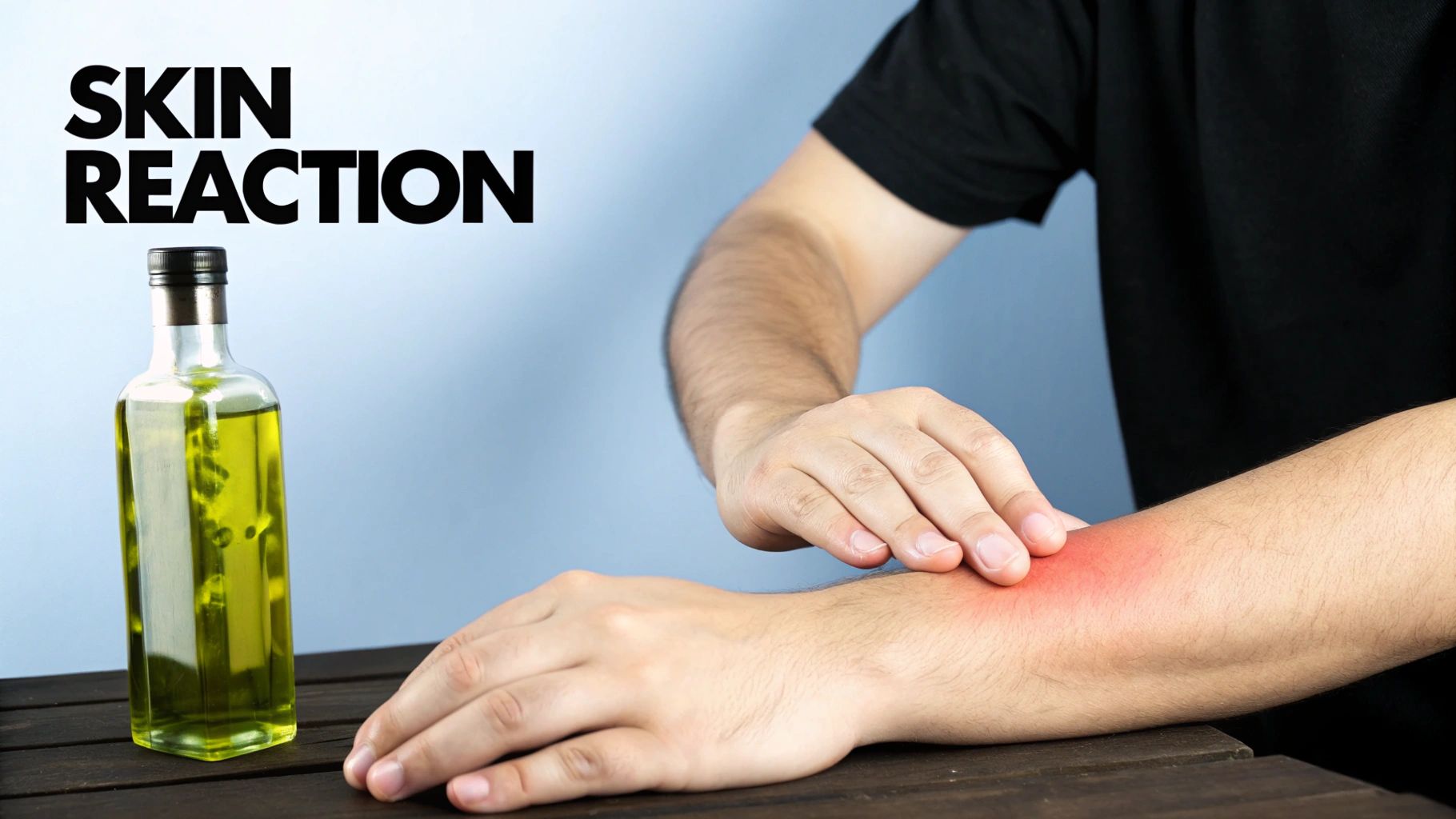
Think of an olive oil allergy as a classic case of mistaken identity. Your immune system, which is supposed to be your personal bodyguard, sees harmless proteins from the olive fruit and treats them like dangerous intruders. This overreaction triggers the release of chemicals like histamine, which then cause the physical olive oil allergy symptoms you see and feel.
How you're exposed to the oil often determines the kind of reaction you'll have. For example, using a skincare product with olive oil might cause contact dermatitis—a red, itchy rash right where you applied it. On the other hand, eating food cooked with olive oil could lead to a more systemic, body-wide response.
The Spectrum of Reactions
The symptoms can look very different from one person to the next. Even though it's an uncommon allergy, the documented cases show a wide range of responses. Some people might experience angioedema, a sudden swelling deep under the skin that typically affects the face, hands, or even the throat.
A true allergy to olive oil isn't the same as an intolerance; it’s an immune-mediated response. Grasping this difference is the crucial first step toward getting a proper diagnosis and figuring out how to manage it.
Other reports detail more immediate and frightening symptoms. For instance, people with asthma have reported itching in their mouth and throat, coughing, and trouble breathing just minutes after eating something made with olive oil. These accounts, often confirmed with skin prick tests, underscore that while the allergy is rare, it can trigger immediate hypersensitivity. You can find more information about these specific allergy case studies on thermofisher.com.
It's also important not to confuse a reaction to the oil with a much more common allergy to olive tree pollen. We'll dig into how to tell these apart later, but for now, know that pollen allergies usually cause seasonal "hay fever," not a direct reaction to eating the oil. Getting this initial distinction right will help you figure out if what you're experiencing points to a true food allergy.
Recognizing the Signs of an Allergic Reaction
The first step to figuring out if you have an olive oil allergy is knowing what to look for. Because you can come into contact with olive oil by eating it, touching it, or even breathing in tiny droplets from cooking spray, the symptoms can pop up in a few different ways. It helps to understand these categories so you can connect the dots between what you're feeling and what might have caused it.
Think about it this way: you try a new, "all-natural" body lotion, and an hour later, your arm is covered in an itchy, red rash. Or maybe you felt queasy and crampy after a big Mediterranean-style meal. These are classic examples of how an allergy can show up, turning something totally harmless for most people into a real source of discomfort for you.
Most often, the signs of an olive oil allergy appear on the skin, especially after you've touched it. This is typically contact dermatitis, a reaction that stays right where the oil made contact.
Common Skin Reactions
When the proteins in olive oil touch your skin and your immune system mistakes them for an invader, it can set off a few very visible symptoms. These are basically your body's alarm bells, telling you it's found something it doesn't like.
Common skin-related symptoms include:
- Hives (Urticaria): These are those raised, intensely itchy welts that can show up anywhere. They come in different sizes and can frustratingly appear and disappear over a few hours.
- Eczema (Atopic Dermatitis): If you already have eczema, you might notice a bad flare-up. For others, new patches of dry, scaly, and super itchy skin can develop.
- Redness and Rash: You might see a general rash or just a patch of redness, often with a stubborn itch or even a burning feeling.
These reactions are your body’s handiwork, caused by the release of histamines—the same chemicals responsible for the inflammation and irritation you get with other common allergies.
Respiratory and Gastrointestinal Issues
Skin reactions are the most frequent, but for some sensitive people, eating olive oil can trigger digestive or breathing problems. It’s the same overreaction, just happening on the inside. Your airways or digestive tract can get just as inflamed as your skin.
For some, symptoms go beyond the skin. Gastrointestinal distress like stomach cramps, nausea, or diarrhea, and respiratory issues like coughing or wheezing after a meal, could point to an allergic reaction from ingestion.
If you already have asthma, you might find you're more susceptible to respiratory symptoms. This could look like a sudden cough, wheezing, or feeling short of breath shortly after eating something cooked with olive oil. Similarly, an upset stomach, vomiting, or diarrhea could be a clear sign that your digestive system is not happy.
To help you get a clearer picture, here's a table breaking down the difference between common and more serious reactions.
Common vs. Severe Olive Oil Allergy Symptoms
A summary of potential symptoms categorized by severity to help you assess your reaction.
| Symptom Category | Common (Mild to Moderate) Symptoms | Severe (Seek Medical Attention) Symptoms |
|---|---|---|
| Skin | Localized rash, hives, itching, eczema flare-up. | Widespread hives, swelling of the lips, face, or tongue (angioedema). |
| Gastrointestinal | Nausea, mild stomach cramps, diarrhea. | Severe abdominal pain, repeated vomiting, trouble swallowing. |
| Respiratory | Sneezing, runny nose, mild cough or wheezing. | Difficulty breathing, shortness of breath, tightness in the chest or throat. |
| General | A general feeling of being unwell. | Dizziness, lightheadedness, fainting, rapid heartbeat, a sense of doom (signs of anaphylaxis). |
Knowing the difference is key. While mild symptoms are uncomfortable, severe ones can be dangerous and require immediate medical help.
This chart shows some of the diagnostic tools that allergists use to get a definitive answer on sensitivities.
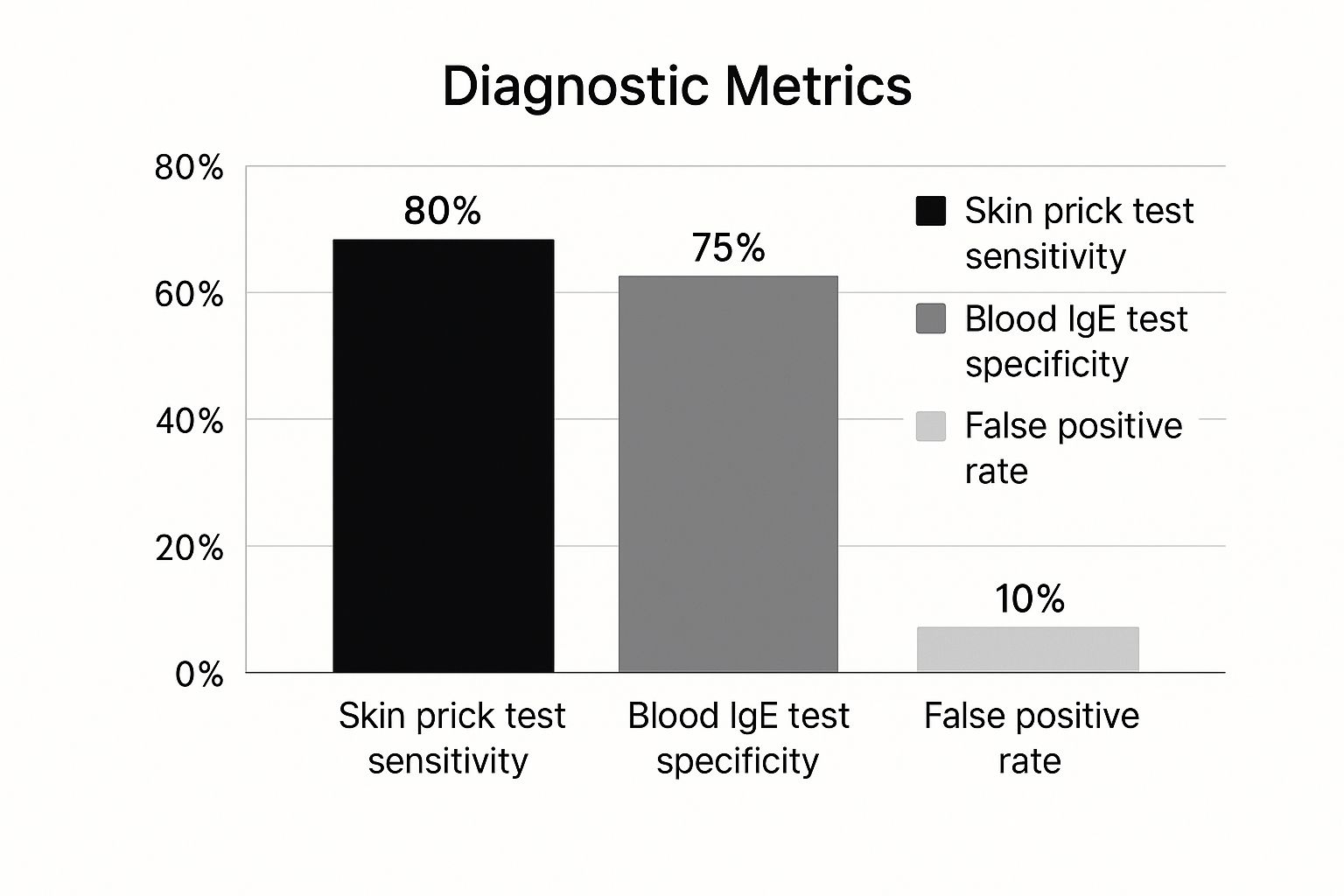
As the chart shows, even highly sensitive diagnostic tools like a skin prick test can produce false positives. That’s why you can't rely on a test alone. Seeing an allergist is the only way to get a professional diagnosis, as they can interpret these results in the context of your specific symptoms and history to find the real culprit.
Is It the Oil or the Pollen?

When you're dealing with a reaction related to olives, the first crucial step is figuring out the real source. Are you reacting to the olive oil in your food, or is it the pollen from the olive tree itself? It’s a common point of confusion because both come from the same plant, but they trigger completely different allergic responses.
Think of it this way: someone might be allergic to peanuts but have no problem being near a peanut plant. The olive tree is similar. It produces the fruit that gives us oil, and it also produces pollen. It's entirely possible to be allergic to one and not the other.
A genuine food allergy to olive oil is exceptionally rare. On the other hand, an allergy to olive pollen is incredibly common, especially if you live anywhere near olive groves.
The Pollen Problem
An olive pollen allergy is a classic seasonal allergy, not much different from the hay fever many people experience in the spring. When olive trees blanket the air with their fine, powdery pollen, people who are sensitive can expect a familiar wave of symptoms.
These symptoms have nothing to do with what you've eaten. They show up when the pollen count soars.
- Itchy, watery eyes: A tell-tale sign of most pollen allergies.
- Runny nose and sneezing: Your body is trying its best to flush out the airborne irritants.
- Nasal congestion: The result of inflammation in your nasal passages.
- Asthma-like symptoms: In some people, pollen can trigger coughing, wheezing, and even shortness of breath.
This is an environmental allergy, plain and simple. It’s caused by breathing in microscopic pollen grains, and it's completely separate from the olive oil you might use for cooking or in a salad.
Making the Right Connection
Getting this distinction right is key to solving the mystery of your symptoms. If your reactions are seasonal and mostly affect your breathing, it’s far more likely that olive pollen is the culprit, not the oil.
In Mediterranean regions, olive pollen is a leading cause of seasonal allergies. Studies have found that sensitization to olive pollen can affect up to 70% of patients with respiratory symptoms in these areas.
In fact, one study looking at Turkish patients with allergic rhinitis or asthma found that 33.2% were sensitized to olive pollen. This kind of allergy can also cause systemic problems like fatigue and poor sleep during peak pollen season, which can really drag down your quality of life. You can learn more about the widespread effects of olive pollen and its impact on local populations.
So, if your symptoms are hives, stomach cramps, or swelling right after you eat or touch olive oil, then a food allergy is the likely suspect. But if you’re just sneezing your way through spring, you can probably keep enjoying that bottle of extra virgin olive oil. Pinpointing the correct trigger means you won't have to cut something wonderful and healthy from your diet for no reason.
How Doctors Confirm an Olive Oil Allergy
Trying to figure out a food allergy on your own can be a confusing and even risky game of guesswork. If you think your symptoms point to a real olive oil allergy, your next move should be to get a professional diagnosis from an allergist. They have a systematic way of investigating to get you clear, reliable answers about what’s actually triggering your body’s reaction.
The journey always begins with a conversation. Your allergist will want to know the whole story—your medical history and the exact symptoms you’ve noticed. Be ready to talk about what you ate or touched right before a reaction, how quickly the symptoms showed up, and what they felt like. This initial chat is more than just talk; it provides the crucial clues that guide the entire diagnostic process.
The First Diagnostic Tools
After hearing your story, an allergist will likely recommend specific tests to see how your immune system responds to olive proteins. The goal here is to hunt for Immunoglobulin E (IgE), which are the specific antibodies your body produces to fight off what it mistakenly sees as a threat.
Two common tests are used to find these antibodies:
- Skin Prick Test (SPT): This is one of the fastest ways to check for an allergy. The allergist places a tiny drop of liquid containing the olive allergen on your skin (usually your forearm or back) and then gently pricks the surface. If you're allergic, your immune system will sound the alarm, creating a small, raised, itchy bump that looks like a mosquito bite. You’ll usually see a result in about 15-20 minutes.
- Blood Test: If a skin test isn’t the right fit for you, a blood test is another great option. This test measures the exact amount of olive-specific IgE antibodies circulating in your bloodstream. A higher level of these antibodies often points to a higher chance of an allergy.
It's important to know that these tests aren't flawless. They can sometimes show a false positive, suggesting an allergy that isn't really there. A good allergist knows this and uses the test results as just one piece of the puzzle, combining them with your symptom history to make an accurate diagnosis.
The Gold Standard: The Oral Food Challenge
Sometimes, the skin and blood tests don't give a clear-cut answer. In these cases, or when an allergist wants to be absolutely certain, they may recommend an oral food challenge. This test is widely considered the most definitive way to diagnose any food allergy.
An oral food challenge involves eating very small, gradually increasing amounts of olive oil or olive fruit in a controlled clinical setting, like a doctor’s office or hospital. This is always done under strict medical supervision to keep you safe.
Because this test deliberately exposes you to a potential allergen, it has to be performed by a professional who can manage any reaction on the spot. If you develop symptoms during the challenge, the diagnosis is confirmed. But if you can eat a normal serving with no problems, the allergy is ruled out. Either way, you walk away with a conclusive answer and peace of mind.
Managing Your Life with an Olive Oil Allergy
Getting an olive oil allergy diagnosis isn't a life sentence; it’s more like getting a new map. Your main goal is simply strict avoidance, which means you'll need to become a bit of a detective when it comes to labels.
This vigilance extends beyond just food. You'll need to scan ingredient lists for more than just "olive oil." On cosmetic and skincare products, companies often use its botanical name, Olea europaea. Recognizing this name is crucial for avoiding an unwanted skin reaction.
Navigating Daily Life Safely
Living with this allergy means being a confident advocate for yourself, especially when you're not in your own kitchen. Don't ever feel hesitant to tell restaurant staff about your allergy. A clear explanation allows the kitchen to take the right precautions, preventing cross-contamination and keeping your meal safe.
It's also a great chance to discover new favorites for cooking and skincare.
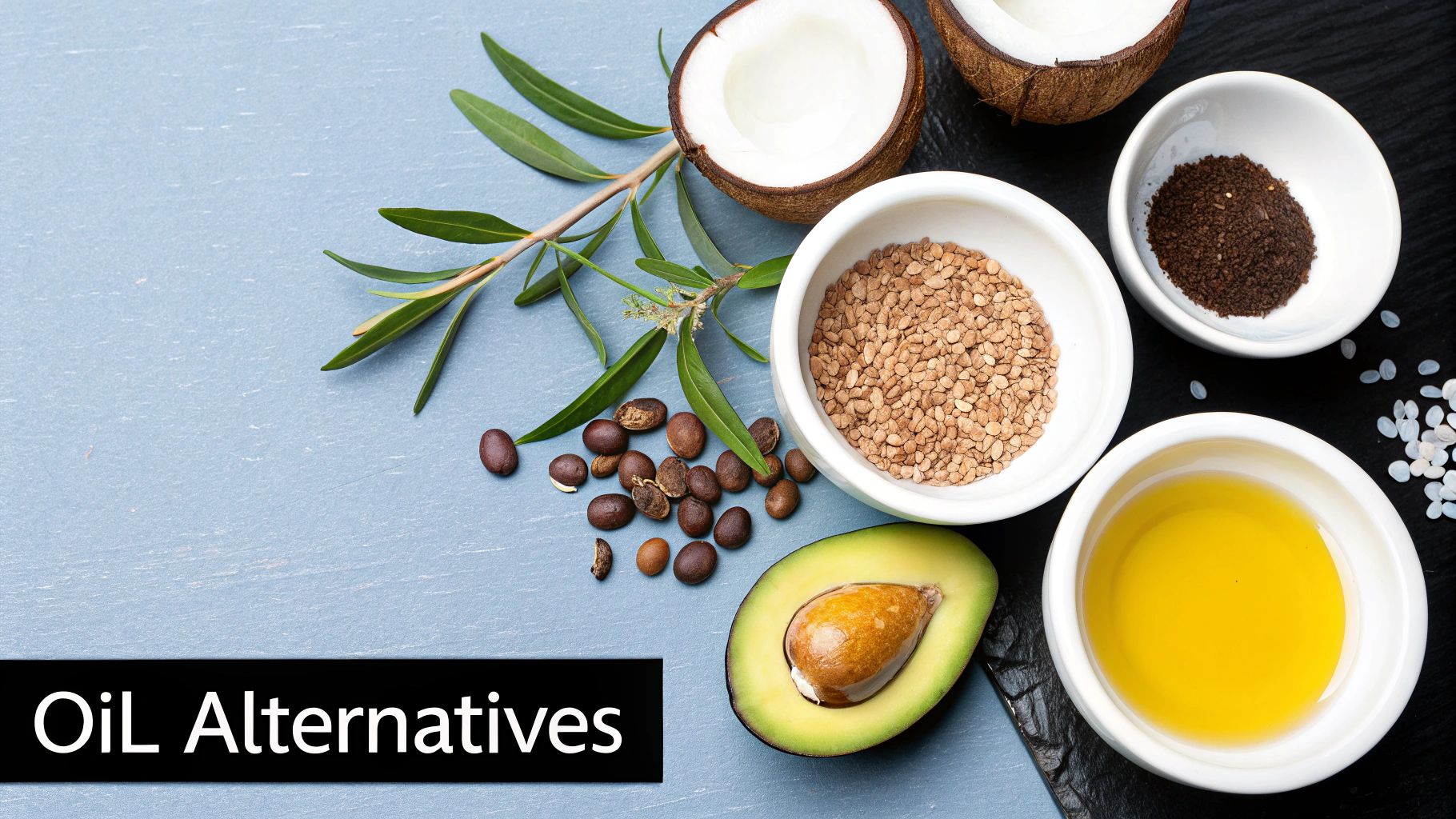
- In the Kitchen: Depending on what you’re making, oils like sunflower, avocado, canola, or coconut can be fantastic substitutes. Some are better for high-heat cooking, while others shine in baking.
- For Your Skin: Many people find great alternatives in products made for sensitive skin. Ingredients like shea butter, jojoba oil, or almond oil are excellent moisturizers that won’t trigger your allergy.
At the heart of managing any allergy is a solid emergency plan. It’s not just about avoiding the trigger—it's about knowing exactly what to do if accidental exposure happens, because despite our best efforts, it can.
Being prepared is empowering. For a mild reaction, like a small rash from skin contact, over-the-counter antihistamines can often soothe the itching and hives. Your allergist can guide you on the best options for your specific symptoms.
But for anyone at risk of a severe reaction, carrying an epinephrine auto-injector (like an EpiPen) is absolutely essential. This is your first-line defense against the life-threatening reaction known as anaphylaxis. Make sure you, your family, and your close friends all know how and when to use it. By being proactive and prepared, you can manage this allergy with confidence and live your life to the fullest.
Got Questions About Olive Allergies? We've Got Answers.
Let's tackle some of the most common questions that come up when we talk about olive oil allergies. Think of this as a quick-reference guide to clear up any lingering confusion.
Can I Be Allergic to Refined Olive Oil But Not Extra Virgin?
It's a great question, but the short answer is: probably not.
A true allergy is a reaction to the proteins left over from the olive fruit. While heavy refining can strip away some of these proteins, it's nearly impossible to get rid of every last trace.
So, if you have a genuine olive allergy, that tiny amount of protein is likely enough to cause a reaction, no matter if the oil is extra virgin, virgin, or a refined "light" olive oil. An allergist is the only one who can truly get to the bottom of what's triggering your symptoms.
If I'm Allergic to Olive Oil, Should I Avoid All Olive Products?
Yes, absolutely. If an allergy specialist has confirmed you're allergic to the proteins in olives, you'll need to steer clear of anything made from them. This isn't just about the oil—it includes whole olives, tapenades, and even things like olive leaf extracts.
Think of it this way: the same troublemaker protein causing your olive oil allergy symptoms is present throughout the entire olive. That's why complete avoidance is so critical to prevent a reaction.
Your allergist can give you the final word on what's safe and what's not, based on your specific situation.
Are Olive Oil Allergies More Common in Adults or Children?
Food allergies don't discriminate by age—they can pop up at any time. While we often associate food allergies with childhood, it's entirely possible for an adult to develop an allergy to olive oil for the very first time.
Because this specific allergy is so rare, there isn't enough solid data to say whether it's more common in kids or adults.
At Learn Olive Oil, we believe that the more you know about olive oil, the better your experience will be—from the kitchen to the dinner table. Dive into our expert guides on how to choose, taste, and cook with the world's best olive oils. Ready to learn more? Start your journey at Learn Olive Oil.

 Learn Olive Oil
Leave a comment