For thousands of years, from the sun-drenched groves of the Mediterranean to the opulent baths of ancient royalty, olive oil has been celebrated not just as a culinary staple but as a true 'liquid gold' for the skin. While modern skincare aisles are flooded with complex formulas, this timeless natural elixir continues to stand out for its profound, science-backed olive oil benefits for skin.
But what exactly makes this kitchen staple so effective for your complexion? It's more than just an old-world tradition; it’s a potent cocktail of antioxidants, healthy fats, and vitamins that can transform your skin's health and appearance. It offers a simple yet powerful solution for achieving a radiant, healthy look without resorting to harsh chemicals.
In this comprehensive guide, we move beyond generic advice to explore the specific, actionable ways you can integrate this powerful ingredient into your routine. We will break down the science behind its top advantages, from deep hydration to gentle makeup removal, providing practical tips to help you harness its full potential. Prepare to rediscover a skincare powerhouse that has been hiding in plain sight, and learn how to unlock the remarkable benefits of olive oil for your skin.
1. Deep Moisturizing and Hydration
One of the most celebrated olive oil benefits for skin is its profound ability to moisturize and hydrate. Unlike many water-based lotions that can evaporate quickly, olive oil provides deep, lasting hydration by working in harmony with your skin's natural structure. Its effectiveness is rooted in its unique chemical composition, which is remarkably similar to the skin's own protective oils.
The Science of Superior Moisturization
The secret to olive oil's moisturizing power lies in its high concentration of monounsaturated fatty acids, particularly oleic acid, which can make up between 55% and 83% of its volume. This fatty acid is a key component of the skin's lipid barrier, the outermost layer responsible for locking in moisture and keeping irritants out. When you apply olive oil, its oleic acid integrates seamlessly with this barrier, reinforcing it and preventing transepidermal water loss (TEWL), which is the scientific term for moisture escaping from the skin.
This deep penetration ensures that hydration isn't just a surface-level effect. Instead, olive oil nourishes the skin from within, promoting a soft, supple, and resilient complexion. This is why it has been a cornerstone of beauty rituals for centuries, famously used in the olive oil baths of Cleopatra and recommended by dermatologists today for dry skin conditions like eczema and xerosis.
The infographic below highlights the key components responsible for olive oil's hydrating effects.
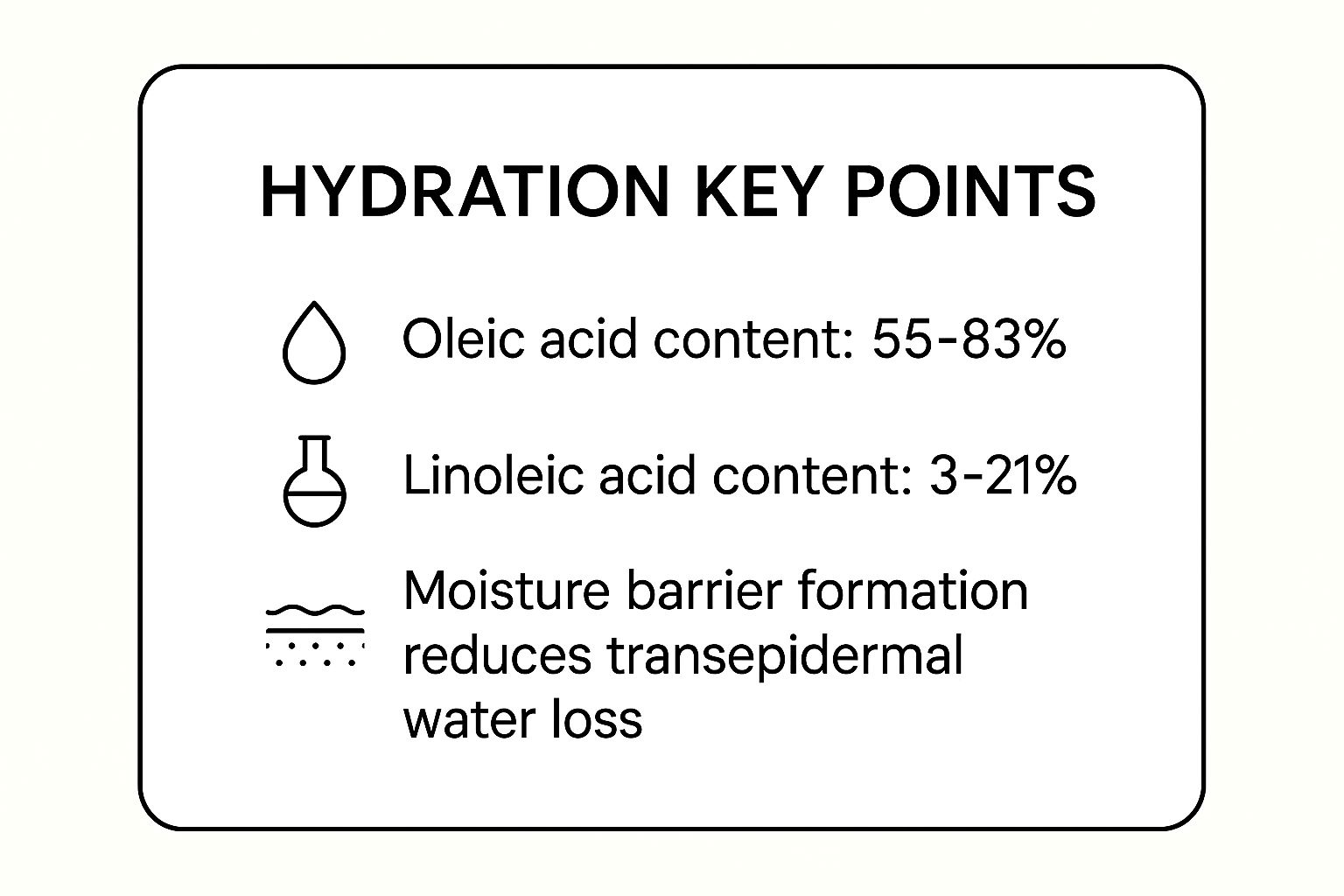
As the data shows, the significant percentage of oleic acid is crucial for mimicking and fortifying the skin's natural moisture barrier.
How to Use Olive Oil for Hydration
To harness these benefits, application is key. For best results, apply a small amount of extra virgin olive oil to slightly damp skin, such as after a shower. The water helps the oil spread more easily and locks in an extra layer of moisture. Because of its richness, it's often best used as an intensive nighttime treatment, allowing it to fully absorb without leaving a greasy feel during the day. Luxury brands like L'Occitane en Provence have built entire product lines around this simple yet powerful ingredient, testament to its enduring efficacy.
2. Anti-Aging and Wrinkle Reduction
Beyond simple hydration, another of the most powerful olive oil benefits for skin is its remarkable anti-aging and wrinkle-reducing capability. This is not just a modern discovery but a time-honored secret. The oil's potent antioxidant profile helps protect the skin from environmental stressors that accelerate aging, such as pollution and UV exposure. By neutralizing damage and supporting skin structure, it helps maintain a firm, youthful appearance.
The Science of Youthful Skin
The key to olive oil's anti-aging prowess lies in its rich concentration of powerful antioxidants like vitamin E, polyphenols, and squalene. These compounds are exceptional at combating free radical damage, the primary culprit behind premature aging and the breakdown of skin cells. Free radicals are unstable molecules that steal electrons from healthy cells, leading to oxidative stress, which in turn degrades collagen and elastin, the proteins that keep skin firm and plump.
Olive oil's antioxidants neutralize these damaging free radicals, effectively shielding the skin. Furthermore, its components can help stimulate collagen production, which naturally declines with age. This dual-action approach not only prevents new fine lines from forming but also improves the skin's overall elasticity and firmness. It’s no wonder that icons like Sophia Loren credited olive oil for her timeless beauty, and modern anti-aging specialists like Dr. Nicholas Perricone often highlight its benefits. Brands like the Greek natural cosmetics company Korres have also built their philosophy around the antioxidant power of ingredients like olive oil.
How to Use Olive Oil for Anti-Aging
To maximize the anti-aging benefits, incorporate high-quality olive oil into your evening skincare routine. Consistent application is vital for seeing tangible results, such as the 20% improvement in skin elasticity observed in some clinical studies after eight weeks.
- Apply After Cleansing: After washing your face in the evening, gently massage a few drops of cold-pressed extra virgin olive oil onto your face and neck. Using a cold-pressed variety ensures the delicate antioxidants have not been degraded by heat during processing.
- Use Upward Motions: Use gentle, upward circular motions to apply the oil. This technique helps stimulate blood flow and counteracts the downward pull of gravity.
- Enhance with Vitamin C: For an antioxidant boost, apply the olive oil after a vitamin C serum. The combination can amplify the fight against free radical damage and brighten the complexion.
3. Healing and Wound Recovery
Beyond simple moisturization, another of the profound olive oil benefits for skin is its remarkable ability to support healing and accelerate wound recovery. For millennia, cultures have turned to this natural oil as a first-line treatment for minor injuries. Its effectiveness stems from a potent combination of anti-inflammatory compounds and essential nutrients that promote cellular regeneration and protect damaged tissue.
The Science of Superior Healing
Olive oil's healing prowess is largely attributed to two key components: oleocanthal and vitamin E. Oleocanthal is a unique phenolic compound found in extra virgin olive oil that exhibits natural anti-inflammatory properties, functioning in a way that is surprisingly similar to ibuprofen. By reducing inflammation at the site of an injury, it helps to minimize pain and swelling, creating a better environment for the body's natural healing processes to take over.
Simultaneously, the high concentration of vitamin E, a powerful antioxidant, works to protect the delicate, newly forming skin cells from oxidative stress and free radical damage. Vitamin E also plays a crucial role in promoting collagen synthesis, the protein framework essential for rebuilding strong, resilient skin tissue. This dual-action approach, reducing inflammation while actively supporting reconstruction, makes olive oil a powerful ally for healing everything from minor kitchen burns and scrapes to assisting in post-surgical skincare protocols, a practice noted by ancient physicians like Hippocrates and modern integrative dermatologists alike.
How to Use Olive Oil for Wound Recovery
To leverage olive oil for healing, proper application is vital to prevent complications and maximize benefits.
- Clean First: Always ensure the wound is thoroughly cleaned with mild soap and water and gently patted dry before applying anything.
- Apply a Thin Layer: Use a small amount of high-quality extra virgin olive oil and apply a very thin layer directly over the affected area. This is sufficient to create a protective, healing barrier.
- Cover If Necessary: For minor cuts and scrapes, cover the area with a sterile, breathable bandage after application. This keeps the wound clean while allowing air to circulate.
- Reapply Regularly: For optimal results, reapply the oil two to three times daily, especially after cleaning the area.
- Monitor for Infection: While olive oil has antimicrobial properties, it is not a substitute for medical care. Discontinue use and consult a doctor if you see any signs of infection, such as increased redness, pus, or worsening pain.
4. Natural Sun Protection
Another remarkable olive oil benefit for skin is its capacity to offer a degree of natural sun protection. While it is crucial to understand that olive oil is not a substitute for conventional, broad-spectrum sunscreen, it has been historically used to shield the skin from harsh solar rays. Its protective properties stem from its ability to both absorb UV radiation and combat the subsequent oxidative damage.
The Science of UV Defense
Olive oil’s sun-protective qualities are attributed to its rich profile of polyphenolic compounds, especially hydroxytyrosol and tyrosol. These powerful antioxidants act as natural absorbers of UV radiation, helping to deflect some of the sun's harmful rays before they can penetrate the skin and cause damage. This provides a natural Sun Protection Factor (SPF), which studies estimate to be around 7-8.
Beyond simple absorption, these antioxidants are instrumental in neutralizing the free radicals generated by UV exposure. When sunlight hits the skin, it creates unstable molecules that lead to cellular damage, premature aging (photoaging), and inflammation. The antioxidants in olive oil help scavenge these free radicals, mitigating their harmful effects and supporting the skin's ability to repair itself after sun exposure. This dual action of blocking some UV rays and fighting oxidative stress is why ancient civilizations, like the Greeks and Romans, coated their skin in oil before athletic competitions under the Mediterranean sun.
How to Use Olive Oil for Sun Protection
To leverage this natural benefit, think of olive oil as a supplemental layer of defense, not your primary shield. It is best used in conjunction with proven sun protection methods.
- Layering is Key: Apply your regular, high-SPF sunscreen first. Once it has absorbed, you can apply a light layer of extra virgin olive oil on top to boost antioxidant protection and add moisture.
- Not a Standalone Solution: Never rely solely on olive oil for sun protection during peak sun hours or for extended periods outdoors. Its SPF of 7-8 is insufficient to prevent sunburn and long-term damage on its own.
- Combine with Other Measures: For comprehensive protection, always pair its use with wide-brimmed hats, protective clothing, and seeking shade. This traditional approach, still seen on beaches in Greece and Italy, combines natural oils with practical, physical barriers.
5. Gentle Makeup Removal
Another one of the top olive oil benefits for skin is its remarkable effectiveness as a gentle yet powerful makeup remover. Commercial makeup removers often rely on alcohol, surfactants, and other harsh chemicals that can strip the skin of its natural oils, leading to dryness and irritation. Olive oil offers a natural, nourishing alternative that dissolves even the most stubborn cosmetics without compromising your skin's health.
The Science of Superior Makeup Removal
The effectiveness of olive oil as a makeup remover is based on the simple chemical principle of "like dissolves like." Most makeup products, especially long-wearing foundations, waterproof mascaras, and vibrant lipsticks, are formulated with oils and waxes to ensure they adhere to the skin. Olive oil, being lipophilic (meaning it is attracted to and dissolves in fats and oils), can effortlessly break down these oil-based cosmetic pigments.
When massaged onto the skin, the olive oil binds with the oils in your makeup, lifting them from the surface and from within your pores. This process is exceptionally gentle, eliminating the need for aggressive rubbing or pulling, particularly around the delicate eye area. This makes it an ideal choice for individuals with sensitive skin or conditions like rosacea, as it cleanses while simultaneously soothing and moisturizing. This method is a cornerstone of the popular Korean beauty "oil cleansing method" and is frequently recommended by celebrity makeup artists like Charlotte Tilbury for its dual-action cleansing and nourishing properties.
The video below demonstrates how to effectively use olive oil for makeup removal as part of a double-cleansing routine.
As shown, this technique prepares the skin for a second cleanse, ensuring a truly deep clean.
How to Use Olive Oil for Makeup Removal
Incorporating olive oil into your cleansing routine is simple and highly effective. To start, pour a small amount of extra virgin olive oil into your palm and gently massage it onto your dry face in circular motions. Focus on areas with heavy makeup, like the eyes and lips, allowing the oil to dissolve the products.
Next, use a soft, damp cloth or cotton pad to wipe away the oil and makeup residue. For a complete clean, follow up with a gentle, water-based cleanser to remove any remaining oil and impurities. This two-step process, known as double cleansing, ensures your skin is left perfectly clean, soft, and hydrated, never stripped or tight.
6. Treatment for Skin Conditions
Beyond daily skincare, one of the most impactful olive oil benefits for skin lies in its therapeutic potential for managing chronic skin conditions. For those dealing with the persistent discomfort of eczema, psoriasis, or dermatitis, olive oil offers a gentle, natural alternative to soothe symptoms and support skin barrier repair. Its effectiveness stems from a powerful combination of anti-inflammatory and emollient properties that address the core issues of these conditions.
The Science of Skin Soothing
The hero compound in this context is oleocanthal, a unique phenolic compound found in high-quality extra virgin olive oil. Oleocanthal exhibits anti-inflammatory effects comparable to ibuprofen, working to reduce the redness, swelling, and irritation characteristic of flare-ups. This natural anti-inflammatory action helps calm the overactive immune response in the skin without the potential side effects of synthetic treatments.
Furthermore, olive oil’s rich fatty acid profile, including oleic and linoleic acids, acts as a superior emollient. In conditions like eczema and psoriasis, the skin barrier is compromised, leading to significant moisture loss and increased vulnerability to irritants. Olive oil helps restore this barrier, locking in hydration and providing a protective layer against external triggers. This dual-action approach of reducing inflammation while repairing the barrier makes it a valuable tool in holistic skin management, a fact supported by European dermatology research and recommendations from organizations like the National Eczema Association.
How to Use Olive Oil for Skin Conditions
Proper application is crucial when using olive oil to manage sensitive skin. It is essential to perform a patch test on a small, discreet area of skin for 24-48 hours before applying it more widely to ensure there is no adverse reaction.
For best results, gently apply a thin layer of high-purity, cold-pressed extra virgin olive oil to the affected areas. Applying it to slightly damp skin, for instance after a lukewarm bath, can enhance absorption and seal in much-needed moisture. While olive oil can be highly effective, it's vital to consult with a dermatologist before incorporating it into a treatment plan for severe or persistent conditions, especially for pediatric cases like infant eczema, to ensure it complements existing medical advice.
Olive Oil Skin Benefits Comparison
| Feature / Use Case | Deep Moisturizing and Hydration | Anti-Aging and Wrinkle Reduction | Healing and Wound Recovery | Natural Sun Protection | Gentle Makeup Removal | Treatment for Skin Conditions |
|---|---|---|---|---|---|---|
| 🔄 Implementation Complexity | Low – straightforward topical application | Moderate – requires consistent daily use | Moderate – careful wound care and layering | Low – simple topical application, but not standalone | Low – easy to apply and remove | Moderate – requires patch testing & monitoring |
| ⏳ Resource Requirements ⚡ | Minimal – small amounts of olive oil | Moderate – high-quality cold-pressed oil for efficacy | Moderate – clean environment, thin application | Minimal – olive oil only, ideally combined with sunscreen | Minimal – olive oil plus gentle cleanser | Moderate – extra virgin, cold-pressed oil preferred |
| 📊 Expected Outcomes | ⭐⭐⭐⭐ Long-lasting hydration, moisture barrier | ⭐⭐⭐⭐ Improved elasticity, reduced fine lines | ⭐⭐⭐ Healing acceleration, scar reduction | ⭐⭐ Mild UV protection, antioxidant defense | ⭐⭐⭐ Efficient makeup removal, skin nourishment | ⭐⭐⭐ Reduction in inflammation and symptom relief |
| 💡 Ideal Use Cases | Dry to very dry skin, nighttime moisturizing | Anti-aging skincare, sensitive skin needing natural retinoid alternative | Minor cuts, scrapes, burns, post-surgical skin care | Supplemental sun protection, mild UV exposure | Removing waterproof & sensitive eye makeup | Managing eczema, psoriasis, dermatitis flare-ups |
| 🌟 Key Advantages | Natural, cost-effective, strong moisture retention | Antioxidant rich, collagen stimulation, natural alternative | Anti-inflammatory, antimicrobial, promotes tissue repair | Chemical-free, enhances tanning, antioxidant protection | Gentle, moisturizes while cleansing, chemical-free | Anti-inflammatory, barrier repair, pH compatible |
| ⚠ Cons / Cautions | May feel greasy, can clog pores if overused | Takes weeks to see results, daily commitment needed | Not suitable for deep/infected wounds, hygiene critical | Insufficient alone for strong sun defense, not water-resistant | May leave oily residue, can blur vision temporarily | May worsen acne, not a substitute for prescribed meds |
Embracing Liquid Gold: Final Thoughts on Your Skincare Journey
Throughout this guide, we've journeyed deep into the versatile and potent world of skincare, uncovering the remarkable olive oil benefits for skin that have been celebrated for millennia. From its role as a profound moisturizer to its power in reducing the signs of aging, this ancient elixir proves that nature often holds the most effective solutions. We've seen how its unique composition of antioxidants, vitamins, and healthy fats works synergistically to deliver comprehensive care.
The path to radiant skin is not about finding a single miracle product, but about understanding and integrating high-quality, natural ingredients into a consistent routine. The power of olive oil lies in its simplicity and its multifaceted nature. It's a single ingredient that can replace several complex, synthetic products on your shelf.
Key Takeaways and Your Next Steps
To truly harness the olive oil benefits for skin, remember these core principles:
- Quality is Paramount: Not all olive oil is created equal. Always choose Extra Virgin Olive Oil (EVOO), preferably cold-pressed and from a reputable source. This ensures the highest concentration of polyphenols and other vital nutrients that are often lost in refined, lower-grade oils.
- Application Matters: Whether you are using it as a direct moisturizer, a base for a DIY mask, or a gentle makeup remover, the "how" is just as important as the "what." Apply to damp skin to lock in moisture, use gentle circular motions to boost circulation, and always start with a small amount.
- Listen to Your Skin: Your skin is unique. What works wonders for one person may require adjustment for another. Always perform a patch test on a discreet area, like your inner arm, before applying olive oil to your face. Observe how your skin reacts and adjust usage accordingly, especially if you have naturally oily or acne-prone skin.
By integrating olive oil into your skincare arsenal, you are not just adopting a beauty hack; you are embracing a holistic, time-tested approach to wellness. You are choosing an ingredient that nourishes, protects, and heals, connecting you to a tradition of natural care that has stood the test of time. The journey to healthier skin is a marathon, not a sprint, and this golden liquid is a worthy companion for the long run.
Ready to discover the perfect bottle to begin your journey? At Learn Olive Oil, we curate and review the world's finest olive oils, helping you distinguish true quality from the rest. Explore our guides and recommendations to find a premium extra virgin olive oil that will truly transform your skin.
 Learn Olive Oil
Leave a comment