So, you're wondering if olive oil can actually help with inflammation. The answer is a resounding yes, but with a crucial detail: it has to be high-quality extra virgin olive oil (EVOO). This isn't just cooking oil; it's a potent part of an anti-inflammatory lifestyle, brimming with compounds that tackle chronic inflammation right where it starts.
How EVOO Calms Inflammation from Within
Imagine chronic inflammation as a low-grade, constant alarm bell ringing inside your body. Over time, this persistent alert can lead to serious health problems. Extra virgin olive oil acts as a natural moderator, helping to turn down the volume on that alarm.
Its power comes from a specific cast of bioactive compounds, with one major star of the show: a polyphenol called oleocanthal. What’s truly fascinating about oleocanthal is that it functions much like ibuprofen, the common anti-inflammatory medication. It actively blocks the same COX enzymes that fuel the body's inflammatory cascade.
Ever tasted a high-quality EVOO and felt a distinct peppery tickle in the back of your throat? That’s oleocanthal. It’s a direct, sensory signal that you’re getting the potent anti-inflammatory benefits you’re looking for.
This isn’t about a one-time fix. Incorporating EVOO into your daily meals provides a consistent, gentle way to manage these inflammatory pathways. Think of it as building a stronger, more balanced internal defense system, one delicious meal at a time.
The Team of Anti-Inflammatory Compounds
While oleocanthal often steals the limelight, it doesn't work alone. True extra virgin olive oil contains a whole symphony of compounds, each playing a specific role in keeping your body healthy and calming inflammation. Getting to know these key players helps you appreciate just how much is going on in every spoonful.
Here’s a quick look at the main compounds and what they do.
Key Anti-Inflammatory Compounds in Extra Virgin Olive Oil
| Compound | Primary Anti-Inflammatory Action | Associated Health Benefit |
|---|---|---|
| Oleocanthal | Inhibits COX enzymes, similar to ibuprofen | Reduces pain and systemic inflammation |
| Oleic Acid | Reduces C-reactive protein (CRP), a key inflammatory marker | Supports cardiovascular health |
| Hydroxytyrosol | A powerful antioxidant that neutralizes free radicals | Protects cells from oxidative stress and damage |
| Oleuropein | Scavenges free radicals and down-regulates inflammatory genes | Contributes to lower blood pressure and arterial health |
Each of these components brings something unique to the table. From the main fatty acid, oleic acid, which directly lowers inflammatory markers, to powerful antioxidants like hydroxytyrosol and oleuropein, they create a powerful synergy. This teamwork is what makes EVOO a true cornerstone of an anti-inflammatory diet.
Why Managing Inflammation Is So Important
To really grasp the powerful connection between olive oil and inflammation, we first have to get clear on what inflammation actually is. It’s not just the bad guy it's often made out to be; inflammation is one of your body’s most essential tools for self-preservation and healing. The trouble starts when this natural defense mechanism goes haywire.
It helps to think of inflammation as having two distinct personalities. One is the hero of the hour, and the other is a silent, long-term troublemaker.
Acute Inflammation: The Body's First Responder
Acute inflammation is your body's rapid-response team, springing into action the moment you get an injury or infection. It's the reason a twisted ankle swells and throbs, or why a papercut gets red and tender. It’s your immune system on the front lines.
Think of it like a crew of firefighters rushing to a blaze. They show up fast, contain the damage, put out the fire, and then head back to the station once the job is done. This process is:
- Short-Term: It’s designed to last for just a few hours or days.
- Localized: The action is concentrated right where the problem is.
- Beneficial: Its sole purpose is to neutralize threats and kick off the healing process.
Honestly, without this crucial response, even a small infection could become life-threatening. It's a temporary, vital state of high alert.
Chronic Inflammation: The Silent Saboteur
The real problem begins when that inflammatory fire alarm gets stuck in the "on" position. This is what we call chronic inflammation—a low-level, smoldering state of alert that can linger for months, or even years, completely unnoticed.
Unlike its acute counterpart, chronic inflammation doesn't shout for attention with obvious signs like pain and swelling. It works quietly, under the radar.
Chronic inflammation isn't a blazing fire; it's more like a slow, smoldering ember that constantly puts your body's systems under stress. We now understand this unrelenting pressure is a key driver behind many of the most prevalent modern health issues, from heart disease and type 2 diabetes to arthritis.
This persistent, low-grade fight mode forces your body to operate under constant duress, leading to steady, cumulative damage to your cells and tissues over time. It’s this silent, destructive process that makes what we eat so incredibly important.
By choosing anti-inflammatory foods like extra virgin olive oil, you're essentially giving your body the resources it needs to finally extinguish those embers, turn down the dial on that chronic stress, and find its way back to a state of balance.
The Science Behind Olive Oil’s Healing Power
To get why olive oil and inflammation are so closely linked, we have to zoom in from the kitchen counter to the cellular level. Think of high-quality extra virgin olive oil (EVOO) as more than just a healthy fat. It’s actually a delivery system for a whole host of natural compounds that actively fight inflammation.
The secret is in its chemistry. The star of the show is oleic acid, a monounsaturated fat that makes up about 73% of olive oil. Research has shown that oleic acid itself can lower levels of C-reactive protein (CRP), a major inflammatory marker that doctors check for to gauge chronic inflammation.
But the real powerhouses are the polyphenols. These are the antioxidant compounds that give EVOO its characteristic peppery flavor and, more importantly, its incredible health benefits.
Meet The Anti-Inflammatory All-Stars
Two polyphenols, in particular, get most of the credit: oleocanthal and hydroxytyrosol. Each one plays a unique role in taming your body's inflammatory response, and together, they offer a one-two punch that protects you from the inside out.
Oleocanthal is often called nature's ibuprofen, and for good reason. It works by blocking the very same inflammatory pathways (the COX-1 and COX-2 enzymes) that over-the-counter anti-inflammatory drugs do. That signature peppery sting you feel at the back of your throat from a good EVOO? That's the oleocanthal getting to work. It’s a physical sign of its healing power in action.
This image shows exactly how oleocanthal steps in to disrupt the inflammatory process.
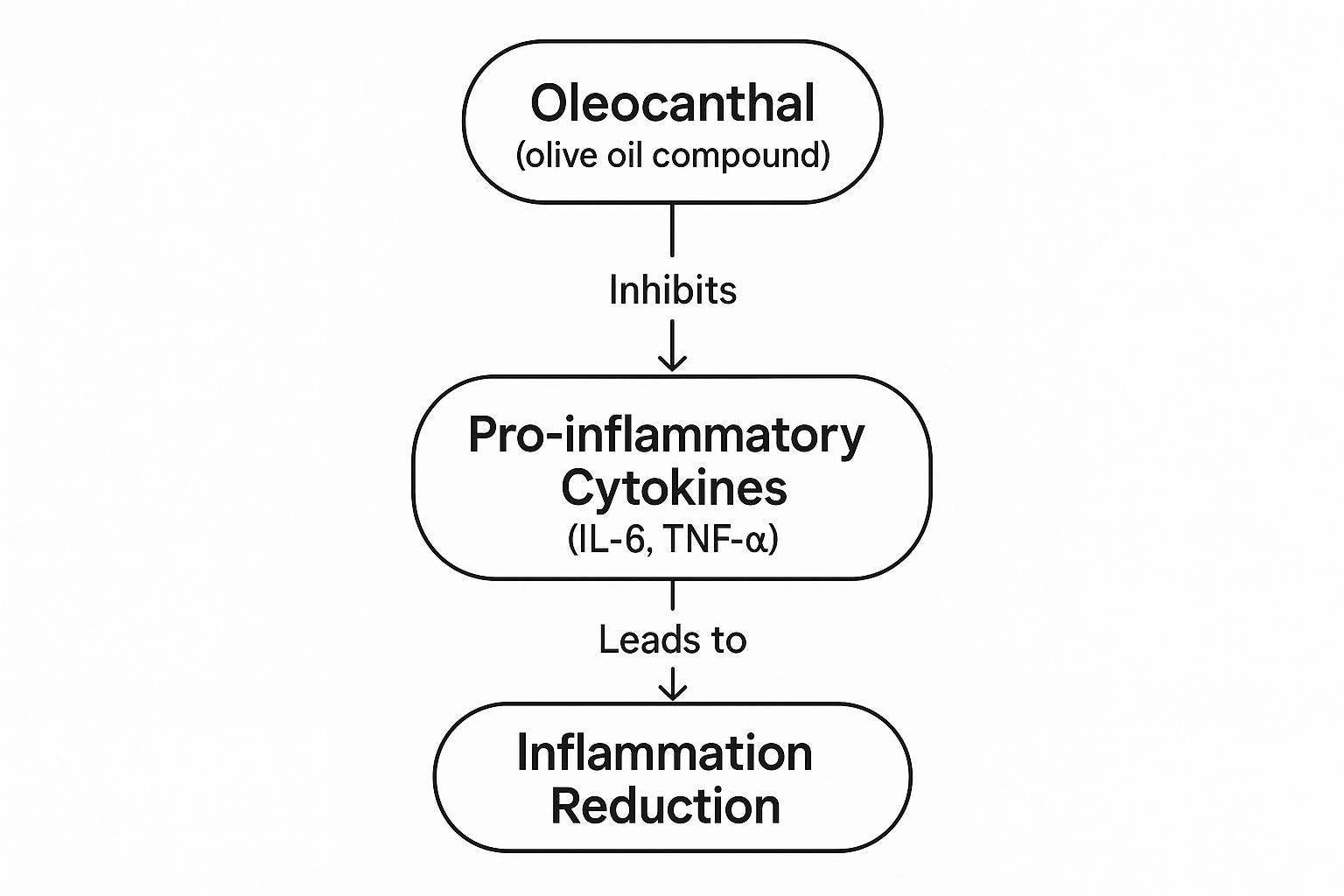
By intercepting these pro-inflammatory signals, this single compound helps dial down your body's overall inflammatory state.
A Deeper Look at Polyphenols and Gut Health
Beyond oleocanthal, other compounds like hydroxytyrosol and oleuropein act as powerful antioxidants. They hunt down and neutralize the free radicals that cause cellular stress and long-term damage. But their work doesn't stop there—it goes all the way down to the molecular and even microbial level.
The anti-inflammatory properties of olive oil are deeply connected to its rich content of polyphenols, which influence everything from fat cell size to the health of your gut microbiome.
For example, the EU has a specific health claim standard: for an EVOO to be labeled as having antioxidant benefits, it must contain at least 5 mg of hydroxytyrosol per 20 grams. This compound, along with others, helps regulate the key factors that trigger inflammation.
EVOO also gives your gut a healthy boost. It encourages the growth of good bacteria that produce butyrate, a short-chain fatty acid famous for its ability to reduce both inflammation and cholesterol. If you're curious, you can explore the detailed findings about these biochemical changes and their impact on modern diseases.
It’s this multi-faceted attack that makes EVOO such a valuable tool. It doesn't just target one part of the inflammatory puzzle; it offers a complete kit to help bring your body back into balance. Every spoonful of high-quality olive oil is packed with the scientific power to calm chronic inflammation.
Choosing an Olive Oil That Actually Works
Walking down the grocery store aisle can feel a bit dizzying. You're faced with a wall of olive oil, all in different bottles, with different labels, at wildly different prices. How can you possibly know which one will actually deliver on those anti-inflammatory promises?
The reality is, most of them won't. To get the real benefits of olive oil for inflammation, you have to be selective. It’s a lot like buying medicine—you need the right stuff with the active ingredients still intact. For olive oil, those active ingredients are its precious polyphenols, like oleocanthal, and they need to be protected from the olive grove all the way to your pantry.
Decoding the Label: What to Look For
First things first: the label must say "Extra Virgin". This is the absolute, non-negotiable starting point. It's a guarantee that the oil was made without high heat or chemical solvents, using only mechanical means. This is the only process that keeps its fragile, health-promoting compounds safe.
But don't stop there. Here are a few other clues that you're looking at a high-quality, polyphenol-rich oil:
- Cold-Pressed or Cold-Extracted: This is another great sign. It confirms the olives stayed cool (below about 81°F or 27°C) during processing. Heat is the natural enemy of polyphenols, so a cool process is crucial for locking in the oil's potency.
- Harvest Date: Look for a date! Freshness is everything. A top-tier producer will be proud to tell you when the olives were harvested and pressed. You want the most recent harvest you can find, ideally within the last year. A vague "best by" date isn't nearly as helpful.
- Dark Glass or Tin: Light and air are the two other enemies of polyphenols. A dark green or brown bottle, or even better, a sealed tin, acts like a bodyguard, protecting the oil from light damage. If you see an olive oil in a clear glass bottle, just keep walking—the light has likely already degraded the very compounds you’re trying to buy.
The Ultimate Quality Check: The Peppery Test
Okay, so you’ve picked a bottle and brought it home. Now for the moment of truth. There’s one simple, foolproof way to know if you have an oil that’s packed with the anti-inflammatory powerhouse oleocanthal.
Pour a little bit into a spoon and take a sip. Swirl it around in your mouth for a second and then swallow. Wait for it. You should feel a distinct, peppery kick or a slight stinging sensation at the back of your throat—it might even make you cough once. If you feel that, congratulations. You've struck gold.
That "stinging" sensation is the oleocanthal at work—a direct, physical confirmation of the oil's potent anti-inflammatory properties. It’s the signature of a truly therapeutic extra virgin olive oil.
Once you know what to look for, you can confidently navigate the olive oil aisle. You're no longer just buying a cooking fat; you're choosing a powerful, delicious tool to help manage inflammation and invest in your long-term health.
How Olive Oil Supports Healthy Aging
The benefits of using olive oil for inflammation go far beyond just soothing short-term aches. They strike at the very heart of the aging process, offering a powerful way to cultivate long-term vitality from the inside out.
As the years pass, our bodies can slip into a state of persistent, low-level inflammation. This phenomenon has a name: "inflammaging." It’s like a quiet, smoldering fire that never quite goes out. Over time, this constant state of alert wears down our cells, tissues, and organs, playing a major role in many age-related health issues.
This is where extra virgin olive oil (EVOO) comes in. Its unique blend of compounds, especially its polyphenols, helps turn down the dial on that chronic inflammatory hum. Think of it as a natural, internal peacemaker.
Protecting Your Cells from Age-Related Stress
A key driver of aging is something called cellular senescence. This is a natural stage where cells stop dividing. While normal, senescent cells can cause trouble by sending out inflammatory signals that fuel the "inflammaging" fire throughout the body.
The polyphenols in EVOO, such as hydroxytyrosol and oleuropein, act like cellular bodyguards. They help defend cells from the oxidative stress that can push them into senescence too early. By doing so, they help your body maintain a healthier and more balanced cellular neighborhood.
At its core, inflammaging is driven by cellular signals gone wrong. The compounds in extra virgin olive oil directly interrupt these signals, helping to inhibit the very enzymes and proteins that promote chronic inflammation and accelerate the aging process.
The science behind this is fascinating. Research shows that these potent polyphenols directly influence the genetic pathways controlling both inflammation and cellular aging. In lab studies, treating cells with hydroxytyrosol or oleuropein has been shown to reduce markers of senescence and block pro-inflammatory culprits like IL-6 and the COX-2 enzyme. You can read more about how these compounds support healthy aging and their impact at the molecular level.
This isn't just about managing symptoms. It’s about giving your body the fundamental tools it needs to age gracefully. Making high-quality EVOO a daily habit provides your cells with powerful allies to resist the chronic stress of inflammaging, helping you feel your best for years to come.
Making Anti-Inflammatory Olive Oil a Daily Habit
Knowing that olive oil helps with inflammation is great, but the real magic happens when you start using it every day. The good news is that incorporating extra virgin olive oil (EVOO) into your diet doesn't have to be complicated or feel like a chore. It's all about making it a simple, delicious, and natural part of your meals.
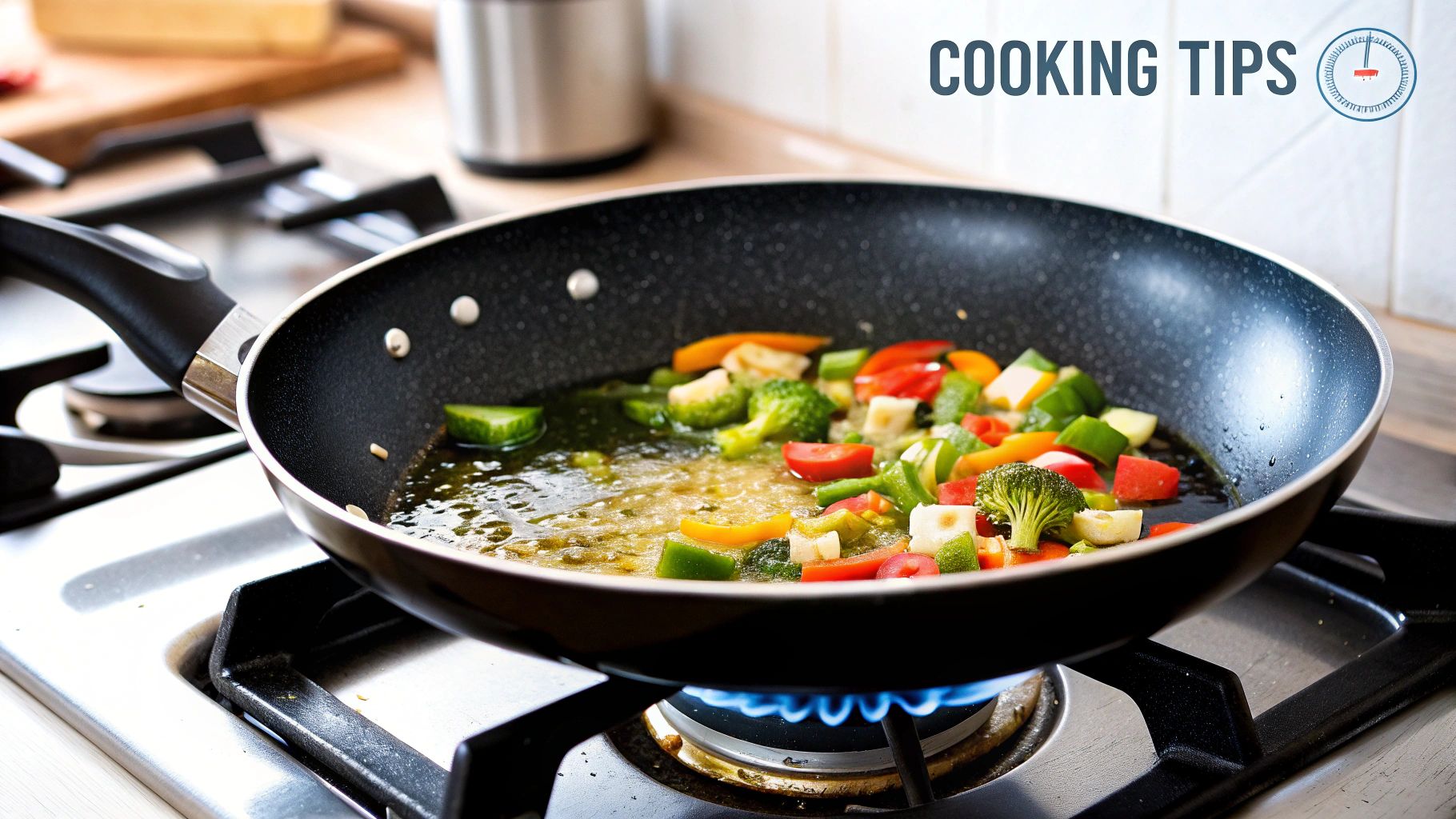
Let's clear up a common myth: many people believe you shouldn't cook with high-quality EVOO. While you probably shouldn't use your best bottle for deep frying, its smoke point is surprisingly robust, typically falling between 375-410°F (190-210°C). This makes it a fantastic choice for everyday cooking like sautéing and roasting. The trick is to use it in ways that protect its powerful compounds while making your food taste amazing.
So, how much do you actually need to get those anti-inflammatory benefits? Most studies suggest that a daily dose of about two to four tablespoons is the sweet spot. This is enough to deliver a meaningful amount of oleocanthal and other beneficial polyphenols.
Simple and Delicious Ways to Use EVOO
Getting your daily dose is easier than you might think. The key is to make it an effortless habit, not another rule to follow.
Here are a few simple ideas to get you started:
- Whip up a simple salad dressing: Forget the store-bought stuff. Just whisk some EVOO with fresh lemon juice, a dab of Dijon mustard, and your favorite herbs. It's healthier and tastes infinitely better.
- Use it as a finishing oil: This is where EVOO truly shines. A generous drizzle over roasted vegetables, hot soup, grilled fish, or even a simple bowl of pasta adds a final burst of rich flavor and locks in those raw polyphenols.
- Rethink your breakfast: Try a little over your avocado toast or even swirl it into a savory bowl of oatmeal. It’s a fantastic way to start your day with healthy fats.
Making EVOO your go-to finishing oil is one of the easiest and most effective ways to ensure you’re getting its raw, unheated, anti-inflammatory power every single day.
By finding these small moments to add a splash of EVOO, you turn a powerful health strategy into an enjoyable culinary ritual. It’s about making healthy choices feel delicious and second nature, one meal at a time.
Putting It All Into Practice: Common Questions Answered
So, you're ready to start using extra virgin olive oil to fight inflammation. That's fantastic. But as with any new habit, a few practical questions are bound to pop up. Let's walk through the most common ones so you can feel confident adding EVOO to your daily routine.
How Much Should I Actually Use Every Day?
For the best anti-inflammatory results, most research points to a sweet spot of about two to four tablespoons per day. This amount delivers a really effective dose of oleocanthal and other powerful compounds.
Don't get too hung up on measuring spoons, though. Just think in terms of generous drizzles. A good splash over your salad, another over roasted veggies, and maybe a bit for a light sauté will get you there. The key is consistency, not perfection.
Does Cooking Ruin All the Good Stuff?
This is a big one, and the answer isn't a simple yes or no. It's true that very high heat can break down some of those delicate polyphenols. However, a good quality EVOO has a respectable smoke point, typically between 375°F and 410°F (190-210°C). This makes it perfectly suitable for everyday cooking methods like sautéing and roasting.
For the biggest impact, think of using it in two ways:
- For cooking: It's a fantastic choice for your moderate-heat cooking needs.
- As a finishing oil: This is where the magic happens. Drizzling it raw over soups, pasta, or salads ensures you get 100% of its unheated, polyphenol-packed power.
Here's a simple way to think about it: Cooking with EVOO is always a healthier choice than using highly refined vegetable oils. But finishing your food with a drizzle of raw EVOO is how you get that maximum anti-inflammatory punch.
Is Pricier Olive Oil Actually Worth It?
In most cases, yes. A higher price tag often reflects the immense care taken during harvesting, milling, and bottling—all of which directly protect the oil's polyphenol content.
Cheaper oils are often the result of mass production, may be from older harvests, or have been stored improperly, which degrades their quality. That signature peppery kick you feel at the back of your throat? That's the oleocanthal talking, and you'll almost exclusively find it in fresh, premium oils.
Ready to dive into the world of high-quality, anti-inflammatory olive oils? At Learn Olive Oil, we have the expert guides, tasting notes, and recommendations you need to find the perfect bottle. You can elevate your health and your meals with our help at Learn Olive Oil.

 Learn Olive Oil
Leave a comment