Knowing how to cook with olive oil is really about understanding one simple thing: not all olive oils are created equal. You wouldn't use a delicate, grassy Extra Virgin Olive Oil to deep-fry chicken, just as you wouldn't use a neutral, light-tasting olive oil to dress a fresh Caprese salad. It’s all about picking the right tool for the job.
The key difference comes down to flavor and, just as importantly, heat tolerance—what we call the smoke point.
Pushing an oil past its smoke point is a recipe for disaster. It doesn't just create a billow of smoke; it breaks down the healthy fats and makes your food taste burnt and bitter. A beautiful, peppery EVOO will lose all its charm and turn acrid if you try to sear a steak with it. On the flip side, a refined, light-tasting oil won't bring any of that vibrant character you want in a vinaigrette.
Matching the Oil to the Method
It seems like more and more home cooks are catching on to this. We're seeing a huge surge in the global demand for olive oil, with the market expected to jump from $12.86 billion to a staggering $17.13 billion by 2029. This isn't just a fad; it's a shift towards using healthier, higher-quality ingredients in our own kitchens. For those interested in the numbers, you can find more data on these market trends and their drivers.
To help you make the right choice in the kitchen, here’s a quick visual guide.
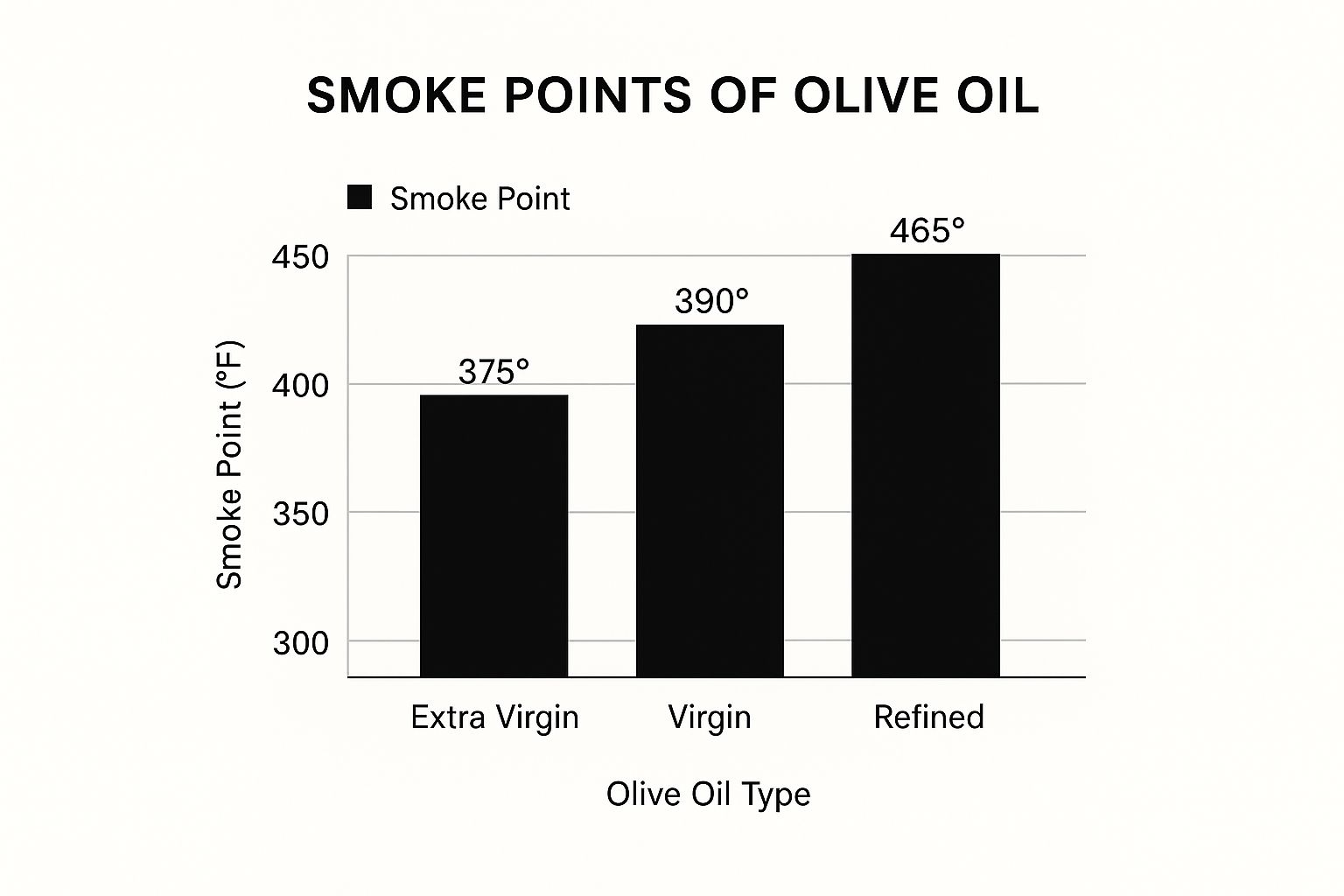
As you can see, refined or "light" olive oil is your workhorse for higher temperatures, while Extra Virgin is the star for finishing touches and gentle heat.
To make it even clearer, let's break down the most common types you'll find on the shelf. This table will help you quickly match the right oil to whatever you're cooking tonight.
Choosing the Right Olive Oil for Your Dish
| Olive Oil Type | Smoke Point (Approx.) | Flavor Profile | Best For |
|---|---|---|---|
| Extra Virgin (EVOO) | 350-410°F (177-210°C) | Robust, peppery, grassy, fruity | Salad dressings, finishing, dipping, low-heat sautéing |
| Virgin Olive Oil | 390°F (199°C) | Milder than EVOO, but still fruity | General low-heat cooking, marinades |
| Light Olive Oil | 468°F (242°C) | Neutral, very mild flavor | High-heat sautéing, roasting, baking, frying |
| Pure Olive Oil | 410°F (210°C) | Mild olive flavor | All-purpose cooking, grilling, roasting |
Think of this table as your cheat sheet. When in doubt, a quick glance will steer you in the right direction, ensuring your dish tastes exactly as you intended.
Expert Tip: I always tell people to think of olive oils like you think about your wine. You have your everyday table wine, and you have your special occasion bottle. Your "light" or pure olive oil is your everyday workhorse for cooking. Save that beautiful, expensive Extra Virgin Olive Oil for where it can truly shine—drizzled over a finished dish, whisked into a dressing, or used for dipping crusty bread. This simple shift will change your cooking game.
Getting to Know Your Olive Oil
Staring at the wall of olive oil in a grocery store can be overwhelming. You've got "Extra Virgin," "Virgin," "Pure," and even "Light"—it’s tempting to just grab a bottle and move on. But knowing what’s behind those labels is the key to making everything you cook taste better.
These aren't just fancy marketing terms. The differences come from how the oil is made, which has a huge impact on its flavor, health benefits, and how it behaves over heat. It all boils down to the journey from the olive on the tree to the oil in your bottle.
Extra Virgin Olive Oil: The Top Tier
Extra Virgin Olive Oil (EVOO) is the best you can get, hands down. It’s the purest stuff, made by simply crushing olives and extracting the juice without any heat or chemicals. This method, often called cold-pressing, is what keeps all the good stuff intact.
We're talking about polyphenols—powerful antioxidants that give EVOO its signature peppery kick, grassy notes, and incredible health benefits. Think of it as fresh-squeezed juice versus something made from concentrate. Because it's so pure and flavorful, it’s best used where its character can really stand out.
Imagine a simple Caprese salad with ripe tomatoes and fresh mozzarella. A drizzle of a fruity, robust EVOO doesn't just add moisture; it adds a whole new dimension of flavor that pulls everything together. The same goes for finishing a bowl of soup or just dipping a piece of crusty bread.
Virgin and Refined Olive Oils
A small step down from the top is Virgin Olive Oil. It's made the same way as EVOO (no chemicals or heat), but it’s a little less perfect, with slightly higher acidity and a much milder flavor. It's still a quality oil and works well for gentle cooking or in dressings where you don't want an overpowering olive taste.
Then you’ll see bottles labeled "Pure Olive Oil" or just "Olive Oil." Don't let the name fool you—these are almost always blends. They contain a lot of refined olive oil mixed with a splash of virgin or extra virgin for a hint of flavor. The refining process uses heat and filters, which strips out most of the flavor and aroma but gives the oil a much higher smoke point.
A quick heads-up: "Light" olive oil has nothing to do with calories or fat. It’s called “light” because of its pale color and neutral flavor. All olive oils have the same calories, about 120 per tablespoon.
This neutrality is precisely what makes it a kitchen workhorse.
When to Reach for Refined or "Light" Olive Oil
Because of their high smoke points, refined and "light" olive oils are what you want for everyday cooking over higher heat.
- Sautéing: When you're sweating onions and garlic for a sauce, a light olive oil does the job perfectly without interfering with the other flavors.
- Roasting: Tossing vegetables in refined olive oil before they go into a 400°F (205°C) oven is the secret to getting them beautifully browned and crispy without filling your kitchen with smoke.
- Baking: Its neutral profile makes it a fantastic swap for vegetable oil or butter in things like muffins or quick breads, adding moisture without a distinct olive flavor.
Here’s a real-world example: if you're pan-searing a delicate piece of cod, a bold EVOO would completely steamroll its subtle flavor. A light olive oil, on the other hand, will help you get a perfect, crispy skin while letting the fish be the star. Learning how to use olive oil in cooking is all about matching the oil's personality to your ingredients.
Don't Be Afraid of the Heat: Sautéing and Frying with Olive Oil
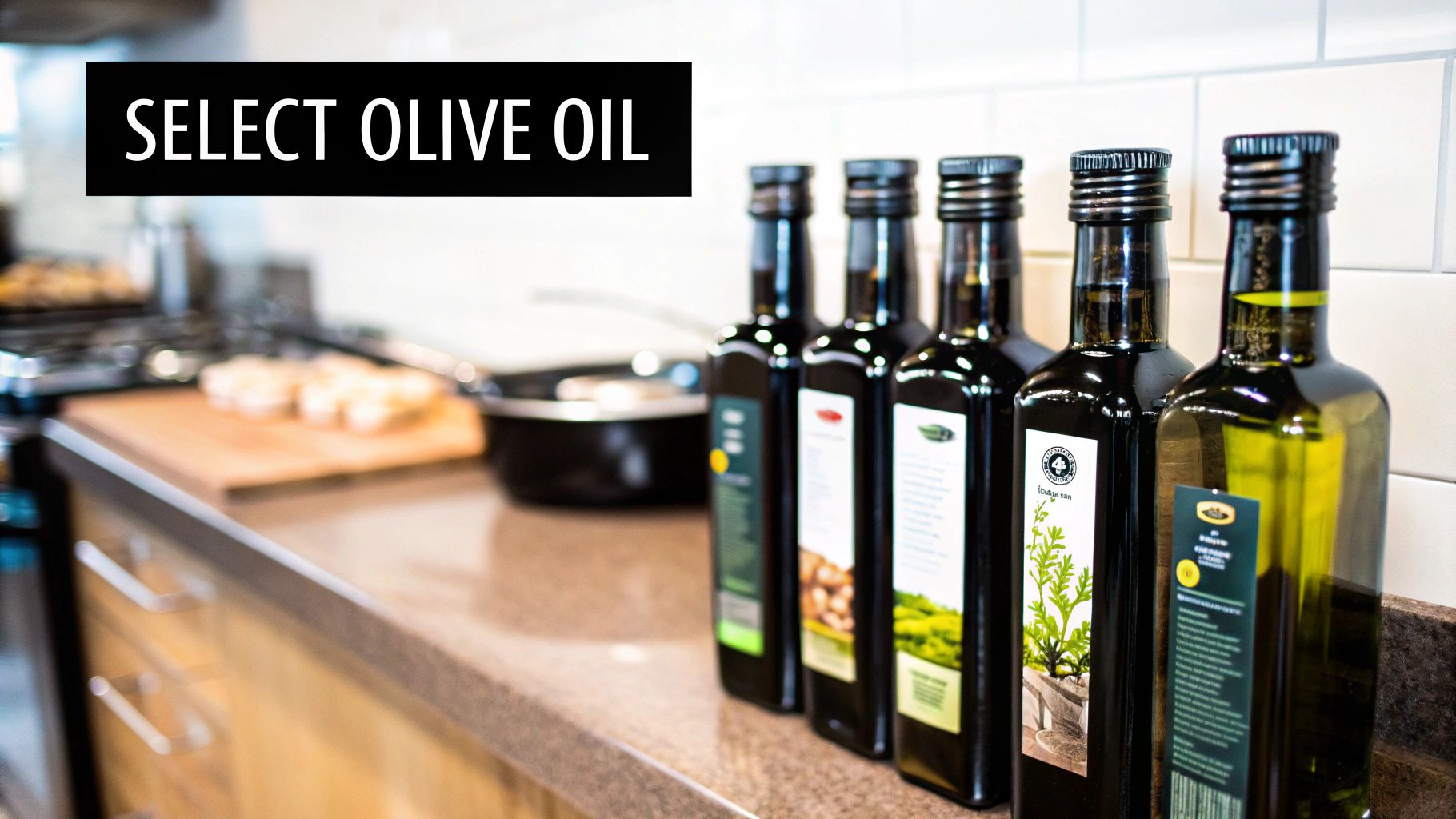
Let's clear the air on one of the biggest myths I hear in the kitchen: that you can't use olive oil for high-heat cooking. You absolutely can. This common misconception usually stems from not knowing that the type of olive oil you use is what really matters.
The secret is all about the smoke point—that temperature where an oil starts to break down and, well, smoke. For things like frying and sautéing, you need an oil that can take the heat. This is where a refined or "light" olive oil shines. With a smoke point hovering around 468°F (242°C), it's perfectly suited for pan-searing steaks, stir-frying veggies, or getting a beautiful crust on a piece of fish.
Trying to use that expensive, grassy Extra Virgin Olive Oil for high-heat cooking is just a waste of good oil. You’ll burn off all its beautiful, delicate flavors and health benefits, and you'll probably end up with a bitter-tasting dish and a smoky kitchen. For high heat, always grab the bottle with the more neutral flavor.
The Secret to a Perfect, Crispy Sear
If you want that gorgeous, golden-brown crust on your chicken cutlets or a beautiful char on your Brussels sprouts, the most important thing you can do is preheat your pan properly. I can't stress this enough—it's a non-negotiable step.
Here’s how I do it: add your light olive oil to a cold pan, then turn on the burner to medium-high. Let them heat up together. You’ll know the oil is ready when it starts to shimmer and moves around the pan as easily as water. This creates a fantastic, naturally non-stick surface that sears your food the second it hits the pan, locking in all the juices and preventing it from becoming a greasy mess.
Picture this: You're making shallow-fried chicken. If you drop it into a pan of cool oil, the breading will immediately act like a sponge, soaking up fat and turning soggy. But when you slide it into that preheated, shimmering oil? The surface sears instantly, creating that incredible crispy crust we all crave, while the chicken inside stays perfectly tender and juicy.
It's no wonder olive oil is becoming a global kitchen staple. Global consumption is on track to hit over 3 million tonnes, nearly double what it was in the early 1990s. And it's not just a Mediterranean thing anymore; in North America, consumption has reached 1.2 kilograms per person in Canada. If you're curious, you can dig into more data on these international consumption patterns and see just how popular this versatile oil has become.
How to Sauté Vegetables Without Making Them Mushy
The whole point of sautéing is to cook food fast, keeping it crisp and flavorful. Nobody wants soggy, steamed vegetables when they were aiming for crisp-tender.
Here are a few tips I always follow:
- Give them space. Overcrowding the pan is the number one enemy of a good sauté. It traps steam and boils your vegetables instead of searing them. If you have a lot to cook, work in batches.
- Keep things moving. Sautéing is an active sport! Keep tossing or stirring the vegetables so they cook evenly and get a nice, light char without burning in one spot.
- Cut everything the same size. This is key for even cooking. Chopping your veggies into uniform pieces ensures you don't end up with some bits that are perfectly cooked and others that are still raw.
By simply choosing the right kind of olive oil and getting your heat management down, you can confidently make it your go-to fat for everything from a quick weeknight sauté to a weekend fry-up.
Elevating Roasting and Baking With Olive Oil
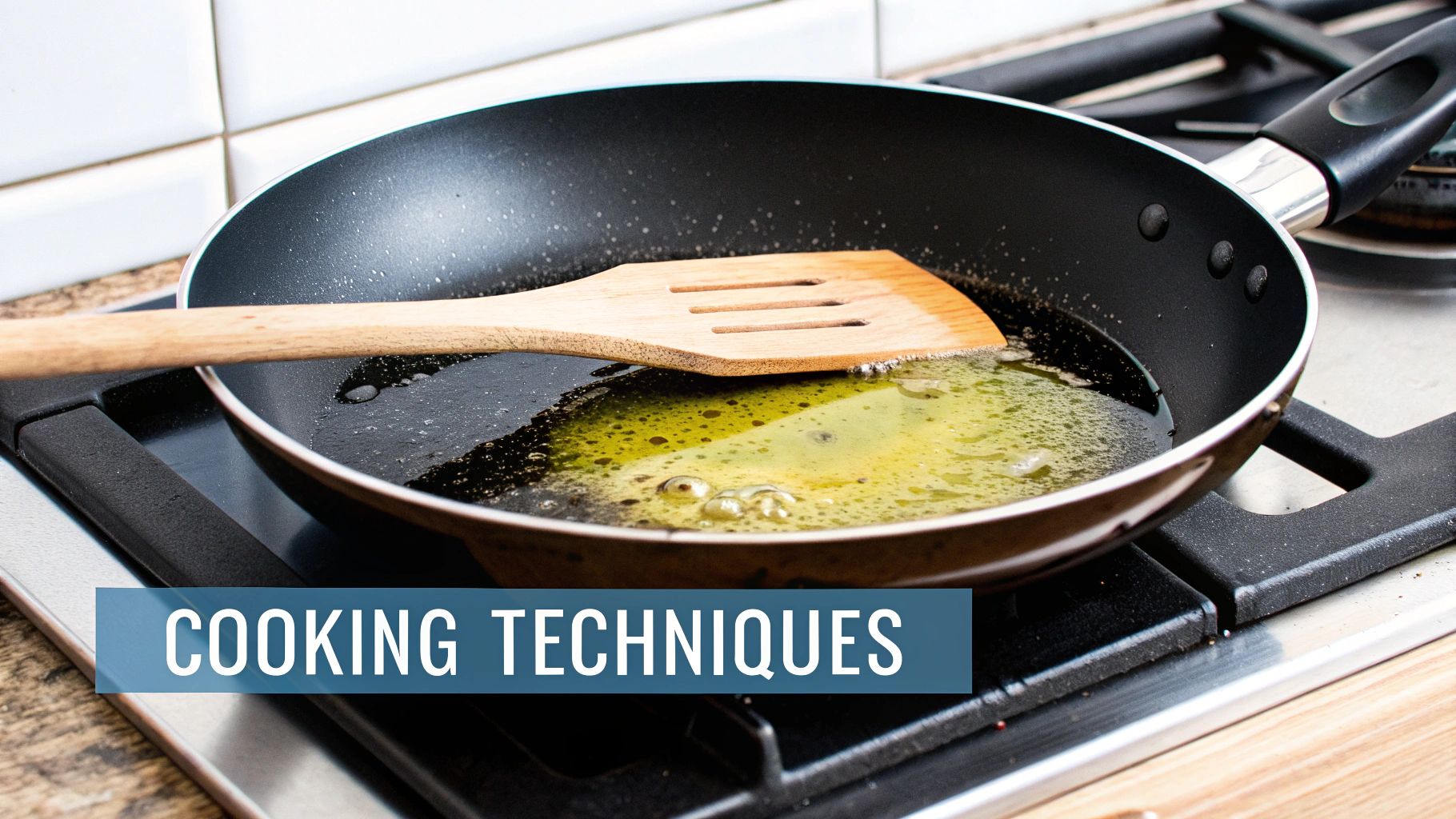
Olive oil’s incredible talents extend far beyond the stovetop, making it an essential player in your oven. For roasting, it's the secret to transforming humble vegetables into perfectly caramelized, flavor-packed bites. And when it comes to baking, swapping in olive oil is a simple move that yields surprisingly tender and complex results.
When you toss vegetables like broccoli, potatoes, or Brussels sprouts in a generous coat of olive oil, you’re doing more than just stopping them from sticking to the pan. The oil acts as a conductor for the oven’s high heat, helping create that deeply browned, crispy exterior while keeping the inside perfectly tender. It's the key to that irresistible texture contrast we all crave in roasted vegetables.
Think about roasting potatoes at 400°F (205°C). A good coating of olive oil is non-negotiable. It’s what helps the starches on the surface crisp up, creating a golden-brown crust that gives way to a fluffy, steamy interior. Without it, you'd just have dry, baked potatoes—not the glorious roasted ones you were hoping for.
Unlocking Flavor in the Oven
Beyond just creating amazing texture, the type of olive oil you choose can add its own subtle layer of flavor. While a basic, high-heat regular olive oil works just fine, a more robust everyday EVOO can lend a slightly fruity or peppery note that beautifully complements roasted vegetables and meats.
A classic example? Perfectly crispy chicken skin. Rubbing a whole chicken with a mix of olive oil, salt, pepper, and dried herbs before it goes into the oven does two crucial things:
- It helps crisp the skin to a beautiful golden brown.
- It infuses the meat underneath with a subtle, aromatic flavor.
This simple technique is a cornerstone of Mediterranean cooking, and it's a perfect example of how to use olive oil in cooking through simple yet impactful applications.
I’ve found that the real secret to the best roasted vegetables is to not be shy with the oil. You want every single piece lightly but thoroughly coated. I always toss them in a big bowl with the oil and seasonings first, rather than just drizzling it on the pan. This ensures every nook and cranny gets covered for maximum crispiness.
A Baker’s Secret Ingredient
In the world of baking, olive oil is a fantastic substitute for butter or other fats. It can introduce a delicate, fruity complexity and create an exceptionally moist crumb in cakes, muffins, and quick breads. A classic Tuscan olive oil cake, for example, absolutely relies on a quality extra virgin olive oil to achieve its signature tender texture and sophisticated flavor.
When swapping butter for olive oil in a recipe, a good rule of thumb is to use about 75% of the amount called for. Butter contains water and milk solids, so you actually need slightly less pure fat from the oil. If a recipe calls for 1 cup of butter, start with 3/4 cup of olive oil. This simple exchange not only adds incredible moisture but also introduces heart-healthy monounsaturated fats into your baked goods.
Perfecting Your No-Cook Dressings and Finishing Drizzles
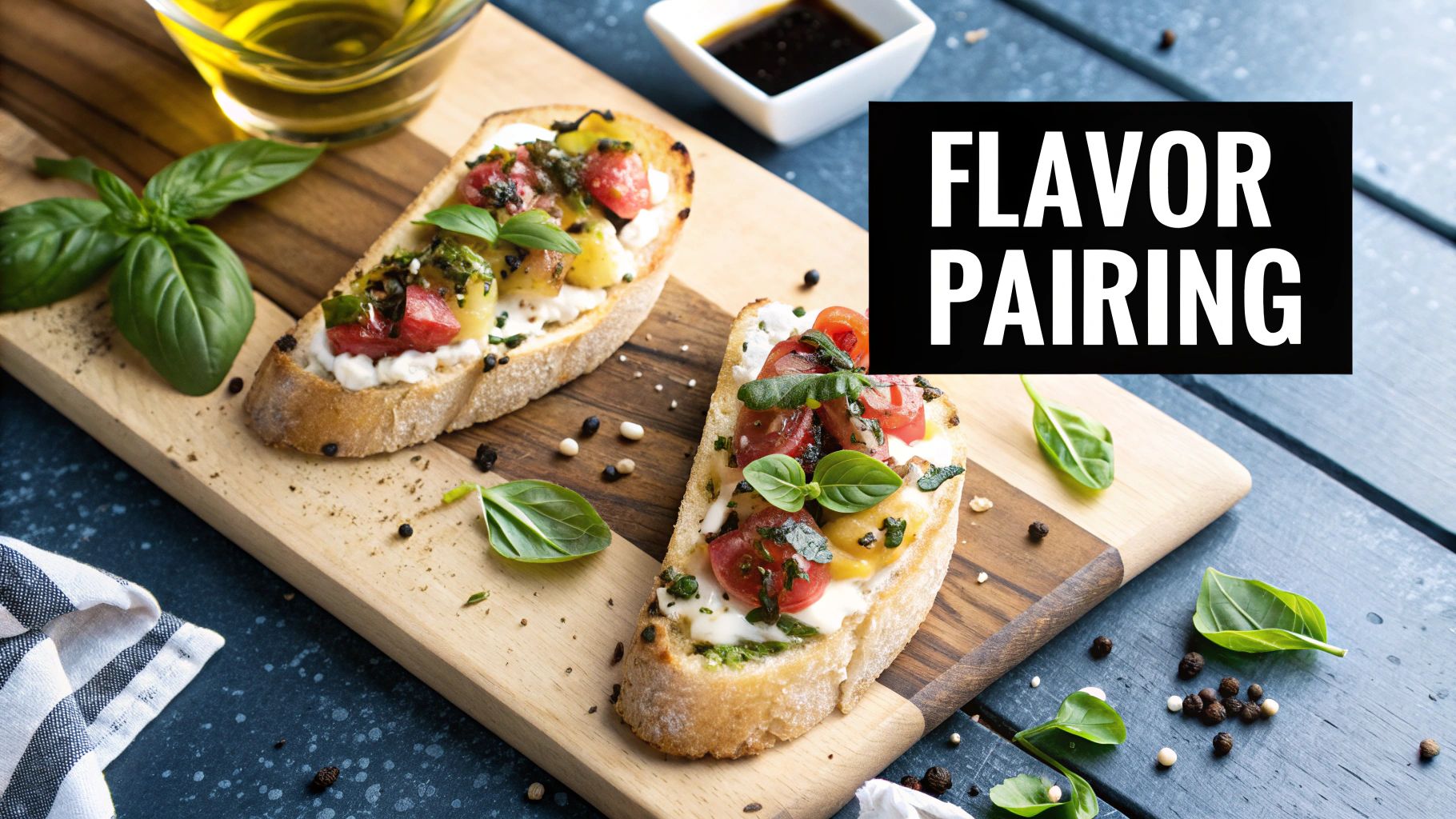
Sure, some oils are for withstanding high heat, but raw applications are where a truly fantastic Extra Virgin Olive Oil (EVOO) gets to shine. This is its moment in the spotlight.
Using EVOO as a finishing touch or in a simple dressing is my favorite trick for turning a good dish into a great one. It adds layers of flavor, aroma, and a certain richness that you just don't get when the oil is cooked down. It’s all about adding it right at the end, just before serving, to keep all those delicate, vibrant notes intact.
Imagine a generous swirl of green-gold oil over a steaming bowl of lentil soup or a freshly grilled steak. That final touch releases an incredible aroma and adds a silky, luxurious texture that completely transforms the experience.
Building a Flawless Vinaigrette
Forget the bottled stuff. A restaurant-quality vinaigrette is incredibly easy to make at home, and it all comes down to a classic ratio: three parts oil to one part acid. This is your starting point, a reliable foundation that you can tweak to your heart's content.
Here’s how I do it. I start by whisking the acid—maybe a good balsamic, red wine vinegar, or even fresh lemon juice—with a pinch of salt and a spoonful of Dijon mustard. The mustard is key; it’s an emulsifier that helps the oil and vinegar bind together instead of separating.
Then, while whisking like mad, I slowly, slowly drizzle in the EVOO. Don't rush this part! Adding the oil gradually is what creates that stable, creamy dressing you’re looking for. Dump it all in at once, and you’ll just have an oily, broken mess.
Expert Tip: This is where you can really have fun. Try adding finely minced shallots or garlic for a pungent kick. Fresh herbs like parsley, dill, or chives are always a winner. Mastering this one simple technique opens up a world of possibilities for your salads and marinades.
Matching the Oil to the Dish
Just like wine, not all EVOOs are created equal. They have distinct personalities, and the secret is pairing the right oil with the right food. Think of it as matching the intensity of the oil to the delicacy of your ingredients.
Here’s a quick guide:
- Fruity & Mild EVOO: These are your buttery, smooth, and gentle oils. They are absolutely perfect for drizzling over delicate salad greens, steamed fish, or mild cheeses like a beautiful fresh mozzarella. They enhance without overpowering.
- Peppery & Robust EVOO: When you have a bold, pungent oil with that characteristic spicy kick in the back of your throat, use it on dishes that can stand up to it. It’s fantastic on bruschetta, grilled meats, hearty bean soups, or bitter greens like arugula and radicchio.
This incredible diversity comes from all over the world. The EU’s olive oil production has bounced back to around 2.1 million tonnes, with Spain alone making up about 40% of global output. But don't forget the unique and amazing oils coming from Italy, Greece, and Portugal. You can dig deeper into the latest olive oil market figures on Certified Origins.
By learning how to use olive oil in cooking as a final, no-cook flourish, you’re not just adding an ingredient—you’re unlocking its true, unadulterated potential.
Answering Your Olive Oil Questions
Once you start using olive oil more often, a few questions always seem to come up. I've heard them all over the years. From worrying about how to keep it from going bad to figuring out what the labels really mean, let's clear up some of the common points of confusion.
Getting these details right isn't just about making your food taste better—it’s about making sure you get what you paid for.
How Should I Store Olive Oil to Keep It Fresh?
This is probably the most common mistake I see. The fastest way to ruin a beautiful bottle of olive oil is to store it incorrectly. Olive oil has three mortal enemies: heat, light, and air. If you expose it to any of these, you’ll quickly degrade the oil, killing its vibrant flavor and breaking down all those healthy compounds.
The fix is simple: always keep your olive oil in a cool, dark place. A kitchen cupboard or pantry is perfect. The absolute worst spot? Right next to your stove, where it gets blasted with heat and light. After each use, twist that cap on tight to keep oxygen from getting in.
My Two Cents: I always tell people to buy olive oil that comes in dark glass bottles or metal tins. They’re designed that way for a reason—to block light. Once you open a bottle, try to finish it within a few months to really enjoy it at its peak.
Can I Reuse Olive Oil After Frying?
Yes, you can, and you should! It’s a great way to cut down on waste, especially after some light frying. The trick is to do it the right way so you don't end up with off-flavors in your next dish.
First, let the used oil cool down completely. Next, you need to filter out all those little bits of food left floating around. I find that straining it through a fine-mesh sieve lined with a coffee filter or a couple of layers of cheesecloth does the job perfectly.
Pour the cleaned oil into a sealed, opaque container and stick it back in your cool, dark spot. Just remember, every time you heat oil, its smoke point drops a bit. I personally wouldn't reuse it more than once or twice, and I'd stick to frying similar foods. If the oil ever looks cloudy, smells funky, or foams up when you heat it, its journey is over. Time to toss it.
Is Cooking With Olive Oil Actually Healthy?
I get asked this all the time, and the answer is a big, confident yes. Cooking with olive oil is a fantastic choice for your health. Extra virgin olive oil, especially, is loaded with heart-friendly monounsaturated fats and antioxidants called polyphenols.
These are the compounds that give olive oil its anti-inflammatory punch and are a cornerstone of the famously healthy Mediterranean diet. It’s true that very high heat can reduce some of these delicate nutrients, but the temperatures for everyday cooking like sautéing and roasting are well within the safe zone.
The key is simply to match the oil to the task. Use a refined or "light" olive oil for higher-heat cooking, and save that gorgeous, grassy EVOO for dressings and finishing drizzles. That way, you get the best of both worlds: great flavor and maximum health benefits.
What Does "Cold-Pressed" Really Mean?
You’ll see "cold-pressed" splashed across a lot of EVOO labels, and for good reason—it’s a mark of quality. In simple terms, it means the oil was squeezed from the olives using only a machine press, with no heat or chemicals involved.
During this process, the temperature is strictly monitored to stay below 80.6°F (27°C). This gentle handling is crucial. Heat destroys the delicate flavors, aromas, and beneficial polyphenols that make EVOO so special. When you see "cold-pressed," you can be confident you're getting the purest, most flavorful, and nutrient-rich oil the olive has to offer.
At Learn Olive Oil, we're passionate about how these small details can completely change your cooking. Our mission is to guide you through the rich, fascinating world of high-quality olive oil, from the olive grove all the way to your kitchen table.
Ready to find a bottle you'll love? Explore our expert guides and top brand recommendations on learnoliveoil.com.
 Learn Olive Oil
Leave a comment