Unlocking Culinary Magic with Flavored Olive Oils
Discover the secret to transforming everyday meals into gourmet experiences with homemade flavored olive oils. This curated collection of 8 unique flavored olive oil recipes provides step-by-step instructions, serving suggestions, and flavor pairing ideas to inspire your culinary adventures. Learn how a simple drizzle of infused oil can elevate your dishes, adding depth and complexity with minimal effort. Whether drizzled over salads, used as a marinade, or incorporated into sauces, flavored olive oils unlock a world of culinary possibilities.
This listicle goes beyond basic infusions, exploring a diverse range of flavor profiles, from classic herb infusions to unexpected pairings like vanilla bean and olive oil. You'll learn how to create these flavorful oils at home, saving money and ensuring high-quality ingredients. Each recipe emphasizes specific techniques and highlights the nuances of different flavor combinations.
Explore these unique flavored olive oil recipes:
- Herb-Infused Olive Oil
- Garlic Confit Olive Oil
- Citrus-Infused Olive Oil
- Chili and Spice Olive Oil
- Truffle Olive Oil
- Smoked Olive Oil
- Vanilla Bean Olive Oil
- Sun-Dried Tomato Olive Oil
Ready to elevate your cooking with the rich tapestry of flavored olive oils? Let's begin!
1. Herb-Infused Olive Oil
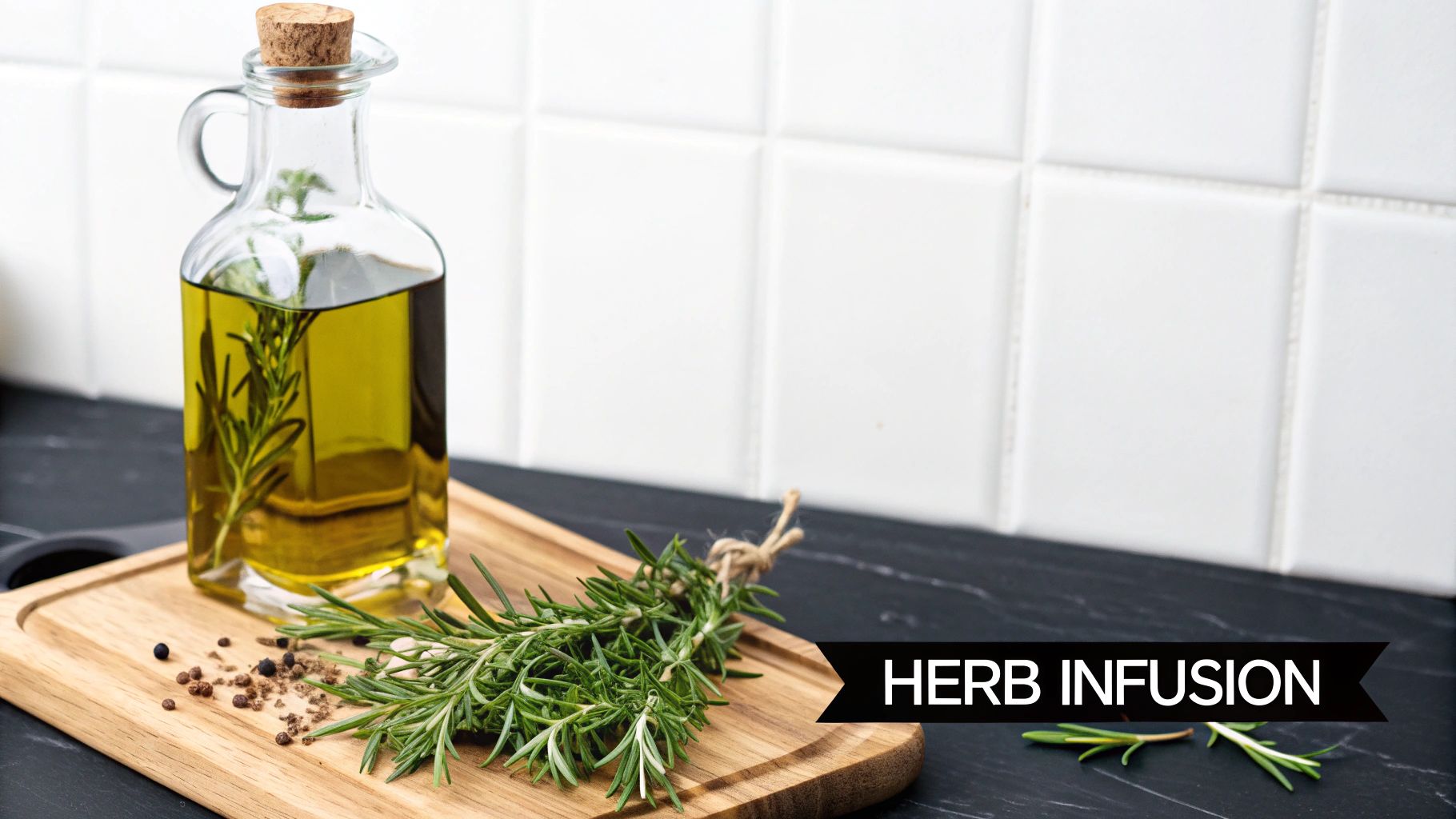
Herb-infused olive oil is a cornerstone of flavored olive oil recipes. It's created by steeping fresh or dried herbs in high-quality extra virgin olive oil. This process allows the herbs' essential oils and aromatic compounds to infuse the oil, transforming it into a versatile ingredient for both cooking and finishing dishes. The resulting oil carries the distinct flavor profile of the chosen herbs, elevating the taste of your culinary creations.
Infusion Methods and Flavor Profiles
There are two primary methods for infusing olive oil with herbs:
- Cold Infusion: This method involves simply steeping the herbs in the oil at room temperature for an extended period. Cold infusion preserves delicate flavors and is ideal for herbs like basil and parsley.
- Warm Infusion: Gently heating the oil accelerates the infusion process. This method is well-suited for robust herbs such as rosemary and thyme. It also helps to prevent spoilage, especially for fresh herbs with higher water content.
The choice of herbs significantly influences the final flavor profile. Rosemary offers a pungent, piney aroma, while thyme lends an earthy, slightly lemony note. Basil imparts a sweet, peppery flavor, and oregano contributes a bold, slightly bitter taste. Experimenting with different herb combinations allows for a wide range of unique flavored olive oil recipes.
Tips for Herb-Infused Olive Oil Success
Creating your own herb-infused olive oil is straightforward with these tips:
- Herb to Oil Ratio: Use a 1:4 ratio of herbs to oil for optimal flavor extraction.
- Warm Infusion Temperature: Heat the oil to 180°F (82°C) for the warm infusion method. Avoid higher temperatures to prevent burning the herbs and damaging the olive oil's delicate flavor.
- Infusion Time: Allow the herbs to infuse for 24-48 hours. Taste-test periodically and adjust the infusion time based on your preference.
- Straining and Storage: Strain the oil through a fine-mesh sieve or cheesecloth to remove the herbs. Store the infused olive oil in dark glass bottles away from direct sunlight to maintain its quality and prevent oxidation.
Examples and Applications
Many commercial brands offer excellent examples of herb-infused olive oils, showcasing the versatility of this method. Williams Sonoma provides a diverse collection featuring various herb combinations. DaVinci Gourmet's rosemary olive oil is a popular choice, while Trader Joe's Italian herb olive oil offers a convenient and affordable option.
Herb-infused olive oil is incredibly versatile. Use it as a finishing oil for soups, salads, and roasted vegetables. Drizzle it over grilled meats or fish for an extra layer of flavor. Incorporate it into marinades or use it as a base for sautéing vegetables. This flavored olive oil recipe elevates everyday dishes and adds a touch of gourmet flair to your cooking.
2. Garlic Confit Olive Oil
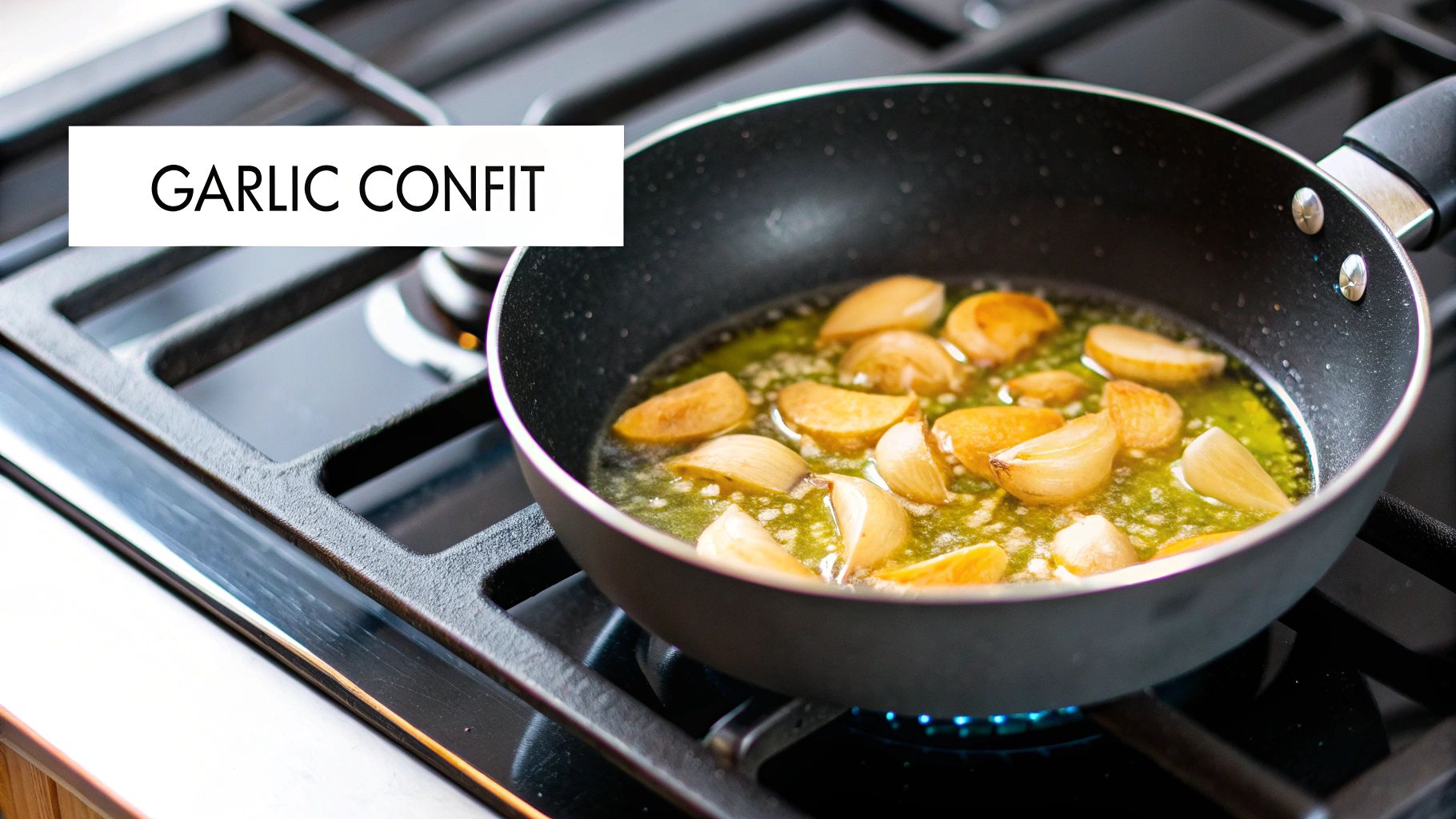
Garlic confit olive oil is a luxurious flavored olive oil recipe. It's made by gently simmering whole garlic cloves in olive oil at a low temperature, typically around 200°F (93°C). This slow cooking process transforms the garlic, rendering it soft, sweet, and spreadable while simultaneously infusing the olive oil with a rich, mellow garlic flavor. The result is a flavorful oil and a delicious confit that can be used in countless dishes.
Creating the Confit and Infusing the Oil
The magic of garlic confit olive oil lies in the gentle cooking process. Submerging the garlic cloves completely in olive oil and maintaining a low, consistent temperature prevents them from browning or burning. Instead, they slowly soften and release their flavor into the surrounding oil. This creates a wonderfully aromatic and flavorful infused oil.
Tips for Garlic Confit Olive Oil Success
Mastering garlic confit olive oil involves a few key steps:
- Temperature Control: Use a candy thermometer or instant-read thermometer to ensure the oil stays within the optimal temperature range of 200-225°F (93-107°C). This prevents the garlic from becoming too crispy or bitter.
- Garlic Selection: Opt for firm, fresh garlic bulbs without green shoots for the best flavor and texture.
- Cooking Time: Simmer the garlic for 45-60 minutes, or until the cloves are golden brown and easily pierced with a fork.
- Storage: Once cooled, store the garlic confit submerged in the infused olive oil in an airtight container in the refrigerator. Use within 2 weeks for optimal flavor and quality.
Examples and Applications
Garlic confit olive oil is a staple in French bistro cuisine. It’s also readily available in prepared form at specialty stores like Whole Foods Market. Many high-end restaurants utilize this ingredient to elevate dishes. Chefs like Thomas Keller and Jacques Pépin have championed its use, demonstrating its versatility.
The uses for garlic confit olive oil are truly endless. Use the infused oil as a base for salad dressings, marinades, or sauces. Drizzle it over roasted vegetables, grilled meats, or pasta dishes. Spread the softened garlic cloves on crusty bread, incorporate them into mashed potatoes, or add them to dips and spreads. This flavored olive oil recipe offers a delightful way to enhance your cooking and add a touch of sophistication to any meal.
3. Citrus-Infused Olive Oil
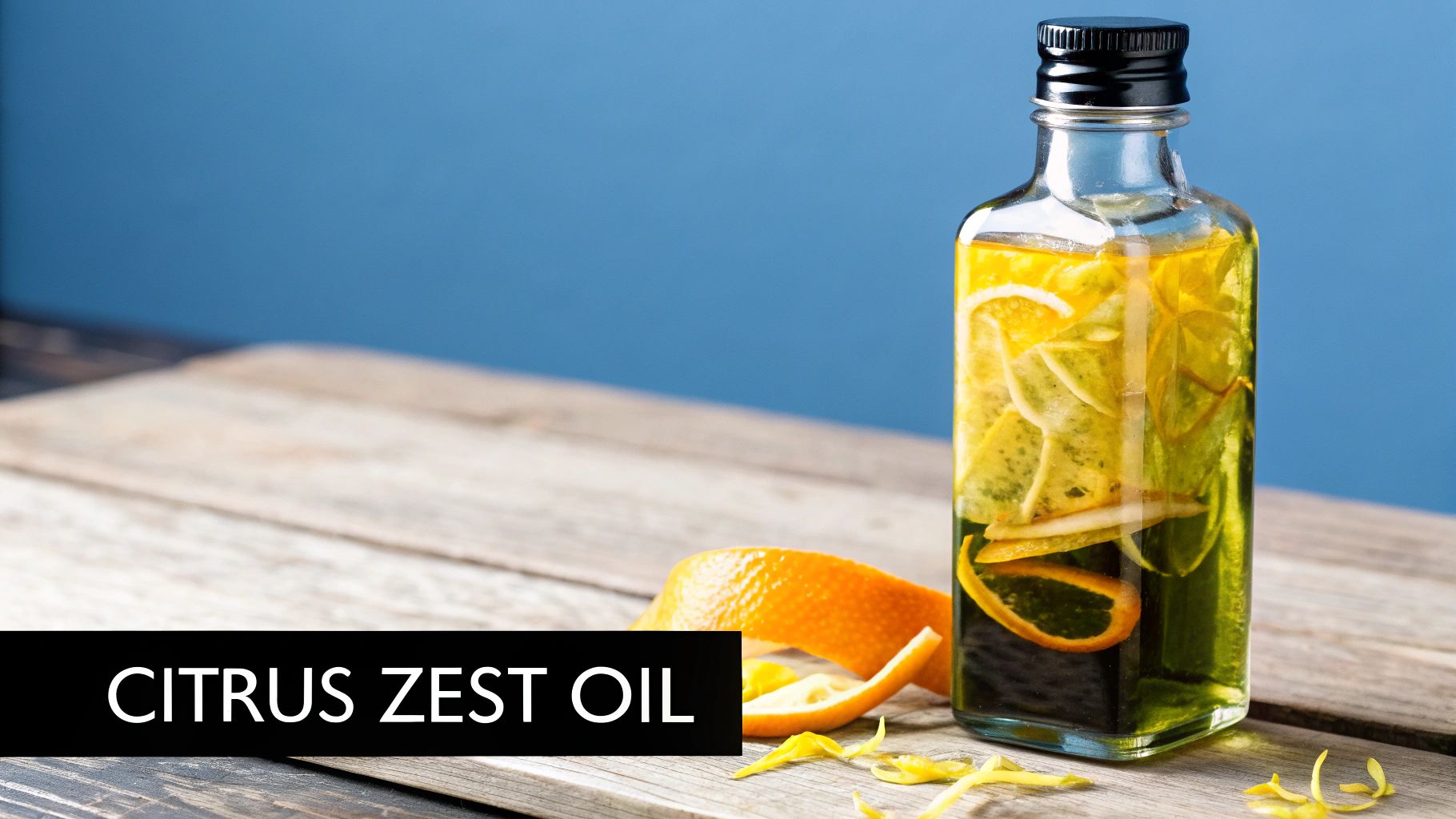
Citrus-infused olive oil is a bright, aromatic addition to flavored olive oil recipes. It's made by steeping the zest of citrus fruits like lemons, oranges, limes, or grapefruits in high-quality extra virgin olive oil. This process extracts the fragrant oils from the zest, imbuing the olive oil with a fresh, vibrant flavor that enhances both sweet and savory dishes without adding acidity. The resulting oil offers a zesty twist to your culinary creations.
Infusion Methods and Flavor Profiles
The primary method for infusing olive oil with citrus zest is a gentle warm infusion. Lightly heating the oil helps to release the essential oils from the zest more effectively. Different citrus fruits offer unique flavor profiles. Lemon zest provides a classic, bright citrus note, while orange zest adds a touch of sweetness. Lime zest delivers a tangy, vibrant flavor, and grapefruit zest contributes a slightly bitter, complex aroma.
Tips for Citrus-Infused Olive Oil Success
Follow these tips to create your own delicious citrus-infused olive oil:
- Zesting Technique: Use a microplane grater to obtain fine zest, avoiding the white pith, which can impart bitterness.
- Warm Infusion Temperature: Gently warm the olive oil to around 100-120°F (38-49°C). Avoid higher temperatures, which can damage the delicate flavor of the olive oil.
- Infusion Time: Infuse the zest for 3-5 days, tasting periodically to achieve your desired flavor intensity. Over-infusion can lead to a bitter taste.
- Straining and Storage: Strain the oil through a fine-mesh sieve or cheesecloth to remove the zest. Store the infused olive oil in a dark glass bottle away from direct sunlight to maintain its quality.
Examples and Applications
Several commercial brands offer excellent citrus-infused olive oils. California Olive Ranch's Meyer lemon olive oil is a popular choice, showcasing the bright, floral notes of Meyer lemons. Cobram Estate's lime olive oil offers a vibrant, tangy option. Many artisanal producers in Mediterranean regions also craft exceptional citrus-infused oils, reflecting the local citrus varieties.
Citrus-infused olive oil is incredibly versatile in flavored olive oil recipes. Use it to drizzle over roasted vegetables, grilled fish, or salads. It adds a bright, zesty element to marinades for chicken or seafood. Incorporate it into dressings for fruit salads or drizzle it over cakes and desserts for a unique citrusy finish. This flavored olive oil recipe adds a touch of sunshine to any dish.
4. Chili and Spice Olive Oil
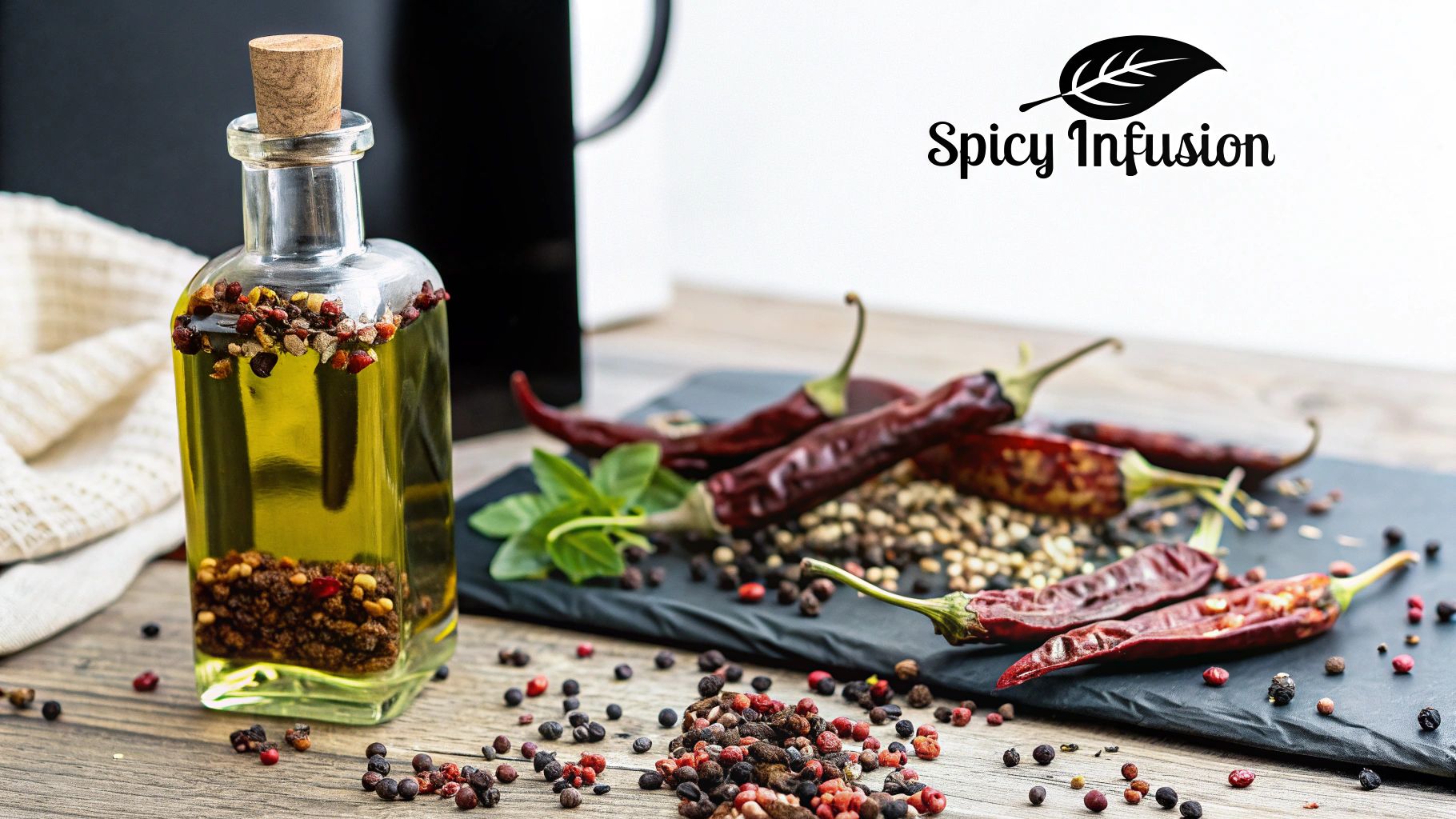
Chili and spice olive oil adds a fiery kick to flavored olive oil recipes. This vibrant oil is created by infusing high-quality extra virgin olive oil with a combination of chili peppers and spices. The infusion process imbues the oil with the complex heat of chilies and the aromatic depth of spices, resulting in a flavorful condiment and cooking ingredient. This versatile oil can be used to add a touch of heat or a bold punch of flavor to a wide range of dishes.
Infusion Methods and Flavor Profiles
The heat level of chili and spice olive oil is easily customizable. Choose milder peppers like ancho or poblano for a gentle warmth. Opt for fiery options such as habanero or Scotch bonnet for a more intense heat. The addition of spices further enhances the complexity of the oil. Common choices include red pepper flakes, black peppercorns, cumin, coriander, and smoked paprika.
Tips for Chili and Spice Olive Oil Success
Creating your own chili and spice olive oil requires careful attention to detail:
- Start Small: Begin with a smaller quantity of chilies and spices, gradually increasing the amount to achieve your desired heat and flavor intensity. It's easier to add more heat than to take it away.
- Handle with Care: Wear gloves when handling hot peppers to protect your skin from the capsaicin, the compound responsible for their heat.
- Toasting Spices: Briefly toast whole spices in a dry pan before infusing them in the oil. This enhances their flavor and aroma.
- Monitor Heat: Regularly taste-test the oil during the infusion process to monitor the heat level. Adjust the infusion time according to your preference.
Examples and Applications
Numerous commercially available chili-infused olive oils showcase the versatility of this method. Colavita offers a classic spicy olive oil. Calabrian chili oil from Italy provides a regional twist. For a unique flavor profile, explore Sichuan peppercorn oil variations. Harissa-spiced olive oils from North Africa offer a rich, smoky heat.
Chili and spice olive oil enhances a multitude of dishes. Drizzle it over pasta, pizza, or eggs for a spicy kick. Use it as a marinade for chicken, fish, or tofu. Incorporate it into dips, sauces, and dressings to add depth and complexity. This flavored olive oil recipe is a fantastic way to add excitement and flavor to your culinary creations.
5. Truffle Olive Oil
Truffle olive oil is a luxurious addition to flavored olive oil recipes. It infuses the rich, earthy aroma and taste of truffles into high-quality olive oil. This gourmet ingredient elevates dishes with the distinctive musky flavor of truffles, offering an affordable alternative to using fresh truffles. Truffle olive oil allows home cooks to experience this delicacy in everyday meals.
Infusion Methods and Flavor Profiles
Truffle olive oil is typically created using one of two methods:
- Real Truffle Infusion: This method involves steeping actual truffle pieces, usually black or white truffles, in olive oil. This direct infusion imparts the most authentic truffle flavor and aroma.
- Truffle Flavoring Compounds: Some truffle oils utilize natural or synthetic truffle flavoring compounds. These oils offer a more accessible price point while still delivering a noticeable truffle essence.
The quality and type of truffle used significantly impact the final flavor profile. White truffle oil tends to be more delicate and aromatic, while black truffle oil offers a more robust, earthy flavor. The intensity of the truffle flavor can also vary depending on the brand and production methods.
Tips for Truffle Olive Oil Success
Maximize the flavor and aroma of truffle olive oil with these tips:
- Use Sparingly: Truffle oil is potent. A few drops are sufficient to enhance a dish. Overuse can easily overwhelm other flavors.
- Add After Cooking: Heat can diminish the delicate truffle aroma. Drizzle truffle oil over finished dishes to preserve its full flavor potential.
- Pairing with Simple Ingredients: Truffle oil shines when paired with simple ingredients that allow its flavor to take center stage. Pasta dishes, eggs, risotto, and roasted vegetables are excellent choices.
- Authenticity Check: For the most authentic experience, look for truffle oils containing visible pieces of real truffles.
Examples and Applications
Several brands offer high-quality truffle oils, catering to varying budgets and preferences. Urbani Truffle Oil, a premium Italian brand, is known for its authentic truffle flavor. TruffleHunter's range of truffle oils offers various truffle types and intensities. La Tourangelle Truffle Oil provides a more accessible option, while many high-end restaurants craft their own house-made versions.
Truffle olive oil adds a touch of luxury to various flavored olive oil recipes. Use it as a finishing oil for pasta dishes, scrambled eggs, or mashed potatoes. Drizzle it over pizzas or roasted vegetables. Incorporate it into sauces or dressings for an extra layer of depth. Truffle oil transforms simple dishes into gourmet creations, making it a valuable addition to any culinary repertoire. This flavored olive oil option adds elegance and sophistication to home cooking.
6. Smoked Olive Oil
Smoked olive oil is an innovative approach to flavored olive oil recipes, adding a depth of smoky flavor without requiring a grill or smoker. This unique oil is created by exposing high-quality extra virgin olive oil to natural wood smoke or by infusing it with smoked ingredients like paprika or chipotle peppers. The process imbues the oil with a complex, smoky character, reminiscent of barbecue, enhancing the flavor profile of various dishes.
(Image placeholder – replace with actual image if available)
Infusion Methods and Flavor Profiles
Two primary methods achieve the smoky essence in olive oil:
- Direct Smoke Infusion: This method involves exposing the olive oil to smoke from burning wood, such as hickory, applewood, or mesquite. The oil absorbs the smoke's aromatic compounds, resulting in a robust smoky flavor.
- Indirect Smoke Infusion: This involves infusing the olive oil with smoked ingredients. Dried smoked paprika, chipotle peppers, or even smoked salts can impart a smoky nuance to the oil. This method offers more control over the intensity of the smoky flavor.
The choice of wood or smoked ingredient significantly impacts the final flavor profile. Hickory provides a strong, bacon-like smokiness, while applewood offers a sweeter, milder smoke. Mesquite imparts a bold, earthy smoke flavor. Experimenting with different woods or smoked ingredients allows for a diverse range of smoked olive oil recipes.
Tips for Smoked Olive Oil Success
Creating or selecting a quality smoked olive oil can be enhanced with these tips:
- Start Small: Begin with a light application and gradually increase the amount to achieve the desired smoky intensity. Smoked olive oil can be potent, so a little goes a long way.
- Wood Selection: Explore various wood types for different smoky notes. Hickory, applewood, and mesquite are popular choices, each offering a distinct flavor profile.
- Storage: Store smoked olive oil in dark-colored bottles away from direct sunlight and heat to preserve the delicate smoke compounds and prevent oxidation.
Examples and Applications
Several artisanal producers and specialty stores offer excellent smoked olive oils. The Olive Tap and Sonoma County Olive Oil are known for their smoked varieties. Many barbecue restaurants also create their own house-made versions, adding a signature touch to their dishes. Farmers' markets often feature artisanal producers offering unique smoked olive oil creations.
Smoked olive oil is exceptionally versatile in flavored olive oil recipes. It excels as a finishing oil for grilled vegetables, adding another layer of smoky complexity. Drizzle it over roasted meats, fish, or even popcorn for a unique flavor twist. Incorporate it into marinades for a smoky depth or use it to create smoky dips and sauces. This flavored olive oil adds a gourmet touch to any dish, bringing the essence of barbecue without the need for grilling.
7. Vanilla Bean Olive Oil
Vanilla bean olive oil is an elegant, sweet-savory ingredient created by infusing whole vanilla beans or vanilla extract into high-quality extra virgin olive oil. This unique combination bridges the gap between sweet and savory applications. The resulting oil offers warm vanilla notes balanced by the richness of olive oil, adding a touch of sophistication to both simple and complex dishes. This flavored olive oil recipe is perfect for those looking to experiment with unique flavor combinations.
Infusion Methods and Flavor Profiles
The primary method for creating vanilla bean olive oil involves infusing whole vanilla beans, split lengthwise to expose the seeds, into the olive oil. Alternatively, high-quality vanilla extract can be used for a quicker infusion. The resulting oil carries the distinct, warm, and aromatic flavor of vanilla, complementing the subtle fruitiness of the olive oil.
Madagascar vanilla beans are the preferred choice for a classic vanilla flavor profile. However, experimenting with different vanilla varieties, such as Tahitian or Mexican vanilla, can yield exciting nuances in the final product. The intensity of the vanilla flavor can be controlled by adjusting the infusion time and the amount of vanilla used.
Tips for Vanilla Bean Olive Oil Success
Creating your own vanilla-infused olive oil is relatively simple with these tips:
- Bean Preparation: Split vanilla beans lengthwise to expose the seeds for maximum flavor extraction. You can also scrape the seeds and add them directly to the oil.
- Infusion Time: Infuse the vanilla beans in the olive oil for 2-4 weeks for optimal flavor development. Using vanilla extract significantly reduces the infusion time.
- Storage: Store the infused olive oil in dark glass bottles away from direct sunlight and heat to preserve its quality and prevent oxidation. For visual appeal, you can leave the vanilla beans in the bottle.
Examples and Applications
Vanilla bean olive oil has gained popularity in gourmet food circles, appearing in high-end pastry shops and specialty olive oil producers' premium lines. Some fine dining restaurants also create their own house-made versions, showcasing its versatility.
This flavored olive oil recipe offers a wide range of applications. Drizzle it over fresh fruit salads, particularly those with berries or stone fruit. Use it to finish savory dishes like roasted vegetables, grilled fish, or pan-seared scallops. Incorporate it into baking recipes, adding a subtle vanilla note to cakes, cookies, and quick bread. Vanilla bean olive oil can even be used in cocktails, adding a unique twist to classic drinks.
8. Sun-Dried Tomato Olive Oil
Sun-dried tomato olive oil is a Mediterranean-inspired flavored olive oil recipe that captures the essence of sun-ripened tomatoes. This infusion creates a rich, concentrated tomato flavor with a deep umami undertone. Dehydrating tomatoes intensifies their natural sweetness and concentrates their savory notes. When steeped in high-quality extra virgin olive oil, these concentrated flavors and natural oils infuse the oil, transforming it into a vibrant and intensely flavorful ingredient. This sun-dried tomato-infused olive oil is especially well-suited for Italian-inspired dishes and adds a burst of Mediterranean sunshine to any recipe.
(Image Placeholder – Include an actual image here)
Infusion Methods and Flavor Enhancements
The primary method for creating sun-dried tomato olive oil involves gently heating the oil with the sun-dried tomatoes. This warm infusion method helps to extract the maximum flavor from the tomatoes and ensures a longer shelf life. You can further enhance the Mediterranean character of this flavored olive oil recipe by adding complementary ingredients during the infusion process.
- Warm Infusion: Gently heat the olive oil with chopped sun-dried tomatoes. Low heat is essential to prevent burning and preserve the delicate flavors of both the tomatoes and the olive oil.
- Flavor Boosters: Adding fresh herbs like basil during the infusion process elevates the Mediterranean profile. Including a small amount of the packing oil from jarred sun-dried tomatoes can also add depth of flavor.
Tips for Sun-Dried Tomato Olive Oil Success
These tips will help you create a flavorful and vibrant sun-dried tomato olive oil:
- Chop the Tomatoes: Chopping sun-dried tomatoes into smaller pieces increases their surface area, facilitating better flavor release into the oil.
- Utilize Packing Oil: If using jarred sun-dried tomatoes, incorporating a portion of the packing oil can add complexity and richness to the final product.
- Fresh Herb Infusion: Adding fresh basil during the infusion process enhances the Mediterranean flavors and creates a more complex flavor profile.
- Storage and Shelf Life: Store the finished sun-dried tomato olive oil in a dark glass bottle away from direct sunlight. Use it within 3-4 weeks for optimal flavor and quality.
Examples and Applications
Commercially available sun-dried tomato olive oils, like Colavita's offering, demonstrate the popularity of this flavor profile. Specialty Italian food importers often carry high-quality options. You can also easily create your own version using sun-dried tomatoes from readily available sources like Trader Joe's. Many Mediterranean restaurants also feature house-made versions, showcasing the versatility of this ingredient.
Sun-dried tomato olive oil shines in Italian-inspired dishes. Drizzle it over pasta, bruschetta, or grilled vegetables. Use it as a finishing oil for soups and stews. Incorporate it into marinades for chicken or fish. This flavorful olive oil adds depth and complexity to any recipe, showcasing the rich, concentrated flavor of sun-dried tomatoes.
Flavor Profile Comparison of 8 Olive Oil Varieties
| Flavored Olive Oil | Implementation Complexity 🔄 | Resource Requirements | Expected Outcomes 📊 | Ideal Use Cases | Key Advantages ⭐💡 |
|---|---|---|---|---|---|
| Herb-Infused Olive Oil | Low – Cold or warm infusion | Fresh/dried herbs, olive oil | Versatile flavor, deepens over time | Drizzling, bread dipping, roasting | Versatile, long shelf life, cost-effective 💡 |
| Garlic Confit Olive Oil | Medium – Slow low-temp cooking | Whole garlic, oil, stove | Sweet, mellow garlic flavor + spreadable cloves | Entertaining, gourmet dishes | Dual ingredient yield, rich flavor ⭐ |
| Citrus-Infused Olive Oil | Low – Cold infusion with zest | Citrus zest, olive oil | Bright, fresh citrus notes | Seafood, salads, desserts, grilled veggies | Bright, aromatic, fresh pairing ⚡ |
| Chili and Spice Olive Oil | Medium – Infusion control | Various chilies/spices | Customizable heat, complex spicy flavor | Spicy dishes, international cuisine | Adjustable heat, long shelf life ⭐ |
| Truffle Olive Oil | Low to Medium – Infusion | Truffle or flavorings | Distinct earthy truffle aroma | Special occasions, pasta, eggs | Premium flavor, elevates dishes ⭐ |
| Smoked Olive Oil | Medium – Smoking process | Wood smoke, olive oil | Deep smoky flavor | BBQ finishing, marinades, vegetarian | Year-round smoky flavor, complex taste ⚡ |
| Vanilla Bean Olive Oil | Medium – Long infusion | Vanilla beans/extract, oil | Sweet-savory complex notes | Desserts, roasted veggies, fruit salads | Unique flavor, versatile, elegant ⭐ |
| Sun-Dried Tomato Olive Oil | Low to Medium – Infusion | Sun-dried tomatoes, oil | Rich umami tomato flavor | Italian dishes, pasta, bruschetta | Intense flavor, umami boost, visual appeal ⚡ |
Infusing Your Kitchen with Creativity
This collection of flavored olive oil recipes has explored eight unique infusions, each offering a distinct flavor profile and culinary application. From the classic aromatic notes of herb-infused olive oil to the surprising sweetness of vanilla bean olive oil, we've delved into the art of transforming ordinary olive oil into a star ingredient. Remember, the key to success lies in using high-quality olive oil as your base and allowing the flavors to meld harmoniously.
Mastering the Art of Flavor
The beauty of these flavored olive oil recipes lies in their versatility. A simple drizzle of chili-infused olive oil can elevate a basic pasta dish, while a touch of citrus-infused oil can brighten up roasted vegetables. By understanding the nuances of each flavor profile, you can create dishes that are both complex and balanced. Experimenting with different combinations and proportions is encouraged!
Elevating Everyday Dishes
These recipes offer a pathway to enhancing everyday meals without resorting to complicated techniques or expensive ingredients. Infusing olive oil with fresh herbs, spices, or other flavorful components allows you to add depth and complexity to your cooking with minimal effort. Whether you're a seasoned chef or a home cook just starting, these infused oils offer a simple yet effective way to elevate your culinary creations.
Beyond the Recipe: Exploring Flavor Pairings
Flavor pairing is an essential aspect of creating truly exceptional dishes. We've touched upon suggested pairings for each infused oil, but don't be afraid to explore your own palate and discover new combinations. Think about complementary flavors and textures. Consider how the infused oil can enhance the overall sensory experience of your meal. The possibilities are endless!
The Journey of Culinary Discovery
Mastering the art of flavored olive oil is more than just learning a set of recipes. It's about embarking on a culinary journey, exploring new flavors, and expanding your creative horizons in the kitchen. By incorporating these infused oils into your cooking repertoire, you’re not only adding flavor but also a touch of artistry to your dishes. Embrace the process of experimentation, and don't be afraid to push the boundaries of flavor.
Want to dive deeper into the world of olive oil and discover even more about its culinary uses and health benefits? Explore Learn Olive Oil, a comprehensive resource for everything olive oil related. Discover the nuances of different olive oil varieties and find even more inspiration for incorporating this liquid gold into your daily cooking.

 Learn Olive Oil
Leave a comment