Olive Oil vs. Vegetable Oil: Uncovering the Truth
Is olive oil better than vegetable oil? This listicle examines seven key differences between these common kitchen staples, empowering you to make informed choices for your health and cooking. We'll compare their nutritional content, antioxidant properties, processing methods, cooking stability, environmental impact, flavor profiles, and supporting scientific research. Understanding these factors is crucial for selecting the right oil for your needs. This comparison will highlight why premium olive oils are often recommended for a healthy lifestyle.
1. Nutritional Content and Heart Health Benefits
When comparing olive oil to vegetable oil, one of the most significant differentiators is their nutritional content and the subsequent impact on heart health. Is olive oil better than vegetable oil for your heart? The evidence overwhelmingly suggests it is. Olive oil, especially extra virgin olive oil, boasts a significantly higher concentration of monounsaturated fats, ranging from 70-80%, compared to most vegetable oils. These heart-healthy fats, primarily oleic acid, have been the subject of numerous studies highlighting their cardiovascular benefits. These benefits include reducing LDL cholesterol (often referred to as "bad" cholesterol) while simultaneously maintaining or even increasing HDL cholesterol (the "good" cholesterol). This is a critical distinction, as an optimal cholesterol profile is crucial for minimizing the risk of heart disease.
In contrast, vegetable oils such as soybean and corn oil generally have a higher proportion of polyunsaturated fats. While polyunsaturated fats offer some health benefits, they are more susceptible to oxidation, a process that can produce harmful free radicals in the body. This oxidation can contribute to inflammation and potentially increase the risk of various health issues.
One of the key features of olive oil's nutritional profile is its high oleic acid content, typically between 55-83%. Oleic acid has been linked to a reduced risk of heart disease and stroke, as well as improvements in blood pressure regulation. Beyond oleic acid, olive oil is also a good source of vitamin E and vitamin K, both essential for maintaining overall health. It also contains beneficial plant compounds like squalene, a potent antioxidant with anti-inflammatory properties. Another crucial factor is the omega-6 to omega-3 ratio. While both omega-6 and omega-3 fatty acids are essential, an imbalance in their intake can contribute to inflammation. Olive oil has a lower omega-6 to omega-3 ratio compared to most vegetable oils, further contributing to its anti-inflammatory properties.
These nutritional advantages translate into a range of health benefits, including a reduced risk of heart disease and stroke, improved blood pressure control, and a healthier cholesterol profile. The anti-inflammatory properties of olive oil contribute to overall well-being and may play a role in reducing the risk of chronic diseases.
However, there are also some drawbacks to consider when choosing olive oil. One notable downside is its higher cost compared to most vegetable oils. Furthermore, olive oil has a shorter shelf life once opened, requiring careful storage to preserve its quality and prevent oxidation. Finally, while olive oil is excellent for many cooking applications, its lower smoke point may make it less suitable for high-heat cooking methods like deep frying.
Numerous studies have demonstrated the cardiovascular benefits of olive oil consumption, especially within the context of the Mediterranean diet. For example, research on the Mediterranean diet has shown a remarkable 30% reduction in heart disease risk. The PREDIMED study, a large-scale randomized controlled trial, further solidified the evidence supporting the cardiovascular benefits of a Mediterranean diet rich in olive oil. Additionally, populations known for their longevity, such as those in the Blue Zones, often consume significant amounts of olive oil as part of their traditional diets.
The infographic below visually compares the monounsaturated fat content of olive oil (approximately 75%) and vegetable oil (approximately 25%), alongside the significant 30% reduction in heart disease risk associated with olive oil consumption as part of a healthy diet.
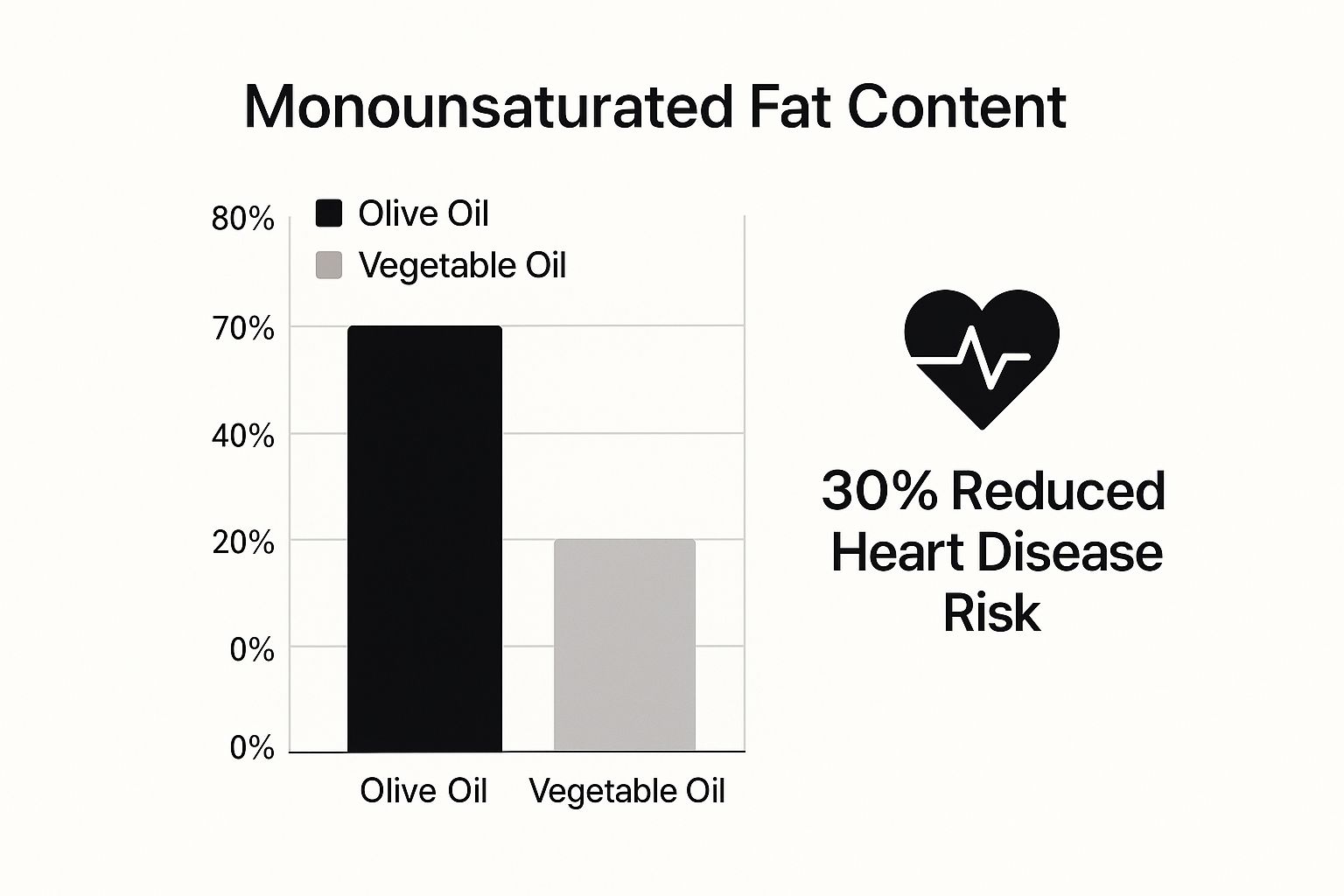
As the bar chart clearly illustrates, olive oil offers a substantially higher amount of monounsaturated fats compared to vegetable oil, highlighting its potential for positive impacts on heart health. The accompanying 30% reduction in heart disease risk emphasizes the significant protective benefits associated with olive oil consumption.
To maximize the health benefits, opt for extra virgin olive oil, the least processed form, which retains the highest levels of antioxidants and beneficial compounds. Store your olive oil in a dark, cool place to protect it from light and heat, which can degrade its quality. Ideally, use olive oil within 18-24 months of its harvest date for optimal freshness and flavor. Pioneering researchers like Dr. Ancel Keys, known for his work on the Mediterranean diet, along with institutions like the Harvard School of Public Health and the American Heart Association, have all popularized the health benefits of olive oil, further supporting its inclusion in a heart-healthy diet.
2. Antioxidant Properties and Disease Prevention
When comparing olive oil to vegetable oil, a crucial factor to consider is their respective antioxidant content and its impact on health. This is a key area where extra virgin olive oil (EVOO) shines, solidifying its position as a healthier choice. So, is olive oil better than vegetable oil in terms of antioxidants? The answer is a resounding yes.
Extra virgin olive oil is a powerhouse of natural antioxidants, boasting over 30 phenolic compounds. These compounds, including hydroxytyrosol, tyrosol, and oleuropein, play a vital role in protecting our cells from the damaging effects of oxidation and inflammation. Oxidation is a natural process in the body, but excessive oxidation, often caused by factors like pollution, stress, and poor diet, can lead to cellular damage, contributing to aging and various diseases. Antioxidants neutralize these harmful free radicals, acting as a protective shield for our cells.
One of the most remarkable phenolic compounds in EVOO is oleocanthal. Research conducted by Dr. Gary Beauchamp, among others, has revealed that oleocanthal possesses anti-inflammatory properties strikingly similar to ibuprofen, a common over-the-counter pain reliever. This natural anti-inflammatory action can be beneficial in managing chronic inflammation, a contributing factor to many diseases, including heart disease, arthritis, and certain cancers.
Further enhancing its antioxidant profile, EVOO contains Vitamin E (alpha-tocopherol), another potent antioxidant that works synergistically with the phenolic compounds. Chlorophyll and carotenoids, responsible for the oil's characteristic green-gold hue, also contribute to its antioxidant capacity. Finally, squalene, a compound with antioxidant and moisturizing properties, is found in higher concentrations in olive oil compared to many other vegetable oils.
In contrast, most refined vegetable oils undergo extensive processing, which strips away many of their naturally occurring antioxidants. To compensate for this loss and extend shelf life, manufacturers often add synthetic antioxidants like butylated hydroxytoluene (BHT) and butylated hydroxyanisole (BHA). While these synthetic antioxidants are generally considered safe by regulatory agencies, some concerns remain regarding their potential long-term health effects. Choosing extra virgin olive oil allows you to benefit from nature's own preservatives without the potential risks associated with synthetic additives.
The benefits of these powerful antioxidants extend to various aspects of health. Studies have shown a correlation between olive oil consumption and a reduced risk of Alzheimer's disease, particularly in Mediterranean populations where olive oil is a dietary staple. This link is likely attributed to the neuroprotective effects of olive oil's antioxidants, which can help combat oxidative stress in the brain. Other research is exploring the potential role of olive oil in cancer prevention, with studies focusing on populations in olive oil-consuming regions. While more research is needed, preliminary findings are promising.
However, it’s important to acknowledge that not all olive oils are created equal. Antioxidant levels can vary significantly between brands and even between different batches of the same brand. Factors like olive variety, growing conditions, and processing methods all play a role. Furthermore, heat and light exposure can degrade the antioxidant content of olive oil over time. While EVOO is generally more expensive than antioxidant-free vegetable oils, its health benefits justify the investment. When considering whether olive oil is better than vegetable oil, the antioxidant advantage clearly tips the scales in favor of EVOO.
To maximize the antioxidant benefits of olive oil, consider these tips:
- Look for the harvest date: A more recent harvest date indicates a fresher oil with a higher likelihood of retaining its antioxidant content. Don't solely rely on the expiration date.
- Choose oils with higher polyphenol content: Some brands list the polyphenol content on the label. Aim for oils with at least 250 mg/kg of polyphenols.
- Opt for cold-pressed, unfiltered varieties: These methods minimize processing and preserve the oil's natural antioxidants.
- Store your olive oil properly: Keep it in a cool, dark place to protect it from light and heat degradation.
Organizations like the International Olive Council and the UC Davis Olive Center provide valuable resources and information on olive oil quality and health benefits. By understanding the significant antioxidant advantage of extra virgin olive oil, consumers can make informed choices that support their overall health and well-being.
3. Processing Methods and Purity: A Key Factor When Asking "Is Olive Oil Better Than Vegetable Oil?"
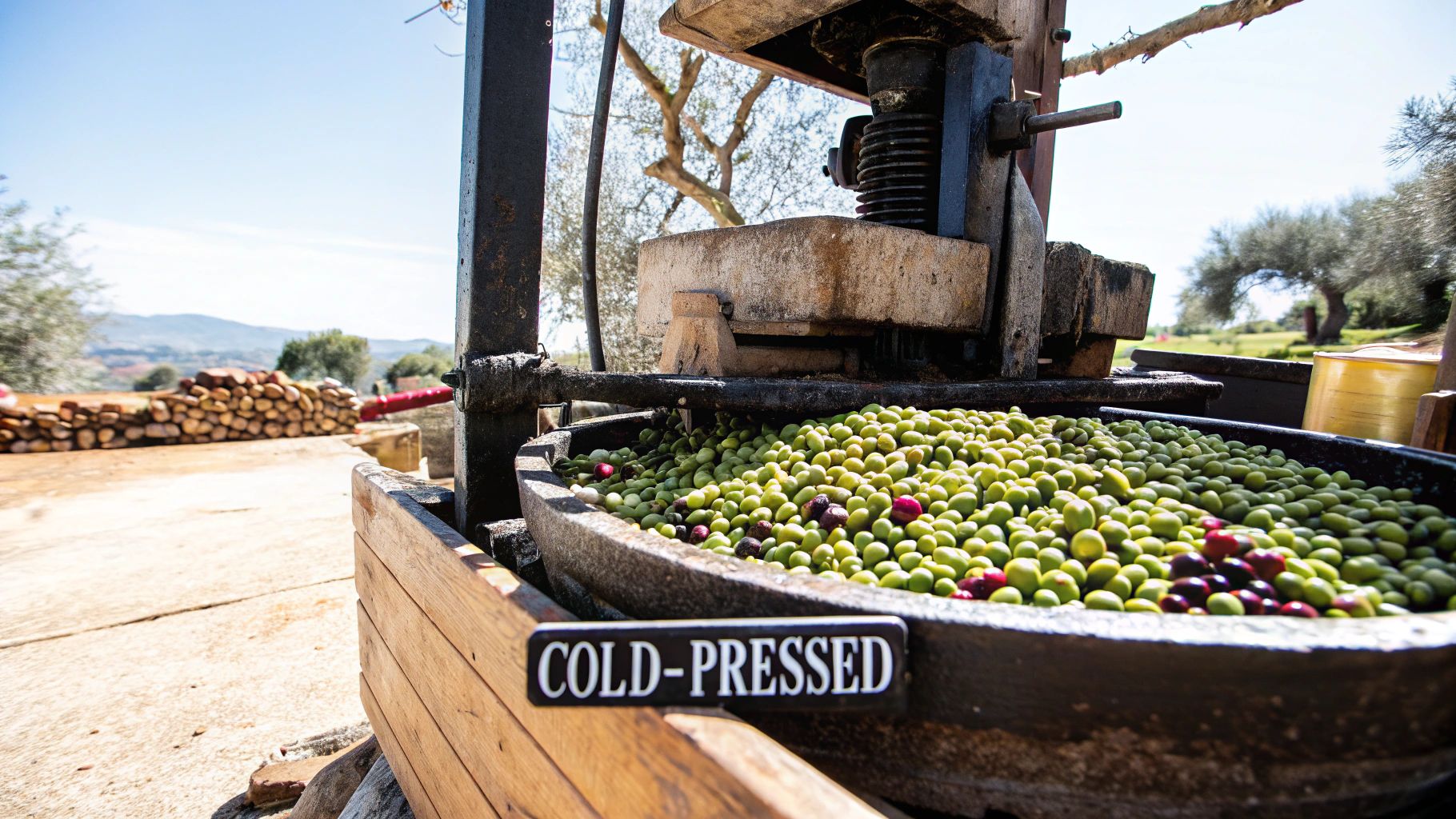
When comparing olive oil and vegetable oil, processing methods play a crucial role in determining overall quality, nutritional value, and even flavor. This is a key factor to consider when asking, "Is olive oil better than vegetable oil?" Extra virgin olive oil, the highest quality olive oil, stands out due to its minimal processing. It’s produced solely by mechanical means, typically involving crushing and pressing olives, without the use of heat or chemicals. This cold-pressed extraction method, typically occurring below 80°F (27°C), preserves the oil's natural flavor, aroma, and a wealth of beneficial compounds like antioxidants and polyphenols. This contrasts sharply with the production of most vegetable oils.
Vegetable oils, often derived from sources like soybeans, corn, canola, or sunflowers, generally undergo a significantly different and more intensive refining process. This process typically involves several steps, including high heat extraction, the use of chemical solvents (like hexane), bleaching, and deodorizing. While these steps increase the oil's shelf life and create a neutral flavor profile, they also strip away many of the naturally occurring nutrients and potentially introduce harmful compounds. The high heat used can degrade beneficial fatty acids, while the chemical solvents may leave trace residues in the final product. Bleaching and deodorizing, while improving the oil's appearance and smell, further remove valuable nutrients and phytochemicals. This stark contrast in processing significantly contributes to the differences in health benefits and culinary applications between olive oil and vegetable oil. Is olive oil better than vegetable oil in this regard? The minimal processing certainly gives it an edge.
Examples of traditional and modern olive oil production methods illustrate the commitment to purity. Traditional methods, such as stone mill pressing, are still practiced in some Mediterranean regions and represent a time-honored approach to extracting oil. Modern methods, like centrifuge extraction, offer more efficient and large-scale production while still adhering to the cold-pressed standard. Furthermore, the growing popularity of organic and biodynamic olive oil production emphasizes sustainable agricultural practices and further minimizes the risk of chemical contamination. Some producers even offer single-estate olive oils with detailed harvest documentation, providing full transparency and traceability from farm to bottle. These examples highlight the emphasis on preserving the natural integrity of the oil.
The benefits of cold-pressed extraction are clear: retaining the natural flavor and aroma of the olives, avoiding chemical residues, and preserving heat-sensitive nutrients like antioxidants and vitamins. This makes extra virgin olive oil a flavorful and healthy choice for various culinary applications, from salad dressings and dips to low-heat cooking. However, this commitment to minimal processing also comes with some drawbacks. Cold-pressed olive oil tends to have a shorter shelf life than refined vegetable oils and is more susceptible to oxidation. The production costs are generally higher, contributing to a higher retail price. Furthermore, the quality can vary significantly between producers, highlighting the importance of choosing reputable brands and looking for specific certifications.
When choosing olive oil, there are several actionable tips to ensure you are getting a high-quality, minimally processed product. Look for labels that clearly state "first cold-pressed" or "cold-extracted." Avoid oils labeled "light" or "pure" olive oil, as these often indicate refined oils that have undergone extensive processing. Choose oils packaged in dark glass bottles or tins to protect them from light and oxidation. Verify authenticity and quality through certifications like those from the International Olive Oil Council (IOC) or regional olive oil associations. Reputable brands like California Olive Ranch and Cobram Estate are known for their commitment to quality and transparency, often providing detailed information about their sourcing and production methods. By considering processing methods and prioritizing minimally processed extra virgin olive oil, you can make an informed choice that supports both your health and culinary endeavors. This knowledge empowers you to definitively answer the question, "Is olive oil better than vegetable oil?" at least in the context of processing and purity.
4. Cooking Stability and Smoke Point Considerations
When comparing olive oil to vegetable oil, heat stability and smoke point are often major considerations. Many believe that vegetable oils are superior for high-heat cooking, but a deeper look reveals that olive oil possesses surprising resilience and offers distinct advantages when it comes to heat. Understanding these nuances is crucial when deciding whether olive oil is better than vegetable oil for your cooking needs.
So, what exactly is smoke point, and why does it matter? The smoke point of an oil is the temperature at which it begins to break down and visibly smoke, producing unpleasant flavors and potentially harmful compounds. Exceeding the smoke point can also diminish the oil's nutritional value. While some refined vegetable oils boast higher smoke points, olive oil, particularly extra virgin olive oil, holds its own with a respectable smoke point of 375-405°F (190-207°C). This range makes it suitable for most common cooking methods, including sautéing, roasting, baking, and even some pan-frying.
Contrary to popular misconception, olive oil’s stability at higher temperatures stems not just from its smoke point but also from its unique chemical composition. The high monounsaturated fat content in olive oil contributes significantly to its stability. Monounsaturated fats are less susceptible to oxidation than polyunsaturated fats, which are prevalent in many vegetable oils like corn and soybean oil. Oxidation is a chemical process that occurs when oils are exposed to heat, light, and air, leading to the formation of free radicals and potentially harmful compounds.
Furthermore, olive oil, especially extra virgin olive oil, is rich in natural antioxidants. These antioxidants act as protective agents, further enhancing the oil's resistance to heat-induced degradation. They help neutralize free radicals and prevent the formation of harmful aldehydes, which are volatile compounds that can impart off-flavors and potentially pose health risks. This robust antioxidant protection allows olive oil to maintain its nutritional integrity and flavor profile even when heated.
The benefits of using olive oil for cooking extend beyond its chemical stability. Think about the rich culinary traditions of the Mediterranean, where olive oil is the cornerstone of almost every dish. For generations, Mediterranean cooks have used olive oil for everything from gentle simmering to robust frying, showcasing its versatility and resilience. Even in professional kitchens worldwide, olive oil has become a staple for sautéing vegetables, roasting meats, and creating flavorful sauces. Studies, including research from institutions like UC Davis, have further validated olive oil's stability in commercial frying applications, demonstrating its ability to withstand prolonged high-heat cooking.
While olive oil offers impressive heat stability, it's essential to understand its limitations. Its smoke point, while adequate for most cooking, is lower than some refined vegetable oils like canola or grapeseed oil. This means that olive oil is generally not the best choice for deep-frying at very high temperatures. Overheating olive oil can also lead to a bitter flavor, diminishing the overall culinary experience. Additionally, the higher cost of olive oil, especially extra virgin olive oil, can be a deterrent for large-scale or high-volume cooking.
So, when and why should you choose olive oil? Olive oil excels in situations where flavor enhancement and nutritional preservation are paramount. Sautéing vegetables in olive oil not only cooks them evenly but also imparts a subtle, fruity flavor. Roasting meats with olive oil creates a beautifully browned crust while keeping the interior moist and tender. And for everyday home cooking, olive oil offers a healthy and flavorful option for preparing a wide variety of dishes.
To maximize the benefits of cooking with olive oil, consider these tips: For higher-heat applications, opt for refined olive oil, which has a slightly higher smoke point than extra virgin olive oil. Always monitor the temperature carefully to avoid reaching the smoke point. Adding aromatic ingredients like herbs and garlic can further enhance the flavor of your dishes while cooking with olive oil. And finally, reserve your premium extra virgin olive oil for finishing dishes, drizzling over salads, or dipping bread, allowing its full flavor and aroma to shine through.
Prominent chefs like Mario Batali and Lidia Bastianich have long championed the use of olive oil in their cooking, demonstrating its versatility and resilience. Numerous cooking shows highlighting Mediterranean techniques have further popularized olive oil's use in various cooking methods. By understanding the science behind olive oil's stability and following these simple tips, you can confidently incorporate this healthy and flavorful oil into your cooking repertoire, reaping its numerous benefits.
5. Environmental Impact and Sustainability
When asking "is olive oil better than vegetable oil?", the question of environmental impact and sustainability plays a crucial role. The production of our food has far-reaching consequences for the planet, and choosing oils with a lower environmental footprint is becoming increasingly important for conscious consumers. In this regard, olive oil often emerges as a more sustainable choice compared to many common vegetable oils.
Olive trees boast a remarkably sustainable lifecycle. These resilient trees can live and produce fruit for centuries, often thriving in marginal lands where other crops struggle. Unlike annual crops that require yearly planting and intensive soil preparation, olive groves offer long-term stability to the land, helping prevent soil erosion and preserving biodiversity. Their deep root systems improve soil structure and water infiltration, further contributing to land health. Furthermore, olive trees, particularly in traditional, non-intensive groves, require significantly less water than many other oil crops like soy or rapeseed. Their drought-resistant nature allows them to flourish in dry Mediterranean climates with minimal irrigation, contributing to a significantly lower water footprint. This contrasts sharply with the water-intensive cultivation of crops like soybean and palm, which often necessitate large-scale irrigation systems and contribute to water depletion in already stressed regions.
The longevity of olive trees also contributes to carbon sequestration. These trees act as carbon sinks, absorbing carbon dioxide from the atmosphere over their long lifespans. This inherent carbon sequestration capacity, combined with the reduced need for tilling and the use of cover crops in some olive groves, helps mitigate the effects of climate change. Furthermore, traditional olive farming methods, often passed down through generations, typically involve minimal processing and limited use of chemical inputs, especially in organic olive oil production. This low-impact approach further reduces the environmental burden associated with olive oil production, preserving biodiversity and minimizing pollution.
Compare this to the production of some vegetable oils, particularly palm oil and soybean oil, which are frequently associated with deforestation, habitat destruction, and significant greenhouse gas emissions. The expansion of these crops often drives the conversion of forests and other natural ecosystems into vast monocultures, leading to biodiversity loss and disrupting delicate ecological balances. The intensive agricultural practices employed in these monocultures often rely heavily on synthetic fertilizers and pesticides, which can pollute waterways and harm ecosystems.
While olive oil offers substantial environmental advantages, it’s important to consider the full picture. One of the primary drawbacks is the limited geographic range suitable for olive cultivation, primarily Mediterranean climates. This restricts large-scale production and can impact availability and pricing in some regions. Olive trees also have a lower yield per acre compared to some oil crops like canola or sunflower, meaning more land is required to produce an equivalent volume of oil. This can potentially lead to habitat conversion if olive cultivation expands into unsuitable areas. Seasonal production variability can also influence supply and pricing.
Examples of Successful Implementation:
- Ancient olive groves in Greece and Italy: These ancient groves, some dating back centuries, are a testament to the long-term sustainability of olive cultivation and its integration into the landscape.
- Regenerative agriculture practices in California olive farming: Some California olive producers are embracing regenerative agriculture practices like cover cropping and composting to enhance soil health, increase biodiversity, and further reduce their environmental impact.
- UNESCO recognition of Mediterranean olive landscapes: The cultural and ecological significance of traditional olive farming has been recognized by UNESCO, highlighting its importance for biodiversity and sustainable land management.
- Carbon offset programs in olive farming regions: Some olive oil producers participate in carbon offset programs, further mitigating their environmental footprint and contributing to climate action.
Tips for Choosing Sustainable Olive Oil:
- Choose organic and biodynamic olive oils: These certifications guarantee minimal chemical inputs and promote sustainable farming practices.
- Support local producers when possible: Buying local reduces transportation emissions and supports local economies.
- Look for sustainability certifications: Various certifications exist that verify sustainable olive oil production practices, including those focusing on water conservation, biodiversity preservation, and fair trade.
- Consider the full lifecycle impact when purchasing: Think about the packaging, transportation, and disposal of the product, opting for options that minimize waste and environmental impact.
The Slow Food movement, environmental organizations like WWF, and sustainable agriculture advocates have all played a role in raising awareness about the environmental benefits of choosing olive oil. By understanding the environmental impact of different oil production methods and making informed choices, consumers can contribute to a more sustainable food system and answer the question, "is olive oil better than vegetable oil?" with an environmentally conscious perspective.
6. Flavor Profile and Culinary Versatility
When comparing olive oil and vegetable oil, flavor profile and culinary versatility are key differentiators that often tip the scales in favor of olive oil. While vegetable oil is prized for its neutral flavor, this very characteristic can be a drawback when seeking to enhance, rather than mask, the natural flavors of food. This is where olive oil truly shines. Is olive oil better than vegetable oil? In terms of flavor, many would argue yes.
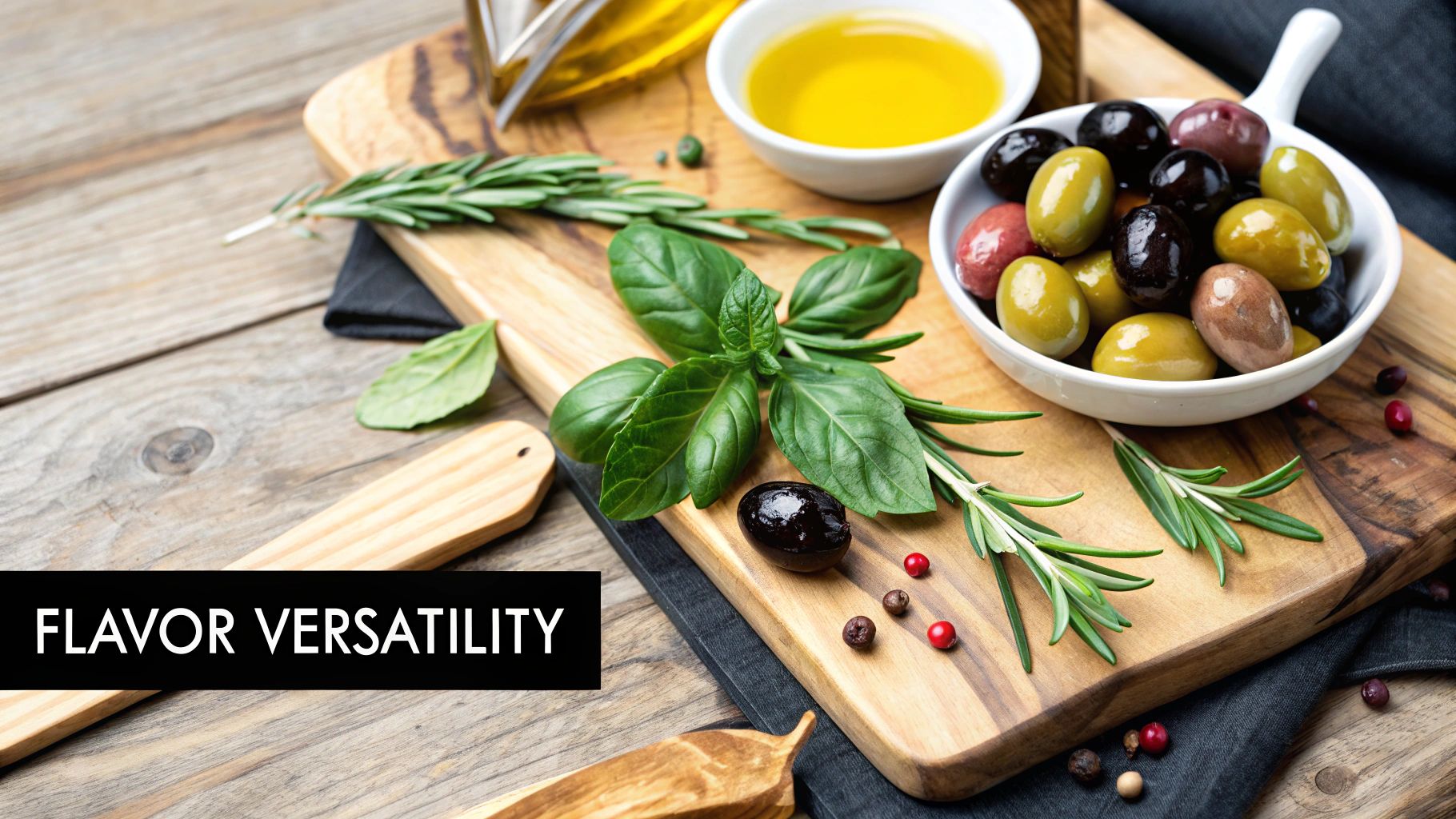
Olive oil boasts a complex flavor profile that ranges from mild and buttery to robust and peppery, creating a diverse culinary playground for both home cooks and professional chefs. This spectrum of flavors stems from a combination of factors, including the olive variety, the terroir (the environmental factors impacting the olives), and the processing methods employed. Just like wine, olive oil expresses the characteristics of its origin and production, creating unique flavor nuances across different regions and even seasons. This inherent variability is a significant advantage for culinary exploration.
The diverse flavor profiles allow olive oil to be paired strategically with a wide range of cuisines and cooking methods. Delicate extra virgin olive oils, with their fruity and grassy notes, are ideal for drizzling over fresh salads, dipping crusty bread, or finishing a delicate piece of fish. More robust oils, often characterized by peppery and pungent notes, lend themselves beautifully to heartier dishes like grilled meats, roasted vegetables, and rich tomato sauces. Even within the “extra virgin” category, flavor profiles can vary dramatically, enabling precise flavor pairings much like selecting a specific wine to complement a meal.
The versatility of olive oil extends beyond savory applications. Surprisingly, certain milder olive oils can be incorporated into baking, adding a subtle richness and complexity to cakes and pastries. In fact, olive oil is a traditional ingredient in many Mediterranean desserts, highlighting its adaptability in both sweet and savory contexts.
Features of Olive Oil's Flavor Profile:
- Range from delicate to robust flavors: Offering a wide spectrum to complement various dishes.
- Fruity, grassy, or peppery notes: Providing distinct aromatic and taste experiences.
- Varietal differences like wine: Allowing for nuanced flavor pairings based on olive type.
- Seasonal and regional flavor variations: Creating a dynamic and ever-evolving culinary landscape.
Pros of Olive Oil's Flavor Profile:
- Enhances natural food flavors: Elevating ingredients without masking their inherent taste.
- Suitable for both cooking and finishing: Performing well at high heats and as a final touch.
- Pairs well with diverse cuisines: Adapting seamlessly to a variety of culinary traditions.
- Can be used in both sweet and savory applications: Demonstrating remarkable versatility across the culinary spectrum.
Cons of Olive Oil's Flavor Profile:
- Strong flavor may not suit all dishes: Potentially overpowering delicate ingredients or clashing with certain flavor profiles.
- Quality and taste vary significantly between brands: Requiring careful selection and potentially higher cost for premium oils.
- May overpower delicate ingredients: Needing careful consideration of flavor intensity when pairing with certain foods.
- Personal taste preferences vary widely: What one person finds delightful, another might find overpowering.
Examples of Olive Oil in Culinary Practice:
- Italian cuisine: Using Tuscan olive oil for ribollita or Sicilian olive oil for pasta con le sarde.
- Greek dishes: Featuring robust, peppery olive oils in salads, dips, and grilled meats.
- Modern fusion cuisine: Incorporating olive oil in desserts like olive oil cakes and ice cream.
- Michelin-starred restaurants: Showcasing single-variety olive oils to highlight specific flavor profiles.
Tips for Utilizing Olive Oil's Flavor Profile:
- Match oil intensity to dish complexity: Use milder oils for delicate dishes and robust oils for bolder flavors.
- Use mild oils for baking and delicate fish: Avoid overpowering subtle ingredients with strong olive oil flavors.
- Try robust oils with grilled meats and vegetables: Enhance the charred flavors and add a peppery kick.
- Taste oils before purchasing when possible: Develop your palate and find the perfect oils for your culinary needs.
The popularization of olive oil's culinary versatility is largely attributed to the efforts of celebrity chefs like Jamie Oliver and Emeril Lagasse, along with the influence of Food Network cooking shows, Mediterranean restaurant chains, and gourmet food magazines and critics. Their advocacy has helped to educate consumers about the nuances of olive oil and its vast potential in the kitchen. So, is olive oil better than vegetable oil? When considering flavor and versatility, the compelling arguments for olive oil are difficult to ignore.
7. Scientific Research and Health Claims Validation
When comparing olive oil to vegetable oil, the weight of scientific evidence becomes a critical factor. This section explores the depth and breadth of research supporting the health benefits of olive oil, particularly extra virgin olive oil, and contrasts it with the comparatively limited research available for many vegetable oils. This rigorous scientific scrutiny is a key reason why olive oil often emerges as the healthier choice. Asking "is olive oil better than vegetable oil?" leads us directly to the scientific literature for answers.
Olive oil, especially extra virgin olive oil, has been subjected to extensive scientific investigation for decades. Over 3,000 peer-reviewed studies have explored its impact on various aspects of health, from cardiovascular disease and cancer prevention to cognitive function and inflammation. These studies encompass a range of methodologies, including large-scale epidemiological studies observing populations over time, randomized controlled trials comparing olive oil consumption to other dietary fats, and meta-analyses that synthesize data from multiple studies to draw broader conclusions. This rigorous and multifaceted approach strengthens the reliability and validity of the findings.
In contrast, many vegetable oils lack this depth of research. While some studies exist, they are often less comprehensive and may not address long-term health outcomes. Furthermore, some research has raised concerns regarding the high omega-6 fatty acid content in certain vegetable oils and the potential negative impacts of industrial processing methods on their nutritional value. This disparity in research makes a compelling case for olive oil when considering the question, "is olive oil better than vegetable oil?"
The scientific evidence supporting olive oil's health benefits is not just voluminous, it's also been recognized by regulatory bodies. The FDA has authorized a qualified health claim for oleic acid, the primary monounsaturated fatty acid in olive oil, stating that consuming about two tablespoons of olive oil daily may reduce the risk of coronary heart disease. Similarly, the European Food Safety Authority (EFSA) has approved several health claims related to olive oil, including its antioxidant properties and contribution to cardiovascular health. This regulatory backing further solidifies the scientific consensus on olive oil's beneficial effects.
Several landmark studies have contributed significantly to our understanding of olive oil's health benefits. The PREDIMED study, a large-scale randomized controlled trial involving over 7,500 participants followed for nearly five years, found that a Mediterranean diet supplemented with extra virgin olive oil significantly reduced the incidence of major cardiovascular events. The Nurses' Health Study, a long-term observational study tracking the health of thousands of nurses, has also linked higher olive oil consumption to a lower risk of chronic diseases. The Lyon Diet Heart Study demonstrated that a Mediterranean diet rich in olive oil significantly reduced the risk of recurrent heart attacks and other cardiac events. Furthermore, numerous studies have explored the potential neuroprotective effects of olive oil, suggesting a positive association between its consumption and cognitive function.
While the evidence strongly favors olive oil, it's essential to acknowledge certain limitations. The quality of olive oil can vary significantly, and not all studies have consistently used high-quality extra virgin olive oil. Some health claims related to olive oil may be overstated or require further investigation. Individual responses to olive oil can also vary, and the majority of research has focused on Mediterranean populations, so the benefits may not be entirely generalizable to other populations.
If you're considering incorporating more olive oil into your diet, here are some actionable tips:
- Look for products backed by research: Choose extra virgin olive oil from reputable brands that prioritize quality and purity.
- Understand that benefits apply primarily to extra virgin olive oil: Refined olive oils undergo more processing and may lack the same level of beneficial compounds.
- Consider olive oil as part of an overall healthy diet: Olive oil is most effective when consumed as part of a balanced diet rich in fruits, vegetables, and whole grains.
- Consult healthcare providers for specific health conditions: If you have any underlying health concerns, it's always best to discuss dietary changes with your doctor or a registered dietitian.
The extensive scientific research validating the health benefits of olive oil sets it apart from many vegetable oils. While more research is always welcome, the existing evidence provides a compelling reason to choose olive oil as a healthier dietary fat, answering the question, "is olive oil better than vegetable oil?" with a resounding affirmation based on scientific merit. The work of institutions like the Harvard T.H. Chan School of Public Health, the Mediterranean Diet Foundation, and publications like the American Journal of Clinical Nutrition, along with contributions from leading nutrition researchers like Dr. Walter Willett, continue to shape our understanding of olive oil's beneficial properties.
7-Factor Olive vs Vegetable Oil Comparison
| Aspect | Nutritional Content and Heart Health ⭐📊 | Antioxidant Properties and Disease Prevention ⭐💡 | Processing Methods and Purity 🔄💡 | Cooking Stability and Smoke Point ⚡🔄 | Environmental Impact and Sustainability 📊💡 | Flavor Profile and Culinary Versatility ⭐💡 | Scientific Research and Health Claims Validation ⭐📊 |
|---|---|---|---|---|---|---|---|
| Implementation Complexity 🔄 | Moderate: selecting extra virgin types | Moderate: sourcing high-polyphenol oils | High: ensuring cold-pressed purity | Moderate: monitoring cooking temperatures | Moderate: adopting sustainable farming | Low: choosing variety by flavor | High: evaluating research quality |
| Resource Requirements ⚡ | Medium cost, storage conditions | Higher cost, careful handling | Expensive production, specialized tools | Requires temperature control | Requires specific climate and land | Minimal additional resources | Requires research access and understanding |
| Expected Outcomes 📊 | Improved heart health, lipid profile | Cellular protection, reduced inflammation | Maximum nutrient retention | Safe cooking, preserved nutrients | Reduced environmental footprint | Enhanced culinary experience | Validated health benefits, regulatory approval |
| Ideal Use Cases 💡 | Cardiovascular health focus | Disease prevention, anti-inflammatory benefits | Authentic, high-quality oil production | Medium-heat cooking and finishing | Eco-conscious consumers | Culinary applications across cuisines | Health-focused dietetics and scientific guidance |
| Key Advantages ⭐ | High monounsaturated fats, vitamins | Natural antioxidants, brain & cancer support | No chemicals, traceability | Thermal stability, flavor retention | Low water use, biodiversity | Complex flavors, versatile use | Extensive peer-reviewed support |
Making the Right Choice: Your Guide to Premium Olive Oil
As we've explored, the question "is olive oil better than vegetable oil" often depends on your specific needs and priorities. From heart health and antioxidant properties to cooking stability and environmental impact, the differences between olive oil and vegetable oil are significant. While some vegetable oils might offer cost-effectiveness in certain cooking applications, extra virgin olive oil generally emerges as the superior choice for its nutritional profile, flavor, and potential health benefits covered throughout this article—from its positive impact on heart health and disease prevention to its versatility in the kitchen. Mastering these distinctions empowers you to make informed choices that not only enhance your culinary creations but also contribute to your overall well-being. By understanding the processing methods and purity levels, you can select the best olive oil for your needs, maximizing its health-boosting properties and culinary potential.
Want to delve deeper into the world of olive oil and discover the perfect bottle for your kitchen? Learn Olive Oil provides a wealth of information and access to premium olive oils, helping you answer the question, "is olive oil better than vegetable oil?" definitively for your own palate and health goals. Explore Learn Olive Oil today and elevate your culinary experience.

 Learn Olive Oil
Leave a comment