Exploring the Diverse World of Olive Oil
This listicle clarifies the differences in olive oil types, empowering you to choose the perfect oil for your needs. Understanding these distinctions is key for both flavor and health. We'll cover six common types: Extra Virgin Olive Oil (EVOO), Virgin Olive Oil, Refined Olive Oil, Light/Extra Light Olive Oil, Single-Variety Olive Oil, and Estate/Single-Origin Olive Oil. Learn the unique qualities of each and elevate your cooking and health with the right olive oil choice.
1. Extra Virgin Olive Oil (EVOO)
Extra Virgin Olive Oil (EVOO) sits at the pinnacle of olive oil quality, representing the purest and most flavorful expression of the olive fruit. Understanding the differences in olive oil types is crucial for making informed choices, and EVOO stands out due to its unique production process and superior characteristics. It is produced from the first cold-pressing of olives, extracted solely through mechanical means without any chemical processing or heat application that could alter its natural composition. This meticulous process preserves the oil's delicate flavor, vibrant color, and rich nutritional profile. To earn the prestigious "extra virgin" label, the oil must meet stringent standards set by the International Olive Council, including an acidity level of less than 0.8% and demonstrably superior taste characteristics.
One of the key features defining EVOO is its low acidity. This is a crucial indicator of the oil's quality, reflecting the health of the olives used and the care taken during processing. A lower acidity translates to a smoother, less bitter taste. The cold-pressing method employed in EVOO production helps retain all the natural antioxidants and vitamins present in the olive fruit, contributing to its significant health benefits. These include polyphenols and vitamin E, known for their anti-inflammatory and antioxidant properties. EVOO boasts a distinctive flavor profile, often described as fruity, peppery, or grassy, adding depth and complexity to culinary creations.
Pros of using EVOO:
- Highest nutritional value: Packed with antioxidants and vitamins.
- Best flavor complexity: Enhances the taste of dishes with its unique profile.
- Anti-inflammatory properties: Contributes to overall health and well-being.
- Versatile usage: Suitable for both cooking and finishing dishes.
- Longer shelf life: Remains fresh for an extended period when stored correctly.
Cons of using EVOO:
- Higher cost: Compared to other olive oil types, EVOO is generally more expensive.
- Lower smoke point (375-405°F): Limits its use in high-heat cooking methods like frying.
- Quality variations: Significant differences in quality exist between brands, emphasizing the importance of selecting reputable producers.
- Susceptible to degradation: Flavor and quality can be compromised by exposure to light and heat.
Examples of reputable EVOO brands:
- Lucini Italia Premium Select Extra Virgin Olive Oil
- Colavita Extra Virgin Olive Oil
- Kirkland Signature Organic Extra Virgin Olive Oil (Costco)
Tips for maximizing the quality and longevity of your EVOO:
- Store in a dark, cool place away from heat sources.
- Use within 18-24 months of the harvest date (check the label).
- Taste before using – ensure there are no rancid or musty flavors.
- EVOO is best suited for salad dressings, drizzling over finished dishes, and low-heat cooking methods like sautéing.
The rising popularity of EVOO can be attributed to various factors, including the increasing awareness of the health benefits associated with the Mediterranean diet, endorsements from celebrity chefs like Jamie Oliver and Mario Batali, and recommendations from health experts like Dr. Andrew Weil.
The following infographic provides a simple decision tree to help you determine when EVOO is the best choice for your culinary needs. It considers key factors like acidity, smoke point, and desired flavor profile.
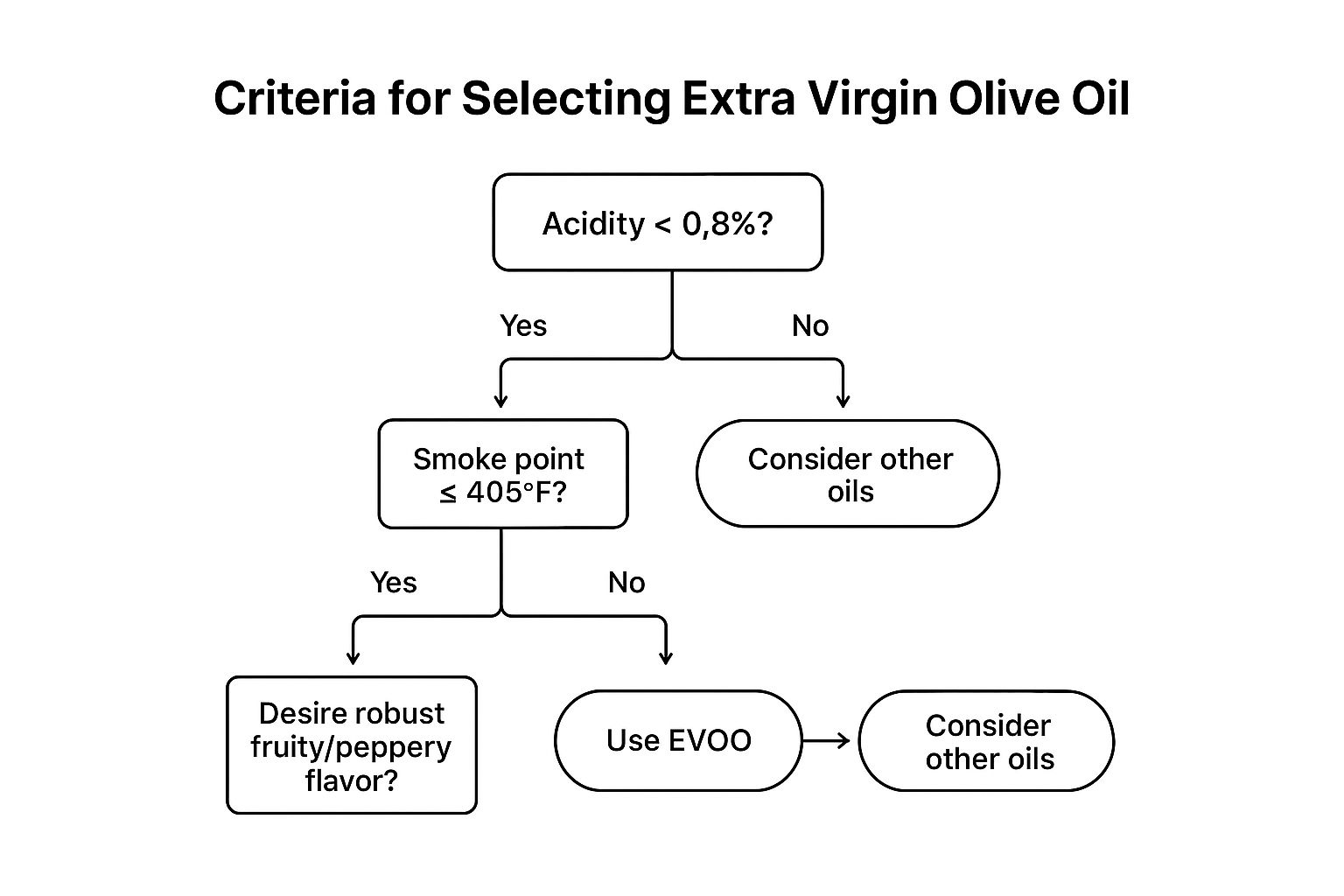
As the infographic illustrates, if you are looking for an oil with low acidity, a smoke point suitable for your cooking method, and a robust fruity or peppery flavor, then EVOO is an excellent choice. If any of these criteria aren't met, you might consider exploring other olive oil types better suited to your specific needs.
By understanding the nuances of EVOO – its production, benefits, limitations, and proper usage – you can fully appreciate its value and incorporate it effectively into your cooking and dietary habits. When comparing differences in olive oil types, EVOO consistently stands out as the gold standard, offering a unique combination of flavor, nutrition, and culinary versatility.
2. Virgin Olive Oil
When exploring the differences in olive oil types, virgin olive oil stands as a versatile and widely available option, occupying the second tier in the olive oil hierarchy. While not as prestigious as extra virgin olive oil (EVOO), it offers a compelling balance of quality, flavor, and affordability, making it a popular choice for both home cooks and restaurants. Understanding its production process, flavor profile, and best uses can help you make informed decisions when selecting the right olive oil for your culinary needs.
Virgin olive oil, like EVOO, is produced through mechanical extraction, meaning olives are crushed and pressed to release their oil without the use of heat or chemicals. This cold-pressed method preserves the natural flavors and aromas of the olives. However, the key difference between extra virgin and virgin olive oil lies in the quality of the olives and the resulting acidity levels. Virgin olive oil has a slightly higher acidity level, permitted up to 2%, compared to EVOO's maximum of 0.8%. This higher acidity can result in a slightly less intense flavor and a potentially less pristine aroma. It also undergoes less rigorous testing for flavor defects.
The flavor profile of virgin olive oil, while not as robust or complex as EVOO, is still generally pleasant and fruity. It might possess subtle flavor imperfections, such as a slightly bitter or metallic taste, which are not permitted in EVOO. However, these nuances are often imperceptible to the average consumer, especially when used in cooking. Virgin olive oil retains many of the nutritional benefits associated with olive oil, including monounsaturated fats and antioxidants, although in slightly lower concentrations than EVOO.
Pros of Using Virgin Olive Oil:
- Affordability: Virgin olive oil offers a significant price advantage over EVOO, making it a budget-friendly choice for everyday cooking.
- Good Nutritional Value: While slightly lower in antioxidants, virgin olive oil still provides healthy monounsaturated fats and other beneficial compounds.
- Versatility: It's suitable for both cooking and finishing, allowing for a single oil to serve multiple purposes in the kitchen.
- Wide Availability: Virgin olive oil is readily available in most supermarkets and grocery stores.
- Balance of Quality and Price: It offers a good compromise between the premium quality of EVOO and the lower price of refined olive oils.
Cons of Using Virgin Olive Oil:
- Lower Antioxidant Content: Compared to EVOO, virgin olive oil contains a lower concentration of antioxidants.
- Less Complex Flavor Profile: Its flavor is less intense and complex than EVOO, and may have slight flavor imperfections.
- Similar Smoke Point Limitations: Like EVOO, virgin olive oil has a relatively low smoke point, making it unsuitable for high-heat cooking methods like deep frying.
- Less Stringent Quality Controls: The production and quality testing of virgin olive oil are not as rigorously controlled as EVOO.
Examples of Virgin Olive Oil Brands:
- Pompeian Virgin Olive Oil
- Star Virgin Olive Oil
- 365 Everyday Value Virgin Olive Oil (Whole Foods)
Tips for Using Virgin Olive Oil:
- Everyday Cooking: Virgin olive oil is an excellent middle-ground option for everyday cooking needs, such as sautéing vegetables, roasting chicken, and making salad dressings.
- Label Scrutiny: Carefully examine labels as "virgin" olive oil quality can vary. Look for indicators of quality like country of origin and harvest date.
- Storage: Store virgin olive oil similarly to EVOO, in a cool, dark place, away from heat and light.
- Medium-Heat Cooking: Use it for medium-heat cooking and general culinary purposes to avoid exceeding its smoke point.
Who Popularized Virgin Olive Oil?
Virgin olive oil has become a staple for budget-conscious home cooks seeking a healthy and affordable cooking oil. Many Mediterranean cuisine restaurants utilize it for its flavor and cost-effectiveness. Nutritionists also frequently recommend it as a source of affordable healthy fats.
Choosing the right olive oil often comes down to balancing quality, flavor, and price. When comparing the differences in olive oil types, virgin olive oil presents a compelling option for those seeking a versatile and affordable oil for everyday use, while still benefiting from many of the nutritional advantages olive oil offers.
3. Refined Olive Oil
When exploring the diverse world of olive oils, understanding the distinctions between types is crucial for making informed choices in the kitchen and for overall health. Refined olive oil occupies a unique position in this landscape, offering specific advantages for certain culinary applications. This type of olive oil undergoes a refining process to neutralize its flavor and improve its stability at high temperatures. This process distinguishes it significantly from virgin olive oils, impacting its flavor profile, nutritional value, and best-use cases. Understanding these differences is key to selecting the right olive oil for your needs, contributing to both the success of your dishes and the potential health benefits you derive.
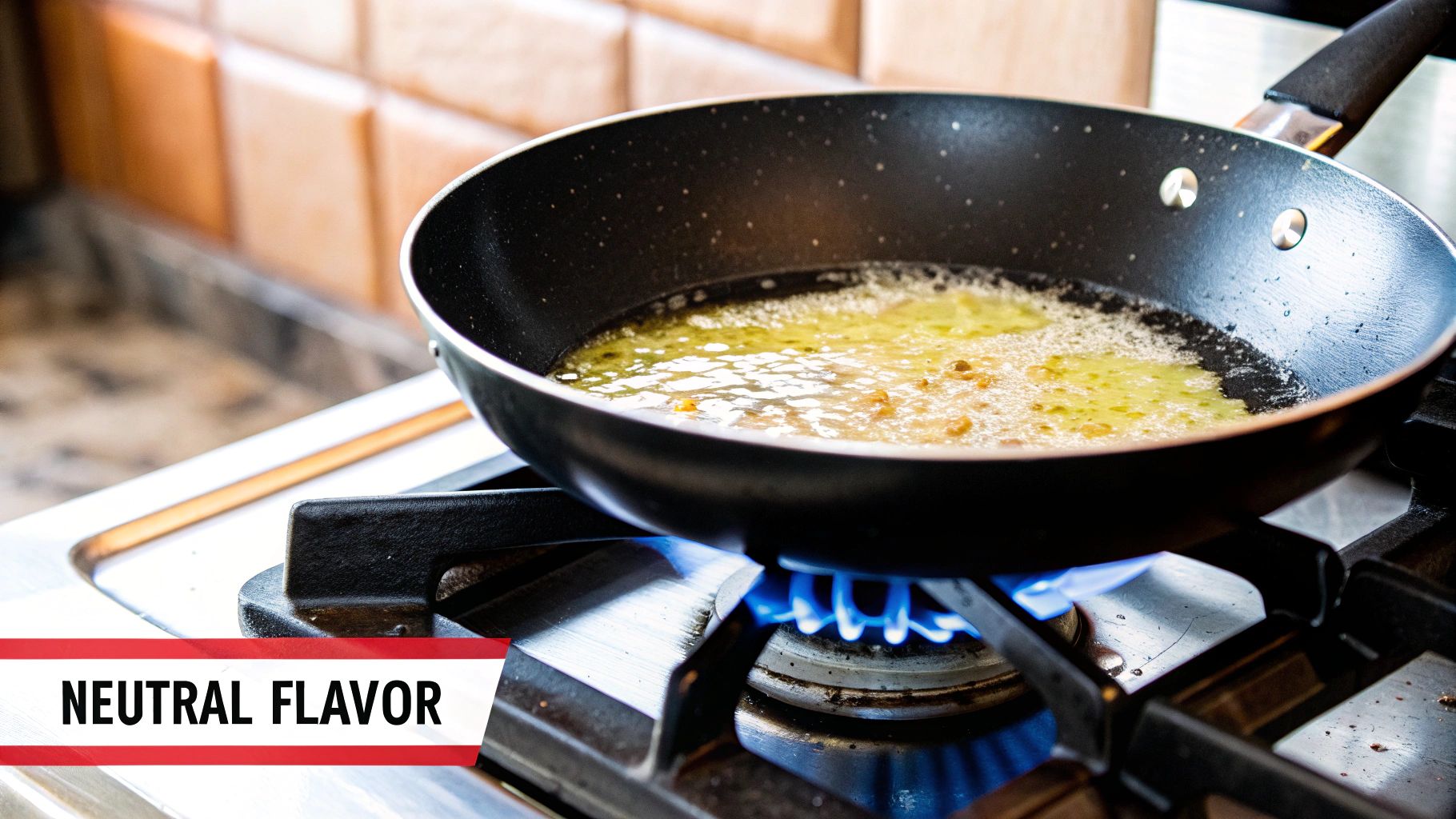
Refined olive oil starts with olive oil that has imperfections – perhaps due to flaws in the olives themselves, improper harvesting or storage, or other factors that result in undesirable flavors or aromas. These imperfections are removed through a series of chemical and physical refining processes, including neutralization, decolorization, and deodorization. Neutralization involves treating the oil with an alkali to remove free fatty acids, which contribute to off-flavors. Decolorization uses adsorbent materials like activated carbon to remove pigments and improve the oil's color. Finally, deodorization employs steam distillation under vacuum to eliminate volatile compounds responsible for undesirable odors. This multi-step process strips the oil of its natural flavors, aromas, and even some of its beneficial nutrients, resulting in a neutral-tasting, light-colored oil with a higher smoke point.
Because the refining process removes much of the characteristic olive flavor, refined olive oil is often blended with extra virgin or virgin olive oils. This blending serves two primary purposes. First, it adds back some of the desirable fruity and peppery notes associated with olive oil. Second, it elevates the nutritional value of the final product by reintroducing some of the antioxidants and other beneficial compounds removed during refining. Understanding this blending practice helps consumers discern the differences in olive oil types and make choices aligned with their flavor preferences and health goals.
Examples of refined olive oils readily available on supermarket shelves include Bertolli Light Tasting Olive Oil, Filippo Berio Mild & Light Olive Oil, and Great Value Light Tasting Olive Oil (Walmart). These brands often highlight the oil's light flavor and suitability for high-heat cooking.
Refined olive oil's high smoke point—typically around 465°F (240°C)—makes it a suitable option for cooking methods involving high heat, such as frying, sautéing, and deep frying. Its neutral flavor profile ensures that it won't overpower delicate ingredients, making it a versatile choice for various cuisines. This makes it a popular choice among commercial food manufacturers and restaurant chains, where consistency and neutral flavor are often prioritized. Additionally, its affordability compared to virgin olive oils makes it attractive to budget-conscious consumers. However, it’s important to weigh this affordability against its reduced nutritional value compared to extra virgin and virgin olive oils. The refining process strips away many of the antioxidants and polyphenols that contribute to olive oil's health benefits.
When considering using refined olive oil, consider the following:
- High-Heat Cooking: Opt for refined olive oil when frying, sautéing, or deep frying to avoid smoke and potential degradation of the oil at lower smoke points.
- Baking: If you prefer a neutral flavor in your baked goods and don't want the distinct taste of olive oil to come through, refined olive oil can be a good choice.
- Blends: Check the label to see if the refined olive oil is 100% refined olive oil or a blend with other oils. This can affect both flavor and nutritional value.
- Storage: Store refined olive oil in a cool, dark place, just like other olive oils, to maximize its shelf life and prevent oxidation.
Ultimately, refined olive oil holds its place within the diverse range of olive oil types by offering a specific set of characteristics. While its nutritional value is diminished compared to virgin olive oils, its higher smoke point, neutral flavor, and affordability make it a practical choice for certain culinary applications. Recognizing its strengths and limitations within the broader context of differences in olive oil types empowers consumers to make informed decisions that align with their cooking needs, taste preferences, and health considerations.
4. Light/Extra Light Olive Oil: Understanding the Misnomer
When navigating the world of olive oils, you'll undoubtedly encounter bottles labeled "light" or "extra light." Understanding what this designation truly means is crucial when considering the differences in olive oil types. Contrary to what the name suggests, "light" in this context refers not to caloric content or fat percentage, but to the oil's flavor, color, and aroma. Light olive oil is essentially highly refined olive oil, stripped of much of its natural characteristics in pursuit of a neutral profile. This process significantly impacts its taste, nutritional value, and ultimately, its place in your kitchen. So, where does this type of olive oil fit into the broader spectrum of olive oil options?
Light olive oil is created by taking refined olive oil, often derived from olives of lesser quality or those with defects, and blending it with a small percentage of extra virgin or virgin olive oil to impart a hint of olive flavor. The refining process involves deodorizing and filtering the oil, removing much of its color, aroma, and naturally occurring antioxidants and polyphenols. This results in an oil that is almost entirely flavorless, with a very pale yellow hue. While the term “light” might lead consumers to believe it’s a lower-calorie alternative, it contains the same amount of calories and fat as any other olive oil—approximately 120 calories and 14 grams of fat per tablespoon.
The resulting product occupies a unique niche in the market, catering to specific needs and preferences. For instance, individuals who dislike the robust flavor of traditional olive oils often find the neutrality of light olive oil appealing. It's also a popular choice for those transitioning from other cooking oils to olive oil, offering a milder introduction to the world of olive oil.
Features and Benefits:
- Highly Refined with Minimal Olive Flavor: The extensive refining process leaves light olive oil with a virtually undetectable olive taste. This makes it suitable for individuals sensitive to strong flavors or those who prefer their cooking oil to not interfere with the primary ingredients.
- Very Light Color and Neutral Taste: Its pale color and neutral taste make it an almost invisible ingredient in dishes, both visually and in terms of flavor.
- High Smoke Point: Light olive oil boasts the highest smoke point among all olive oil varieties, making it suitable for high-heat cooking methods like frying, sautéing, and deep-frying. This stability at high temperatures prevents the oil from breaking down and producing harmful compounds.
- Versatile for All Cooking Applications: Its neutral flavor and high smoke point make light olive oil versatile for various cooking applications, from baking and roasting to grilling and stir-frying.
Pros and Cons:
Pros:
- Highest smoke point of all olive oil types.
- Won't interfere with delicate flavors.
- Versatile for all cooking applications.
- Good for people who dislike the taste of traditional olive oil.
- Stable at high temperatures.
Cons:
- Misleading name suggests fewer calories.
- Heavily processed with minimal health benefits. The refining process strips away valuable antioxidants and polyphenols found in extra virgin and virgin olive oils.
- Lacks authentic olive oil characteristics. The distinctive flavor and aroma of olive oil are largely absent.
- More expensive than other neutral oils like canola or vegetable oil, offering less value for the price, especially considering the reduced health benefits.
- No distinctive flavor contribution to dishes.
Examples of Light Olive Oils:
- Bertolli Extra Light Tasting Olive Oil
- Pompeian Light Taste Olive Oil
- Colavita Extra Light Olive Oil
Actionable Tips for Using Light Olive Oil:
- Don't be misled by the "light" label: Remember that "light" refers to flavor and color, not calories.
- Ideal for recipes requiring a neutral oil: Use it in baking, stir-fries, or when frying delicate foods where you don't want the oil to impart a strong flavor.
- Good transitional oil for those new to olive oil: If you're accustomed to neutral oils, light olive oil can be a stepping stone towards exploring other, more flavorful olive oil varieties.
- Use when you want olive oil's stability but not its flavor: Choose light olive oil for high-heat cooking where its high smoke point is beneficial.
Ultimately, understanding the differences in olive oil types empowers you to make informed choices in the kitchen. While light olive oil offers advantages like a high smoke point and neutral flavor, its highly refined nature means it lacks the nutritional benefits and distinctive characteristics that make extra virgin and virgin olive oils so prized. Choosing the right olive oil depends on your individual needs and preferences, whether it’s the robust flavor of extra virgin, the delicate balance of virgin, or the neutral canvas provided by light olive oil.
5. Single-Variety (Monovarietal) Olive Oil
When exploring the diverse world of olive oil, understanding the concept of single-variety, or monovarietal, olive oil is crucial to appreciating the nuances and complexities this culinary treasure offers. Single-variety olive oils, as the name suggests, are crafted from a single olive cultivar, unlike blended oils which combine multiple varieties. This dedication to a single source allows the unique characteristics and flavor profile of that specific olive to shine through, providing a more focused and distinct taste experience. This approach to olive oil production offers a deeper dive into the world of olive varietals, similar to appreciating the distinct flavors of different grape varietals in wine. It allows consumers to explore the diverse range of flavors present in the olive oil world and select oils that perfectly complement their culinary creations or personal preferences, contributing significantly to the differences in olive oil types.
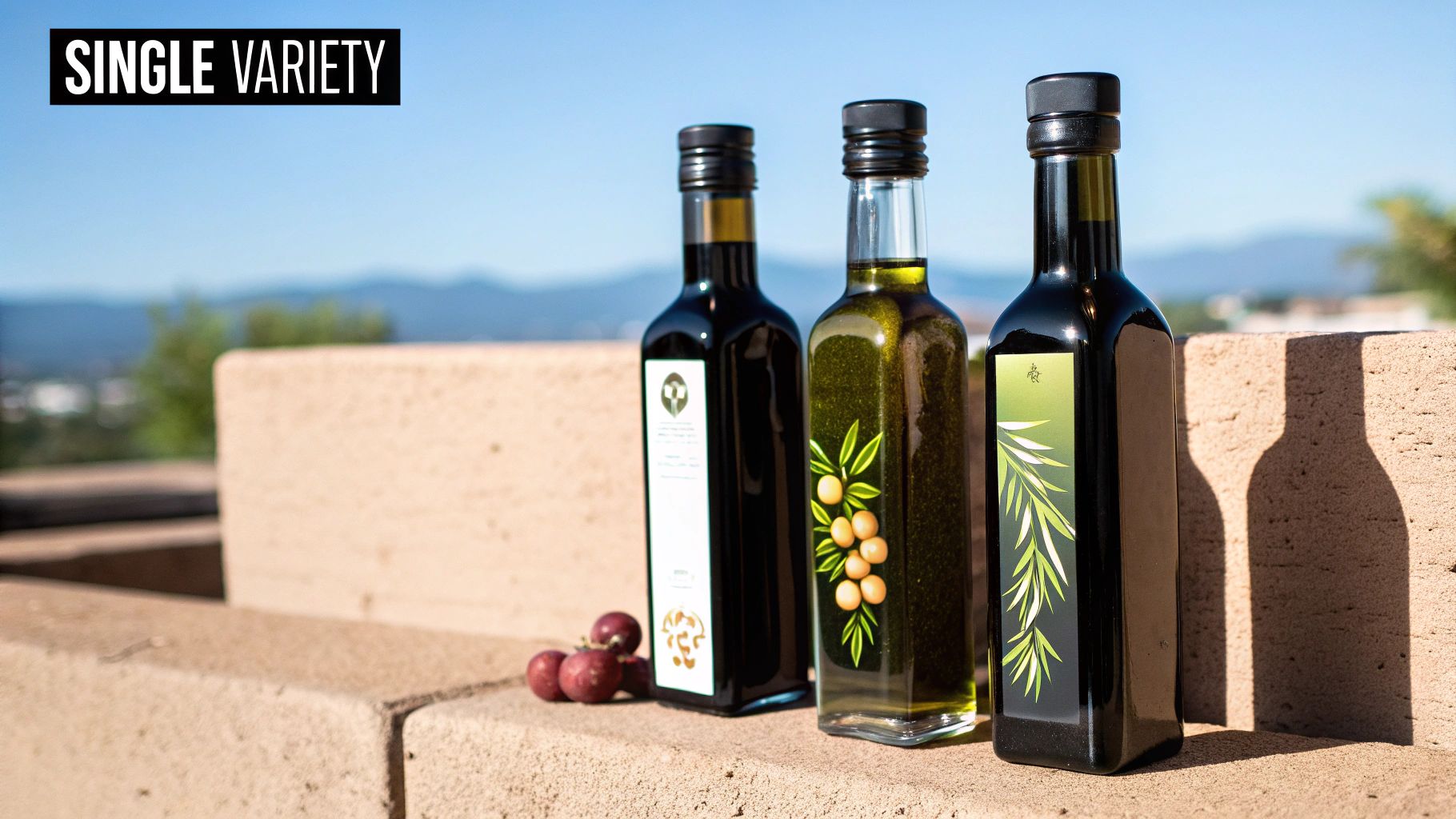
The beauty of single-variety olive oils lies in their ability to showcase the terroir, or the environmental factors, of specific growing regions. Just as the soil, climate, and altitude influence the flavor of wine grapes, these factors also play a significant role in shaping the characteristics of olives. Therefore, a Picual olive grown in Spain will exhibit different nuances compared to a Picual grown in Australia. This allows olive oil enthusiasts to experience the subtle differences in flavor profiles attributed to specific geographical locations. Furthermore, monovarietal oils are often produced with extra virgin quality standards, signifying the highest grade of olive oil with exceptional flavor and aroma, derived solely from mechanical means without the use of heat or chemical solvents.
The distinct flavor profiles offered by single-variety oils open up exciting possibilities in the kitchen. For instance, the Arbequina olive, primarily cultivated in Spain, yields an oil known for its mild, buttery flavor, making it ideal for delicate dishes like salads and fish. On the other hand, the robust, peppery notes of Picual olive oil, also common in Spain, stand up well to heartier fare such as red meats and stews. Frantoio, an Italian variety, produces an oil with a fruity, spicy character, excellent for dipping bread or drizzling over roasted vegetables. Lastly, the Koroneiki olive, prominent in Greece, gives rise to an intensely herbaceous oil, perfect for adding a bold flavor dimension to Mediterranean cuisine. These examples clearly demonstrate the diverse flavor spectrum within single-variety olive oils and how they can elevate culinary experiences.
While the unique flavor profiles of single-variety olive oils are a significant advantage, there are also some considerations. These oils tend to be more expensive than blended oils due to the specialized production process and limited availability of certain varieties. The intense flavor of some varieties may not be suitable for all types of cooking. Moreover, seasonal availability can restrict access to certain varieties throughout the year. Finally, selecting the right single-variety oil requires some knowledge of the different cultivar characteristics.
For those venturing into the world of single-variety olive oils, some tips can enhance the experience. Researching variety characteristics before purchasing can help you choose an oil that aligns with your palate and intended use. Starting with milder varieties like Arbequina can be a good introduction before exploring more robust options. Pairing specific varieties with complementary foods can elevate the flavors of both the oil and the dish. For example, the peppery bite of a Picual olive oil can beautifully complement a grilled steak, while the buttery smoothness of Arbequina can enhance the delicate flavors of a fresh salad.
The increasing popularity of single-variety olive oils can be attributed to specialty olive oil producers, gourmet food stores, sommeliers, Mediterranean agricultural cooperatives, and culinary schools that emphasize olive oil appreciation. They educate consumers about the differences in olive oil types and the unique characteristics of various olive cultivars. By understanding these differences, consumers can fully appreciate the complexity and versatility of olive oil, transforming it from a simple cooking ingredient to a culinary adventure.
6. Estate/Single-Origin Olive Oil: A Taste of Terroir
When exploring the fascinating world of olive oil and the differences in olive oil types, the concept of "estate" or "single-origin" olive oil stands out as a testament to quality, traceability, and the expression of unique terroir. Similar to the wine industry, where the concept originated, single-origin olive oil emphasizes the connection between the land, the olive variety, and the producer's craftsmanship. It represents a commitment to controlling every step of the production process, from the cultivation of the olives to the final bottling of the oil. This meticulous approach allows for unparalleled quality control and results in olive oils that reflect the specific characteristics of their origin.
So, how does this work in practice? Estate-produced olive oil means that all olives used in the oil come from a single estate or farm. The entire process, including growing, harvesting, pressing, and bottling, occurs on that property. This closed-loop system ensures complete oversight and allows producers to maintain the highest standards at every stage. This differs significantly from oils that may source olives from multiple farms or even different regions, potentially blending various qualities and flavors. The traceability inherent in estate-produced oils provides transparency and allows consumers to understand the origin and production methods of their olive oil.
This dedicated approach often translates to small-batch production, further emphasizing the care and attention given to each bottle. The result is an olive oil that truly captures the unique terroir, or the environmental factors, including soil, climate, and topography, that influence the olive's flavor profile. Just like wines from different regions express distinct characteristics, single-origin olive oils can showcase a remarkable range of flavors, from grassy and peppery to fruity and buttery.
The advantages of choosing estate olive oil are numerous. The most prominent is the superior quality control afforded by the closed production system. Producers have complete control over every aspect, from olive variety selection to harvesting time and milling techniques. This results in oils that consistently meet high standards of freshness and flavor. The direct connection to the producer also offers consumers greater insight into the production process and often allows for a deeper appreciation of the final product. Furthermore, many estate producers prioritize sustainable and ethical practices, further enhancing the appeal of their oils.
Examples of exceptional estate-produced olive oils highlight the global reach of this approach. McEvoy Ranch in California offers award-winning oils that showcase the unique terroir of the Petaluma Gap. Castelines Estate in France produces elegant oils reflecting the Provençal landscape. From the heart of Tuscany, Bondolio Estate crafts robust and flavorful oils. Even further afield, Boundary Bend Estate in Australia demonstrates the potential for exceptional olive oil production in diverse climates.
However, like any specialized product, estate olive oils come with certain considerations. The small-scale production and meticulous methods often result in premium pricing. Limited quantities and seasonal availability can also be factors, especially for highly sought-after oils. The flavor profile of a single-origin oil may vary slightly from year to year due to changing growing conditions, which can be seen as a testament to its natural origin. Finally, purchasing from international estates may involve higher shipping costs.
For discerning consumers seeking the highest quality and unique flavor experiences, the extra effort involved in sourcing estate olive oil is well worth it. Here are some tips for navigating the world of estate-produced oils:
- Research the estate's reputation and practices: Look for information about their farming methods, milling techniques, and commitment to quality.
- Look for harvest date information: This indicates the freshness of the oil.
- Consider joining estate mailing lists: Stay informed about new releases and special offers.
- Visit estates when traveling: Experience the production process firsthand and purchase directly from the source.
The rising popularity of estate olive oil can be attributed to several factors, including the growing farm-to-table movement, the influence of the wine industry's focus on terroir, and the increasing demand for high-quality, traceable food products. Luxury food retailers and specialty stores have also played a role in showcasing these exceptional oils to a wider audience.
Ultimately, choosing an estate olive oil is about more than just selecting a premium product; it's about embracing the story behind the oil, appreciating the nuances of terroir, and supporting producers who are dedicated to crafting exceptional olive oils. By understanding the differences in olive oil types, you can make informed choices that elevate your culinary experiences and enhance your appreciation for this ancient and versatile ingredient.
Olive Oil Types Comparison Guide
| Olive Oil Type | 🔄 Implementation Complexity | ⚡ Resource Requirements | 📊 Expected Outcomes | 💡 Ideal Use Cases | ⭐ Key Advantages |
|---|---|---|---|---|---|
| Extra Virgin Olive Oil (EVOO) | Cold mechanical pressing, low acidity (<0.8%) | High-quality olives, careful handling, storage | Superior flavor, high antioxidants, anti-inflammatory | Salad dressings, drizzling, low-heat cooking | Rich flavor, highest nutrition, versatile uses |
| Virgin Olive Oil | Mechanical extraction, acidity 0.8%-2% | Moderate-quality olives, less restrictive control | Good flavor, moderate antioxidants | Everyday cooking, sautéing, baking, marinades | Affordable, balanced quality and price |
| Refined Olive Oil | Chemical and heat treatment to remove defects | Chemical processing facilities | Neutral flavor, higher smoke point, lower nutrition | High-heat frying, baking, neutral-flavor dishes | High smoke point, consistent quality |
| Light/Extra Light Olive Oil | Highly refined, minimal flavor | Intensive refining and bleaching | Very mild taste, highest smoke point, minimal nutrients | High-heat frying, baking, delicate dishes | Extremely high smoke point, neutral taste |
| Single-Variety Olive Oil | Mechanical pressing from one olive variety | Single cultivar sourcing, specialized production | Unique, consistent flavor reflecting cultivar terroir | Gourmet cooking, tasting, pairing, gifts | Distinctive flavors, educational, traceable |
| Estate/Single-Origin Olive Oil | Single-farm olives with controlled processing | Small-batch, estate-scale quality management | High quality, terroir expression, fresher product | Special occasions, gifts, sustainable choices | Premium quality, traceability, sustainability |
Making the Right Olive Oil Choice
Understanding the differences in olive oil types empowers you to make informed decisions in the kitchen and beyond. From the nuanced flavors of extra virgin olive oil (EVOO) and virgin olive oil to the versatility of refined and light olive oils, each type boasts unique characteristics suited to specific culinary applications. Remember that factors like acidity levels, extraction methods, and even olive varietals (as seen in single-variety and estate olive oils) contribute significantly to the final product. Mastering these differences in olive oil types isn't just about becoming a more savvy shopper; it's about elevating your culinary creations, maximizing health benefits, and appreciating the rich heritage of olive oil production. By choosing the right oil, you're not just enhancing the flavor of your food, you’re investing in quality and taste.
Want to explore the world of premium olive oils further and refine your understanding of the differences in olive oil types? Deepen your olive oil expertise with Learn Olive Oil, your comprehensive guide to discovering the nuances of olive oil from around the globe. Discover the perfect olive oil for your needs and unlock a world of flavor!

 Learn Olive Oil
Leave a comment