The Sensory Adventure of Olive Oil Tasting
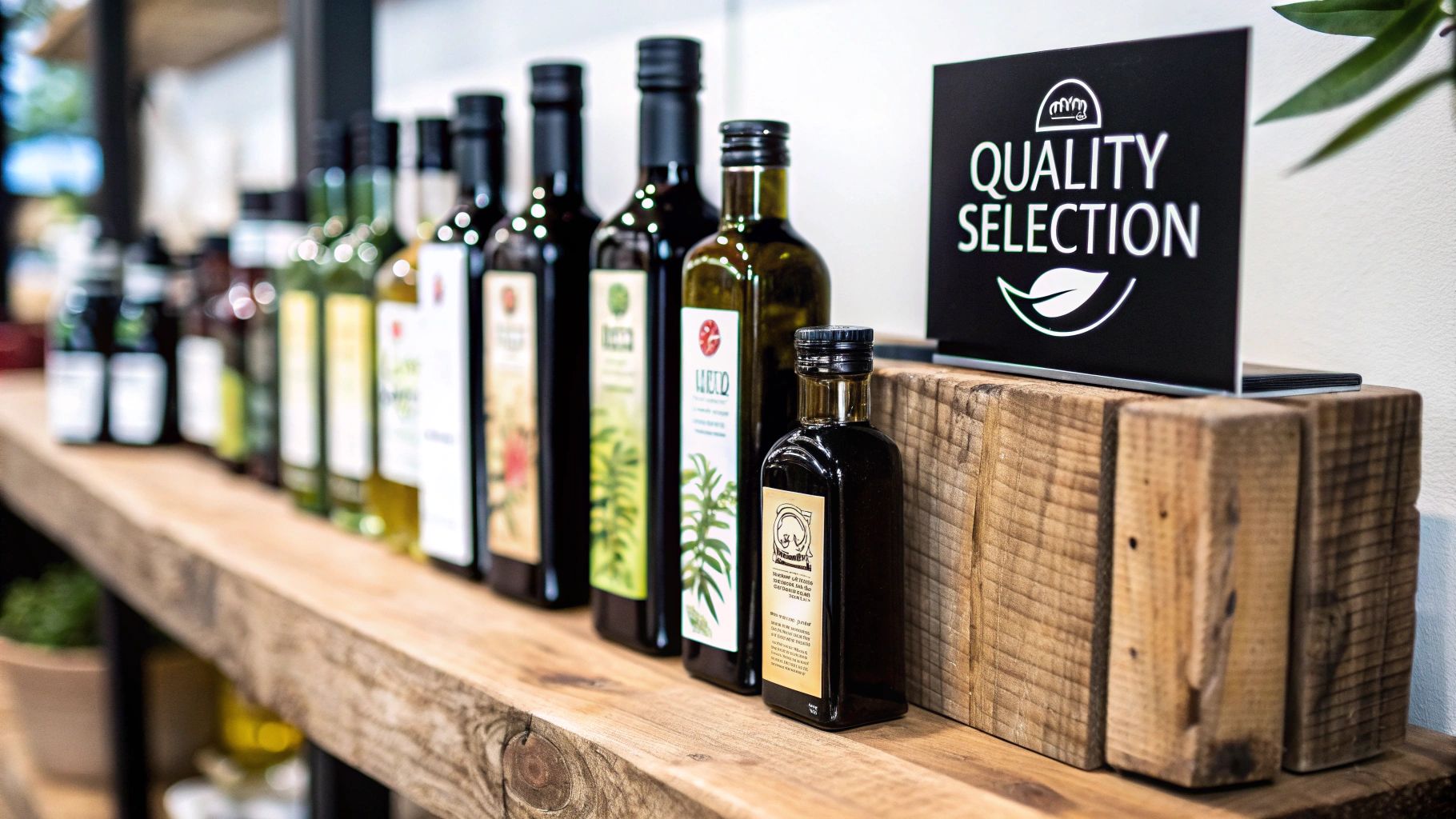
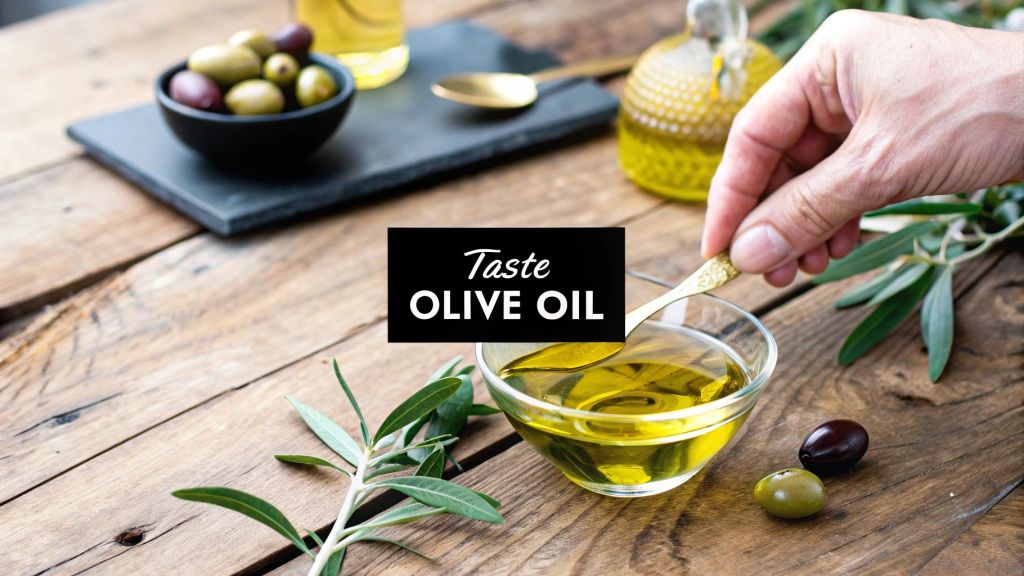
Tasting olive oil is a sensory experience rich in history and cultural significance. It's more than just a finishing touch to a dish; it's an exploration of flavor and a tribute to the craftsmanship behind this "liquid gold." We'll delve into the traditions that have shaped modern olive oil tasting, tracing its evolution from ancient practices to the standardized methods used around the world.
From Mediterranean Roots to Global Standards
The formal art of olive oil tasting originated in the Mediterranean, particularly in countries like Spain, Italy, and Greece. These countries have some of the highest olive oil consumption rates globally. Greece leads with an annual per capita consumption of 24 liters, followed by Spain at 15 liters, and Italy at 13 liters. This deeply ingrained tradition has profoundly influenced the development of professional tasting protocols now embraced internationally. For those interested in optimizing their kitchen layout for such culinary pursuits, Mastering Kitchen Efficiency Layout provides valuable insights.
The International Olive Council (IOC), founded in Madrid in 1959, exemplifies this standardization by establishing official tasting benchmarks for extra virgin olive oil. Remarkably, only 10–15% of global olive oil production meets the rigorous chemical and sensory requirements for the coveted "extra virgin" classification. Learn more about olive oil.
The Importance of Proper Evaluation
Understanding the nuances of olive oil tasting fundamentally alters your perspective on this kitchen essential. Much like a wine connoisseur discerns the complexities of a vintage, a trained olive oil taster can identify subtle flavor profiles and indicators of quality. This ability to evaluate oils empowers you to select the best options for different culinary applications, elevating your cooking and overall dining experience.
Why Tasting Matters
Master tasters often compare olive oil tasting to appreciating fine wine. It’s a skill developed over time, requiring dedicated practice and sensory engagement. Unlike wine, however, olive oil doesn't improve with age; freshness is key. This makes proper tasting crucial for ensuring you enjoy the oil at its peak flavor and quality.
By understanding the standards set by organizations like the IOC, you can confidently navigate the diverse world of olive oil. This knowledge allows you to select high-quality oils and truly appreciate the unique characteristics of each, transforming everyday meals into a celebration of flavor.
Creating Your Perfect Tasting Environment
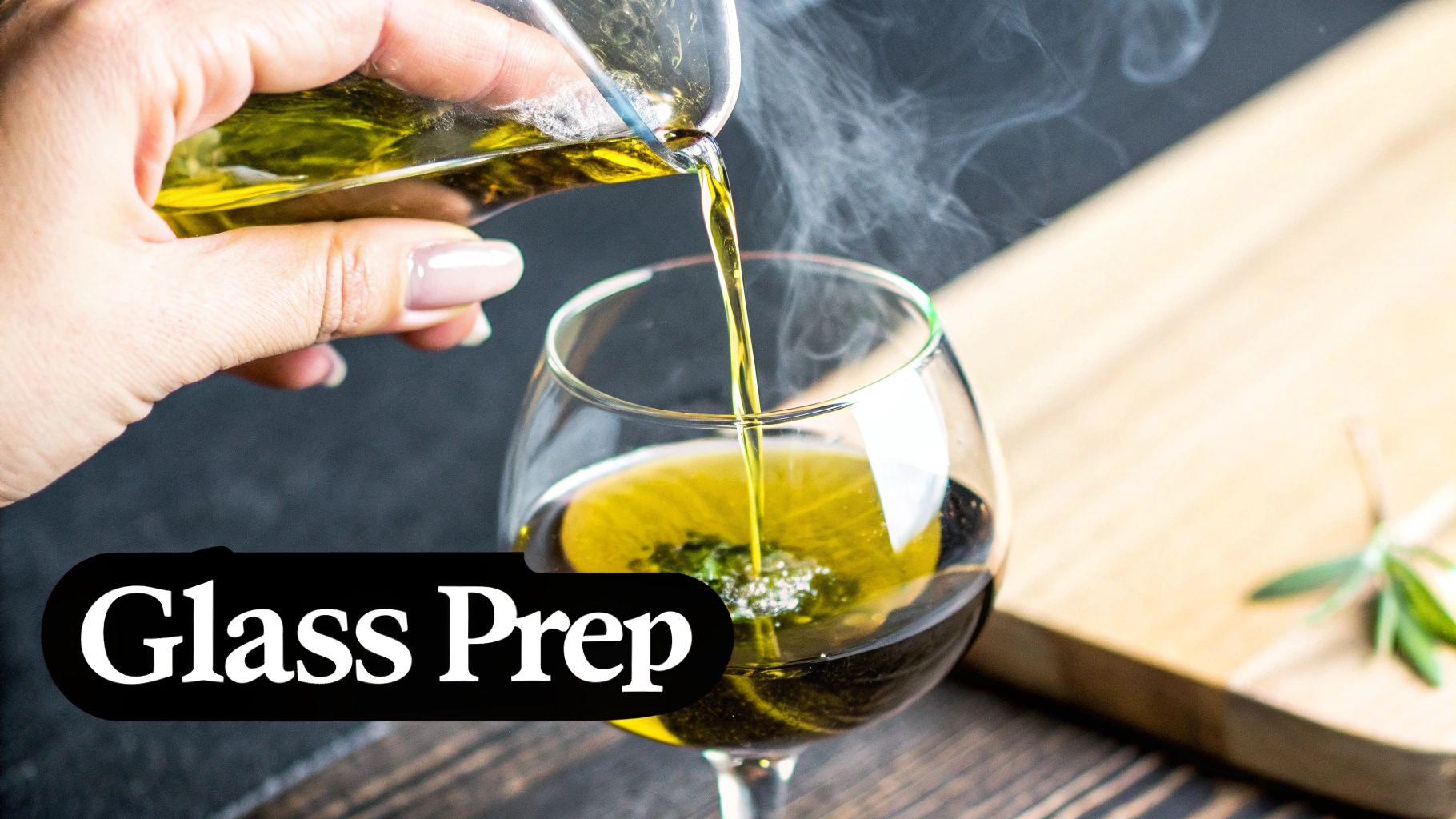
The journey to becoming an olive oil connoisseur involves more than just understanding tasting techniques. Creating the right environment is equally important. Much like the controlled setting needed to appreciate fine wine, the right conditions significantly influence your perception of olive oil's subtle nuances. Factors like temperature, lighting, and even the vessels you use can either enhance or detract from the experience.
Temperature: The Key To Unlocking Aroma and Flavor
Serving wine at the wrong temperature can mute its delicate bouquet. Similarly, olive oil's temperature dramatically affects how its aromas and flavors come through. Experts, and especially olive oil competition judges, stress the importance of temperature control. The ideal temperature for tasting sits around 28°C (82°F). This specific range allows the oil's volatile compounds, responsible for its aroma, to release properly. A chilled oil mutes its fragrance, hiding fruity, floral, or herbal notes. Overly warm oil, conversely, can have an exaggerated aroma that masks the flavor balance.
Lighting and Visual Bias: The Science of Blue Glass
Olive oil's color can be deceiving. While visually appealing, the shade doesn't always indicate quality. To avoid visual bias, professional tasters use standardized blue tasting glasses. The blue effectively hides the oil's color, allowing for an objective sensory evaluation. Don't worry if you don’t have blue glasses at home. Small, opaque cups work just as well, letting you focus solely on the aroma and taste. This allows you to develop a true understanding of how to taste olive oil.
Minimizing Distractions: Preparing Your Palate
Preparing your palate is as essential as setting up the physical environment. Just as you wouldn't taste wine after a strongly flavored meal, you need to cleanse your palate before olive oil tasting. Avoid coffee, strong teas, or anything with a lingering aftertaste. Neutral foods like plain bread or water are best for resetting your taste buds. Minimizing other sensory distractions like strong perfumes or competing aromas also helps you fully appreciate the oil's subtle flavors.
To help you prepare for your next tasting, we've put together a comparison of the ideal tools used by professionals and some readily available alternatives for the home taster:
Essential Olive Oil Tasting Tools: A comparison of professional tasting equipment versus everyday household alternatives
| Professional Tool | Purpose | Home Alternative | Setup Tips |
|---|---|---|---|
| Standardized blue tasting glasses | Masks the oil's color to prevent visual bias | Small, opaque cups or bowls | Ensure the cups are clean and free of any residual odors. |
| Temperature-controlled environment | Maintains the ideal temperature (28°C/82°F) for optimal aroma release | Room temperature setting, away from direct sunlight or heat sources | Use a thermometer to check the ambient temperature. If needed, gently warm the oil in a bowl of warm water. |
| Neutralizing agents (plain bread, water) | Cleanses the palate between tastings | Plain bread, water | Have these readily available during the tasting. |
| Aroma wheel | Helps identify and describe specific aroma notes | Online aroma wheels or tasting notes | Familiarize yourself with common olive oil aromas beforehand. |
This table highlights the key differences and similarities between professional tasting setups and what you can easily achieve at home. While specialized equipment offers precision, the core principles can be replicated with everyday items. The key is to control the variables as much as possible to ensure an accurate and enjoyable tasting experience.
Arranging Samples For Optimal Learning
Arrange olive oil samples systematically for a truly comparative experience. When tasting multiple oils, start with milder flavors and progress to more robust ones. This approach prevents your palate from being overwhelmed and allows you to notice subtle differences. Using small, unmarked containers also eliminates bias, focusing your attention on the sensory experience alone. By carefully controlling these factors, you can refine your ability to distinguish quality in olive oil, ultimately transforming how you select and enjoy this culinary treasure.
Mastering the 4-S Tasting Method Like Experts Do
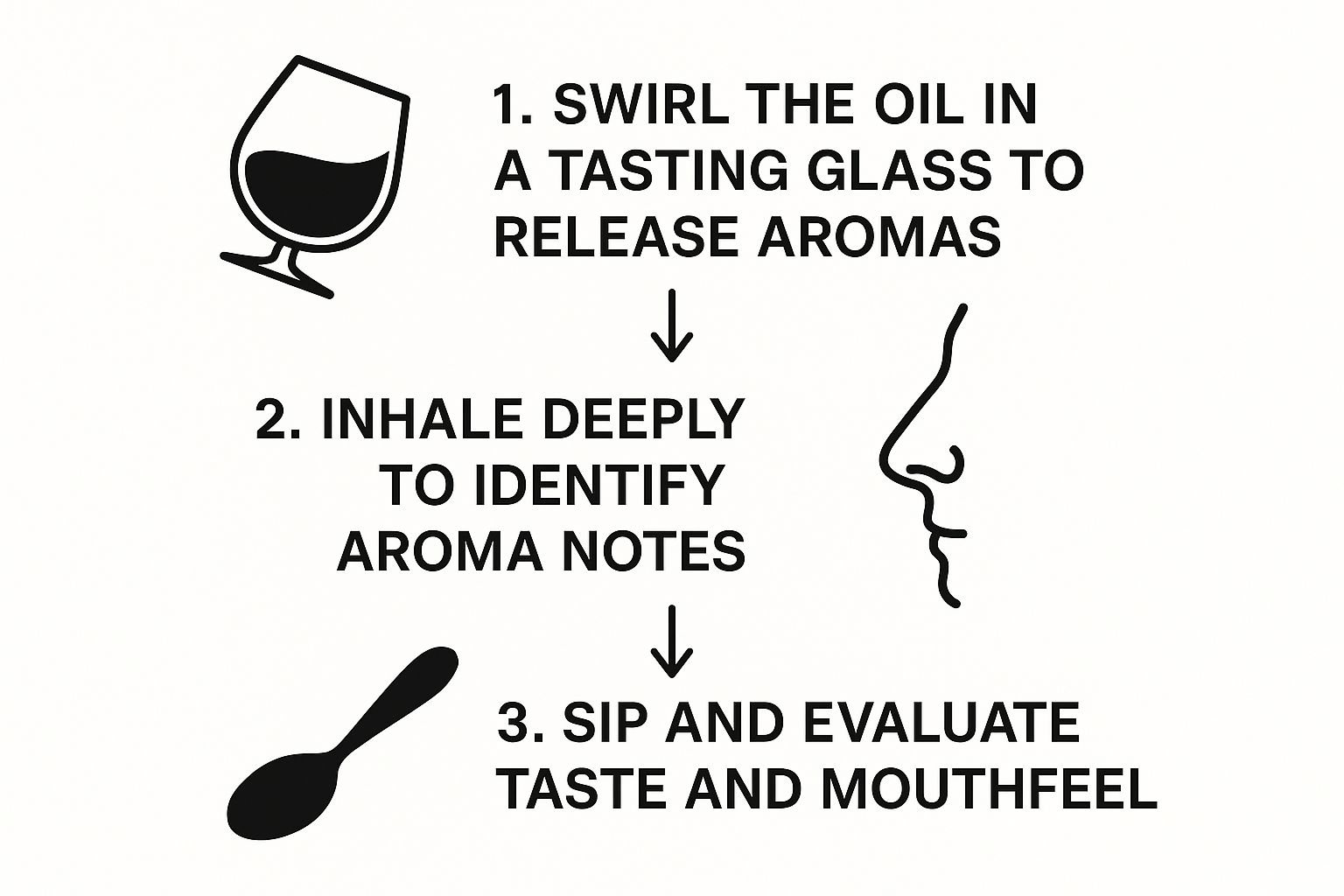
This infographic illustrates the three fundamental steps involved in olive oil tasting: swirling, smelling, and sipping. Performed correctly, these actions unlock the oil's full sensory potential. The infographic presents a clear progression, highlighting the importance of each stage. By following these steps, tasters can deepen their understanding of the oil's unique characteristics.
Now that you've set up the perfect tasting environment, let's explore how professionals taste olive oil. The 4-S method—Swirl, Sniff, Slurp, and Swallow—is the gold standard used by experts worldwide. This technique helps systematically analyze an oil's aroma, flavor, and texture.
Swirl: Releasing the Aromatic Compounds
Gently swirl the oil in your tasting glass to warm it and release its volatile aromatic compounds. This is similar to swirling wine. This first step prepares your sense of smell for what's next. Think of it as awakening the oil's unique profile.
Sniff: Identifying the Aroma Notes
Bring the glass to your nose and inhale deeply to identify the oil's aroma notes. Depending on the variety and origin, you might detect fruity, floral, grassy, or even nutty scents. This stage provides crucial first impressions.
Slurp: Distributing the Oil Across Your Palate
Here's where the true "tasting" begins. Take a small sip and vigorously slurp, drawing air across your tongue. This technique might seem unusual, but it's vital for distributing the oil across your palate. The combination of air and oil intensifies the flavors, allowing you to perceive the full spectrum of sensations. In professional settings, panels of 8–12 trained assessors evaluate oils for positive and negative attributes. They follow strict guidelines, including controlled temperatures and blue glass cups to maintain objectivity. Learn more about olive oil tasting panels.
Swallow: Evaluating the Aftertaste
Finally, swallow a small amount to evaluate the aftertaste. This reveals the oil’s pungency, often described as a peppery sensation in the throat. This lingering impression adds to the oil’s overall complexity and provides insights into its quality. Professionals can even detect nuances related to harvest times and their impact on the flavor profile.
By practicing the 4-S method, you'll refine your senses and gain a deeper appreciation for the complexities of olive oil. This systematic approach helps you develop a more objective understanding of quality. You'll be able to confidently choose the best oils for your culinary endeavors.
Decoding Flavor Profiles That Define Quality
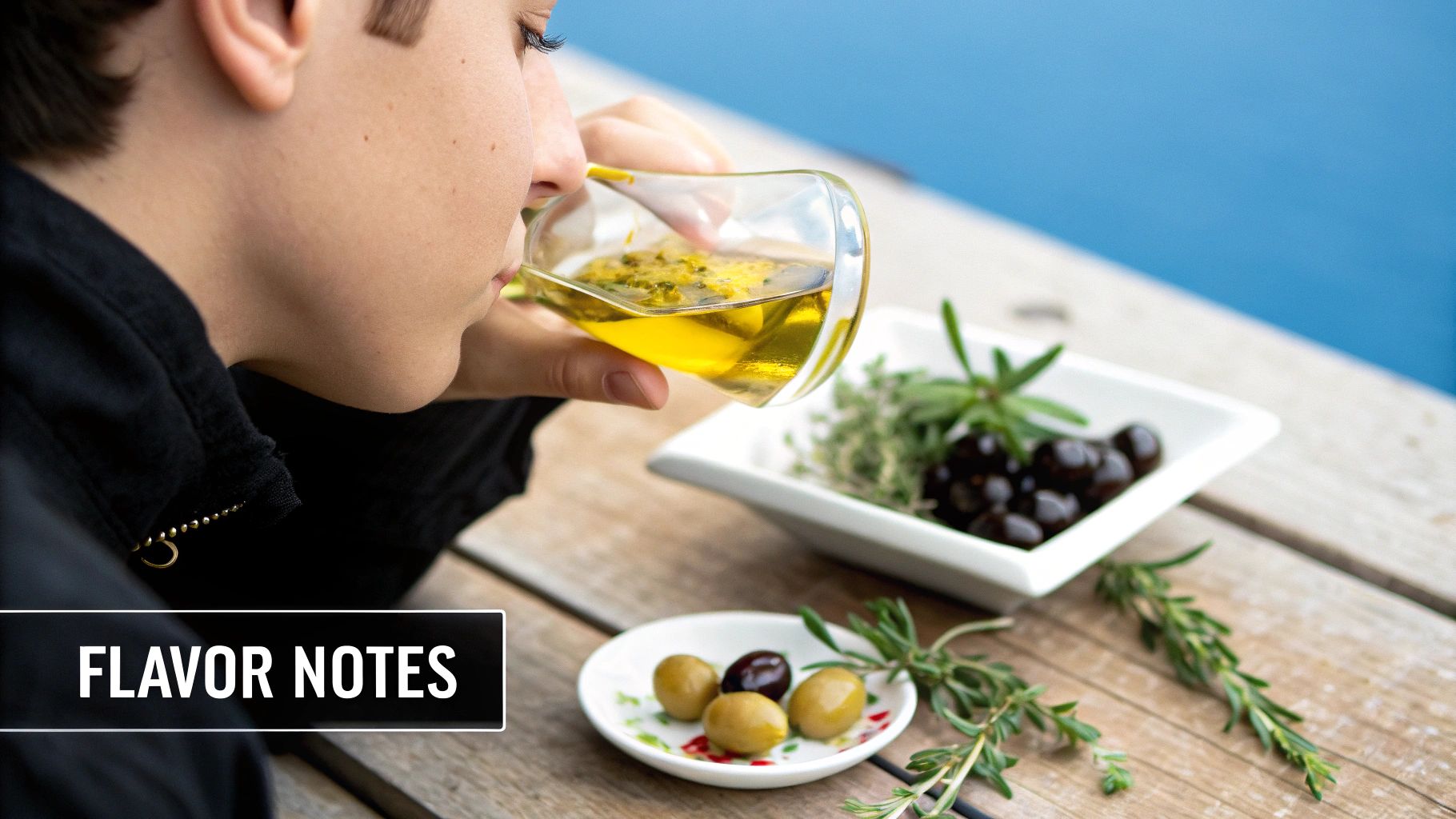
Learning to truly appreciate olive oil involves more than just a simple taste. It's about deciphering the language of its flavor profile, a direct reflection of the oil's inherent quality. Much like a musician discerns individual notes, a developed palate learns to identify the specific attributes that signify exceptional olive oil.
The Cornerstones of Quality: Fruitiness, Bitterness, and Pungency
Three key positive attributes define high-quality olive oil: fruitiness, bitterness, and pungency. Fruitiness, aptly named, embodies the aroma and taste of fresh olives. This can encompass a spectrum from green, grassy notes to ripe, almost sweet undertones. Bitterness, sensed at the back of the tongue, is a desirable trait, especially in oils crafted from early-harvest olives. Lastly, pungency, that distinct peppery sensation in the back of the throat, indicates the presence of beneficial polyphenols.
These attributes should exist in harmony. A balanced interplay of fruitiness, bitterness, and pungency delivers a complex and delightful sensory experience. For instance, an intensely bitter oil can be complemented by robust fruitiness and a noticeable pungency.
Recognizing Defects: A Sign of Quality Degradation
While positive attributes signal high quality, defects reveal issues in production or storage. Common defects include rancidity (a stale, cardboard-like taste), fustiness (a musty, almost basement-like odor), and mustiness (a damp, moldy scent). These flaws often stem from factors like poor olive handling, improper storage conditions, or oxidation.
Even minor defects diminish the oil's quality and overall enjoyment. Recognizing these off-flavors is essential for selecting superior oils. This skill also equips you to properly store your oils at home, preserving their freshness and preventing quality decline.
Regional and Varietal Characteristics: Unlocking the Oil's Origin
Just as terroir shapes the character of wine, the region and olive variety significantly influence an oil’s flavor profile. Tuscan oils, for example, often display herbaceous and peppery notes, while Spanish Arbequinas lean towards smoother, fruitier flavors. As your tasting abilities grow, you'll begin to associate particular flavor profiles with their geographic origins.
This knowledge empowers you to choose oils based on regional preferences and explore the remarkable diversity within the world of olive oil. It's similar to a seasoned traveler recognizing familiar landmarks, only in this case, they are landmarks of flavor.
From Acceptable to Exceptional: Refining Your Palate
Discerning between an acceptable olive oil and a truly exceptional one requires practice and a refined sensory awareness. Similar to expert wine tasters who identify subtle nuances, you too can train your palate to appreciate the complexities of olive oil.
The following table, "Olive Oil Flavor Profile Guide", details the key flavor attributes and their significance, offering a classification of common positive and negative characteristics.
Olive Oil Flavor Profile Guide
| Attribute Category | Specific Flavors | Sensation Description | Quality Indication |
|---|---|---|---|
| Fruitiness | Green apple, ripe banana, almond | Aroma and flavor of fresh olives | Positive attribute; indicates freshness and varietal character |
| Bitterness | Artichoke, green tea | Detected at the back of the tongue | Positive attribute; indicates presence of antioxidants |
| Pungency | Pepper, chili flakes | Peppery sensation in the throat | Positive attribute; indicates presence of healthy polyphenols |
| Rancidity | Cardboard, stale nuts | Stale, oxidized flavor | Negative attribute; indicates improper storage or processing |
| Fustiness | Musty, basement-like smell | Aroma of fermented olives | Negative attribute; indicates poor olive handling |
| Mustiness | Damp, moldy aroma | Aroma of moldy olives | Negative attribute; indicates poor hygiene in processing |
By cultivating this vocabulary and actively engaging your senses, you'll transform abstract concepts into tangible experiences. You'll confidently select oils that meet your quality standards, enriching your cooking and enhancing your appreciation for this remarkable ingredient.
Inside the World of Elite Olive Oil Competitions
The olive oil you find in your local grocery store isn't just a product; it's often the result of a rigorous selection process determined by international olive oil competitions. These competitions, often judged by certified olive oil sommeliers, significantly impact the industry by establishing global quality benchmarks and driving producers toward excellence. They've come a long way, evolving from local harvest celebrations to powerful forces shaping the future of olive oil.
From Local Tradition to Global Benchmark
Olive oil competitions began as local showcases, highlighting the finest oils from a specific region. As appreciation for high-quality olive oil spread, so did the scope of these competitions. Now, they attract entries from around the world. This growth reflects a broader shift in consumer behavior, where understanding the nuances of olive oil tasting is increasingly valued. Major competitions like the NYIOOC World Olive Oil Competition and the Olive Japan awards draw entries from over 30 countries each year.
The NYIOOC, for example, received a record 1,244 entries in 2024, marking a 20% increase since its inception. This data highlights the expanding market for premium, expertly-judged olive oils, reaching consumers beyond traditional Mediterranean markets. Interestingly, the United States, with a relatively low per capita consumption of just 1 liter, consumes a significant volume globally. It ranks as the third-largest consumer, representing approximately 9% of world consumption, or around 300,000 metric tons annually. You can find detailed consumption statistics here.
Deciphering Medal Designations and Quality
The medals awarded – Gold, Silver, and Bronze – denote varying degrees of quality and flavor excellence. A Gold Award signifies an oil exceeding stringent sensory and chemical composition standards, often surpassing even the "extra virgin" requirements. Silver and Bronze awards also recognize high-quality oils, potentially with slightly less intense or complex flavor profiles. These awards offer valuable guidance for consumers navigating the complexities of olive oil labeling.
The Rise of the Olive Oil Sommelier
Certified olive oil sommeliers play a vital role in elevating industry standards. These specialists possess in-depth knowledge of olive oil production, flavor profiles, and tasting methodologies. Their involvement in competitions and advocacy for quality contribute to olive oil’s growing recognition as a complex culinary ingredient. They educate consumers on how to taste, appreciate the diverse flavors, and understand the value of olive oil.
Making Informed Purchasing Decisions
Understanding elite olive oil competitions empowers consumers to make informed choices. Competition results provide insights into top-performing oils, assisting you in selecting oils aligned with your preferences and culinary needs. Looking for award-winning oils from reputable competitions can be a reliable way to identify quality. This approach allows you to discover exceptional olive oils, unlocking a world of flavor and potential health benefits. By appreciating the dedication of producers and judges, you gain a deeper respect for the craft of olive oil production.
Hosting a Tasting Event That Actually Impresses
Transform your newfound olive oil tasting expertise into a memorable event. This guide provides everything needed to host an olive oil tasting that’s both educational and enjoyable. We'll cover oil selection, creating professional tasting materials, and designing a tasting sequence that will impress your guests.
Selecting Your Olive Oils: A Showcase of Flavor
The tasting's success depends on choosing the right oils. Select a variety to showcase different flavor profiles. Include oils with varying intensities of fruitiness, bitterness, and pungency, the hallmarks of quality olive oil.
For example, you might include a delicate Arbequina alongside a more robust Picual. This allows guests to experience the spectrum of olive oil flavors. Consider a flavored olive oil, like lemon or basil, for an interesting twist.
Creating a Professional Tasting Setup
Mimic a professional setup to enhance the experience. Provide small, opaque cups to avoid visual bias, similar to the blue glasses used by experts. Maintain a consistent temperature of around 28°C (82°F) to allow the oils’ aromas to fully develop.
Remember palate cleansers like plain bread or water between tastings. These touches add professionalism and improve tasting accuracy.
Designing a Progressive Tasting Sequence
Guide your guests through a progressive tasting experience. Start with milder oils, gradually introducing more intense flavors. This prevents palate fatigue and highlights subtle differences.
For each oil, encourage the 4-S method: Swirl, Sniff, Slurp, and Swallow. Explain each step's significance, highlighting its contribution to sensory evaluation.
Engaging Your Guests: Interactive Elements
Make your tasting interactive. Prepare tasting notes or flavor wheels to help guests identify aromas and flavors. Encourage them to share impressions and discuss the oils.
Consider a blind tasting where guests identify oils without knowing their origin or variety. A playful competition or quiz can further enhance engagement.
Food Pairings That Enhance, Not Overwhelm
While olive oil is the focus, complementary pairings can elevate the tasting. Offer simple, neutral foods like plain bread or crackers to cleanse the palate.
You can also introduce pairings enhancing specific flavors. For instance, a mild, fruity oil might pair well with fresh mozzarella, while a robust oil complements grilled vegetables. Avoid overwhelming the palate; enhance the olive oil, don't overshadow it.
Timing, Portions, and Presentation: The Finishing Touches
Consider logistical details for a smooth event. Allow ample time for tasting and discussion – typically 15-20 minutes per oil. Serve small portions (about 15ml (1 tablespoon)) to avoid palate overload.
Pay attention to presentation. Arrange the oils and materials attractively. A well-organized and aesthetically pleasing setup enhances the overall experience. Following these tips creates a sophisticated and memorable olive oil tasting event that will impress your guests.
Bringing Tasting Skills Into Your Everyday Kitchen
The journey of olive oil tasting extends beyond formal evaluations. The true reward lies in using these newfound skills to enhance your everyday cooking. This means moving from the analytical setting of a tasting to the practical application in your kitchen. By understanding how flavor profiles interact with ingredients and cooking methods, you'll unlock a new level of culinary creativity.
Smarter Purchasing Decisions: Quality Over Quantity
Developing a discerning palate directly impacts your purchasing decisions. Once you distinguish between high-quality extra virgin olive oil and a subpar oil, you’ll prioritize quality over quantity. This allows you to appreciate the value of premium olive oil and make informed choices that benefit both your palate and your health.
Culinary Alchemy: Pairing Flavors and Cooking Techniques
Similar to selecting the right wine pairing, understanding how olive oil’s flavor characteristics interact with various foods is essential. For instance, a robust, peppery olive oil can elevate the flavors of grilled meats or hearty vegetables. A delicate, fruity oil might perfectly complement fresh salads or delicate fish. Different cooking techniques also call for specific olive oil qualities. High-heat cooking requires an oil with a higher smoke point, while finishing oils enhance dishes with their subtle flavor.
This thoughtful approach extends to overall kitchen efficiency. When hosting an olive oil tasting, consider the convenience of disposable catering supplies.
Preserving Freshness: Optimal Storage Methods
Unlike wine, olive oil doesn't improve with age. Freshness is key. Proper storage is vital to protect the delicate flavor profiles you’ve carefully chosen. Store your olive oil in a cool, dark place, away from heat and light. This preserves the oil's freshness and quality, ensuring the best flavor in every dish. Consider dark-colored bottles or cupboard storage to minimize light exposure.
From Simple to Sublime: Elevating Everyday Dishes
The impact of appreciating quality olive oil extends to every aspect of cooking. From simple vegetables to complex dishes, the right olive oil can transform a meal. A drizzle of high-quality extra virgin olive oil over roasted vegetables enhances their natural sweetness. A finishing touch of flavored olive oil elevates a simple pasta dish to gourmet status. Interestingly, despite its culinary prominence worldwide, a tiny fraction of olive oil undergoes formal tasting. Less than 0.05% of the 2.7 million metric tons produced globally is officially tasted in international competitions. Most olive oil is used in home kitchens, particularly in countries like Greece, Spain, and Italy, where it accounts for 40–50% of the culinary oil used daily. Find more detailed statistics here: https://bulkbycho.com/global-olive-oil-consumption-increasing/
Integrating Tasting into Your Routine
Integrating olive oil tasting into your routine doesn’t require elaborate preparations. A simple sniff and a conscious awareness of the flavors as you cook will do. This mindful approach helps you appreciate the nuances of different oils and enhances your overall cooking experience. As you experiment, you’ll discover your preferences and deepen your understanding of how olive oil contributes to a dish's success.
Real-World Inspiration: From Chefs to Home Cooks
Chefs and passionate home cooks recognize the power of quality olive oil. They understand it’s not merely a cooking medium, but a key ingredient that adds complexity and depth. By emulating their attention to detail, you too can unlock new levels of flavor in your own kitchen.
Start your olive oil journey today with Learn Olive Oil (https://learnoliveoil.com). Discover the secrets to choosing, tasting, and using premium olive oil to enhance your culinary creations and embrace a healthier lifestyle. Explore their resources to transform your relationship with this remarkable ingredient and elevate your cooking.
 Learn Olive Oil
Leave a comment