Decoding Extra Virgin Olive Oil Quality Standards
Extra virgin olive oil (EVOO) often comes with a higher price tag. But what makes it worth the extra cost? Understanding EVOO quality standards helps you distinguish true quality from marketing hype. These standards go beyond personal taste and focus on specific chemical and sensory parameters. This knowledge helps you choose the best extra virgin olive oil for your cooking and your health.
Chemical Parameters: The Science of EVOO Quality
Several chemical parameters determine EVOO quality. Free acidity, measuring the breakdown of fatty acids in the oil, must be below 0.8% for extra virgin classification. Low acidity indicates freshness and careful handling. Peroxide value, which measures oxidation, should also be low. This shows the oil hasn't been exposed to too much heat or light. These factors directly affect the oil's flavor, aroma, and how long it stays fresh.
Sensory Evaluation: Experiencing EVOO Quality
Chemical analysis provides objective data, but sensory evaluation captures the subtle qualities of exceptional EVOO. Trained tasters evaluate the oil's fruitiness, bitterness, and pungency. Fruitiness describes the aroma and flavor of fresh olives. Bitterness and pungency describe the peppery sensations at the back of the throat. These characteristics, derived from the specific olive varieties and the region where they're grown (terroir), contribute to the oil's complexity and appeal.
The infographic below compares these metrics across extra virgin, virgin, and refined olive oils, highlighting the strict standards EVOO must meet.
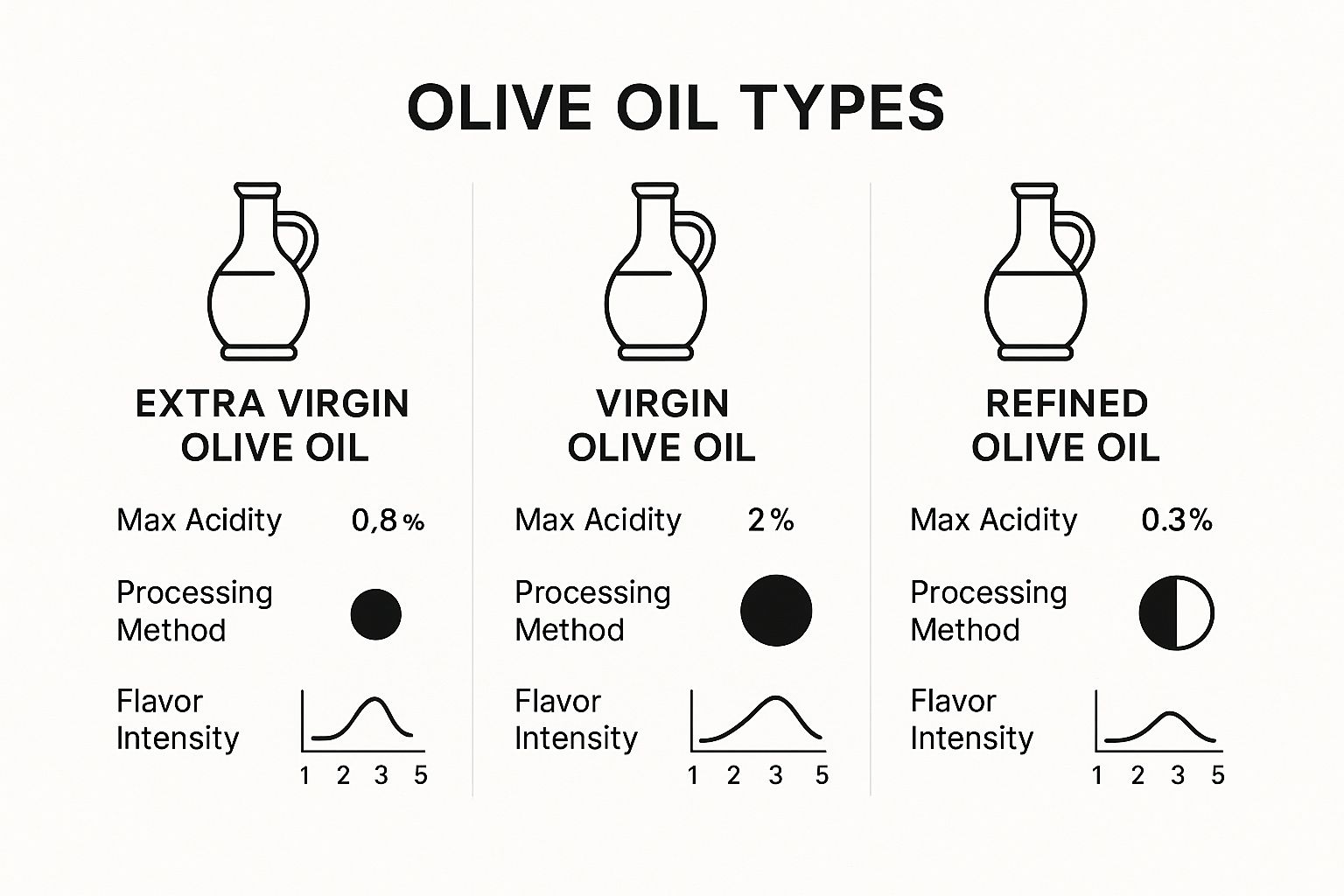
As shown, extra virgin olive oil stands out due to its low acidity, cold-pressed extraction, and intense flavor. Virgin and refined olive oils undergo processing that affects their chemical makeup and sensory qualities.
To further understand the nuances of olive oil quality, let's look at the key parameters used for classification:
EVOO Quality Classification Parameters
| Quality Parameter | Extra Virgin Olive Oil | Virgin Olive Oil | Refined Olive Oil |
|---|---|---|---|
| Free Acidity | ≤ 0.8% | ≤ 2.0% | ≤ 0.3% |
| Peroxide Value | Low (typically < 20 meqO2/kg) | Higher than EVOO | Very Low (due to refining) |
| Sensory Defects | None | May have slight defects | None (flavor removed during refining) |
| Flavor & Aroma | Intense fruity, bitter, pungent | Less intense fruity, may have some off-flavors | Neutral flavor and aroma |
| Extraction Method | Cold-pressed | Cold-pressed | Chemical extraction and refining |
This table summarizes the key differences between the olive oil grades. Notice how extra virgin olive oil maintains superior quality due to its low acidity, absence of defects, and robust flavor profile. Refined olive oil, while having very low acidity, lacks the characteristic flavor of olive oil due to the refining process.
Global EVOO Production: A Focus on Quality
Origin plays a significant role in EVOO quality. The global EVOO market is dominated by Spain, Italy, and Greece. In 2025, Spain is projected to produce over 1.5 million metric tons of olive oil. Italy is estimated to produce 500,000 metric tons, and Greece, 300,000 metric tons. These countries prioritize quality thanks to ideal climates and traditional growing practices. You can find Easy Japanese Recipes that incorporate this delicious ingredient. More information on global olive oil production trends is also readily available. Understanding EVOO standards lets you choose high-quality EVOO, maximizing its health and culinary benefits.
The Journey From Tree To Bottle: What Makes Quality EVOO
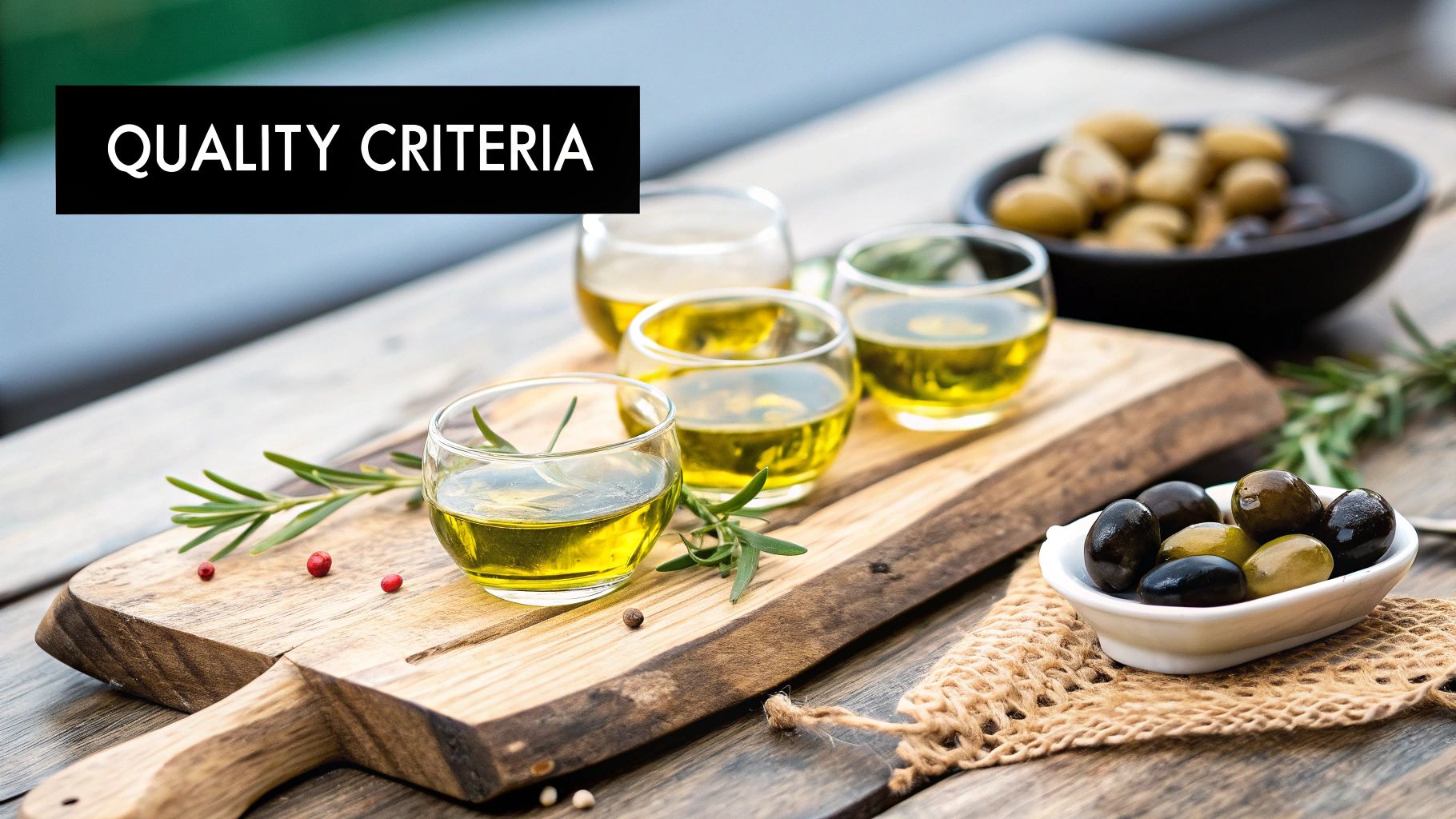
Producing high-quality extra virgin olive oil (EVOO) is a meticulous journey. From the olive grove to your table, a variety of factors influence the final product. These factors shape the EVOO's flavor, aroma, and nutritional value, ultimately determining its quality. Understanding these steps helps you appreciate the nuanced differences between a standard olive oil and a truly exceptional EVOO.
The Varietal Factor: Flavor Profiles From Grove To Glass
The journey begins with the olive variety itself. Different cultivars offer unique flavor profiles. For instance, the robust Picual olive is known for its peppery notes, while the Arbequina olive yields a smoother, buttery oil. Selecting the right cultivar is the first step in crafting an EVOO with a distinct character.
Harvest Time: A Balancing Act Of Quality And Yield
Harvest timing is critical to EVOO quality. Early harvested olives, while producing lower yields, result in oils with higher concentrations of polyphenols. Polyphenols are potent antioxidants with numerous health benefits. Later harvests offer increased oil volume, but with a lower concentration of these valuable compounds. Producers must carefully balance quality and yield when determining the optimal harvest window.
Terroir’s Influence: The Taste Of Place In Your EVOO
Terroir, encompassing the altitude, soil composition, and climate of the growing region, significantly impacts an EVOO's character. Similar to wine, the unique environmental conditions of a specific region impart distinctive qualities to the olives. This means EVOOs from different regions will express unique flavor profiles, reflecting their individual terroir.
Production Methods: Preserving Quality From Press To Bottle
Production methods are equally important in preserving EVOO quality. Cold-extraction, a process that avoids heat and chemicals, is crucial for maintaining the oil's delicate aromas and flavors. Proper filtration techniques remove impurities while retaining beneficial compounds. Storing the EVOO in dark glass or steel containers protects it from light and oxidation, further safeguarding its quality until it reaches your kitchen. These careful steps ensure the final product reflects the dedication and attention to detail applied throughout the entire process.
Spotting Authentic Quality: Beyond Marketing Claims
Navigating the world of extra virgin olive oil (EVOO) can be overwhelming. Marketing often obscures the true indicators of quality. This section equips you with the knowledge to confidently select premium EVOO. You'll learn how to decipher labels, understand packaging, and even conduct your own sensory evaluation.
Deciphering Label Lingo: What To Look For
Label reading is the first step in identifying quality EVOO. Certain key terms indicate a higher likelihood of genuine quality. For example, a harvest date provides valuable insight into the oil's freshness.
Estate-specific origin information demonstrates the producer's commitment to their terroir. Look for legitimate certification seals from recognized authorities for further assurance.
These often overlooked details offer crucial clues about the care taken in producing the oil.
Packaging Matters: Protecting Precious Polyphenols
Proper packaging isn't just for aesthetics; it's vital for preserving quality. Dark glass or steel containers protect the oil from light, which degrades its delicate polyphenols.
Think of it like protecting a fine wine. The right container preserves the complex flavor profile. Opting for oils in clear bottles may compromise quality, even if other label indicators seem promising.
Sensory Evaluation: Engaging Your Senses
Developing your sensory evaluation skills transforms you into an active participant in judging EVOO quality. This involves observing the oil's appearance, appreciating its aroma, savoring its flavor, and noting its mouthfeel.
For example, a vibrant green hue often suggests higher chlorophyll and antioxidant concentrations. A peppery sensation in the throat indicates beneficial polyphenols.
Decoding Marketing Tactics: Separating Fact From Fiction
Many common marketing tactics mislead consumers. Terms like "first cold-pressed," while technically true for all EVOO, are sometimes used to imply superior quality. In reality, it's standard practice.
Additionally, celebrity endorsements or artful packaging can distract from real quality indicators. By understanding these tactics, you can confidently make informed decisions. Choose premium EVOO based on facts, not marketing hype, regardless of slick packaging or celebrity endorsements.
The Price of Excellence: Understanding EVOO Value
Superior extra virgin olive oil (EVOO) often comes with a higher price tag. This cost reflects the numerous quality-focused steps involved in its production, from grove to bottle. By understanding these factors, you can better appreciate the value of premium EVOO and make informed decisions when purchasing.
Production Costs: Investing in Quality
Producing high-quality EVOO involves significant investment. Sustainable farming practices, meticulous harvesting techniques, and gentle cold-extraction methods all contribute to the final cost.
Early harvest EVOO, known for its higher polyphenol content, requires more labor and yields less oil. This results in a higher price per bottle. However, this increased effort delivers a superior flavor profile and enhanced health benefits.
Proper storage also plays a crucial role. Protecting the delicate compounds in EVOO necessitates dark glass or steel containers, adding to the overall production cost. Some producers cut corners in this area to lower prices, but this can compromise the oil's quality.
Regional Reputation and Perceived Value
The region of origin significantly influences EVOO pricing. Some regions, like Tuscany in Italy or certain areas of Spain, have established reputations for producing high-quality EVOO.
This recognition often justifies higher prices, reflecting the region's commitment to traditional methods and unique terroir. However, high-quality EVOO can be found outside these well-known areas. Emerging producers in other regions may offer excellent oils at more competitive prices.
Market Dynamics and Price Fluctuations
EVOO prices can fluctuate significantly due to various market factors. These include global supply and demand, regional production outputs, and environmental conditions.
For example, the producer price for EVOO in Jaén, Spain, experienced a 54% decrease in February 2025 compared to the previous year. This highlights the impact of market forces on EVOO pricing. You can find more detailed statistics here.
Environmental factors, such as droughts or frosts, also play a role. These events can significantly impact olive yields and, consequently, influence market prices.
To make informed purchasing decisions, it's essential to understand these market dynamics. Avoid automatically associating a higher price with superior quality.
Let's take a closer look at regional price variations and quality levels with the following table:
EVOO Price Comparison by Region and Quality Level
Statistical data showing how prices vary across different producing regions and quality categories
| Region | Premium EVOO ($/liter) | Standard EVOO ($/liter) | Price Differential (%) |
|---|---|---|---|
| Tuscany, Italy | $25 | $15 | 67% |
| Andalusia, Spain | $20 | $12 | 67% |
| Crete, Greece | $18 | $10 | 80% |
| California, USA | $22 | $14 | 57% |
Note: Prices are approximate and may vary depending on specific brands and retailers.
As the table demonstrates, premium EVOO consistently commands a higher price across different regions. The price differential between premium and standard EVOO varies, reflecting regional production costs and market demand.
Assessing Value: Beyond Price
True value lies in the balance between price and overall quality. A premium price should reflect superior production methods and demonstrable quality characteristics. This includes a vibrant flavor, rich aroma, and robust nutritional content.
Consider the intended use of your EVOO. A premium oil might be ideal for finishing dishes, while a less expensive, high-quality EVOO could be suitable for everyday cooking. By understanding the complexities of EVOO economics, you can make informed choices and select oils that meet your specific needs and preferences.
The Health Advantage of Premium Olive Oil Quality
Not all olive oils are created equal when it comes to health benefits. The quality of extra virgin olive oil (EVOO) directly impacts its nutritional content. Choosing premium EVOO is key to maximizing its positive effects on your health and well-being.
Polyphenols and Bioactive Compounds: The Powerhouses of EVOO
High-quality EVOO contains a higher concentration of polyphenols. These powerful antioxidants protect the oil from oxidation and offer significant health benefits. They act as protective shields, defending your body against damage from harmful free radicals.
In addition to polyphenols, EVOO contains other bioactive compounds. These compounds work together to boost the therapeutic properties of the oil and promote overall health. This combination truly makes premium EVOO a nutritional powerhouse.
Cardiovascular Benefits: A Heart-Healthy Choice
Extensive research supports the role of EVOO in promoting cardiovascular health. The polyphenols in high-quality EVOO can improve cholesterol profiles. They do this by reducing LDL ("bad") cholesterol and increasing HDL ("good") cholesterol. This helps maintain healthy blood flow and reduces the risk of heart disease.
Premium EVOO also helps reduce inflammatory markers. These markers contribute to chronic diseases, including heart disease. By lowering inflammation, EVOO helps keep your heart and blood vessels functioning at their best.
Emerging Research: Exploring EVOO's Broader Health Potential
Beyond cardiovascular health, research is exploring the potential benefits of EVOO in other areas. Emerging studies suggest that the bioactive compounds in high-quality EVOO may offer protective effects for cognitive function, helping to maintain brain health and potentially reducing the risk of cognitive decline.
Researchers are also investigating EVOO's role in cancer prevention and metabolic health. While more research is needed, early findings suggest that EVOO may play a positive role in these areas, especially when quality and freshness are prioritized.
Consumption and Storage: Maximizing EVOO's Health Benefits
To fully benefit from premium EVOO, proper consumption and storage are crucial. Nutritionists generally recommend consuming about two tablespoons of high-quality EVOO daily. For personalized recommendations, consult with a healthcare professional or registered dietitian.
Proper storage is equally important. Light and oxygen can degrade the oil's quality and reduce its health benefits. Always store EVOO in dark glass or steel containers in a cool, dark place, such as a pantry or cupboard.
From Grove to Table: A Preventative Health Strategy
Understanding the link between EVOO quality and health benefits allows you to make informed choices that support your well-being. Choosing premium EVOO isn't just about taste; it's an investment in a delicious and effective preventative health strategy. Learn more about selecting high-quality olive oils at Learn Olive Oil. For maintaining overall health, consider exploring affordable health insurance options. By incorporating high-quality EVOO into your daily routine, you can enjoy its flavor and enhance your overall health and well-being.
Culinary Mastery: Elevating Your Kitchen With Quality EVOO
Extra virgin olive oil (EVOO) isn't just a healthy fat; it's a key ingredient capable of transforming everyday meals into memorable dining experiences. This section explores how discerning home cooks use premium EVOO, both during cooking and as a finishing touch, to elevate their culinary creations.
Matching EVOO Profiles With Ingredients: A Symphony of Flavors
Just as a conductor carefully selects instruments for an orchestra, a skilled cook chooses EVOO based on its flavor profile to best complement the other ingredients. Different olive varieties, growing regions (terroirs), and harvesting techniques contribute to the wide range of EVOO flavors available.
-
Grassy and Peppery EVOO: These robust oils, often with a distinct pungent bite, pair well with hearty dishes like grilled meats, roasted vegetables, and tomato-based sauces. The peppery notes cut through rich flavors, creating a dynamic balance.
-
Buttery and Fruity EVOO: These milder oils, with delicate aromas of fresh olives and a smooth texture, are ideal for lighter fare such as salads, fish, and even desserts. They enhance the natural sweetness of the ingredients without overpowering them.
For example, a peppery Picual EVOO drizzled over a grilled steak intensifies the savory character of the meat, while a buttery Arbequina EVOO adds a nuanced touch to a fresh Caprese salad. Choosing the right EVOO is like adding the perfect spice – it enhances and elevates the entire dish.
Cooking With EVOO: Understanding Heat and Flavor
How you use EVOO in cooking also depends on its quality and flavor profile. Robust oils can withstand higher heat, making them suitable for sautéing and light frying. However, delicate oils are best reserved for finishing touches, drizzled over a dish just before serving to preserve their subtle flavors.
-
High-Heat Cooking: Choose robust oils like Picual or Koroneiki for cooking methods involving higher temperatures. These oils can tolerate the heat without breaking down or becoming bitter.
-
Finishing Touches: Delicate oils like Arbequina or Leccino are best used as finishing oils. Their subtle flavors and aromas are best appreciated when added at the very end of the cooking process.
This means that the same EVOO you use for sautéing vegetables might not be the best choice for drizzling over a finished pasta dish. Understanding this distinction is crucial for achieving truly delicious results.
Regional Culinary Traditions: Embracing the Flavors of Terroir
Just as certain regions are known for specific wines, different areas boast distinct olive oil traditions. Exploring these regional culinary traditions can inspire creative EVOO pairings and expand your cooking repertoire.
-
Tuscany, Italy: Known for its robust, peppery EVOOs, Tuscan cuisine often features the oil in hearty dishes like ribollita and bruschetta. The oil's bold flavor complements the robust ingredients.
-
Andalusia, Spain: Home to the Picual olive, Andalusian cuisine uses EVOO in gazpacho and other chilled soups. The oil's peppery notes add a refreshing zing.
By understanding regional traditions, you can discover new ways to use EVOO and appreciate its complex flavors. For maintaining overall health alongside a quality diet, it's worth exploring affordable health insurance options.
Mastering Olive Oil Tasting: Refining Your Palate
Developing your palate through olive oil tasting allows you to fully appreciate the nuances of premium EVOO. By paying attention to appearance, aroma, flavor, and mouthfeel, you can distinguish between different oil profiles and select the best ones for your cooking style.
-
Appearance: Observe the oil's color and clarity. A vibrant green hue typically indicates higher levels of chlorophyll and antioxidants.
-
Aroma: Inhale the oil's aroma, noting any fruity, grassy, or peppery notes.
-
Flavor: Taste the oil, allowing it to coat your palate. Identify any bitterness, pungency, or sweetness.
-
Mouthfeel: Notice the oil's texture – is it smooth, buttery, or peppery?
Mastering olive oil tasting helps you select oils that will truly elevate your cooking and transform everyday dishes into memorable culinary experiences. Learn more about premium olive oil at Learn Olive Oil.
 Learn Olive Oil
Leave a comment