The Truth About Olive Oil's Natural Lifespan
That prized bottle of olive oil sitting in your pantry doesn't last forever. Knowing its lifespan is key to enjoying both its robust flavor and notable health benefits. Let's explore the factors influencing how long olive oil truly lasts, focusing on the delicate nature of extra virgin olive oil (EVOO).
Understanding the Chemistry of Degradation
From the moment olives are pressed, the resulting oil begins its slow but inevitable degradation. This is mainly due to oxidation, a process where oxygen interacts with the oil's chemical makeup, changing its flavor and nutritional value. Think of a sliced apple browning – a similar oxidation process is happening. Light and heat also speed up these reactions, shortening the oil's lifespan. This highlights the crucial role of proper storage.
Extra virgin olive oil (EVOO) generally has a shelf life of between 12 and 18 months under ideal conditions, as documented by food science research. However, this can change based on the packaging and storage environment. A 2018 study showed that EVOO stored in greenish glass bottles at low temperatures retained its desirable sensory attributes much longer than oil stored in tinplate tins at higher temperatures. Correctly storing EVOO in dark glass and cool temperatures slows down degradation, preserving its quality for longer than a year. Learn more about the impact of storage on EVOO's shelf life here.
Factors Influencing EVOO's Lifespan
Several things influence how long your olive oil stays at peak quality. The olive variety itself matters, with some containing higher levels of antioxidants that act as a natural defense against oxidation. This inherent difference gives some EVOOs a longer shelf life.
-
Processing Methods: Less processing means a more delicate oil. EVOO, minimally processed, retains more natural flavors and beneficial compounds, but is more susceptible to degradation compared to refined olive oils.
-
Packaging: Dark glass bottles offer the best protection from light and oxygen, helping extend the shelf life.
-
Storage Environment: A cool, dark, and dry place is ideal. Avoid storing olive oil near the stove or in direct sunlight, as heat and light speed up oxidation.
Understanding these factors helps you make smart decisions about buying and storing olive oil, ensuring you experience its full flavor and health benefits. This knowledge can elevate your cooking and truly unlock the potential of this culinary staple.
Storage Secrets That Add Months to Your Oil's Life
Proper storage is crucial for maintaining the quality and extending the shelf life of your olive oil. Just like any other delicate ingredient, olive oil is susceptible to degradation from light, heat, and oxygen. These elements accelerate the chemical breakdown of the oil, diminishing its fresh flavor and nutritional value. How long does olive oil last? With the right approach to storage, you can significantly prolong its usability.
Protecting Your Olive Oil From Light and Heat
Direct sunlight and high temperatures are detrimental to olive oil. Storing your olive oil on the countertop, especially near the stove, exposes it to these harmful elements. A cool, dark, and dry place, such as a pantry or cupboard, is much more suitable. This protects the oil's delicate phenols and antioxidants, preserving its flavor and health benefits.
Choosing the Right Container
The container you choose also plays a vital role in your olive oil's longevity. Clear glass bottles, while aesthetically pleasing, allow light to penetrate and accelerate oxidation. Dark-colored glass bottles or, even better, stainless steel containers offer the best protection. These materials block light and help maintain the oil's quality. It's also essential to choose an airtight container to minimize oxygen exposure, slowing down the degradation process and keeping the oil fresh.
Minimizing Oxygen Exposure
Every time you open your olive oil bottle, you introduce oxygen, which contributes to oxidation. A simple solution is to transfer a small amount of oil into a separate dispensing bottle for daily use. Keep your main supply tightly sealed in its optimal storage location. This practice can significantly extend your olive oil's lifespan.
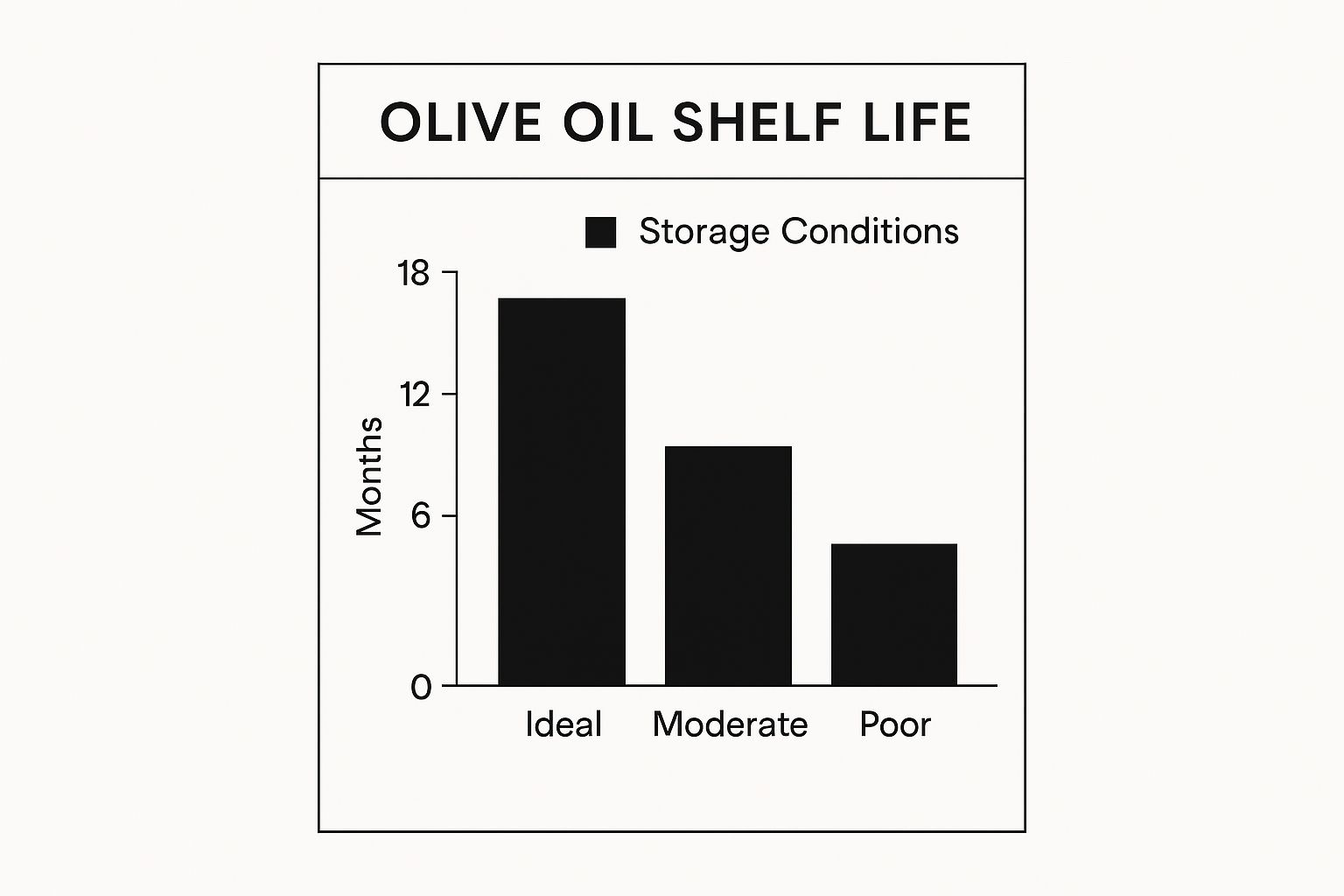
The infographic above illustrates the impact of storage conditions on olive oil's shelf life. Ideal storage can extend its lifespan to 18 months, while poor storage can reduce it to just 6 months.
To help you further understand the best storage practices for your olive oil, we've created a comparison table detailing the benefits and drawbacks of various container types:
Introduction to Olive Oil Storage Comparison Table: The following table compares different container materials and their effectiveness in preserving olive oil, ultimately affecting its shelf life. All containers are assumed to be stored under similar conditions, excluding the material's impact.
| Container Type | Protection Level | Expected Shelf Life | Best For |
|---|---|---|---|
| Clear Glass | Low | Up to 6 Months | Display/Short-term Storage |
| Dark Glass | Medium | Up to 12 Months | Everyday Use |
| Stainless Steel | High | Up to 18 Months | Long-term Storage |
| Tin-plated Steel | Medium | Up to 12 Months | Bulk Storage/Transport |
| Plastic (PET/HDPE) | Low | Not Recommended | Avoid for long-term |
Key takeaway from the table: While dark glass offers decent protection, stainless steel remains the superior choice for long-term storage, maximizing shelf life. Avoid using plastic containers altogether, as they can leach chemicals into the oil.
Shelf life prediction models use chemical markers like peroxide value and phenolic content to estimate how long olive oil retains its quality. Studies, like those conducted on Arbequina olive oils, have shown that lower temperatures significantly extend usability. Initial oil quality also plays a critical role. Learn more about olive oil shelf life research here. Choosing high-quality oil and storing it correctly ensures you enjoy its freshness and benefits for as long as possible.
Spotting Bad Oil Before It Ruins Your Meal
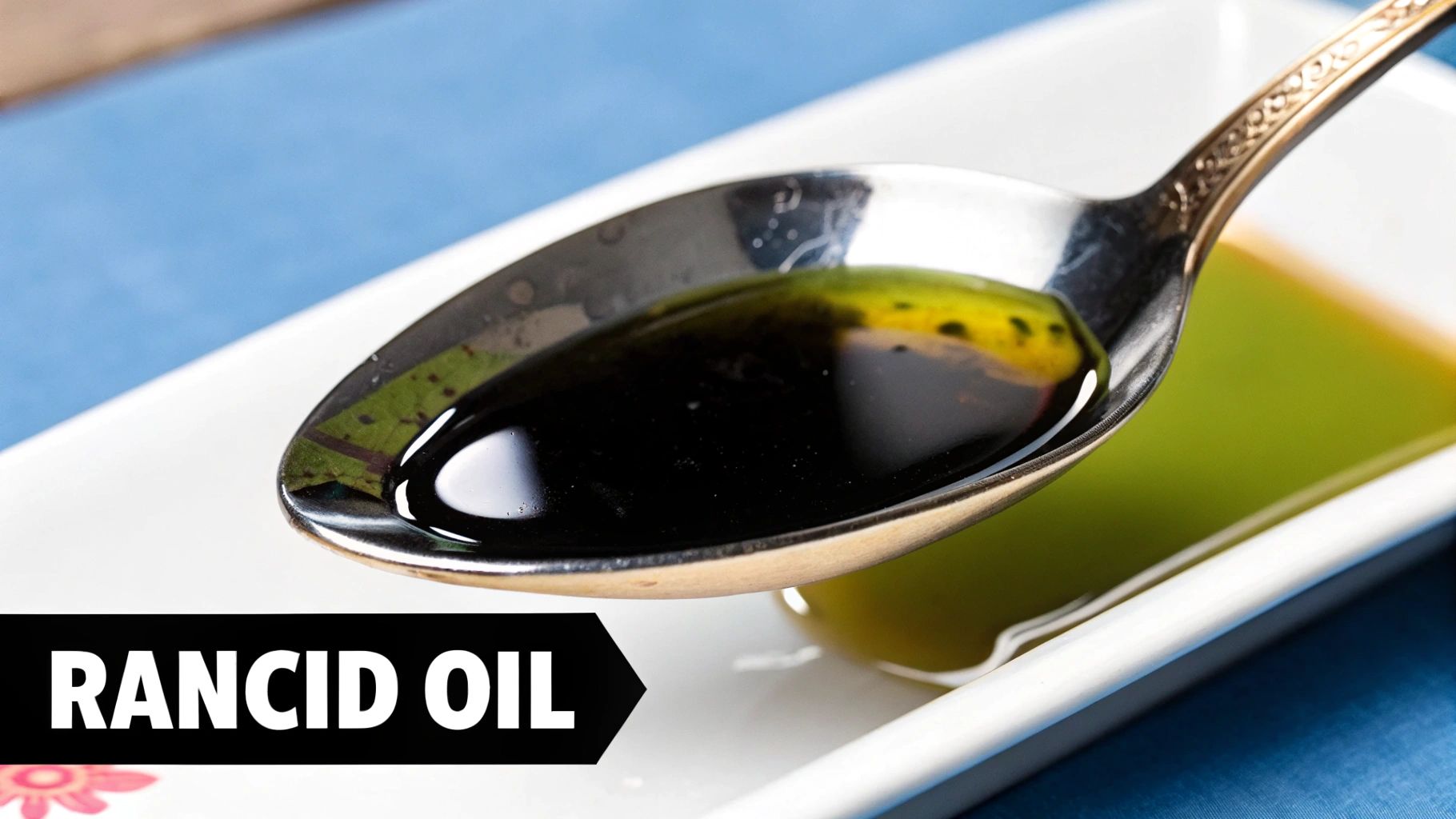
Even when stored correctly, that pricey bottle of olive oil can degrade over time. Fortunately, using simple sensory techniques, much like professional olive oil tasters, you can easily tell when your oil is past its prime. This knowledge empowers you to make smart decisions about your olive oil's lifespan and best uses.
Recognizing the Signs of Degradation
One of the first signs of declining quality is a loss of aroma. Fresh olive oil typically has a bright, fruity fragrance. As it ages, this aroma diminishes, and unpleasant notes, such as a musty or cardboard-like smell, may develop. These are key indicators that the oil's quality is starting to decline.
The oil's flavor profile also shifts over time. The distinct peppery bite and fruity notes of fresh olive oil soften. They might even be replaced by a stale or rancid taste. A quick taste test can reveal these undesirable changes.
Visual cues offer additional insights. A subtle color change is expected as the oil ages. However, a significantly cloudy or darkened appearance could suggest more advanced degradation. Relying solely on visual inspection isn't always reliable. Combining it with aroma and flavor assessments offers a more comprehensive evaluation.
At-Home Tests for Oil Quality
Simple at-home tests, along with sensory evaluation, can help you confirm your olive oil's condition. The "sniff test" is an easy method. Pour a small amount of oil into a glass and warm it gently in your hands to release the aromas. Then, inhale deeply. Any off-putting smells are a clear sign of deterioration. Proper storage is essential to maintaining quality. For more storage tips, explore best practices for Keeping Your Baked Goods Fresh Throughout the Day.
Another straightforward test involves simply tasting the oil. While rancid oil is generally unpleasant, consuming small amounts is not typically harmful. However, the diminished flavor will undoubtedly impact your dishes.
Using Older Olive Oil Wisely
While using olive oil at its peak freshness is ideal for salads and dips where its flavor truly shines, older oil can still be valuable in cooking. The high heat often masks subtle flavor changes, making slightly degraded oil suitable for sautéing or baking. Avoid using heavily rancid oil even in cooking, as the undesirable flavors may intensify at high temperatures.
Understanding these simple signs and performing these quick tests will help you maximize the use of your olive oil. By recognizing how to assess its quality, you ensure that every meal benefits from the best possible flavor and nutritional value.
Premium Vs. Regular: Which Oil Actually Lasts Longer?
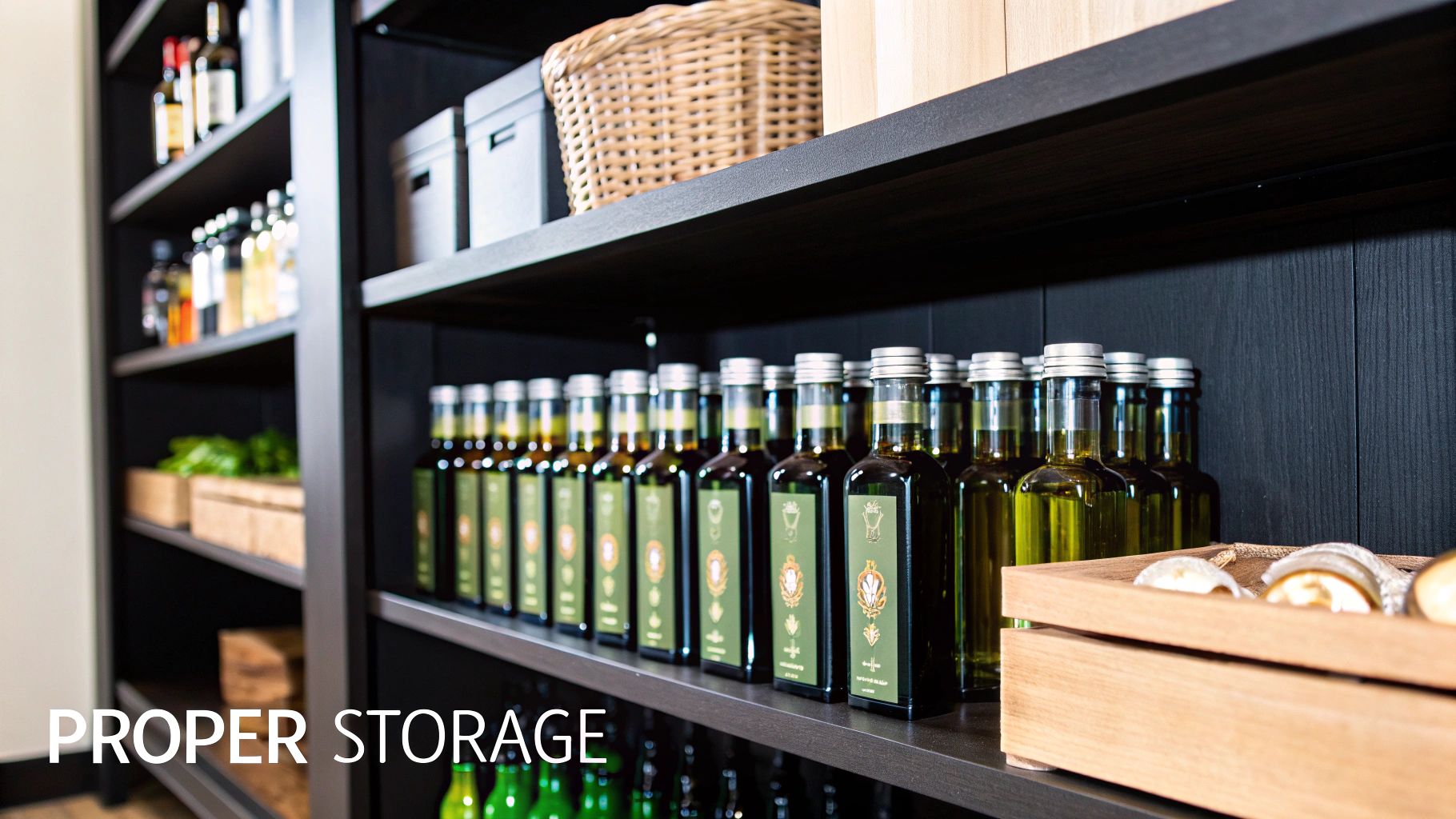
When comparing olive oils, the price difference between premium and regular options can be quite noticeable. This often leads consumers to wonder if premium olive oil has a longer shelf life, justifying the higher cost. The answer is more complex than a simple yes or no. Several factors influence an oil's longevity, and price isn't always the deciding one.
Processing Methods and Shelf Life
The level of processing plays a significant role in how long olive oil lasts. Extra virgin olive oil (EVOO), the premium choice, undergoes minimal processing. This preserves its distinct flavor and valuable antioxidants, such as polyphenols. However, these same compounds can make EVOO more susceptible to oxidation, potentially shortening its shelf life compared to refined oils.
Refined olive oils are subjected to more intensive processing. This removes some natural compounds, including some antioxidants. As a result, they are more stable and less likely to oxidize, potentially leading to a longer shelf life. The trade-off is a milder flavor and potentially fewer health benefits.
The Role of Natural Preservatives
Natural antioxidants, especially polyphenols, act as natural preservatives in olive oil. EVOO, with its minimal processing, typically contains higher levels of these antioxidants. Under ideal storage conditions, this can contribute to a longer shelf life.
However, these antioxidants are also sensitive to light, heat, and oxygen. Improper storage can cause premium EVOO to degrade faster than a refined oil with fewer antioxidants. This highlights the importance of correct storage practices.
Cost Analysis: Balancing Quality and Longevity
Even when stored correctly, olive oil has a limited lifespan. Monitoring product quality is essential, and responding to negative reviews can help maintain a positive brand image. While premium EVOO offers superior flavor and potential health benefits, its potential for a shorter shelf life and higher price tag necessitate mindful usage.
For high-heat cooking, where EVOO's subtle flavors might be lost, a more affordable refined olive oil is a practical option. Reserve your premium EVOO for applications where its unique flavor shines, like salad dressings, dips, or finishing drizzles.
Practical Implications for Your Shopping Cart
So, what's the typical shelf life of olive oil? Under optimal storage, both premium and regular olive oils can last for 18-24 months. However, actual shelf life can vary significantly based on storage practices.
The following table summarizes the shelf life and key factors affecting the longevity of different olive oil types.
Olive Oil Types Shelf Life Comparison: This table provides a detailed comparison of different olive oil types, their typical shelf life durations, and key characteristics affecting longevity.
| Oil Type | Expected Shelf Life | Key Factors Affecting Durability | Best Storage Practices |
|---|---|---|---|
| Extra Virgin Olive Oil (EVOO) | 18-24 months | Antioxidant content, sensitivity to light and heat | Cool, dark place in a sealed container |
| Refined Olive Oil | 18-24 months | Processing level, reduced antioxidant content | Cool, dark place in a sealed container |
| Light Olive Oil | 18-24 months | Highly refined, most stable | Cool, dark place in a sealed container |
As the table shows, while the optimal shelf life is similar across different types, the factors influencing their durability vary. This underscores the importance of understanding these factors and adopting the best storage practices.
Ultimately, the ideal olive oil for you depends on your cooking habits and how carefully you store it. By considering the factors influencing shelf life, you can make informed decisions that balance quality, cost, and longevity, ultimately enriching your culinary adventures.
From Grove to Kitchen: How Fresh Is Your New Bottle?
That "new" bottle of olive oil you see on the grocery store shelf might be older than you think. Understanding the journey from grove to kitchen is essential for anyone wondering, "how long does olive oil last?". This journey reveals the often overlooked factors affecting the freshness of the oil you buy.
The Seasonal Reality of Olive Harvesting
Olive oil production, unlike many other common food items, isn't a year-round process. The olive harvest is seasonal, typically occurring in the fall and winter months. This means the "new" oil you find in stores might have been bottled several months prior.
Decoding Harvest Dates and Bottling Information
Learning to interpret the sometimes confusing dates on olive oil bottles is key to selecting the freshest options. Look for a harvest date, rather than just a "best by" date. The harvest date indicates when the olives were picked, providing a more accurate understanding of the oil's age. Understanding bottling information, such as the country of origin and the producer, can also offer valuable insights into freshness.
Timing Your Purchases and Choosing the Right Store
To maximize freshness, consider timing your olive oil purchases to align with the new harvest arrivals typically found in late winter or early spring. The store you choose also makes a difference. Smaller specialty stores or shops emphasizing high-quality ingredients often have higher inventory turnover, increasing your likelihood of finding genuinely fresh olive oil.
Market Conditions and Global Supply Chains
Global olive oil market dynamics influence how long olive oil is stored before it reaches consumers, impacting the quality at the time of purchase. The European Union, especially Spain and Italy, dominates production, supplying major markets like the United States with roughly 252,000 tonnes of olive oil annually. Recent weather events have impacted harvests, leading to lower production and higher prices. This can cause older inventory to remain on shelves longer, potentially affecting freshness. More detailed statistics can be found here. Given the anticipated growth of the global olive oil market, proper storage throughout the supply chain is vital for preserving quality and addressing the question, "how long does olive oil last?". This is particularly important in larger markets where consumers prioritize fresh, premium products.
Ensuring Your Oil's Journey Ends With Fresh Flavor
By understanding the process olive oil undergoes from grove to your kitchen, you can make informed decisions about the oil you select. From strategically timing purchases to understanding market trends, this knowledge empowers you to choose the freshest, highest-quality olive oil and fully enjoy its flavor and health benefits.
Pro-Level Preservation: Storing Oil Like an Expert
For those who truly value high-quality olive oil, whether purchased in bulk or savored from a special bottle, typical storage advice simply isn't enough. This section explores advanced preservation techniques, borrowing from the practices of professional producers and culinary experts. We'll address common questions about refrigeration and freezing, examine specialized containers, and reveal how to maintain consistent quality even with a large inventory. Consider this your guide to mastering olive oil storage.
Debunking Refrigeration and Freezing Myths
The debate around refrigerating or freezing olive oil is a frequent one. While refrigeration can cause solidification and cloudiness, this is a reversible process. It doesn't inherently damage the oil's quality. However, repeated temperature swings between room temperature and refrigeration can speed up oxidation. Therefore, consistent cool storage is better than moving the oil in and out of the fridge.
Freezing, conversely, isn't generally advised. While it can prolong shelf life, the thawing process can impact the oil's delicate flavor and aroma. Freezing is a viable last resort for large quantities you can't use within a reasonable time, but prioritize proper cool, dark storage for daily use and smaller reserves.
Specialized Containers for the Serious Olive Oil Enthusiast
Serious olive oil enthusiasts often invest in specialized containers designed to minimize light and oxygen exposure. These are often made of stainless steel with airtight seals and designs that minimize headspace, reducing oxygen contact.
However, these containers can be pricey. Dark glass bottles provide a readily available, affordable alternative with excellent light protection, preserving the oil's quality. Choose bottles with narrow openings to further limit oxygen exposure and maintain freshness.
From Bulk to Bottle: Transferring and Preserving
When buying olive oil in bulk, transferring it to smaller containers for daily use is essential. Opt for dark glass bottles for these smaller containers and fill them almost completely to minimize headspace. Make the transfer quickly and efficiently to limit oxygen exposure.
For special bottles acquired during travels or gifted from a specific harvest, preserving their unique qualities requires extra attention. Follow the same principles: cool, dark, and airtight storage. Wrapping the bottles in foil adds light protection, especially for clear glass bottles. This preserves the oil's distinct character and ensures you enjoy its unique flavors for as long as possible.
Restaurant-Level Storage at Home
Restaurants and specialty shops manage large olive oil inventories while maintaining quality. They use large, airtight stainless steel containers in temperature-controlled environments. While you may not have a dedicated storage room, replicating these principles at home is achievable.
-
Invest in several dark glass bottles: This enables stock rotation, using the oldest oil first.
-
Keep a small dispenser for daily use: This minimizes light and air exposure for your main supply.
-
Designate a cool, dark cupboard: Avoid storing olive oil near heat sources or in direct sunlight.
These practical strategies allow you to implement professional-level olive oil storage at home. They effectively address the question of shelf life by significantly extending the usability and quality of your olive oil, regardless of the amount.
Ready to elevate your olive oil experience? Explore the world of premium olive oil at Learn Olive Oil and discover the secrets to selecting, tasting, and enjoying this culinary treasure.

 Learn Olive Oil
Leave a comment