Understanding Olive Oil Quality: Beyond the Bottle
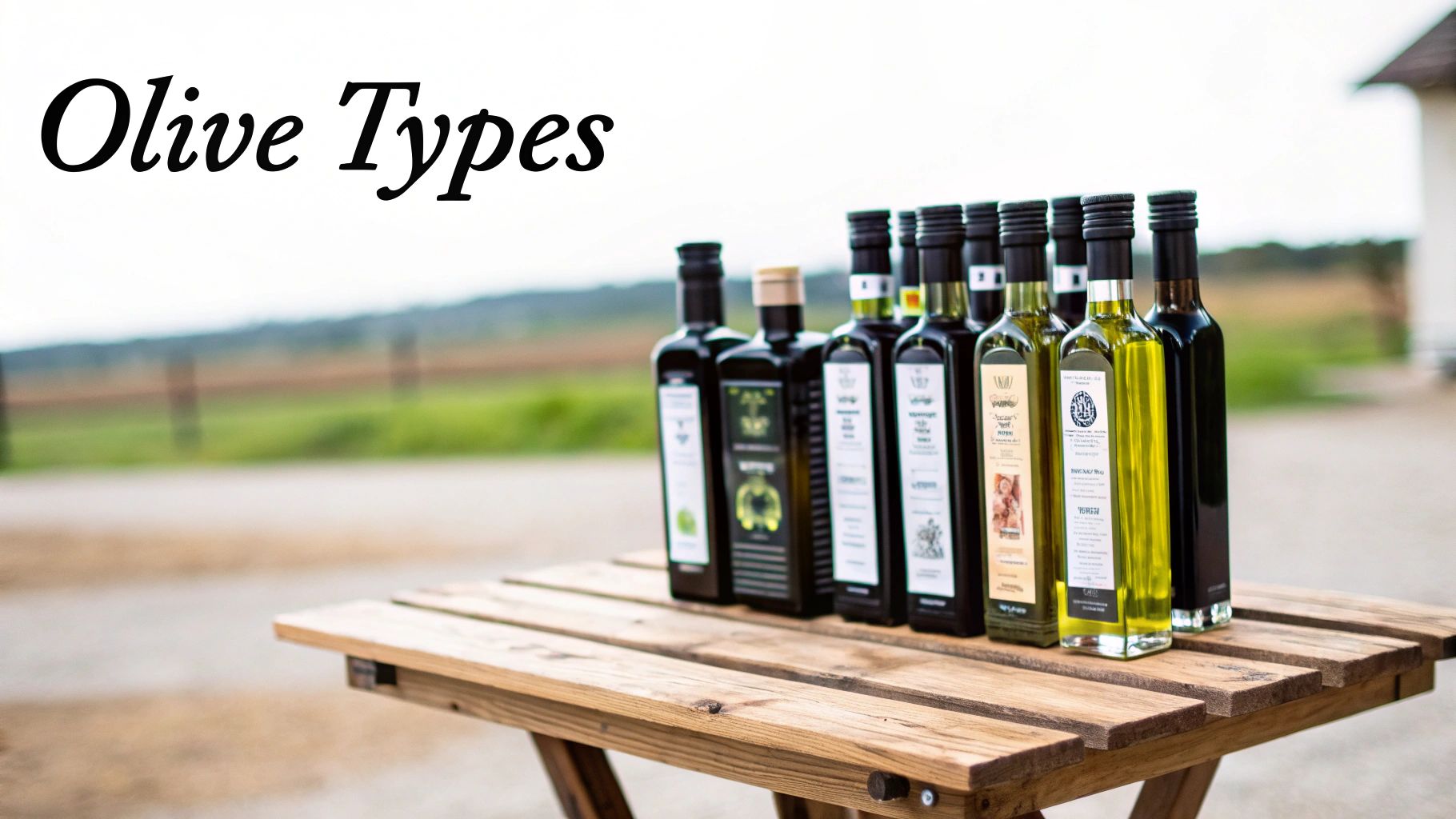
Navigating the world of olive oil can be daunting. With countless bottles lining supermarket shelves, how do you choose the best? This section will equip you with the knowledge to confidently select high-quality olive oil, looking past the marketing and focusing on the key indicators of a truly exceptional product.
Decoding Olive Oil Grades
Understanding the olive oil grading system is the first step to making informed choices. The International Olive Council (IOC) establishes these grades based on chemical and sensory evaluations. Extra virgin olive oil represents the highest quality, with a free acidity of no more than 0.8% and an absence of sensory defects. This signifies that the oil is derived from pure, cold-pressed olives, retaining maximum flavor and health benefits.
Next is virgin olive oil, a grade below extra virgin. While still produced from pressed olives without chemical refining, it has a slightly higher acidity level (up to 2%) and may exhibit minor sensory imperfections. It might, for example, lack the characteristic peppery bite found in high-quality extra virgin oils. Finally, refined olive oil undergoes processing to neutralize acidity and remove defects. This process, unfortunately, also diminishes much of the natural flavor and aroma.
Sensory Evaluation: Tasting the Difference
Beyond the established grades, true olive oil quality lies in its sensory profile. Similar to wine tasting, experts evaluate specific attributes to determine quality and origin. These key characteristics include:
- Fruitiness: The aroma and taste of fresh olives, spanning from green and grassy notes to ripe and fruity nuances.
- Bitterness: A subtle peppery sensation at the back of the throat, indicating the presence of beneficial polyphenols.
- Pungency: A distinct throat-catching sensation, a hallmark of freshness often found in high-quality extra virgin olive oils.
Understanding these sensory nuances will greatly enhance your ability to distinguish quality when selecting olive oil. The olive variety significantly influences the oil's characteristics. Different cultivars offer unique flavor profiles and varying levels of oil content and health benefits. Some are renowned for their high polyphenol content, contributing to both the health benefits and distinct sensory experience. Consumers should consider these factors to select an oil that aligns with their individual needs and culinary preferences. Learn more about olive cultivars.
From Harvest to Bottle: Production Matters
The journey from olive grove to bottle significantly impacts the final product. Harvest timing, processing techniques, and storage conditions all play crucial roles. Harvesting olives at peak ripeness maximizes flavor and oil content. Cold-pressing, the process of extracting oil at low temperatures, preserves the delicate aromas and flavors.
Ultimately, understanding these nuances empowers you to choose olive oils that best suit your culinary endeavors and appreciation for quality. Armed with this knowledge, we can now move on to deciphering olive oil labels in the next section.
Cracking the Label Code: What Producers Won't Tell You
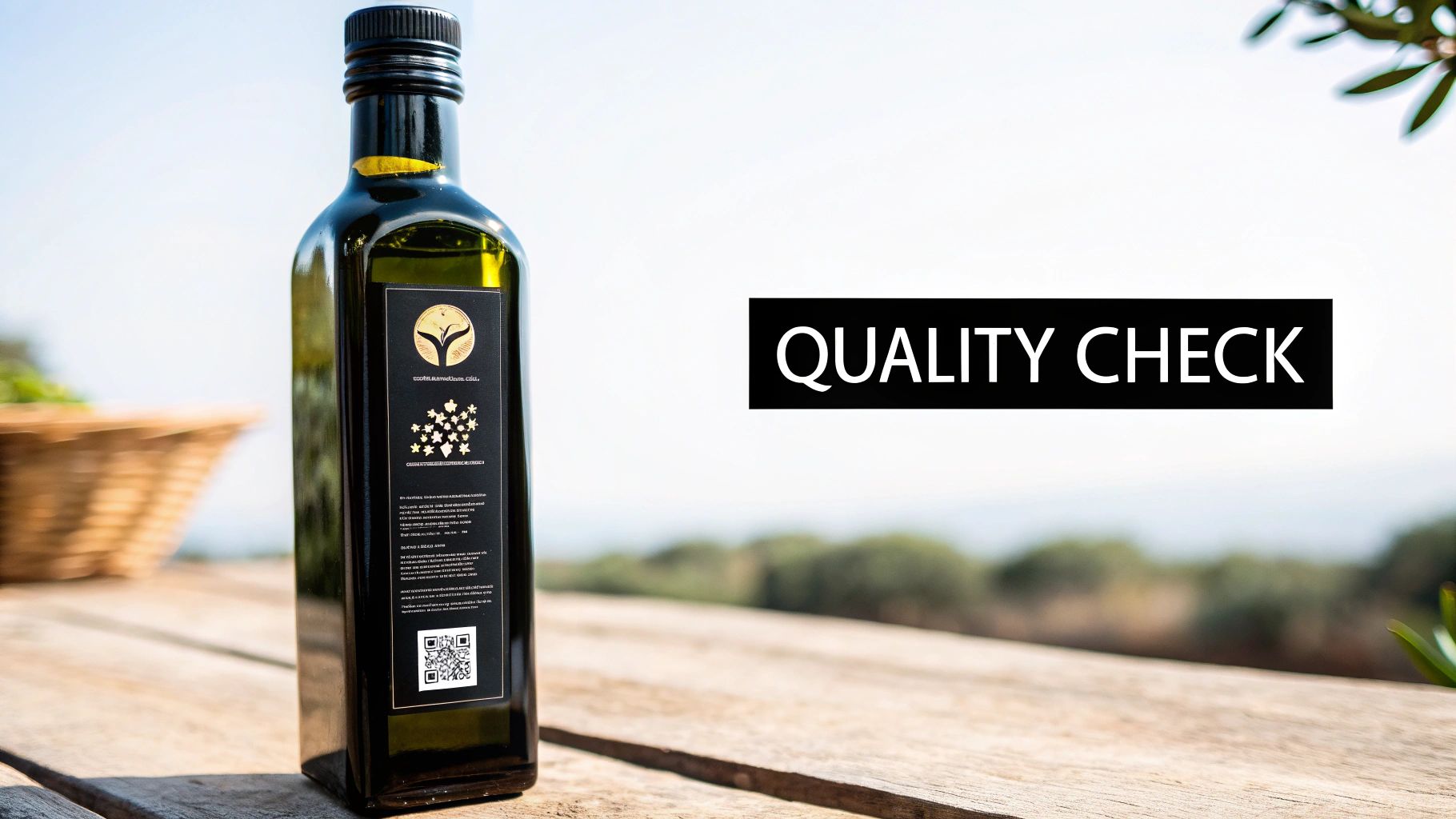
Deciphering olive oil labels can feel overwhelming. This section unveils the hidden meanings behind common terms, helping you identify truly high-quality olive oil. Understanding these labeling tricks empowers you to shop confidently and avoid misleading marketing.
"Cold-Pressed" and Other Misnomers
Terms like "cold-pressed" and "first pressing" often evoke images of traditional, artisanal production. However, these terms are largely unregulated in the olive oil industry. Most modern olive oil extraction uses centrifuges and carefully controlled temperatures, rendering these phrases practically meaningless. Focus instead on the "extra virgin" designation, which guarantees the oil's quality and acidity level.
Decoding Geographical Designations
Protected Designations of Origin (PDO) and Protected Geographical Indications (PGI) offer valuable clues about an olive oil's origin and production methods. These certifications, regulated by the European Union, ensure that the oil adheres to specific quality standards and originates from a particular geographical area. A PDO label, for instance, signifies that the entire production process—from olive cultivation to bottling—occurred within a defined region.
Harvest Dates: A Key Indicator of Freshness
While not always present on the label, the harvest date provides crucial information about an olive oil's freshness. Similar to wine, olive oil degrades over time. Look for oils with recent harvest dates, ideally bottled within the past year. This ensures you are purchasing a product at its peak flavor and quality. For example, an oil harvested in November 2023 will generally be fresher than one harvested in March 2023.
Understanding Label Terminology
To help you navigate the often confusing world of olive oil labeling, we've compiled a table explaining some of the most common terms. This guide will clarify what these terms claim versus what they actually mean, and how important they are to consider when making a purchase.
Common Olive Oil Label Terms Explained: A guide to understanding olive oil terminology and what it actually means for quality
| Term | What It Claims | What It Actually Means | Importance |
|---|---|---|---|
| Extra Virgin | Highest quality olive oil | Free acidity ≤ 0.8%, no defects | Crucial – Indicates quality & purity |
| Cold-Pressed | Traditional extraction method | Often irrelevant with modern techniques | Low – Look for "extra virgin" instead |
| First Pressing | Implies superior quality | Largely unregulated and often meaningless | Low – Focus on other indicators |
| PDO/PGI | Specific origin and production standards | Guaranteed regional origin and quality | High – Ensures authenticity and quality |
| Harvest Date | Indicates freshness | Ideally within the last year | High – Choose recent harvests for freshness |
By understanding these labeling nuances, you’ll be better equipped to choose high-quality olive oil. Combining this knowledge with a sensory evaluation empowers you to select oils that truly elevate your culinary experience.
The World Tour of Flavor: Regional Olive Oil Profiles
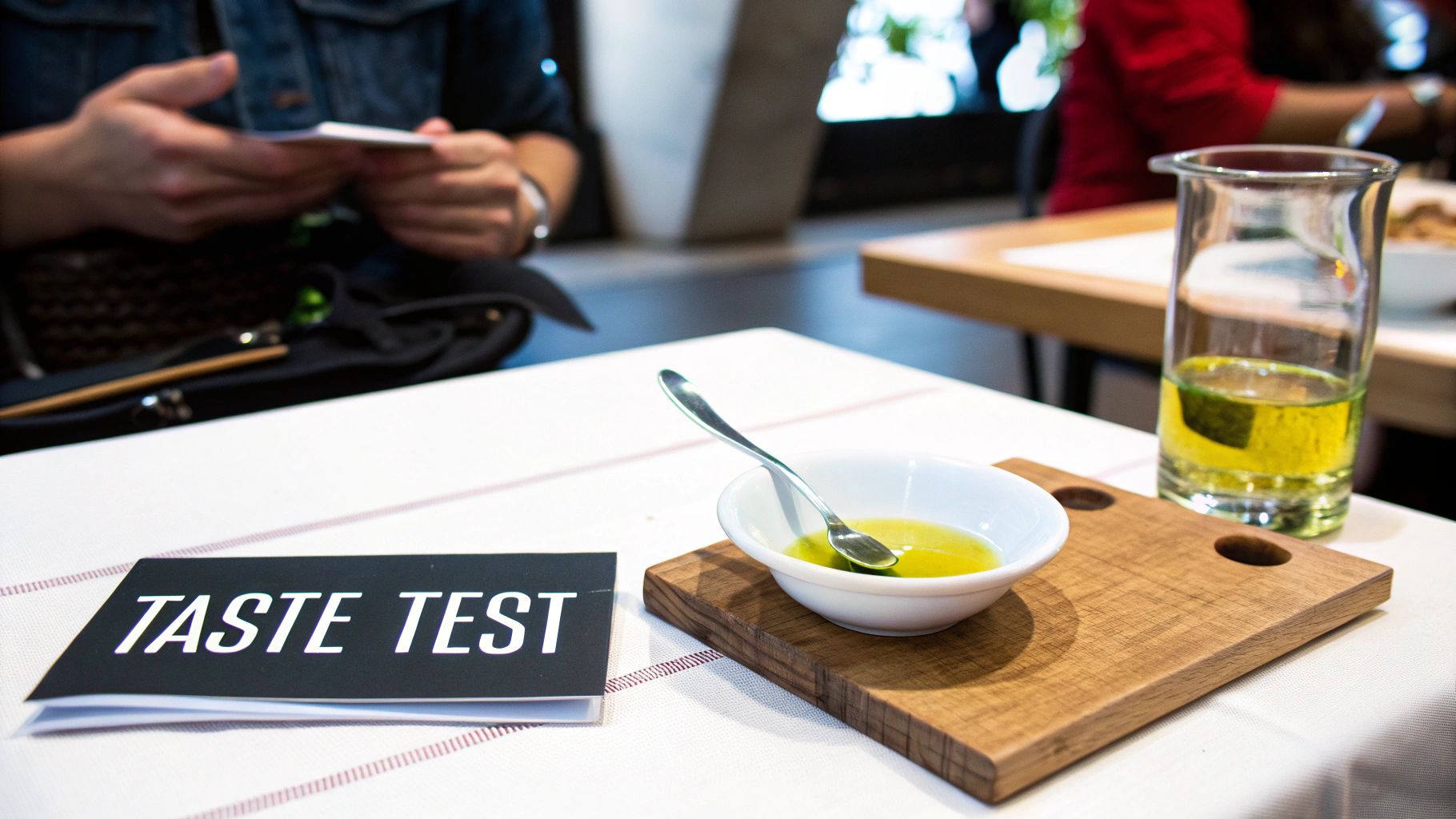
Olive oil, a staple of Mediterranean cuisine, boasts a diverse flavor profile depending on its region of origin. Much like wine, olive oil reflects the unique characteristics of its terroir—the natural environment in which it is produced. Understanding these regional differences is key to selecting the perfect olive oil for your culinary needs and preferences.
Exploring the Mediterranean Flavorscape
Imagine embarking on a culinary journey through the Mediterranean. Each region offers distinct olive varieties, climates, and production techniques, leading to a fascinating array of flavors. For example, Spanish olive oils, often crafted from Picual or Arbequina olives, are known for their robust, fruity character, sometimes with a peppery kick. These oils are excellent for dipping bread, grilling vegetables, or enhancing the vibrancy of a fresh salad.
Italian olive oils, often produced from Frantoio or Leccino olives, typically exhibit a more balanced flavor profile, with grassy notes and a slightly bitter, pungent finish. They're perfectly suited for pasta dishes, flavorful sauces, and rich marinades. Italy's diverse microclimates and wide range of olive cultivars contribute to the unique character of its oils. Greek olive oils, primarily made with Koroneiki olives, offer a distinctly grassy and herbaceous aroma, complemented by a milder, peppery taste. They are an excellent choice for seafood, salads, and a variety of dips.
The Impact of Terroir and Tradition
The distinct flavors of each region's olive oil are not a coincidence. They are the result of a complex interplay between terroir – encompassing soil, climate, and terrain – and time-honored harvesting practices. Just as soil composition influences the taste of wine grapes, it also impacts the flavor of olives and the resulting oil. Traditional harvesting methods, passed down through generations, are essential for preserving the unique characteristics of each region’s oil.
Olive oil production has substantial economic significance, particularly in regions like Spain, the world's leading producer. Spain accounts for roughly half of the global olive oil production, generating about 1.5 million tons each year. This industry provides essential employment and bolsters local economies, underscoring olive oil’s vital cultural and economic role. More detailed statistics can be found here: https://oliveoilsfromspain.org/olive-oil-news/how-much-olive-oil-is-consumed-in-the-world/
Building Your Olive Oil Collection
Developing an understanding of regional olive oil profiles can greatly enrich your culinary adventures. By recognizing the unique characteristics of each region’s oil, you can create perfect pairings with specific dishes, enhancing flavor and enjoyment. Just as a sommelier recommends wines to complement a meal, knowledge of olive oil profiles allows you to elevate your cooking to new heights.
Consider creating a diverse collection of regional olive oils, similar to curating a selection of spices or wines. This approach allows you to experiment with different flavor profiles and discover the ideal oil to enhance every meal. This knowledge empowers you to move beyond simply buying olive oil and truly appreciate its versatility and culinary potential.
The Price-Quality Matrix: What Really Matters
When browsing olive oil, the price differences can be surprising. Why is one bottle four times the price of another? This section explores the factors influencing olive oil pricing, helping you separate true quality from marketing tactics. You'll learn how to buy olive oil strategically, finding the balance between value and quality.
Decoding the Price of Olive Oil
Several key factors determine the final price of olive oil. Production costs, including growing olives, harvesting, and milling, form the base price. The olive variety, origin, and production methods are also important. For instance, oils made from rare olives grown in specific regions, using traditional methods, are often more expensive. Packaging, importing, and marketing add to the overall cost.
Identifying True Value
Understanding true value means knowing what justifies a premium price. Extra virgin status, achieved through strict standards and low acidity, adds inherent value. A rich and complex flavor profile, including fruitiness, bitterness, and pungency, indicates quality. Certifications, like Protected Designation of Origin (PDO) or Protected Geographical Indication (PGI), validate an oil's origin and production methods, supporting a higher price.
However, a high price doesn't always mean high quality. Attractive packaging and marketing can inflate prices without reflecting the true quality of the product. Look beyond the surface and consider the actual quality indicators.
The Danger of "Too Good to Be True"
Suspiciously low prices should be a warning sign. While bargains are attractive, very cheap olive oils may indicate compromised quality. This could involve using lower-grade olives, mixing with other oils, or poor storage. Understanding the production costs of real olive oil helps you identify unrealistic prices.
Global Supply and Demand
Global supply and demand also affect olive oil prices. In recent years, global consumption has sometimes exceeded production. During the 2019/20 crop year, for example, consumption slightly outpaced production, with 3.268 million tons consumed versus 3.266 million tons produced. This trend reflects changing consumer preferences, like the increased demand for quality products following lifestyle shifts during the COVID-19 pandemic. Find more detailed statistics here.
Navigating the Price-Quality Spectrum
To help you navigate the olive oil market, here’s a comparison of what you can expect at different price points:
To help you understand the differences between olive oil price points, let's take a look at the table below:
Olive Oil Price Range Comparison
Analysis of what you get at different price points when purchasing olive oil
| Price Range | Expected Quality | Production Methods | Best Uses |
|---|---|---|---|
| Low | Likely refined or blended | Mass production, potentially lower standards | Everyday cooking where flavor is less critical |
| Mid-Range | Decent extra virgin | Blend of modern and traditional methods | Versatile cooking and everyday use |
| High | Premium extra virgin | Careful cultivation, meticulous processing | Finishing oils, salads, dips, special occasions |
As you can see, there are different levels of quality and production standards associated with olive oil price ranges. It is important to understand these differences to make the right choice for you.
By understanding these factors, you can confidently choose olive oils offering both value and quality. Whether you need an everyday cooking oil or a special finishing oil, this knowledge empowers you to make informed choices. Buying olive oil becomes less about the price and more about appreciating the unique qualities of this culinary staple.
Sourcing Strategies: Where the Best Oils Hide
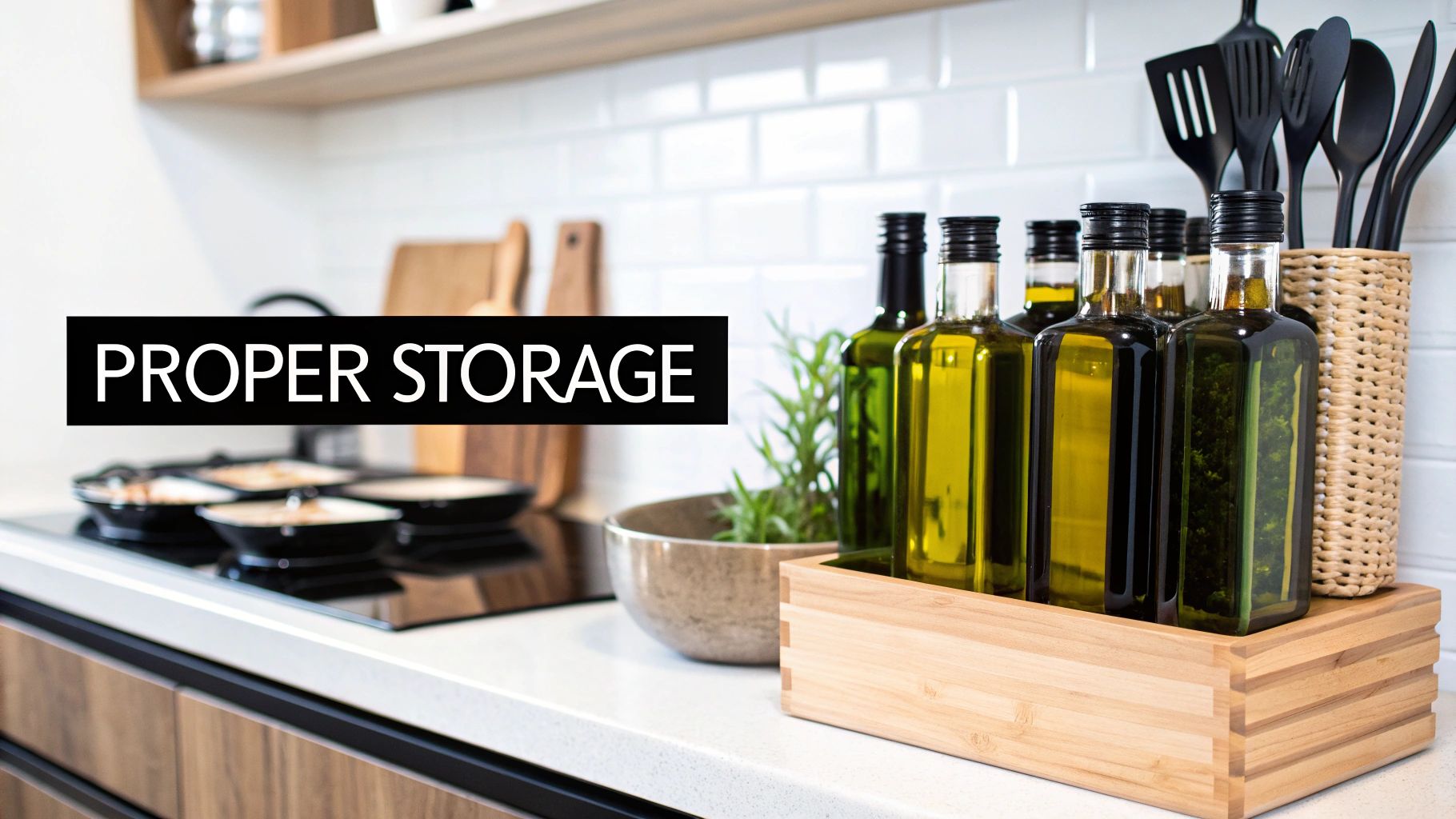
Finding exceptional olive oil requires a discerning approach. This exploration of purchasing channels, from everyday supermarkets to specialized retailers, will highlight the pros and cons of each. Understanding a retailer's expertise will empower you to choose the best oils for your culinary needs.
Supermarkets: A Balancing Act
Supermarkets offer convenience and variety, but olive oil quality can fluctuate. Exposure to bright lights and temperature changes can degrade an oil's delicate flavor. However, some supermarkets are expanding their selection of premium olive oils.
When shopping in supermarkets, choose dark glass bottles to shield the oil from light. Look for recent harvest dates and certification seals like PDO (Protected Designation of Origin) or PGI (Protected Geographical Indication), indicating regional origin and quality.
Specialty Stores: The Perks of Expertise
Specialty food stores and olive oil boutiques typically offer a curated selection of high-quality oils. They often emphasize proper storage and employ knowledgeable staff. However, specialty stores may be pricier and less conveniently located.
Inquire about the oils’ origin, production methods, and flavor profiles. A helpful vendor can guide you toward oils that complement your cooking style and preferences.
Direct from the Farm: From Grove to Table
Buying directly from olive oil producers, online or at farmers' markets, offers unparalleled transparency. This ensures authenticity and supports smaller businesses. You gain insight into the entire production process, from olive cultivation to bottling. However, this option may not always be practical or affordable.
Olive Oil Clubs and Co-ops: Strength in Numbers
Olive oil clubs and co-ops provide access to quality oils at competitive prices. Members collectively purchase oil directly from producers, often receiving discounts and exclusive oils. This fosters a community of enthusiasts and connects them directly with producers.
Olive Oil Consumption: A World of Difference
Olive oil consumption varies significantly globally. In the United States, olive oil is a pantry staple, with over half of oil users choosing it. The U.S. is a major importer, and consumption has steadily risen. Yet, annual per capita consumption is around 1.1 liters. This pales in comparison to Greece, where consumption reaches approximately 24 liters per person each year. These differences reflect diverse culinary traditions and tastes. Learn More
Choosing the right sourcing strategy is paramount for finding high-quality olive oil. By understanding the nuances of each option, you can navigate the market confidently and select oils that enhance your cooking. This thoughtful approach ensures you experience the full flavor and benefits of this remarkable ingredient.
Protecting Your Investment: Storage Secrets Revealed
After carefully selecting your perfect bottle of olive oil, preserving its quality becomes paramount. Even the finest extra virgin olive oil can degrade if not stored correctly. This section reveals the secrets to maximizing the lifespan and flavor of your olive oil, ensuring every dish benefits from its peak quality.
The Enemies of Olive Oil: Light, Heat, and Oxygen
Olive oil has three main enemies: light, heat, and oxygen. Exposure to light, especially direct sunlight, causes the oil to oxidize and develop off-flavors. Heat accelerates this degradation, while oxygen exposure leads to rancidity. Think of an apple left in the sun – it browns and loses its fresh taste. Similarly, improperly stored olive oil loses its vibrant flavor and beneficial properties.
Choosing the Right Container
Many olive oils come in clear glass bottles, but these offer minimal protection from light. For optimal storage, transfer your oil to a dark-colored glass bottle or an opaque stainless-steel container. This shields the oil from harmful light, preserving its quality and flavor. This simple step can significantly extend the shelf life of your olive oil. For example, a dark green or amber bottle provides significantly more protection than a clear one.
Ideal Storage Conditions
Finding the right storage spot in your kitchen is essential. Avoid storing olive oil near the stove or oven, as heat degrades the oil's quality. A cool, dark pantry is ideal. If you lack pantry space, a dark cupboard, away from direct sunlight and heat sources, is a good alternative. This helps maintain a consistent temperature and prevents flavor degradation. Consistent temperature is crucial because fluctuations can cause condensation inside the bottle, affecting the oil's quality.
Refrigeration Myths and Realities
Refrigerating olive oil is not always necessary and can cause it to solidify and become cloudy. However, refrigeration can extend shelf life, especially for larger containers or in warm climates. If you refrigerate your olive oil, let it return to room temperature before using to allow its full flavor and aroma to develop.
Testing for Freshness
Even properly stored olive oil will eventually degrade. To assess freshness, conduct a simple sensory test. Pour a small amount into a glass and swirl it gently. Smell the oil for any off-odors or a lack of fruity aroma. Then, taste a small amount, noting any unpleasant or rancid flavors. Fresh olive oil should have a pleasant, fruity aroma and a slightly peppery taste.
Storage Tips for Different Usage Patterns
If you use olive oil daily, a smaller, dark-colored bottle kept in a cool, dark place is sufficient. For occasional use, consider purchasing smaller bottles to ensure freshness. Alternatively, divide larger quantities into smaller, dark containers for storage. This minimizes oxygen exposure and extends shelf life.
Understanding these storage principles allows you to fully appreciate your investment in high-quality olive oil. By protecting it from light, heat, and oxygen, you can savor its fresh flavor and benefits for longer.
Ready to explore the world of olive oil? Discover premium oils and deepen your understanding of this culinary treasure at Learn Olive Oil.
 Learn Olive Oil
Leave a comment