Unlocking the Power of Olive Oil
Discover the remarkable olive oil health benefits and learn how this kitchen staple can enhance your well-being. This listicle explores ten science-backed advantages of incorporating olive oil into your diet, from protecting your heart and reducing stroke risk to supporting weight management and boosting brain health. We'll cover how olive oil's anti-inflammatory properties and potential impact on diabetes, cancer risk, gut health, and even skin and bone health make it a true "liquid gold." Ready to unlock the power of olive oil? Let's dive into the top ten benefits.
1. Heart Health Protection
One of the most celebrated olive oil health benefits lies in its remarkable ability to protect and improve heart health. This "liquid gold," especially extra virgin olive oil (EVOO), is a cornerstone of the heart-healthy Mediterranean diet, and for good reason. Its potent combination of monounsaturated fatty acids (MUFAs), polyphenols, and antioxidants work synergistically to combat several risk factors for cardiovascular disease.
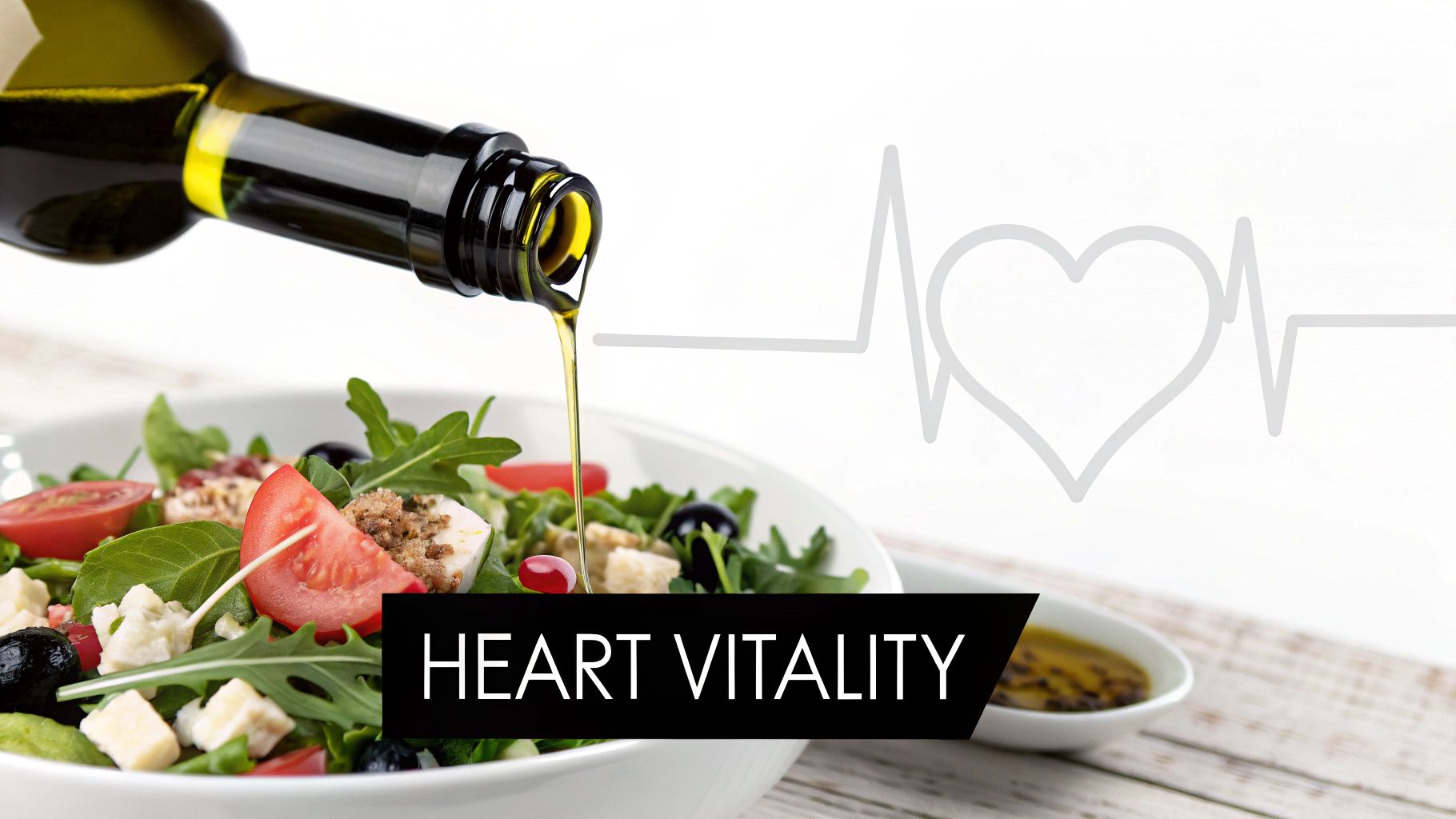
Olive oil's heart-protective magic begins with its high MUFA content. MUFAs help reduce levels of low-density lipoprotein (LDL) cholesterol, often referred to as "bad" cholesterol, which contributes to plaque buildup in arteries. Simultaneously, olive oil helps maintain or even increase levels of high-density lipoprotein (HDL) cholesterol, the "good" cholesterol that helps remove LDL from the bloodstream. Beyond MUFAs, olive oil boasts an array of polyphenols and antioxidants. These powerful compounds act as a defense against the oxidation of LDL particles, a process that further contributes to artery damage. They also possess anti-inflammatory properties, reducing inflammation in blood vessels, a key factor in the development of heart disease. These combined effects significantly decrease the risk of atherosclerosis, heart attacks, and strokes.
The benefits of olive oil for heart health are not just theoretical; they've been demonstrated in numerous studies. The landmark PREDIMED study showed a remarkable 30% reduction in major cardiovascular events among participants who followed a Mediterranean diet supplemented with olive oil. Similarly, the Lyon Diet Heart Study demonstrated a striking 70% reduction in recurrent heart disease in individuals consuming a diet rich in olive oil. These studies highlight the significant impact olive oil can have on cardiovascular health when incorporated as part of a healthy lifestyle.
Features of Olive Oil for Heart Health:
- High in monounsaturated fatty acids (MUFAs)
- Contains heart-protective polyphenols and antioxidants
- Helps maintain healthy blood pressure levels
- Reduces inflammation in blood vessels
Pros:
- Lowers risk of heart disease by up to 30%
- Reduces LDL (bad) cholesterol while maintaining HDL (good) cholesterol
- Natural alternative to processed oils
- Does not require high doses for benefits
Cons:
- High caloric density (120 calories per tablespoon)
- Quality varies significantly between products; opt for EVOO
- Expensive compared to other cooking oils
Tips for Incorporating Olive Oil for Heart Health:
- Consume 1-2 tablespoons of extra virgin olive oil daily for optimal heart benefits.
- Replace butter and margarine with olive oil in cooking and baking.
- Choose extra virgin olive oil for maximum cardiovascular benefits, as it retains more of the beneficial polyphenols and antioxidants.
- Store olive oil in dark bottles away from heat and light to preserve its heart-healthy compounds.
Olive oil's significant impact on heart health undeniably earns its place at the top of this list. Its readily available nature, ease of incorporation into daily meals, and scientifically-backed benefits make it a powerful tool for improving cardiovascular well-being. From reducing cholesterol levels to combating inflammation, olive oil offers a natural and effective way to support a healthy heart and reduce the risk of life-threatening cardiovascular diseases. This is why proponents of the Mediterranean diet, the American Heart Association, and even figures like Dr. Mehmet Oz have championed the heart health benefits of olive oil.
2. Anti-inflammatory Properties
One of the most compelling olive oil health benefits lies in its potent anti-inflammatory properties. Chronic inflammation is a key driver of many serious diseases, including arthritis, cancer, metabolic syndrome, and Alzheimer's. Olive oil contains a wealth of compounds that combat inflammation, contributing to overall health and well-being. The most notable of these is oleocanthal, a phenolic compound that has been shown to act similarly to ibuprofen, a non-steroidal anti-inflammatory drug (NSAID). Regular consumption of olive oil can help reduce this chronic inflammation, offering a natural way to support long-term health.
Olive oil is rich in polyphenols, powerful antioxidants that work at the cellular level to inhibit inflammatory enzymes. This natural inflammation reduction offers a significant advantage over pharmaceutical anti-inflammatories, which can have unwanted side effects. The anti-inflammatory effects are particularly pronounced in extra virgin olive oil, the least processed form, which retains higher levels of these beneficial compounds.
The benefits of olive oil for inflammation are well-documented. A study published in the journal Arthritis & Rheumatism demonstrated reduced inflammatory markers in rheumatoid arthritis patients who consumed olive oil. Research at the University of Pennsylvania found that consuming 3.5 tablespoons of extra virgin olive oil had a similar effect to taking 10% of the adult dose of ibuprofen. While the effects of olive oil are modest compared to pharmaceutical anti-inflammatories, they accrue with regular consumption and offer a sustainable, long-term approach to managing inflammation.
Pros:
- Helps manage symptoms of inflammatory conditions like arthritis.
- Reduces markers of inflammation in the blood.
- Works at the cellular level to inhibit inflammatory enzymes.
- Benefits accrue with regular consumption.
Cons:
- Effects are modest compared to pharmaceutical anti-inflammatories.
- Requires consistent consumption for benefits.
- Heat from cooking can reduce some anti-inflammatory compounds.
Tips for Maximizing Anti-inflammatory Benefits:
- Consume unheated olive oil: To preserve the delicate anti-inflammatory compounds like oleocanthal, use olive oil in dressings, dips, or as a finishing drizzle on cooked dishes.
- Look for a peppery taste: Olive oil with a high oleocanthal content often causes a slight burning sensation in the throat. This "peppery" taste is a good indicator of its anti-inflammatory potency.
- Combine with other anti-inflammatory foods: Olive oil isn't the only way to combat inflammation. Incorporating other post-workout anti-inflammatory foods into your diet can further enhance these benefits. Consider pairing olive oil with fatty fish, leafy greens, and berries for a synergistic effect.
The anti-inflammatory properties of olive oil have been popularized by researchers like Dr. Paul Breslin of the Monell Chemical Senses Center and incorporated into dietary protocols like Dr. Andrew Weil's anti-inflammatory diet and the widely acclaimed Mediterranean diet. Including olive oil as a regular part of your diet can contribute significantly to managing inflammation and supporting overall health, making it a valuable addition to any health-conscious individual's pantry.
3. Reduced Risk of Stroke
One of the most compelling olive oil health benefits revolves around its remarkable ability to reduce the risk of stroke, a leading cause of death and long-term disability worldwide. Specifically, olive oil consumption is linked to a lower incidence of ischemic stroke, the most common type, which occurs when a blood clot blocks blood flow to the brain. This protective effect stems from the synergistic action of olive oil's unique components, including antioxidants, anti-inflammatory compounds, and beneficial fatty acids.
How Olive Oil Protects Against Stroke:
Olive oil works through multiple biological mechanisms to bolster cerebrovascular health:
- Improves Blood Vessel Health and Elasticity: The monounsaturated fats in olive oil help maintain the integrity and flexibility of blood vessels, allowing for better blood flow and reducing the strain on arterial walls. This is crucial in preventing the formation of plaques and maintaining healthy blood pressure.
- Prevents Formation of Blood Clots: Olive oil's anti-inflammatory properties and its impact on blood viscosity contribute to a reduced risk of blood clot formation. This is paramount in preventing ischemic strokes.
- Helps Maintain Healthy Blood Pressure: Studies show that regular olive oil consumption can help lower both systolic and diastolic blood pressure, a significant risk factor for stroke.
- Reduces Oxidative Damage to Arteries: The potent antioxidants in extra virgin olive oil, particularly polyphenols, combat oxidative stress and inflammation in the arteries, further protecting against damage and plaque buildup.
Evidence of Olive Oil's Stroke-Protective Effects:
Several large-scale studies have demonstrated the link between olive oil consumption and reduced stroke risk:
- The Three-City Study: This prominent study found a remarkable 41% lower risk of stroke in individuals with the highest olive oil consumption compared to those with the lowest.
- The EPIC-Spain Cohort: This research showed a significantly reduced incidence of stroke among regular olive oil users, further solidifying the protective association.
Pros of Using Olive Oil for Stroke Prevention:
- Studies show up to a 41% reduced stroke risk with regular consumption.
- Benefits both the prevention of a first stroke and secondary prevention after a stroke has occurred.
- Works through multiple biological mechanisms for comprehensive protection.
- Effective even with moderate consumption.
Cons to Consider:
- The benefits of olive oil may be reduced if consumed as part of an otherwise unhealthy diet.
- Maximum protection requires long-term, consistent consumption.
- Olive oil is not a substitute for prescribed stroke medications in high-risk individuals and should be used as part of a comprehensive stroke prevention strategy.
Tips for Incorporating Olive Oil for Stroke Prevention:
- Aim for at least 2 tablespoons of olive oil daily: This amount has been associated with significant stroke risk reduction in studies.
- Use in conjunction with a Mediterranean-style diet: This dietary pattern, rich in fruits, vegetables, and whole grains, synergistically enhances the protective effects of olive oil.
- Replace other cooking fats and dressings with olive oil: Make a simple swap to increase your intake effortlessly.
- Choose extra virgin olive oil: This variety boasts the highest concentration of beneficial polyphenols.
Popularized By:
The stroke-protective benefits of olive oil have been highlighted by researchers like Dr. Nikolaos Scarmeas, a renowned neurologist and stroke researcher, and are supported by recommendations from organizations like the American Stroke Association and advocates of the Mediterranean diet.
This powerful connection between olive oil and stroke prevention solidifies its place as a cornerstone of a heart-healthy lifestyle. By incorporating olive oil into your daily diet, you can harness its potent properties to significantly reduce your risk of stroke and improve your overall cardiovascular well-being.
4. Weight Management Support
Olive oil, a cornerstone of the Mediterranean diet, offers a surprising benefit amongst its numerous health advantages: weight management support. While it's calorie-dense (120 calories per tablespoon), olive oil, rich in monounsaturated fats, can paradoxically aid in maintaining a healthy weight and may even contribute to preventing obesity. This benefit deserves a prominent place on the list of olive oil health benefits because it challenges the common misconception that all fats are detrimental to weight.
This seemingly counterintuitive effect stems from how the body processes monounsaturated fats compared to saturated fats and carbohydrates. Olive oil's monounsaturated fats increase satiety – the feeling of fullness after a meal – more effectively than other types of fat or carbohydrates. This enhanced satiety helps curb hunger and can lead to a reduction in overall calorie intake. Furthermore, these healthy fats appear to have a positive impact on metabolic rate, meaning the body burns energy more efficiently. Olive oil consumption is also associated with better blood sugar control, which plays a crucial role in weight management, and a reduction in waist circumference, a key indicator of visceral fat accumulation.
Specific components within olive oil contribute to these metabolic benefits. Squalene and polyphenols, both present in olive oil, are believed to support a healthy metabolism. These compounds may help the body utilize energy more effectively and potentially reduce fat accumulation, particularly harmful visceral fat.
Features and Benefits:
- Promotes feeling of fullness (satiety): Leading to reduced calorie intake.
- Contains squalene and polyphenols: Supporting healthy metabolism.
- Helps stabilize blood sugar levels: Contributing to better weight control.
- May reduce fat accumulation, particularly visceral fat: Improving overall health and metabolic profile.
Pros:
- Increases meal satisfaction, potentially reducing overall calorie intake.
- Supports healthy metabolism even without significant weight loss.
- Associated with reduced waist circumference in studies.
- Does not lead to weight gain when substituted for other fats.
Cons:
- Still high in calories (120 per tablespoon).
- Cannot overcome the effects of overall excessive calorie intake.
- Benefits may vary based on individual metabolism.
- Not a weight loss solution on its own, but rather a supportive element within a healthy lifestyle.
Examples of Successful Implementation:
- The PREDIMED study demonstrated that a Mediterranean diet rich in olive oil was more effective at preventing weight gain than a low-fat diet.
- A European study found that children who consumed olive oil had a lower BMI than those who consumed other types of fat.
Actionable Tips for Incorporating Olive Oil for Weight Management:
- Use olive oil in salad dressings: Enhance the satiety factor of vegetables.
- Replace unhealthy snacking: Dip a small piece of whole-grain bread in olive oil to curb hunger.
- Drizzle over vegetables: Make them more palatable and satisfying.
- Use moderate amounts (1-2 tablespoons daily): As part of a calorie-conscious diet.
When and Why to Use This Approach:
Incorporate olive oil into your daily diet as part of a holistic approach to healthy eating and weight management. It is particularly useful for individuals looking to increase satiety, improve blood sugar control, and support a healthy metabolism.
Popularized By:
- Dr. Walter Willett, Harvard nutrition researcher
- Mediterranean diet proponents
- Dr. Mary Flynn, olive oil diet researcher at Brown University
5. Diabetes Prevention and Management
Among the numerous olive oil health benefits, its positive impact on diabetes prevention and management stands out. Olive oil consumption has been linked to improved insulin sensitivity and better glycemic control, making it a valuable addition to a healthy diet, especially for individuals at risk of or living with type 2 diabetes. This benefit earns olive oil a deserved place on this list, offering a natural and delicious way to support metabolic health.
How it Works:
The monounsaturated fats (MUFAs) abundant in olive oil play a key role in regulating blood sugar. Unlike saturated and trans fats, MUFAs help slow digestion, preventing rapid spikes in blood glucose levels after meals. This slower release of glucose into the bloodstream allows the body to better manage insulin production and utilization. Additionally, the antioxidants present in olive oil, such as polyphenols, combat oxidative stress, a known contributor to diabetes complications. Oxidative stress damages cells, including the pancreatic beta cells responsible for insulin production. By protecting these cells, olive oil helps maintain healthy insulin secretion.
Features and Benefits:
- Improves insulin sensitivity: Olive oil enhances the body's responsiveness to insulin, allowing cells to utilize glucose more effectively.
- Reduces post-meal blood sugar spikes: The slow digestion facilitated by MUFAs helps prevent dramatic increases in blood glucose after eating.
- Lowers levels of inflammatory markers associated with diabetes: Chronic inflammation is a hallmark of diabetes, and olive oil's anti-inflammatory properties help mitigate this effect.
- Helps protect pancreatic beta cells from oxidative damage: Antioxidants in olive oil safeguard these crucial insulin-producing cells.
- May reduce risk of developing type 2 diabetes: Studies suggest a significant reduction in type 2 diabetes risk with regular olive oil consumption.
- Helps manage existing diabetes by improving glycemic control: Improved insulin sensitivity and reduced blood sugar spikes contribute to better overall glucose management.
- Associated with lower rates of diabetes complications: By addressing oxidative stress and inflammation, olive oil may help prevent or delay the onset of diabetes-related complications.
- Benefits cardiovascular health, a major concern for diabetics: Olive oil's positive effects on cholesterol and blood pressure are particularly beneficial for individuals with diabetes, who are at increased risk for heart disease.
Pros and Cons:
Pros:
- May reduce risk of developing type 2 diabetes by up to 16%.
- Helps manage existing diabetes by improving glycemic control.
- Associated with lower rates of diabetes complications.
- Benefits cardiovascular health, a major concern for diabetics.
Cons:
- Still contains calories that need to be counted in diabetes management.
- Not a replacement for diabetes medications or insulin.
- Benefits require consistent, long-term consumption.
- Must be part of an overall diabetes management plan.
Examples of Successful Implementation:
- The PREDIMED study demonstrated a remarkable 40% reduced diabetes risk in participants following a Mediterranean diet supplemented with olive oil.
- A meta-analysis published in Nutrition & Diabetes showed that olive oil consumption significantly improved fasting glucose and HbA1c levels (a measure of long-term blood sugar control).
Actionable Tips:
- Replace butter and margarine with olive oil when cooking and baking to improve insulin response.
- Drizzle olive oil over vegetables to slow carbohydrate absorption.
- Use olive oil in salad dressings to reduce the glycemic impact of meals.
- Combine olive oil with high-fiber foods for maximum blood sugar stabilization.
When and Why to Use This Approach:
Incorporating olive oil into your diet is beneficial for everyone, but it's especially valuable for individuals with prediabetes, type 2 diabetes, or a family history of diabetes. Consistent, long-term use of olive oil as part of a healthy diet and lifestyle can contribute significantly to preventing and managing this chronic condition.
Popularized By:
- American Diabetes Association dietary recommendations
- Dr. Jordi Salas-Salvadó, diabetes researcher
- Mediterranean diet protocols for diabetes management
6. Brain Health and Cognitive Function
Among the numerous olive oil health benefits, its positive impact on brain health and cognitive function stands out. Olive oil consumption is increasingly linked to improved cognitive performance and a reduced risk of age-related cognitive decline, including neurodegenerative diseases like Alzheimer's. This powerful effect stems from the unique composition of olive oil, which boasts a wealth of brain-boosting components.
The magic lies within the monounsaturated fats (MUFAs) and polyphenols abundant in olive oil. MUFAs are essential building blocks for brain cell membranes, ensuring their fluidity and proper function. This structural support is crucial for optimal communication between brain cells. Meanwhile, the potent antioxidants present in olive oil, including polyphenols like oleocanthal, combat oxidative stress and neuroinflammation – two major culprits in neuronal damage and cognitive decline. Oleocanthal is of particular interest, as research suggests it may help clear beta-amyloid plaques, the protein clumps that are a hallmark of Alzheimer's disease. Furthermore, olive oil contributes to healthy cerebral blood flow, ensuring the brain receives the oxygen and nutrients it needs to thrive. These features translate into tangible benefits, including enhanced memory, improved executive function (planning, organizing, decision-making), and potentially even slowed progression of existing cognitive decline.
This olive oil health benefit has been highlighted in several prominent studies. The Three-City Study, for instance, found that individuals who regularly used olive oil had a 41% lower risk of stroke-related cognitive decline. Similarly, the PREDIMED-NAVARRA study demonstrated improved cognitive function in participants following a Mediterranean diet rich in olive oil. These findings, along with ongoing research by experts like Dr. Lisa Mosconi, neuroscientist and author of "Brain Food," and Dr. Rudolph Tanzi, a renowned Alzheimer's researcher, further solidify olive oil's place as a brain-protective food. The MIND diet, developed by researchers at Rush University, also emphasizes olive oil as a key component for preserving cognitive health.
While the potential benefits are significant, it's important to acknowledge some limitations. The protective effects of olive oil might be less pronounced in individuals with a strong genetic predisposition to dementia. Also, evidence suggests that incorporating olive oil into the diet before the onset of cognitive decline yields the greatest benefit. Finally, while a general guideline of 2-3 tablespoons daily is often recommended for brain health, the optimal dosage isn't definitively established.
Pros:
- Associated with a 28-40% reduced risk of cognitive impairment in some studies.
- Benefits both memory and executive function.
- May slow the progression of existing cognitive decline.
- Supports overall brain health throughout aging.
Cons:
- Preventive effects may be limited for those with a genetic predisposition to dementia.
- Benefits appear strongest when started before cognitive decline begins.
- Optimal dosage for brain health not definitively established.
Tips for maximizing olive oil's brain-boosting benefits:
- Aim for 2-3 tablespoons of olive oil daily.
- Combine olive oil with other brain-healthy foods like fatty fish, nuts, and leafy greens.
- Choose high-phenol extra virgin olive oil (EVOO) varieties for maximum neuroprotection.
- Make olive oil a consistent part of your diet from middle age onward.
Including olive oil as part of a healthy lifestyle can be a valuable step toward supporting long-term cognitive health and potentially reducing the risk of age-related cognitive decline. Its rich combination of MUFAs, antioxidants, and anti-inflammatory compounds makes it a powerful ally in maintaining a sharp and healthy mind throughout life.
7. Cancer Risk Reduction
Olive oil earns a prominent place on the list of foods with potential cancer-fighting properties, contributing significantly to its overall health benefits. This isn't just anecdotal; substantial research suggests that regular olive oil consumption may play a role in reducing the risk of certain cancers. The magic lies within its unique composition, boasting a potent cocktail of anti-cancer compounds.
How Olive Oil Fights Cancer:
Olive oil contains several key components believed to contribute to its anti-cancer effects:
- Oleocanthal: This phenolic compound mimics the anti-inflammatory action of ibuprofen and has been shown to selectively kill cancer cells while leaving healthy cells unharmed. Research by Dr. Paul Breslin at Rutgers University has been instrumental in understanding oleocanthal's mechanism of action.
- Oleuropein and Hydroxytyrosol: These potent antioxidants protect cells from oxidative damage, a key driver in cancer development. They neutralize free radicals that can damage DNA, thus reducing the likelihood of mutations that can lead to cancer.
- Squalene: This compound, also found in olive oil, exhibits anti-cancer properties by inhibiting tumor growth and promoting apoptosis (programmed cell death) in cancer cells.
- Oleic Acid: The predominant fatty acid in olive oil, oleic acid, has been shown to regulate oncogenes (genes that can potentially cause cancer) and may play a role in preventing cancer development.
Evidence of Olive Oil's Anti-Cancer Benefits:
Numerous studies have explored the link between olive oil consumption and cancer risk reduction. For example:
- PREDIMED Study: This landmark study demonstrated a remarkable 62% reduction in breast cancer risk among women who followed a Mediterranean diet supplemented with extra virgin olive oil, highlighting the powerful synergy between olive oil and a healthy dietary pattern.
- European Prospective Investigation into Cancer and Nutrition (EPIC): This large-scale study linked olive oil consumption to lower rates of digestive tract cancers, including colon, rectal, and stomach cancers.
Pros and Cons of Relying on Olive Oil for Cancer Risk Reduction:
Pros:
- Associated with a significant reduction (up to 25% in some meta-analyses) in breast cancer risk.
- Shows particular benefit for digestive tract cancers.
- Works through multiple anti-cancer mechanisms, providing a comprehensive approach to cancer prevention.
- Benefits appear even with moderate olive oil consumption.
Cons:
- Olive oil is not a proven treatment for existing cancer. It's crucial to remember that it's explored as a preventive measure, not a cure.
- Preventive benefits may vary by cancer type and individual factors.
- High temperatures in cooking may degrade some of the beneficial anti-cancer compounds.
- The anti-cancer benefits depend heavily on the quality and freshness of the olive oil.
Tips for Maximizing Olive Oil's Cancer-Protective Potential:
- Consume 1-3 tablespoons of high-quality extra virgin olive oil daily: Integrate it into your diet as part of a healthy eating pattern.
- Use raw in dressings or as a finishing oil: This preserves the heat-sensitive anti-cancer compounds.
- Look for oils with high polyphenol content: The bitterness of the oil often indicates a higher polyphenol concentration.
- Store properly in dark bottles away from heat and light: This helps maintain the stability and potency of the bioactive compounds.
Olive oil's potential to reduce cancer risk adds significant weight to its already impressive health profile. By incorporating these tips and understanding the science behind its benefits, you can harness the power of olive oil as part of a comprehensive strategy for promoting long-term health and well-being. Work by researchers like Dr. Mary Flynn at Brown University, who developed an olive oil-based anti-cancer diet, and recommendations from organizations like the World Cancer Research Fund further underscore the importance of olive oil in cancer prevention.
8. Gut Health Improvement
One of the most compelling olive oil health benefits lies in its remarkable ability to support a thriving digestive system and improve gut health. This "liquid gold" works through multiple mechanisms to foster a balanced gut microbiome, reduce inflammation, and optimize digestion. Olive oil contains antimicrobial compounds that selectively target harmful bacteria in the gut, like certain strains of E. coli and Salmonella, without disrupting the beneficial species. Furthermore, the polyphenols in olive oil, potent antioxidants, act as prebiotics. These prebiotics serve as food for beneficial gut bacteria like Bifidobacteria and Lactobacilli, promoting their growth and fostering a diverse microbiome. A diverse gut microbiome is crucial for overall health, impacting everything from immunity and metabolism to mental well-being. Beyond its prebiotic and antimicrobial properties, olive oil can also improve gastric and intestinal secretions, enhancing the breakdown and absorption of nutrients. This includes improved bile secretion, crucial for fat digestion and absorption. By reducing inflammation in the digestive tract, olive oil contributes to a healthier gut lining and improved barrier function, reducing the risk of leaky gut syndrome.
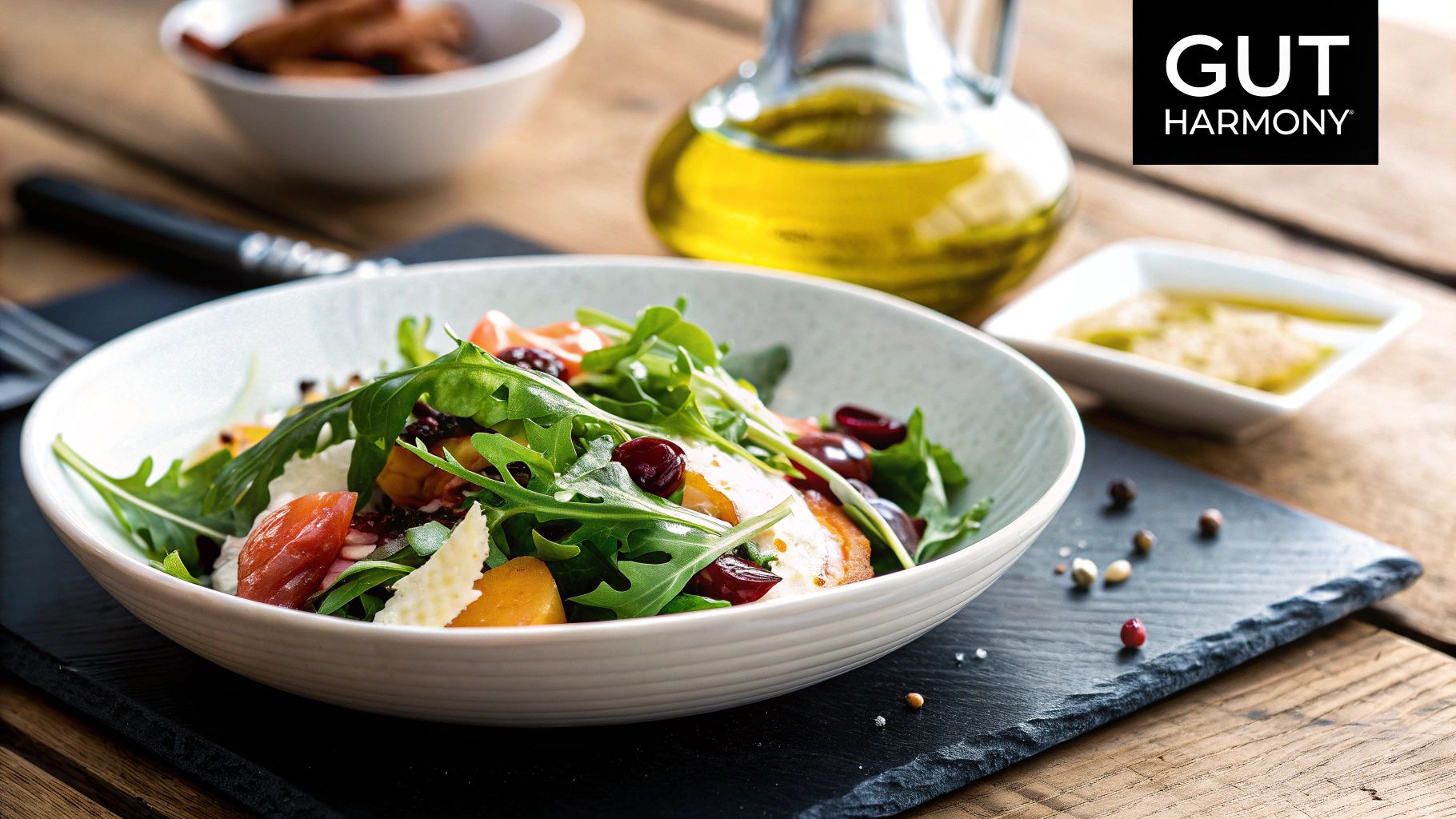
This beneficial impact on gut health deserves a prominent place on the list of olive oil health benefits due to the growing recognition of the gut-body connection. Research increasingly links gut health to a wide array of health conditions, from autoimmune diseases and metabolic disorders to mood and cognitive function. The specific features of olive oil, namely its prebiotic and antimicrobial properties, combined with its anti-inflammatory effects, make it a valuable dietary component for supporting optimal digestive health.
Pros:
- May help prevent or manage ulcerative colitis and other inflammatory bowel diseases (IBD).
- Supports regular bowel movements and reduces constipation.
- Protects the stomach lining from damage.
- Enhances absorption of fat-soluble vitamins and nutrients.
Cons:
- May trigger symptoms in some individuals with irritable bowel syndrome (IBS).
- Can worsen symptoms in those with bile acid malabsorption.
- High consumption may cause digestive discomfort in sensitive individuals.
Examples of Successful Implementation:
- A study published in the Food & Function journal showed that olive oil polyphenols increased the abundance of beneficial Bifidobacteria in the gut.
- Research in the BMC Cancer journal found that olive oil protects against colorectal cancer, partly through its positive modulation of the gut microbiome.
Tips for Incorporating Olive Oil for Gut Health:
- Consume 1-2 tablespoons of high-quality olive oil daily: Consider taking it on an empty stomach to coat and protect the digestive tract.
- Use it in salad dressings: This enhances nutrient absorption from vegetables.
- Choose cold-pressed, unfiltered oils: These retain the maximum prebiotic content and beneficial polyphenols.
- Combine olive oil with fermented foods: This creates a synergistic effect, further promoting microbiome diversity. Think olive oil drizzled over sauerkraut or kimchi.
Popularized by:
- Dr. Emeran Mayer, gastroenterologist and gut health expert.
- Dr. Gerard Mullin, author of The Gut Balance Revolution.
- Numerous researchers studying the gut health benefits of the Mediterranean diet.
By incorporating these tips and understanding the potential benefits and drawbacks, you can leverage the power of olive oil to support your gut health journey.
9. Skin and Hair Health
Olive oil isn't just a culinary staple; it's a potent natural remedy for achieving radiant skin and lustrous hair. This remarkable olive oil health benefit stems from its unique composition, rich in squalene, vitamin E, and antioxidants. These components work synergistically to protect, nourish, and rejuvenate both skin and hair, making it a deserving addition to any health-conscious individual's routine.
How Olive Oil Benefits Skin and Hair:
Olive oil's magic lies in its ability to mimic the skin's natural sebum, thanks to the presence of squalene. This helps maintain the skin's moisture barrier, preventing dryness and dehydration. Vitamin E, a powerful antioxidant, protects skin cells from damage caused by free radicals, which are unstable molecules that contribute to aging and various skin conditions. Furthermore, olive oil's anti-inflammatory properties can help soothe irritated skin and manage conditions like eczema and psoriasis. These benefits extend to the hair and scalp as well, with olive oil moisturizing and strengthening hair strands, reducing breakage and promoting healthy growth.
Examples of Olive Oil's Efficacy:
The benefits of olive oil for skin and hair aren't just anecdotal. A study published in the PLOS ONE journal linked olive oil consumption to a 31% reduction in skin aging. Another study in Dermatology and Therapy demonstrated the effectiveness of olive oil, when combined with sunflower oil, in treating atopic dermatitis. These findings underscore the scientific basis for olive oil's use in skincare and haircare.
Actionable Tips for Incorporating Olive Oil into Your Routine:
- For Hair: Warm a small amount of olive oil and massage it into your scalp. Leave it on for 30 minutes before washing your hair. This treatment can help moisturize the scalp, strengthen hair follicles, and add shine.
- For Face: Mix olive oil with honey to create a natural hydrating face mask. Apply it to clean skin and leave it on for 15-20 minutes before rinsing.
- For Dry Skin: Apply olive oil to damp skin after showering to lock in moisture.
- For Dietary Benefits: Consume 1-2 tablespoons of high-quality extra virgin olive oil daily as part of a balanced diet. This contributes to overall health, including skin and hair health.
Pros and Cons of Using Olive Oil for Skin and Hair:
Pros:
- Reduces visible signs of aging like wrinkles and fine lines.
- Helps manage inflammatory skin conditions.
- Strengthens hair and reduces breakage.
- Offers benefits through both topical application and consumption.
Cons:
- May cause breakouts in acne-prone skin when applied topically.
- Can be heavy and greasy for some skin and hair types.
- May not be suitable for oily skin.
- Topical use can stain clothing.
Historical and Modern Uses of Olive Oil for Beauty:
The use of olive oil for beauty dates back to ancient civilizations. Ancient Egyptians and Greeks incorporated olive oil into their beauty practices, recognizing its nourishing and protective properties. Even today, celebrities like Sophia Loren have attributed their radiant beauty to regular olive oil use. Furthermore, renowned hairstylist Frederic Fekkai incorporates olive oil into his hair treatments, demonstrating its continued relevance in the modern beauty industry.
By understanding the multifaceted olive oil health benefits for skin and hair, and by following these simple tips, you can harness the power of this natural ingredient to achieve a healthy and radiant glow from the inside out.
10. Bone Health Support
While olive oil's cardiovascular benefits are well-established, emerging research suggests it also plays a promising role in supporting bone health, adding another compelling reason to include it in your diet. This makes it a valuable addition to any discussion of olive oil health benefits. It may offer protection against osteoporosis and age-related bone density loss, making it particularly important for maintaining mobility and quality of life as we age.
Olive oil's bone-protective effects are attributed to several factors. Compounds like oleuropein, a potent polyphenol, appear to stimulate osteoblast activity (the cells responsible for building new bone) while inhibiting osteoclasts (cells that break down bone). These polyphenols also reduce oxidative stress in bone tissue, further contributing to bone health. Additionally, olive oil's anti-inflammatory properties help mitigate inflammation-related bone loss, a factor in conditions like rheumatoid arthritis. Furthermore, olive oil appears to enhance calcium absorption and utilization, maximizing the benefits of calcium intake for bone strength.
Features and Benefits:
- Contains oleuropein: Stimulates bone formation and inhibits bone breakdown.
- Provides polyphenols: Reduce oxidative stress in bone tissue, protecting against damage.
- Enhances calcium absorption and utilization: Maximizes the benefits of dietary calcium.
- Reduces inflammation associated with bone loss: Protects against inflammatory bone conditions.
Pros:
- Associated with higher bone density: Studies, particularly within Mediterranean populations consuming olive oil regularly, have shown a correlation with higher bone density.
- May help prevent age-related bone mass decline: Offers potential protection against osteoporosis and fractures.
- Works synergistically with Mediterranean diet components: Combining olive oil with other bone-healthy foods in the Mediterranean diet amplifies its benefits.
- Benefits both men and women: Bone health support is crucial for both genders, and olive oil offers advantages for everyone.
Cons:
- Research more preliminary than for other benefits: While promising, more extensive research is needed to fully understand the extent of olive oil's impact on bone health.
- Not a replacement for calcium and vitamin D: Olive oil complements, but doesn't replace, the need for adequate calcium and vitamin D intake.
- May take years of consistent consumption to see significant benefits: Like many lifestyle changes, incorporating olive oil for bone health requires long-term commitment.
- Optimal dose for bone health not established: Further research is needed to determine the most effective daily dose for maximizing bone benefits.
Examples of Research:
- The PREDIMED study, a large-scale randomized trial, found lower fracture rates in participants following a Mediterranean diet supplemented with olive oil, highlighting its protective role.
- A study published in the Journal of Clinical Endocrinology & Metabolism showed that olive consumption was associated with higher osteocalcin levels, a marker of bone formation.
Tips for Incorporating Olive Oil for Bone Health:
- Consume 2-3 tablespoons of extra virgin olive oil daily: Integrate it into your diet as part of a bone-healthy eating plan.
- Combine with weight-bearing exercise: Exercise stimulates bone growth and density, working synergistically with olive oil's benefits.
- Pair with calcium-rich foods: Consume olive oil alongside leafy greens, dairy products, and other calcium sources for optimal absorption and utilization.
- Choose extra virgin olive oil: Extra virgin varieties contain the highest concentration of beneficial polyphenols.
Popularized By:
Experts like Dr. José Manuel Fernández-Real, a renowned bone health researcher, and various Mediterranean osteoporosis prevention programs have highlighted the link between olive oil consumption and bone health. Nutritionists promoting Mediterranean dietary patterns also emphasize the importance of olive oil for overall skeletal well-being.
By incorporating olive oil into a balanced diet alongside other healthy lifestyle choices, you can harness its potential benefits for building and maintaining strong, healthy bones throughout your life.
Olive Oil Health Benefits: A 10-Point Comparison
| Benefit | 🔄 Implementation Complexity | ⚡ Resource Requirements | 📊 Expected Outcomes | 💡 Ideal Use Cases | ⭐ Key Advantages |
|---|---|---|---|---|---|
| Heart Health Protection | Low – simple daily substitution (1-2 tbsp) | Moderate – requires high-quality EVOO | Up to 30% reduced heart disease risk and improved cholesterol levels | Mediterranean diet and cardiovascular care | Natural cholesterol management with strong clinical support |
| Anti-inflammatory Properties | Low – best used raw in dressings | Low to Moderate – using unheated, quality olive oil | Reduced inflammatory markers and symptom relief in arthritis and inflammation | Chronic inflammation management and dietary support | Natural NSAID-like effects without medication’s side effects |
| Reduced Risk of Stroke | Low – easily added to meals | Moderate – consistent use with quality oil | Up to 41% lower stroke risk through improved blood flow and pressure | Cardiovascular and stroke prevention diets | Multi-mechanism protection with blood pressure and clot prevention support |
| Weight Management Support | Low – simple replacement in meals | Low – minimal adjustments to daily diet | Enhanced satiety and reduced waist circumference | Diet plans targeting weight control | Boosts metabolism and increases meal satisfaction without weight gain |
| Diabetes Prevention and Management | Low – substitute fats in cooking | Low to Moderate – maintain calorie count with quality oil | Improved glycemic control and up to 16% lower risk of type 2 diabetes | Diabetic or pre-diabetic dietary strategies | Dual benefits for blood sugar regulation and cardiovascular health |
| Brain Health and Cognitive Function | Moderate – requires consistent long-term use | Moderate – high-phenol extra virgin olive oil is ideal | 28-40% reduced risk of cognitive decline and enhanced memory function | Aging populations and cognitive care regimens | Neuroprotection with anti-amyloid and antioxidant support |
| Cancer Risk Reduction | Moderate – best when used raw to preserve bioactives | Moderate to High – must use high-quality, fresh olive oil | Up to 25% reduced risk of breast cancer and potential defense against other cancers | Cancer prevention-focused diets | Multi-mechanistic anti-cancer properties via polyphenols and squalene |
| Gut Health Improvement | Low – incorporate in dressings or as a morning boost | Low – easily accessible and affordable | Improved gut microbiome balance and enhanced nutrient absorption | Digestive health and microbiome support | Acts as a natural prebiotic with anti-inflammatory digestive benefits |
| Skin and Hair Health | Low – can be applied topically or used in diet | Low – readily available ingredient for dual use | Reduced signs of aging, improved skin moisture, and healthier hair | Beauty routines and dermatological care | Anti-aging, moisturizing, and regenerative benefits for skin and hair |
| Bone Health Support | Moderate – requires regular, long-term consumption | Moderate – pairing with calcium-rich foods recommended | Higher bone density and reduced age-related bone loss | Osteoporosis prevention and elderly nutrition | Supports osteoblast activity and enhances calcium absorption |
Embrace the Olive Oil Advantage
From protecting your heart to potentially reducing the risk of chronic diseases like cancer and diabetes, the olive oil health benefits are truly remarkable. This ancient elixir, a cornerstone of the Mediterranean diet, offers a wealth of advantages, including anti-inflammatory properties, support for weight management, improved brain health and cognitive function, and even benefits for your skin, hair, and bones. We've explored how incorporating olive oil into your diet can contribute to a healthier lifestyle by mitigating the risk of stroke and enhancing gut health, among other benefits. Mastering the understanding of these olive oil health benefits empowers you to make informed dietary choices that can significantly impact your overall well-being and longevity.
By consciously choosing to include olive oil in your daily meals, you're not just adding flavor; you're investing in your long-term health. From drizzling it over salads to using it in your cooking, embracing olive oil can be a simple yet powerful step towards a healthier and more vibrant you. Want to delve deeper into the world of olive oil and discover how to select and use the best varieties for optimal health benefits? Explore Learn Olive Oil for expert guidance and resources to maximize the power of this liquid gold. This comprehensive resource provides valuable insights into the different types of olive oil and their unique properties, empowering you to make the most informed choices for your well-being.

 Learn Olive Oil
Leave a comment