Why Your Body Is Fighting An Invisible War
Inside your body, a low-level battle is happening right now. You likely can't feel it, but this silent conflict, known as chronic inflammation, can wear down your body’s defenses over time. Imagine it like a car alarm that never stops blaring; at first, it's a helpful warning, but left on, it becomes a major drain on the battery. This long-term state of alert is more than just a nuisance; it's a key factor in many serious health conditions.
This invisible war quietly contributes to diseases that can greatly affect your quality of life. Unlike the immediate, helpful swelling you see with a cut or infection (acute inflammation), chronic inflammation is a slow-burning fire. This ongoing state is linked to a higher risk of heart disease, type 2 diabetes, and certain cognitive issues. In fact, research indicates that as many as three out of every five people worldwide die from diseases related to chronic inflammation. Modern lifestyles, filled with processed foods and high stress, often fan these internal flames.
The Hidden Threat in Modern Life
The real problem with chronic inflammation is how quietly it operates. It doesn't show up with obvious, sudden symptoms. Instead, it slowly chips away at the body's natural strength. This is why many common health approaches only address the symptoms after the damage is already done. However, a powerful solution that has been part of human diets for millennia offers a way to calm this internal conflict. The answer is found in the remarkable anti-inflammatory properties of olive oil, which acts like a natural peacekeeping force for your cells.
As you can see in this overview from Wikipedia, olive oil is a cornerstone of the Mediterranean diet, long celebrated for promoting health and longevity.
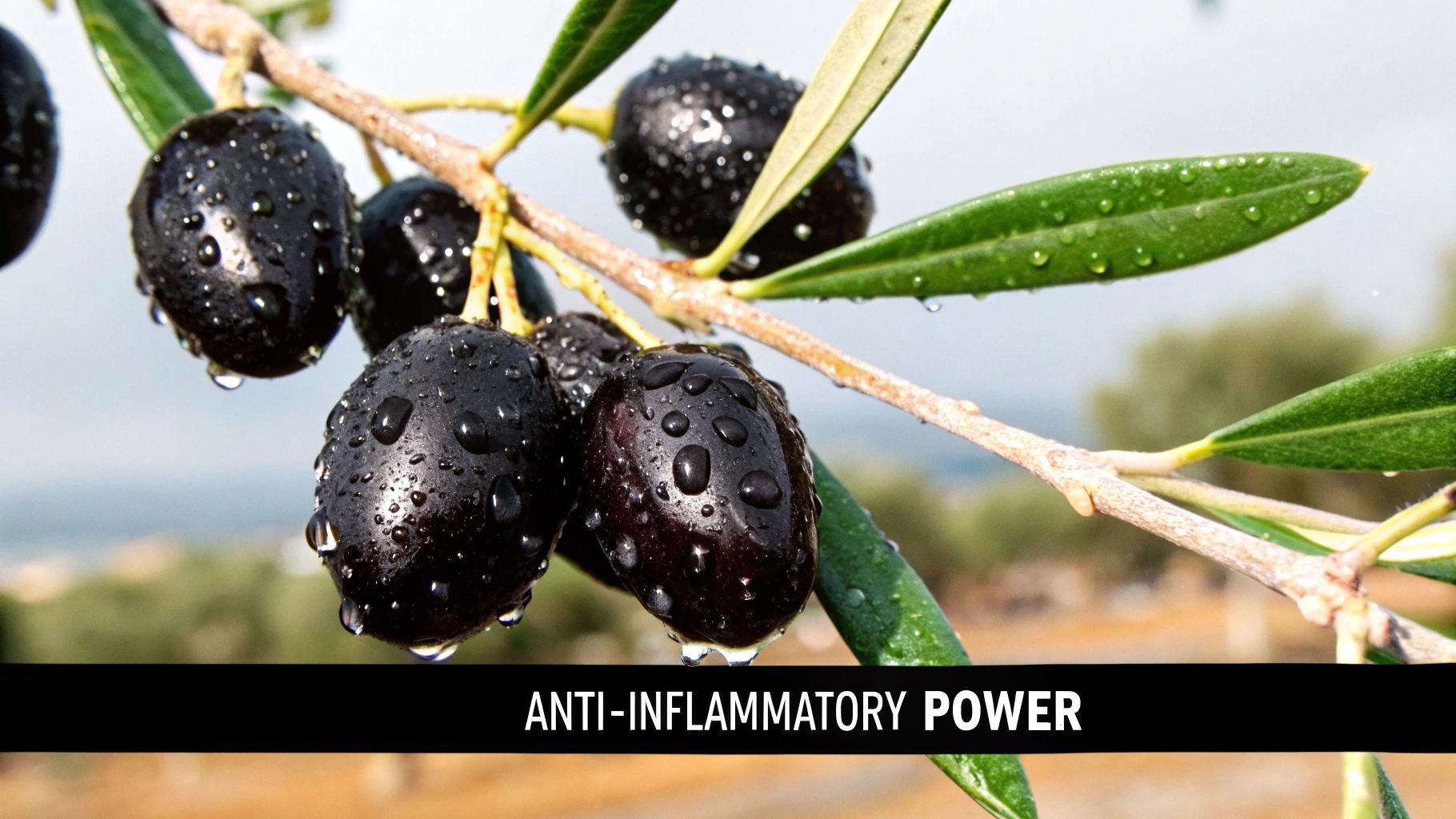
The high concentration of monounsaturated fats and bioactive compounds in olive oil is key to its health benefits. These elements work together to actively lower the markers of inflammation in the body. By understanding how to use this natural tool, you can start to quiet the invisible war inside. Next, we’ll look at the specific compounds that make olive oil such a potent anti-inflammatory agent and see how they protect your health at a molecular level.
The Molecular Magic Behind Olive Oil's Healing Power
The powerful anti-inflammatory effect of olive oil isn't just a vague health claim; it’s driven by specific molecules working together like a skilled team inside your body. Think of chronic inflammation as a complex lock and olive oil as holding a set of perfectly shaped keys. These keys are its bioactive compounds, mainly oleic acid and a class of antioxidants called polyphenols, each playing a unique role in calming your body's inflammatory responses.
The primary fat in olive oil is oleic acid, a monounsaturated fat that makes up 55-83% of its composition. While many healthy fats are good for you, oleic acid is especially skilled at reducing inflammatory markers like C-reactive protein (CRP). It works quietly in the background, helping restore balance and setting the stage for more targeted compounds to do their work.
Nature's Ibuprofen: The Power of Oleocanthal
Beyond oleic acid, the real stars of the show are the polyphenols, which give high-quality extra virgin olive oil its signature peppery and slightly bitter taste. One of the most studied of these is oleocanthal. This compound is so effective that it has earned the nickname "nature's ibuprofen."
That’s because it works in a strikingly similar way to the over-the-counter pain reliever, inhibiting the same inflammatory enzymes. Research shows that regularly consuming extra-virgin olive oil rich in oleocanthal can help manage symptoms of chronic inflammatory diseases. You can discover more research about these therapeutic effects on PubMed.
This infographic shows how olive oil's key compounds lead to its healing actions.
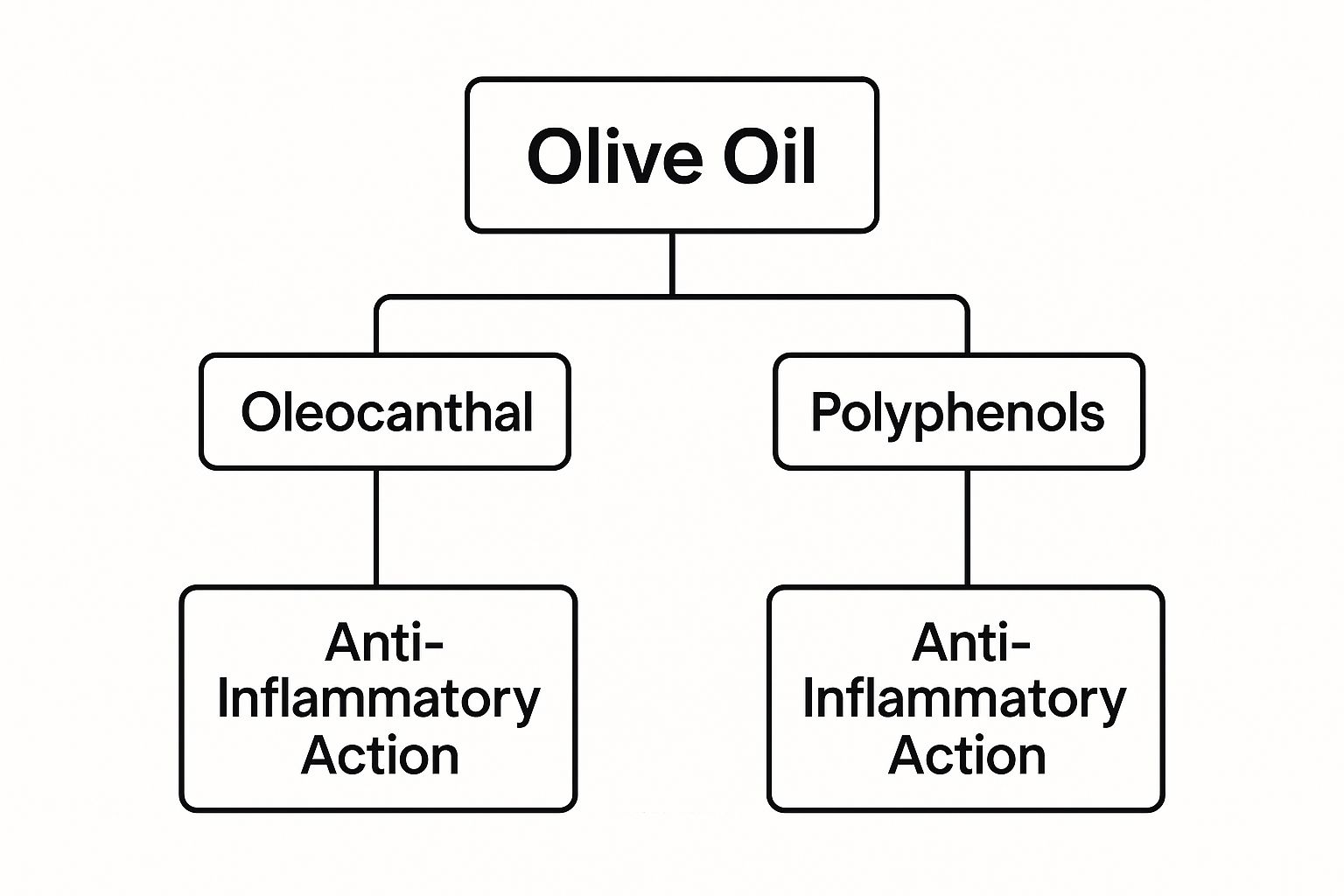
As the visual shows, both oleocanthal and other polyphenols offer direct pathways to reducing inflammation. This combination of oleic acid’s broad support and the targeted power of polyphenols is what makes the anti-inflammatory benefit of olive oil so potent.
Key Compounds and Their Actions
To better understand how these components work, let's look at the main players and their specific jobs in fighting inflammation. The table below breaks down the key compounds, how they work, and the benefits they provide.
| Compound | Mechanism | Health Benefits | Concentration in EVOO |
|---|---|---|---|
| Oleocanthal | Inhibits COX-1 and COX-2 enzymes, similar to ibuprofen. | Reduces inflammation and pain, particularly in joints and tissues. May protect against neurodegenerative diseases. | Varies greatly; higher in early-harvest, high-quality EVOO. Responsible for the peppery sensation. |
| Hydroxytyrosol | A potent antioxidant that neutralizes free radicals. | Protects cells from oxidative stress, supports cardiovascular health, and reduces inflammation-induced damage. | One of the most abundant and bioavailable polyphenols in olive oil. |
| Oleic Acid | A monounsaturated fatty acid that lowers inflammatory markers like C-reactive protein (CRP). | Supports overall heart health, helps maintain a balanced inflammatory response, and improves cell function. | 55-83% of the total fatty acid content, forming the foundation of olive oil. |
The teamwork between these components provides a multi-faceted defense against chronic inflammation. Oleocanthal directly blocks pain pathways, hydroxytyrosol acts as a cellular bodyguard, and oleic acid creates a less reactive internal environment. Together, they address the underlying processes that drive chronic inflammation, offering a natural and effective way to support your long-term health.
Life-Changing Health Improvements You Can Actually Experience
Let's move from the science happening inside our cells to the results you can actually feel. The consistent use of olive oil for its anti-inflammatory properties can lead to noticeable, real-world health improvements. The molecular activity of its compounds creates a protective shield against many common chronic conditions. Think of it less as a simple supplement and more like a foundational upgrade to your body's internal systems, improving how it handles daily wear and tear.
These benefits are not just theoretical; they are supported by significant research. Regular consumption of high-quality olive oil is strongly linked to a lower risk of diseases where inflammation is a primary factor, such as heart disease and cognitive decline. The effect is powerful enough to influence longevity. For instance, a major study revealed that individuals who consumed over half a tablespoon of olive oil daily had a 19% lower risk of mortality compared to those who used less. This impressive statistic shows how a simple dietary choice can have a profound impact on long-term health, mainly by calming the chronic inflammation that underlies many degenerative diseases. You can read more about these mortality risk findings on health.harvard.edu.
From Joint Pain to Heart Health
The improvements can be felt in very personal ways. For those dealing with joint stiffness, the oleocanthal in olive oil can offer tangible relief, working much like a gentle, daily dose of ibuprofen. This could mean less morning achiness and greater freedom of movement. Similarly, the advantages for cardiovascular health are well-established and can be measured.
Here are some of the key improvements you might experience:
- Better Cardiovascular Markers: By helping to lower "bad" LDL cholesterol and reduce inflammation in the arteries, olive oil supports a flexible and clear circulatory system. This can contribute to better blood pressure readings and a healthier heart.
- Enhanced Brain Function: The anti-inflammatory and antioxidant compounds in olive oil help shield brain cells from damage. This supports better memory, focus, and a reduced risk of age-related cognitive problems.
- Improved Energy and Vitality: When your body isn't using its resources to fight a constant, low-level inflammatory battle, more energy is freed up for your daily activities. Many people report feeling more vibrant and resilient.
By making high-phenol extra virgin olive oil a staple in your diet, you are actively investing in your future well-being. These changes often create a positive feedback loop: feeling better encourages healthier habits, leading to a truly meaningful improvement in your quality of life.
Learning From The World's Healthiest Populations
When we want to see how food truly affects our health, some of the best evidence comes from studying entire populations. For decades, scientists have been captivated by the impressive health and long lives of people in regions around the Mediterranean Sea. Their secret isn't just one magic ingredient but a whole way of life, and at the center of it is the generous use of extra virgin olive oil. This is more than a cultural habit; it's a living, breathing demonstration of an olive oil anti inflammatory diet in action.
This way of eating, known as the Mediterranean diet, consistently links to better health outcomes. It’s a sharp contrast to the standard Western diet, which is often loaded with processed foods, unhealthy fats, and sugars that can fuel inflammation. The Mediterranean approach, filled with fruits, vegetables, fish, and olive oil, gives the body a steady stream of compounds that help calm inflammation.
The Power of A Dietary Pattern
The health differences between these two eating styles are significant. Imagine your body is a garden. A Western diet is like planting seeds of chronic inflammation. In contrast, the Mediterranean diet is like regularly watering your garden with nourishing, anti-inflammatory compounds. This consistent care helps create a healthy internal environment where chronic diseases find it difficult to grow.
For example, a major analysis covering over 841,000 people showed a strong connection between higher olive oil intake and a lower risk of heart disease and stroke. This large body of evidence points to a clear conclusion: making olive oil your main source of fat is a powerful move for protecting your cardiovascular system. You can discover more about these cardiovascular findings from Healthline.
Mediterranean Diet vs Standard Western Diet: Inflammation Markers
To really see the difference, it's helpful to look at how these diets affect specific health markers related to inflammation. The following table compares key inflammatory markers and health outcomes between the two dietary patterns.
| Health Marker | Mediterranean Diet | Western Diet | Improvement Percentage |
|---|---|---|---|
| C-Reactive Protein (CRP) | Lower Levels (avg. <1.0 mg/L) | Higher Levels (avg. >3.0 mg/L) | Up to 75% Lower |
| Cardiovascular Event Risk | Reduced Risk by 30% | Increased Risk | 30% Reduction |
| Gut Microbiome Diversity | High Diversity & Richness | Low Diversity & Richness | Up to 50% More Diverse |
| Oxidative Stress Markers | Low Levels | High Levels | Up to 40% Lower |
This data clearly shows how a diet centered on whole foods and olive oil can create measurable improvements in the body's key defense systems.
By taking lessons from the world's healthiest people, you can apply these proven strategies to your own life. The aim is to make the olive oil anti inflammatory benefits a core part of your daily habits, shifting your body away from a state of constant alert and toward one of balance and well-being.
Avoiding The Olive Oil Traps That Waste Your Money
Here's an uncomfortable truth: many bottles labeled "extra virgin olive oil" on store shelves lack the very compounds that give them their powerful anti-inflammatory effects. The market is flooded with low-quality or even fake products, making it easy to spend a lot of money on what is essentially just cooking fat. To get the olive oil anti inflammatory benefits you are paying for, you need to shop smarter. This means looking past the fancy labels and learning to recognize the true signs of a quality product.
The key difference comes down to how the oil is made. True extra virgin olive oil is cold-pressed from olives. This mechanical process is gentle enough to preserve delicate polyphenols like oleocanthal. In contrast, cheaper oils simply labeled "light" or "pure" are often refined using heat and chemicals, which destroy these valuable compounds.
Decoding Labels and Certifications
Walking down the olive oil aisle can feel confusing, but a few key details on the label can help you find a good bottle. Paying attention to specifics that signal authenticity and freshness is crucial, as these are directly linked to the oil's anti-inflammatory power.
Wikipedia offers a helpful overview of what "extra virgin" really means.
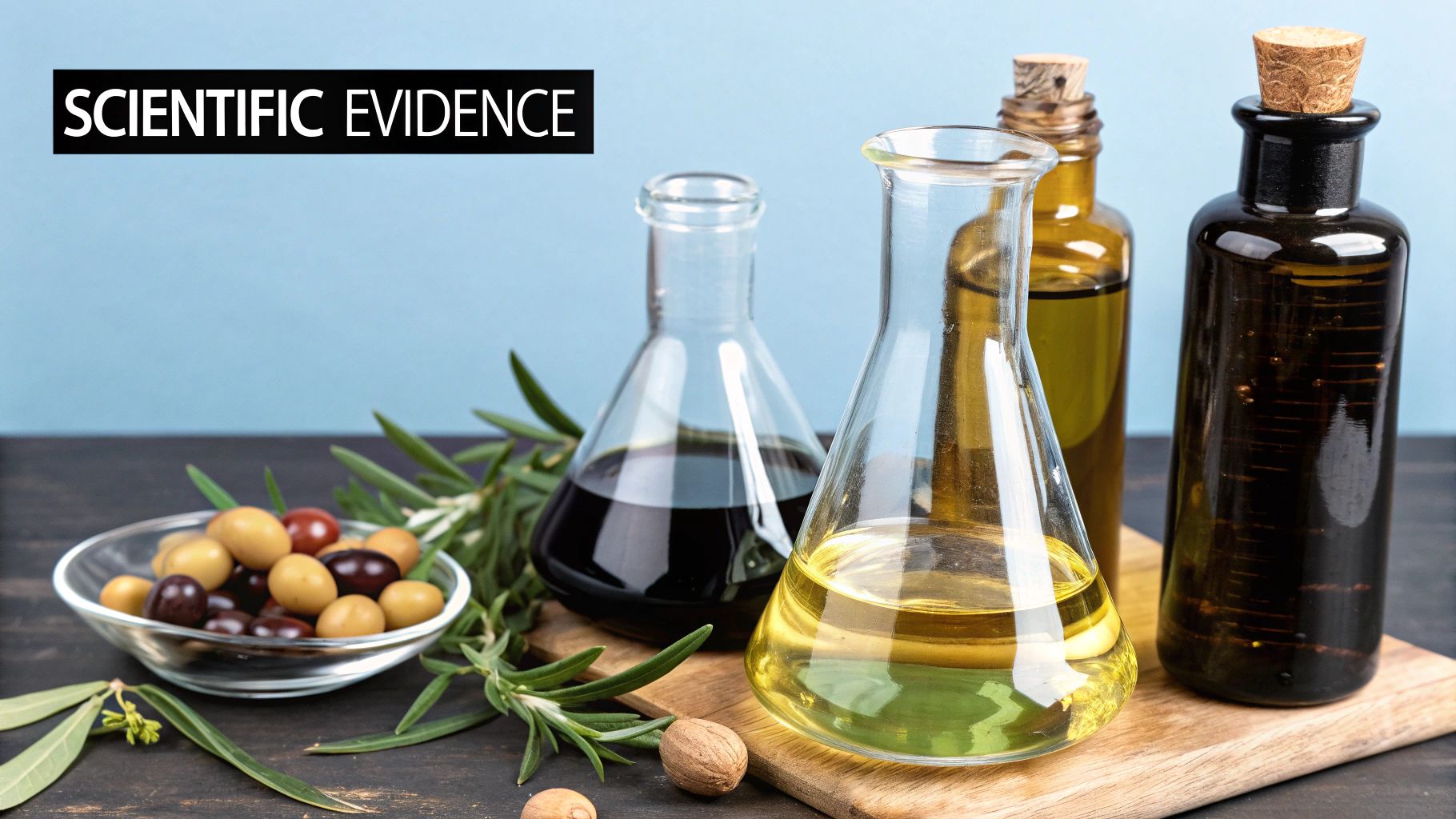
As the description shows, true extra virgin status isn't just a marketing term. It's determined by both chemical tests and sensory analysis to ensure the oil is free from defects. This strict quality control is what preserves the anti-inflammatory compounds.
To protect your wallet and your health, look for oils that provide the following information:
- Harvest Date: Freshness is everything. An oil is at its best right after it's made. Look for a specific harvest date on the bottle and choose the most recent one. If there's no date, it's a red flag.
- Dark Glass Bottle: Light is a major enemy of olive oil, causing it to break down quickly. A dark, opaque bottle acts like sunglasses, protecting the delicate polyphenols inside from damage.
- Third-Party Certifications: Seals from groups like the California Olive Oil Council (COOC) or the PDO (Protected Designation of Origin) in Europe provide an extra layer of proof. You can find out more about these quality seals from guides like the one at Learn Olive Oil.
By equipping yourself with this knowledge, you can steer clear of common traps and confidently choose a high-quality, polyphenol-rich olive oil that truly benefits your health.
Making Olive Oil Work In Your Real Life
Knowing that an olive oil anti-inflammatory diet is good for you is one thing. Actually weaving it into your daily meals is where the real magic happens. This isn't about a complete overhaul of your kitchen or your budget. Instead, think of it as adopting a small, helpful habit, much like daily stretching—it feels best when it becomes a natural, almost effortless, part of your routine.
How Much Is Enough?
To tap into the health-promoting effects seen in studies, a good target is 2 to 4 tablespoons (30-60 ml) of high-quality extra virgin olive oil per day. This amount is frequently linked to better cardiovascular health and lower inflammation markers. Don't feel you need to hit this number on day one. Start with what feels right for you, maybe a single tablespoon, and gradually work your way up as you discover new, tasty ways to use it.
Creative Ways to Use Olive Oil
The secret to hitting your daily goal without getting bored is to think beyond the salad bowl. Here are a few simple and effective ideas to make olive oil a delicious part of every meal:
- Boost Your Breakfast: A drizzle over avocado toast adds richness. Blending a tablespoon into a fruit smoothie gives it a creamy texture and a dose of healthy fats. You can even use it to fry your morning eggs.
- Enhance Your Lunch: Beyond dressing a green salad, try mixing it into tuna or chicken salad for extra moisture and flavor. A swirl over a warm bowl of soup right before you eat adds a beautiful finish.
- Elevate Your Dinner: It’s perfect for sautéing vegetables or creating a simple marinade for fish and chicken. For a pro-level touch, pour a generous amount over roasted vegetables right after they come out of the oven. Finishing a dish this way helps preserve the most delicate polyphenol compounds.
- Smarter Snacking: A classic and elegant snack is whole-grain bread dipped in high-quality olive oil and herbs. You can also drizzle it over popcorn instead of butter for a healthier, anti-inflammatory treat.
By finding these small opportunities throughout the day, you’ll naturally integrate this liquid gold into your diet. This approach isn't just about consuming more olive oil; it's about building a solid foundation for a less inflammatory life, one delicious meal at a time.
Your Roadmap To Anti-Inflammatory Success
Knowing how olive oil can calm inflammation is one thing, but putting that knowledge into practice is what truly makes a difference. To see real results, you need a sustainable plan. This roadmap is here to guide you, offering simple and effective strategies to bring the anti-inflammatory benefits of olive oil into your daily routine.
Your Action Plan for Success
The goal is to make these changes a natural part of your life, not another item on your to-do list. A great starting point is to aim for 2-3 tablespoons of high-quality extra virgin olive oil each day. This isn't a rigid rule but a practical benchmark that scientific studies have linked to positive health outcomes. As you build this habit, listen to your body and notice how you feel.
Here’s a simple guide to get you started:
- Select Smart: Always opt for extra virgin olive oil. Look for a dark, opaque bottle to protect it from light, and check for a recent harvest date. Quality certifications like COOC or PDO are also good signs.
- Store Properly: Keep your oil in a cool, dark place, like a cupboard away from the stove. Heat and light are the primary enemies of those valuable polyphenols.
- Consume Creatively: To preserve its delicate compounds, drizzle it over finished dishes. It’s perfect on soups, roasted vegetables, or even avocado toast. For a quick and easy boost, try adding a tablespoon to your morning smoothie.
Monitoring Your Progress and Staying on Track
Seeing improvements, no matter how small, can be a powerful motivator. While you won't feel a change overnight, you can look for subtle yet meaningful signs over the coming weeks and months.
| Progress Indicator | What to Look For | Troubleshooting Tip |
|---|---|---|
| Energy Levels | A gradual increase in daily energy and feeling less tired in the afternoon. | If you don't feel a difference, confirm your oil is a high-polyphenol variety and consider other dietary habits. |
| Joint Comfort | Experiencing less morning stiffness or reduced discomfort after physical activity. | Consistency is essential. Make sure you consume it daily for at least 4-6 weeks to give it time to work. |
| Digestive Health | Noticing improved regularity and less bloating, thanks to the healthier fats. | If your digestive system is sensitive, start with a smaller amount (1 tablespoon) and increase it slowly. |
This journey is about building lasting, positive habits, not achieving perfection. By following this simple roadmap, you are actively taking a step toward a less inflammatory and more vibrant future.
Ready to find the right olive oil to begin? You can explore expert guides and recommendations to help you make a confident choice. Learn more about the best olive oils and how to select them at Learn Olive Oil.

 Learn Olive Oil
Leave a comment