The Fascinating Science Behind EVOO And Weight Loss
Extra virgin olive oil (EVOO) has long been lauded for its health benefits. Its role in weight loss, however, is often a subject of discussion. This isn't simply about calories; it's about EVOO’s unique composition and how it interacts with the body. Understanding this complex relationship is crucial to unlocking EVOO's weight management potential.
The Power of Monounsaturated Fats
One of EVOO's key features is its high monounsaturated fat content. Unlike saturated and trans fats, which can contribute to weight gain and various health problems, monounsaturated fats have been shown to support weight loss. These healthy fats are important for promoting satiety, meaning you feel fuller for longer after eating, naturally reducing your calorie intake.
Oleic Acid: The Weight Loss Champion
Oleic acid, the primary monounsaturated fat in EVOO, plays a major role in this weight loss narrative. It has been linked to improved insulin sensitivity, helping regulate blood sugar levels and prevent energy crashes that can lead to cravings and overeating. This blood sugar stability is vital for maintaining a healthy weight.
The Anti-Inflammatory Effect
Chronic inflammation can hinder weight loss, making it harder to lose extra weight. EVOO contains anti-inflammatory compounds, such as oleocanthal, that help combat this. By reducing inflammation, EVOO creates a better environment for weight loss and overall metabolic health. Imagine trying to run a race with a sprained ankle. It’s much harder to perform well. Similarly, chronic inflammation can slow down your metabolism and complicate weight loss.
The Impact on Satiety Hormones
EVOO also influences hormones that regulate appetite. It has been shown to increase the production of peptide YY, a hormone that signals fullness to the brain. This further contributes to the feeling of satiety and can help prevent overeating. Peptide YY acts like a messenger, telling your brain you're full. EVOO amplifies this message, making it easier to maintain healthy portion sizes.
A 2017 study found that consuming EVOO as part of a calorie-restricted diet helped reduce body fat and improve blood pressure in participants. This suggests that incorporating EVOO into weight loss plans could be beneficial, not only for cardiovascular health, but also for managing body fat. Learn more here. This research highlights EVOO's potential as a valuable tool in weight management strategies.
Beyond Calories: Focusing on Quality
The science behind EVOO and weight loss shows that it's not just about reducing calories; it's about choosing the right calories. EVOO, with its unique combination of healthy fats and bioactive compounds, provides a multifaceted approach to weight management. It emphasizes that quality is just as important as quantity for achieving sustainable weight loss.
The Study That Changed Everything About Calories
For decades, the prevailing weight loss mantra centered around "calories in versus calories out." This meant meticulously tracking food intake and diligently exercising to burn more energy than consumed. However, recent research on extra virgin olive oil (EVOO) challenges this conventional wisdom. It suggests the source of calories matters just as much as the quantity.
Challenging The Calorie Counting Paradigm
Traditional low-fat diets often severely restrict calorie intake. This can lead to feelings of deprivation and make the diet difficult to maintain. This is where extra virgin olive oil for weight loss becomes relevant. In a groundbreaking study, researchers discovered a surprising outcome. Participants consuming a diet rich in olive oil, despite a higher calorie intake, experienced greater weight loss than those on a traditional reduced-fat diet.
This finding begs the question: how can consuming more calories lead to greater weight loss? In a study conducted by Mary Flynn and Steven Reinert, participants following a plant-based olive oil diet—including three or more tablespoons of olive oil daily—experienced significant weight loss compared to those on a reduced-fat diet. The surprising element: despite consuming more calories, the olive oil group lost more weight. Learn more about debunking olive oil myths. This study's findings sparked a reevaluation of the role of different fats in weight management.
The Metabolic Advantage of EVOO
The key lies in understanding how the body metabolizes different types of fats. All fats contain about 9 calories per gram, but they aren't processed equally. Extra virgin olive oil, rich in monounsaturated fats, promotes satiety and helps regulate blood sugar levels. This can contribute to reduced cravings and overeating. This metabolic advantage is often overlooked in traditional calorie-counting approaches.
EVOO also contains bioactive compounds with anti-inflammatory properties. Chronic inflammation can hinder weight loss. EVOO's anti-inflammatory effects may create a better environment for weight loss. Imagine trying to lose weight with a persistent injury. The inflammation makes it harder to exercise and recover. Similarly, chronic inflammation can impede metabolic processes related to weight loss.
Rethinking Weight Loss Strategies
This research emphasizes the importance of considering the quality of calories, not just the quantity. Focusing solely on calorie restriction can lead to nutrient deficiencies and unsustainable dieting practices. Incorporating healthy fats like extra virgin olive oil can support satiety, promote metabolic health, and contribute to long-term weight management success.
Simply cutting calories without considering their source may be counterproductive for weight loss. By choosing nutrient-rich, healthy fats like those in EVOO, you can support your body’s natural processes and achieve sustainable weight loss. This shift from calorie restriction to calorie quality is a significant advancement in our understanding of weight management.
Making Sense Of Mixed Research Results
The potential of extra virgin olive oil (EVOO) for weight loss has been a popular research topic. However, studies don't always show the same results. This doesn't mean EVOO isn't beneficial, but rather highlights the complexities of human metabolism. Understanding the reasons behind these variations can help you make informed decisions about using EVOO in your weight loss plan.
Deciphering the Nuances of Research
One key factor is methodology. Studies differ in length, participant demographics, dietary controls, and the type of EVOO used. Some studies focus on short-term effects, others on long-term. Factors like age, activity level, and pre-existing health conditions can also influence results.
Another important aspect is EVOO dosage. Some studies use small amounts, while others use larger amounts. This variation can lead to different outcomes, making it essential to consider the dosage when evaluating findings. Comparing results across studies requires careful consideration of the methods used.
Participant Variability and Its Influence
Individual responses to dietary changes vary based on genetics, gut microbiome composition, and lifestyle. This variability contributes to the range of outcomes observed in EVOO research. What works for one person might not work for another.
Adherence to dietary protocols also matters. Participants who closely follow the diet tend to show more consistent results than those who don't. This highlights the importance of individual commitment to dietary guidelines.
The Mediterranean Diet Context
A review of six randomized controlled trials (available here) showed varying effects of EVOO on weight loss. Some showed significant reductions in body weight, while others showed less consistent results. Despite this, the Mediterranean diet, rich in olive oil, is linked to lower obesity rates and better weight management. This suggests a potential synergy between EVOO and other elements of a healthy diet. It's about the whole approach to eating, not just one ingredient.
The Importance of Holistic Interpretation
While individual studies offer valuable insights, it's crucial to look at the bigger picture. Examining the total body of evidence, including meta-analyses and systematic reviews, helps identify consistent patterns. Understanding the research context, including any limitations, allows for a more nuanced interpretation of the findings.
By understanding these factors, you can critically assess EVOO research. Don't just focus on attention-grabbing headlines. A careful review of the scientific evidence helps you make choices that align with your individual needs and weight loss goals.
Your Practical EVOO Implementation Strategy
Now that we understand the science behind using extra virgin olive oil (EVOO) for weight loss, let's explore how to integrate it seamlessly into your daily life. This practical guide offers effective strategies for maximizing EVOO's benefits and achieving sustainable weight management.
Optimal Timing and Quantity for EVOO Consumption
The timing and amount of EVOO you consume play a role in its effectiveness for weight loss. Research suggests several optimal approaches. Consuming a tablespoon of EVOO before meals, for instance, can curb your appetite, promoting a feeling of fullness and potentially leading to reduced food intake. Furthermore, taking EVOO on an empty stomach in the morning may boost your metabolism and enhance fat burning throughout the day.
While a daily intake of 1-3 tablespoons of EVOO is generally recommended, the ideal amount varies depending on individual needs and dietary goals. Keep in mind that even healthy fats contribute to your overall calorie intake.
Strategic Food Combinations with EVOO
Pairing EVOO with specific foods can further amplify its weight loss benefits. One potent combination is EVOO with balsamic vinegar. Balsamic vinegar helps regulate blood sugar, and combining it with EVOO creates a synergistic effect that may improve digestion and nutrient absorption. A salad dressed with EVOO and balsamic vinegar becomes a delicious and supportive element in your weight loss journey.
Using EVOO in your cooking also enhances the flavor of healthy meals. Drizzling it over roasted vegetables or adding it to soups and stews elevates their taste while providing a healthy dose of monounsaturated fats.
Practical Meal Planning and Cooking Techniques
Incorporating EVOO into your meal plan is surprisingly simple. Here are a few ideas:
- Breakfast: Blend a tablespoon of EVOO into your smoothie or drizzle it over your oatmeal.
- Lunch: Create a salad dressing with EVOO or drizzle it over grilled chicken or fish.
- Dinner: Sauté vegetables in EVOO or incorporate it into your pasta sauces.
When cooking with EVOO, it's important to preserve its beneficial properties. Avoid high heat, which can degrade the delicate compounds. Choose lower-temperature cooking methods like sautéing or baking.
To help illustrate practical integration methods, let's take a look at the table below:
Daily EVOO Integration Methods
This table offers simple ways to weave EVOO into your daily routine:
| Meal Time | Method | Amount | Benefits |
|---|---|---|---|
| Breakfast | Add to smoothie or drizzle over oatmeal | 1 tablespoon | Boosts metabolism, provides sustained energy |
| Lunch | Salad dressing base or drizzle over protein | 1 tablespoon | Controls appetite, enhances flavor |
| Dinner | Sauté vegetables or add to sauces | 1 tablespoon | Adds healthy fats, elevates taste, supports satiety |
| Before Bed | Take with chamomile tea | Few drops | Aids digestion, promotes relaxation |
This table provides a quick guide to incorporating EVOO into your daily meals, outlining the recommended amounts and associated benefits.
By consistently implementing these strategies, you can effectively incorporate EVOO into your lifestyle and unlock its potential for sustainable weight loss. Finding enjoyable ways to use EVOO will help you maintain your weight management plan over time.
Selecting The Right EVOO For Maximum Results
Not all extra virgin olive oils (EVOOs) are created equal. Understanding quality differences is crucial for maximizing EVOO's weight loss benefits. This guide helps you navigate olive oil labels and marketing jargon to make informed decisions.
Key Compounds and Processing Methods
EVOO's weight loss effectiveness comes from its beneficial compounds. Phenolic compounds, for instance, contribute to anti-inflammatory and antioxidant properties, supporting metabolic health. These antioxidants protect against free radical damage.
Processing methods significantly impact nutrient content. Cold-pressed EVOO, extracted without heat or chemicals, retains the highest concentration of these compounds. Other methods can diminish these crucial components, reducing potential health benefits.
Quality Indicators and Their Impact
Several factors distinguish high-quality EVOO. The International Olive Council (IOC) sets standards for "extra virgin" classification, including acidity and sensory evaluation. Understanding these factors allows you to choose an EVOO that truly benefits your weight loss journey.
To help illustrate the differences, let's look at a comparison of high-quality and lower-quality EVOO. The following table summarizes key quality factors and their impact on weight loss:
| Quality Factor | High Quality | Lower Quality | Impact on Weight Loss |
|---|---|---|---|
| Acidity Level | Less than 0.8% | Higher | Indicates freshness and higher phenolic content |
| Harvest Timing | Early harvest | Late harvest | Affects flavor profile and nutrient density |
| Storage Conditions | Dark, cool, airtight | Exposed to light/heat | Preserves beneficial compounds |
| Labeling | Clear "extra virgin" | Vague descriptions | Ensures authenticity |
| Sensory Evaluation | Fruity, peppery, bitter | Bland, musty, rancid | Reflects quality and compound concentration |
As this table shows, selecting high-quality EVOO ensures you receive the most beneficial compounds for weight loss. Don't just grab any bottle; informed choices lead to better results.
Navigating Price and Value
While artisanal EVOOs are often pricier, their superior quality can translate into greater weight loss benefits. Consider the long-term value. A high-quality EVOO might have a higher upfront cost, but its concentrated benefits could make it more cost-effective over time. It's an investment in your health.
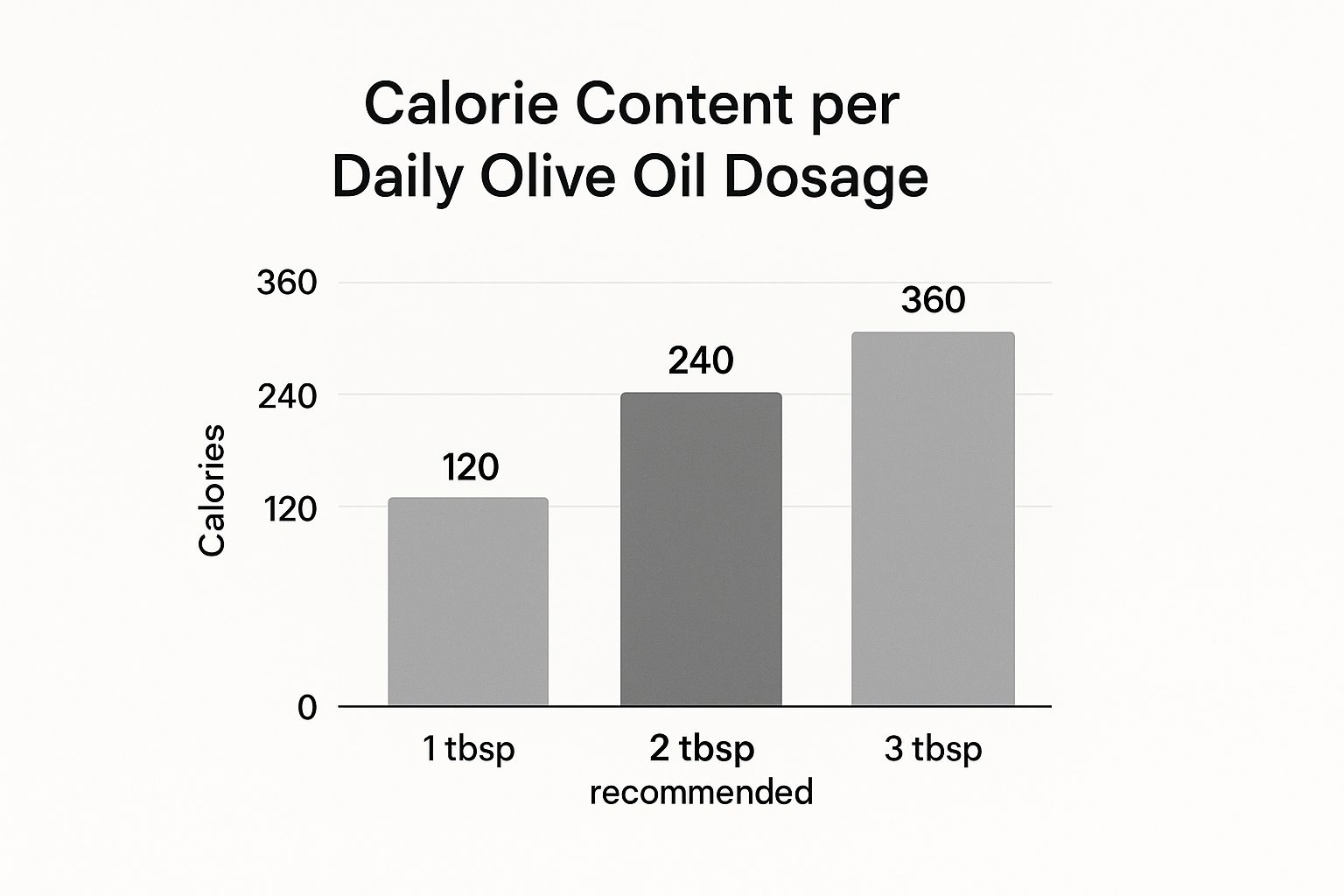
This infographic shows the calorie content of different EVOO dosages, highlighting the recommended 2 tablespoon serving (240 calories). While EVOO does contribute calories, this controlled portion provides valuable nutrients without exceeding daily calorie goals.
Practical Shopping Strategies
Here are some tips for purchasing high-quality EVOO:
-
Choose dark glass bottles or tin containers to protect against light and oxidation.
-
Look for a harvest date; newer is generally better.
-
Carefully read labels, noting certifications like IOC or PDO (Protected Designation of Origin).
-
Consider reputable online retailers like Learn Olive Oil or specialty stores offering tastings.
By understanding these factors, you can select the best EVOO for your weight loss goals. Take the time to evaluate quality and invest in an EVOO that supports a healthier you.
Avoiding The Mistakes That Sabotage Success
Extra Virgin Olive Oil (EVOO) offers incredible potential for weight loss. However, some common missteps can hinder your progress. This section explores those pitfalls and provides practical strategies for avoiding them, helping you unlock EVOO's full benefits. Understanding these common errors can be the key to achieving your weight loss goals.
Overdoing the Good Stuff: The Calorie Conundrum
While healthy, EVOO is calorie-dense. Consuming too much can offset its weight loss advantages. It’s crucial to remember that one tablespoon of EVOO contains approximately 120 calories. While two tablespoons a day might support weight loss, regularly exceeding three tablespoons could lead to a calorie surplus, potentially hindering your progress. Think of it like adding premium fuel to a car: the correct amount optimizes performance, while an excess can flood the engine.
Timing Is Everything: Strategic EVOO Consumption
EVOO offers benefits at any time of day, but strategic timing can amplify its impact. Consuming a tablespoon before meals promotes satiety, helping you manage your food intake. However, consuming large amounts haphazardly, without considering your overall calorie intake, can be counterproductive. Consider it a pre-meal appetizer that sets the stage for a satisfying, controlled meal.
The Wrong Combinations: Pairing EVOO for Success
Not all food pairings with EVOO are equally beneficial. Combining EVOO with balsamic vinegar on a salad creates a healthy and flavorful option. However, saturating your food with EVOO, even healthy options, can be detrimental. The overall nutritional balance of your meal is key. Think about how chefs carefully balance ingredients. It's not just about using expensive oils but about crafting a harmonious dish.
Ignoring Individual Needs: A Personalized Approach
Each individual's body is unique. What works for one person may not work for another. Pay attention to your body's signals and monitor your hunger and fullness cues. The general recommendation for daily EVOO intake is between one and three tablespoons, but your optimal amount may differ. Think of it like tailoring a suit: it needs to fit your specific measurements for optimal comfort and appearance.
Neglecting Quality: Choosing the Right EVOO
The quality of EVOO varies significantly. Lower-quality oils may have fewer beneficial compounds or even contain unwanted additives. Choosing high-quality, cold-pressed EVOO guarantees you're receiving the maximum nutritional benefit. Just like selecting fresh produce – vibrant, ripe fruits and vegetables – opt for fresh, high-quality EVOO to maximize its potential.
Neglecting an Overall Healthy Lifestyle
EVOO is just one element of a comprehensive weight loss strategy. Even the finest EVOO won’t counteract an unhealthy diet and lack of exercise. Incorporating EVOO into a balanced diet filled with fruits, vegetables, and lean protein, coupled with regular physical activity, is essential. Think of EVOO as a valuable player on a winning team, contributing to a robust overall strategy.
Staying Consistent for Lasting Results
Consistency is paramount in any weight loss endeavor. Don’t anticipate immediate, drastic changes. Gradually incorporate EVOO into your diet, focusing on sustainable, long-term habits. Just as building muscle requires time and consistent effort, achieving lasting weight loss demands patience and dedication.
By avoiding these common mistakes, you can fully harness the power of extra virgin olive oil for weight loss. Remember, the key is establishing a sustainable, healthy lifestyle that incorporates EVOO as a valuable component. Ready to experience the difference of high-quality EVOO? Explore a world of premium olive oils at Learn Olive Oil and begin your journey to improved health and flavor!

 Learn Olive Oil
Leave a comment